
Starting solid foods is a major milestone for families in the Philippines. As your baby transitions from a milk-only diet to exploring purees, mashed fruits, and soft finger foods, having the right tools makes all the difference. While many parents focus on high chairs and bibs, choosing the right spoon and fork set is equally critical for a smooth transition. For families who are often on the move—whether running errands, visiting grandparents, or dining out at local restaurants—a utensil set that comes with its own protective case is an absolute game-changer. This simple accessory ensures that your baby’s feeding tools remain clean, safe, and ready to use at a moment’s notice, no matter where your daily adventures take you.
Selecting the ideal utensil set requires balancing safety, ergonomics, and practical convenience. With a vast array of options available on the market, understanding what features to look for can help you make an informed decision. From material safety to ease of cleaning in a tropical climate, this guide will walk you through everything you need to consider when choosing a spoon and fork set with a case for your little one.
Why a Protective Case is Essential for Early Feeding
Diaper bags are busy hubs. They hold everything from soiled clothes and diapers to keys, phones, and hand sanitizers. Placing a baby’s spoon directly into a diaper bag pocket exposes it to lint, dust, and residual bacteria. A dedicated protective case acts as a physical barrier, keeping the utensil tips clean until the moment your baby is ready to eat. This is particularly crucial when dining at local restaurants or food courts where table surfaces may not be thoroughly sanitized.
Products mentioned in this guide
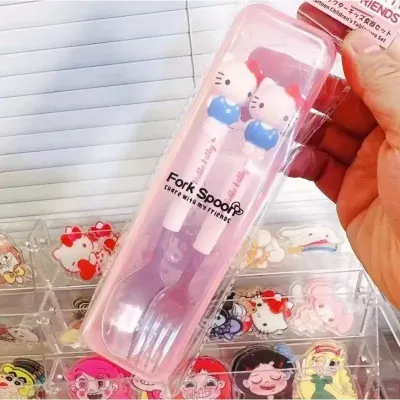
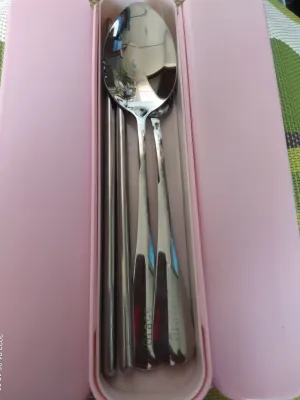
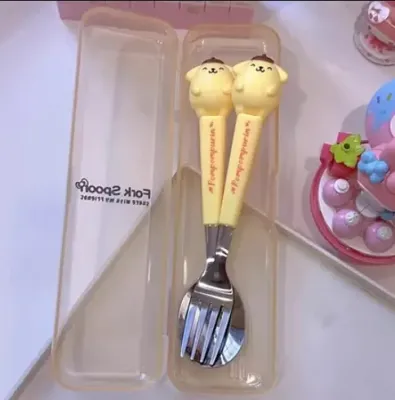
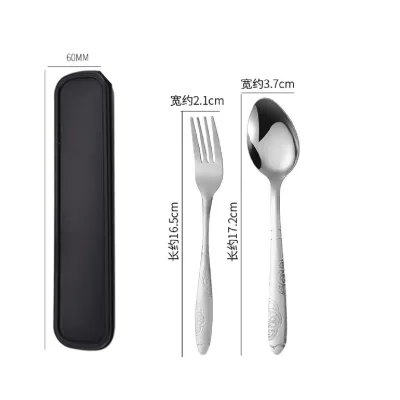
Prices are valid at publication and may change. Please refer to the product page for the latest price.
Furthermore, after your baby finishes their meal, you can place the dirty utensils back into the case, preventing food residue, purees, or sauces from leaking onto your diaper bag’s interior. This simple step saves you from messy cleanups and keeps your travel gear pristine. In the warm and humid climate of the Philippines, exposed food residue can quickly attract pests or spoil, making a sealed case an indispensable tool for maintaining hygiene on the go.
Using a case also helps keep your diaper bag organized. Instead of rummaging through multiple compartments to find a stray spoon, you can easily locate the brightly colored or distinctively shaped case. This convenience is especially valuable when dealing with a hungry, impatient baby who needs to be fed quickly.
Key Design Features for Babies Learning to Self-Feed
When babies begin their solid food journey, usually around six months of age, their oral cavity and motor skills are still developing. The physical design of their first utensils plays a vital role in their success. Look for spoon and fork sets that feature soft, rounded tips. Silicone or high-quality, rounded plastics are gentle on sensitive, teething gums and protect emerging baby teeth from accidental impact.

The handles of the utensils should be chunky, short, and easy to grip. Babies initially use a palmar grasp—holding objects with their entire fist—before transitioning to a pincer grasp. Textured, bulbous handles allow small hands to hold the utensils securely without slipping. Some designs even feature flexible or bendable handles that can be angled to help babies guide food to their mouths more easily during the early stages of self-feeding.
Additionally, the spoon bowl should be shallow. A deep spoon bowl can hold too much food, which may overwhelm a baby or cause gagging. A shallow bowl allows your baby to easily clear the food with their lips, promoting a more natural and controlled swallowing pattern. For forks, look for rounded, blunt tines that can pierce soft foods like bananas or avocados without posing a risk of poking or scratching the baby’s mouth.
Navigating Material Safety and Product Labels
With so many options available on local e-commerce platforms and baby boutiques, parents must look past marketing buzzwords and verify material safety directly. Always read the product packaging and manufacturer labels carefully. Look for clear indicators that the utensils are made from food-grade materials, such as food-grade silicone or polypropylene (PP) plastic. These materials are durable, non-toxic, and capable of withstanding regular cleaning.
It is essential to verify that the product is explicitly labeled as free from harmful chemicals, including Bisphenol A (BPA), Polyvinyl Chloride (PVC), and phthalates. Do not assume a product is safe simply because of its brand name or attractive colors. Check the manufacturer’s user manual or packaging for specific age recommendations, weight limits, and safety warnings. Some sets are designed for babies aged six months and older, while others are intended for toddlers who have already mastered basic self-feeding.
Always follow these age guidelines to prevent choking hazards or oral discomfort. If a product lacks clear labeling regarding its material composition or safety certifications, it is best to avoid it. Prioritizing verified safety standards ensures that your baby’s health is protected during every meal.
Matching the Set to Your Daily Routine and Travel Needs
Your choice of a spoon and fork set should align with your family’s lifestyle and daily habits. If you travel frequently or commute often, a compact, minimalist travel set with a slim case is highly practical. These cases are designed to slide easily into the narrow side pockets of standard diaper bags or insulated bottle holders, saving precious space.
On the other hand, if you spend more time at home but still want a clean storage option for occasional outings, a larger home-and-go set might be more suitable. Some of these larger sets include multiple utensils or interchangeable tips, allowing you to adapt as your child grows. Additionally, consider whether the set includes useful add-ons. Some manufacturers package their utensil sets with matching silicone bibs, small cleaning brushes, or travel-friendly snack cups.
While these bundles can offer great convenience, ensure they do not add unnecessary bulk to your travel setup. Evaluate the physical dimensions of the case before purchasing to ensure it fits comfortably within your preferred diaper bag or stroller organizer. A set that is too bulky may end up being left at home, defeating the purpose of having a travel-friendly option.
Pre-Purchase Checklist: What to Verify Before Buying
Before adding a utensil set to your online shopping cart, take a few minutes to run through a practical pre-purchase checklist. First, evaluate the case’s closure mechanism. Look for secure snap locks or latch designs that are easy for an adult to open but secure enough not to pop open inside a crowded bag. Avoid cases with flimsy hinges that may crack after repeated use.
Second, verify the manufacturer’s instructions regarding dishwasher safety and temperature limits. Not all plastics can withstand the high heat of a dishwasher or a steam sterilizer. If you rely heavily on these appliances for sanitizing baby gear, choosing a set that is explicitly labeled as dishwasher-safe and sterilizer-safe is crucial.
Third, compare prices in ₱ across reputable online marketplaces, keeping an eye out for authorized brand stores to avoid counterfeit products. Read customer reviews specifically looking for feedback on long-term durability, hinge wear, and whether the case remains securely closed over months of daily use. Checking the return policy of the seller is also a wise step in case the product arrives damaged or does not meet your expectations.
Cleaning and Maintaining Your Utensil Set and Case
Proper maintenance is key to keeping your baby’s utensils hygienic and extending their lifespan, especially in the warm, humid climate of the Philippines. Always follow the manufacturer’s specific washing instructions. Some materials may degrade, warp, or release chemicals if exposed to boiling water, UV sterilizers, or harsh dish soaps.
After washing, pay close attention to the drying process. Moisture trapped inside a closed utensil case is a breeding ground for mold, mildew, and bacteria. Ensure that both the utensils and the case—especially the hinges, latches, and inner crevices—are completely dry before snapping the case shut. Air-drying them in a well-ventilated area is highly recommended.
Regularly inspect the utensils for visual signs of wear. If you notice deep scratches, peeling material, discoloration, or a sticky texture, it is time to replace the set, as these damaged areas can harbor bacteria and pose a safety risk to your child. Replacing worn-out utensils promptly ensures that your baby’s feeding routine remains safe and hygienic.
Frequently Asked Questions (FAQ)
When is the right time to introduce a fork to my baby?
Most babies are ready to try a fork around 12 months of age, though this varies. Look for developmental signs, such as a refined pincer grasp and the ability to intentionally spear soft foods like banana slices or cooked sweet potato. Always consult your pediatrician for personalized guidance on utensil progression, and pause the introduction if your baby shows signs of frustration or distress.
How do I know if the utensil case is truly dishwasher safe?
To confirm if a case is dishwasher safe, locate the official dishwasher-safe symbol (usually a representation of plates under water droplets) on the bottom of the case, its packaging, or the manufacturer’s website. Pay attention to temperature limits, as many plastic cases are only safe on the top rack of the dishwasher. If the manufacturer does not explicitly state it is dishwasher safe, handwashing with mild dish soap is the safest way to preserve its structural integrity.
Should I buy a set with a built-in stand or resting spoon rest?
Utensil sets with built-in stands or resting features are highly convenient because they keep the spoon and fork tips elevated off potentially dirty table surfaces. However, these designs often result in bulkier cases that take up more space in your diaper bag. They may also feature complex shapes with hard-to-reach crevices that require extra effort and small brushes to clean thoroughly. Weigh these factors against your daily travel needs before deciding.

Community discussion
Share your experience or ask a question. Comments are reviewed before publication.