
Introducing solid foods is an exciting milestone in your baby’s development, but it often brings a wave of messy cleanups and feeding challenges. A silicone baby spoon feeder set offers a practical solution, combining a soft, gum-friendly spoon with a convenient dispensing container that allows you to feed your little one with minimal fuss. When searching for the perfect set, you must look for certified food-grade materials, ergonomic designs that support early self-feeding, and highly functional squeeze components that prevent leaks. In tropical climates where warmth and humidity are constant, choosing a set that is easy to clean and sanitize is also essential for preventing mold and bacteria growth. By focusing on these key features, you can ensure a safe, comfortable, and hygienic transition to solid foods for your baby.
Choosing the right feeding tools requires balancing safety, usability, and maintenance. Since your baby’s mouth is highly sensitive, the materials must be completely non-toxic and durable enough to withstand daily sterilization. Additionally, the design of the spoon and the bottle must align with your baby’s physical capabilities as they learn to swallow textures thicker than milk. This guide breaks down the essential factors to consider before purchasing a silicone spoon feeder set, helping you make an informed decision that keeps mealtime safe and enjoyable.
Essential Safety and Material Markers to Verify
When selecting any product that comes into direct contact with your baby’s food, material safety is the absolute priority. You should always verify that the spoon feeder is made from 100% food-grade or medical-grade silicone. Food-grade silicone is a non-porous material, meaning it does not absorb liquids, harbor harmful bacteria, or leach chemicals when exposed to high temperatures during feeding or sterilization. Medical-grade silicone undergoes even stricter testing and offers an extra layer of purity, making it an excellent choice for sensitive infants.
Products mentioned in this guide
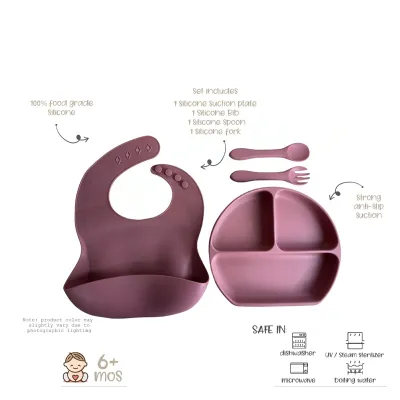
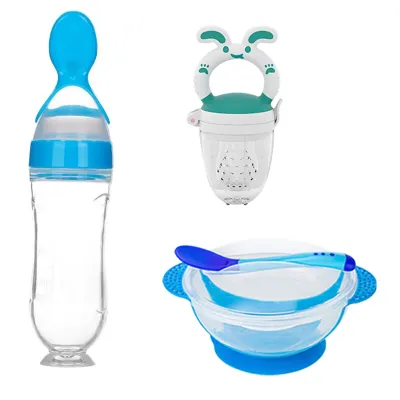
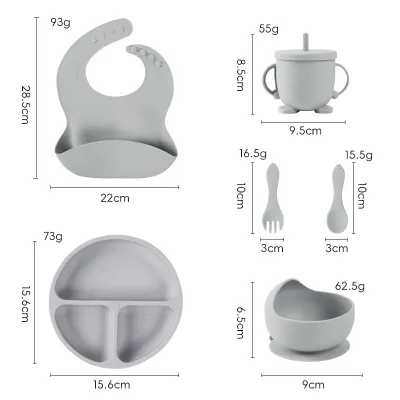
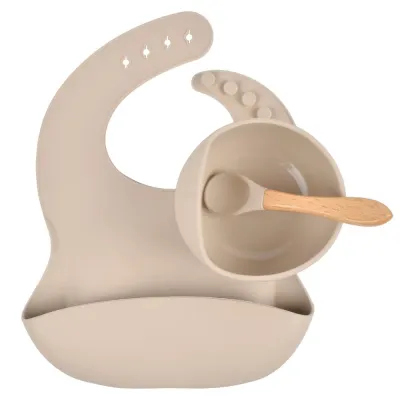
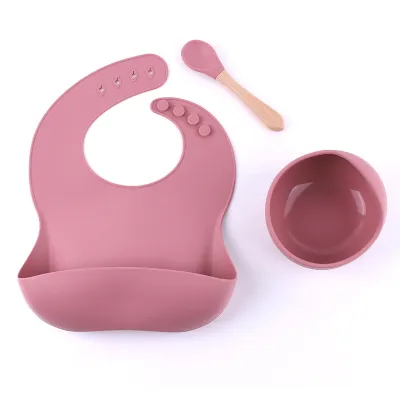
Prices are valid at publication and may change. Please refer to the product page for the latest price.
Always check the product packaging and manufacturer descriptions for explicit declarations that the set is free from harmful chemicals. Specifically, look for labels indicating the product is free from bisphenol A (BPA), polyvinyl chloride (PVC), lead, and phthalates. These chemicals are known endocrine disruptors that can interfere with early childhood development, so their absence is non-negotiable. Reliable manufacturers will proudly display these safety declarations on their retail boxes and official product listings.
To confirm these safety claims, look for recognized certification marks printed directly on the product, its packaging, or the user manual. Compliance with international standards, such as those set by the United States Food and Drug Administration (FDA) or the European LFGB, indicates that the silicone has undergone rigorous testing for chemical migration and durability. In the Philippines, where high humidity can sometimes accelerate the degradation of low-quality plastics, ensuring your baby’s feeding gear meets these global safety benchmarks is highly recommended.
Be cautious when browsing online marketplaces or local ecommerce platforms, as they are often flooded with unbranded, low-cost feeding sets. Many of these cheap listings lack transparent information regarding material sourcing, manufacturing standards, or safety certifications. Opting for established, reputable brands that provide clear documentation and responsive customer service ensures that you are not exposing your baby to industrial chemical fillers or substandard manufacturing practices.
Spoon Head and Handle Design for Early Self-Feeding
The design of the spoon head plays a critical role in how easily your baby transitions from sucking milk to swallowing purees. For infants who are just starting their solid food journey, a shallow and narrow spoon bowl is highly recommended. This shape allows babies with limited oral motor skills to easily clear the food from the spoon using their upper lip. As your baby grows, develops a stronger swallow, and displays a larger appetite, you can transition to a slightly deeper spoon bowl that holds larger portions of thicker purees.

Silicone firmness is another crucial factor to evaluate when comparing different sets. The spoon head must be soft and flexible enough to protect your baby’s tender, teething gums from accidental bruising or irritation during enthusiastic feeding sessions. However, it must also possess enough structural rigidity to scoop up heavier, denser purees like mashed squash, sweet potatoes, or avocados without collapsing under the weight of the food.
Safety during self-feeding is a major concern for parents, which is why many modern silicone spoons feature built-in choke guards. A choke guard is a wide, integrated collar or barrier located between the spoon head and the handle that physically prevents the spoon from being pushed too far into the baby’s mouth. This simple design feature provides peace of mind, especially when your baby begins reaching for the spoon to feed themselves.
If you plan to encourage self-feeding, look for ergonomic handle designs that accommodate your baby’s developing motor skills. Early on, babies use a palmar grasp, gripping objects with their entire fist, before transitioning to a more precise pincer grasp. Handles that are short, bulbous, and textured are much easier for tiny hands to hold securely, reducing frustration and helping your baby build the coordination needed to guide the spoon to their mouth successfully.
Evaluating the Squeeze Bottle or Pouch Component
The squeeze bottle or pouch serves as the reservoir for your baby’s purees, and its design directly impacts how smoothly your feeding sessions will run. One of the first details to check is the presence of clear, easy-to-read measurement markings embossed on the side of the container. These markings, typically presented in both milliliters and ounces, allow you to track exactly how much food your baby is consuming and help you portion out meals accurately to minimize food waste.
An effective squeeze mechanism should allow for effortless, one-handed dispensing. When feeding an active baby, you often need one hand free to stabilize their highchair, wipe away spills, or gently guide their hands away from the food. The silicone bottle should be pliable enough to dispense the puree with a gentle squeeze, yet resilient enough to pop back into its original shape immediately after you release the pressure.
To prevent messy accidents when you are away from home, the feeder set must include a reliable, leak-proof sealing valve or a secure travel cap. A high-quality sealing disc or cap prevents the contents of the bottle from squeezing out into your diaper bag during travel. This is particularly important in tropical climates, where carrying fresh, homemade purees on outdoor trips requires secure, airtight containment to prevent spills and maintain hygiene.
Finally, prioritize squeeze bottles designed with a wide-mouth opening. Narrow openings make it incredibly difficult to fill the bottle with homemade purees without spilling, and they make manual cleaning a frustrating chore. A wide-mouth design allows you to easily spoon in purees of varying consistencies and ensures that bottle brushes can reach every internal surface during washing, preventing old food from getting trapped inside.
Cleaning, Sterilization, and Daily Maintenance
Maintaining strict hygiene is vital when preparing and serving food to infants, especially in warm, humid environments where bacteria and mold can multiply rapidly. Before purchasing a set, cross-reference the manufacturer’s cleaning instructions. While many silicone feeding sets are labeled as top-rack dishwasher safe, hand-washing with mild, fragrance-free dish soap and a dedicated bottle brush is often the most effective way to remove stubborn food residues from tight corners.
Because silicone is highly heat-resistant, most quality sets can withstand various sterilization methods, but you must verify the specific temperature limits set by the manufacturer. Some components, such as the plastic collar, cap, or sealing disc, may have lower heat tolerances than the silicone spoon and bottle. Ensure that all parts can safely undergo boiling, steam sterilization, or UV sterilization without warping, cracking, or losing their leak-proof seals over time.
During daily cleaning, pay close attention to potential mold traps within the feeder set. The threading of the bottle, the dispensing valves, and the connection points where the spoon head attaches to the collar are notorious for trapping moisture and microscopic food particles. Always disassemble the feeder completely after every use, wash each component individually, and allow them to air-dry completely in a well-ventilated area before reassembling or storing them.
Over time, even the highest-quality silicone will begin to show signs of wear and tear. Establish clear replacement triggers to ensure your baby’s feeding gear remains safe. Inspect the silicone regularly for any visible tears, punctures from emerging baby teeth, or changes in texture, such as a sticky or tacky surface. If you notice any of these changes, or if the silicone develops a persistent, unpleasant odor that cannot be removed, it is time to replace the component immediately.
Building Your Final Shortlist Before Checkout
As you prepare to make your final purchase, look for sets that offer practical accessories to maximize the overall value of your investment. Some manufacturers include convenient extras like travel covers, specialized cleaning brushes designed to fit inside narrow dispensing valves, or interchangeable spoon heads of different sizes to accommodate your baby’s growth. These accessories can save you the hassle of buying separate cleaning tools or replacement parts later on.
Before finalizing your order on any ecommerce platform, take a moment to review the seller’s return and refund policies. Because baby feeding items are classified as personal hygiene products, many online retailers enforce strict return limitations once the protective packaging has been opened. Ensure you are purchasing from an authorized mall store or a highly rated seller who offers clear recourse if the product arrives damaged or with missing components.
Analyzing verified buyer reviews is one of the most effective ways to gauge the real-world performance of a silicone feeder set. Look specifically for recurring feedback regarding the durability of the silicone, the ease of squeezing the bottle, and whether the dispensing valve tends to clog or leak. Paying attention to these user experiences can help you avoid products that look great in promotional photos but fail to perform during actual mealtimes.
Finally, compare the total cost of the set in ₱ against its expected durability and included features. While it may be tempting to choose the cheapest option available, investing a bit more in a certified, high-quality set from a reputable brand often proves more economical in the long run. A durable, well-designed feeder set will withstand daily sterilization and active use, ensuring a smoother, safer, and far less messy transition to solid foods for your growing baby.
Frequently Asked Questions (FAQ)
At what age can a baby start using a squeeze spoon feeder?
Most babies are developmentally ready to start exploring solid foods around six months of age. Before introducing a squeeze spoon feeder, look for key signs of readiness, such as your baby being able to sit upright with minimal support, maintaining good head control, and showing interest in the food you are eating. They should also lose the tongue-thrust reflex, which naturally pushes solid objects out of their mouth. Because every infant develops at their own pace, always consult your pediatrician for personalized guidance before starting solids.
Can I put the silicone spoon feeder in the microwave to warm the food?
It is highly recommended that you do not place the assembled silicone spoon feeder inside a microwave to warm your baby’s food. Microwaving purees directly inside the bottle can cause uneven heating, creating dangerous hot spots that can easily burn your baby’s sensitive mouth. Additionally, the intense heat can damage the plastic collars or valves of the feeder. Instead, warm the puree in a separate, microwave-safe glass or ceramic bowl, stir it thoroughly to distribute the heat evenly, test the temperature on your wrist, and then transfer it into the feeder.
How do I remove food stains or odors from the silicone parts?
Silicone is prone to absorbing strong odors and pigments from vibrant foods like carrots, squash, or tomato-based purees. To remove stubborn stains or smells, create a paste using equal parts baking soda and water, rub it over the affected areas, and let it sit for several hours before rinsing thoroughly. Alternatively, placing the clean silicone components in direct sunlight for a few hours can naturally bleach out stains and eliminate lingering odors. Avoid using harsh chemical bleach or abrasive scrubbing pads, as these can degrade the silicone surface and create microscopic scratches that trap bacteria.

Community discussion
Share your experience or ask a question. Comments are reviewed before publication.