
Securing a gate or harang sa gate is one of the most critical steps in baby-proofing a home, especially when active toddlers begin to explore their surroundings. As children transition from crawling to walking, their curiosity drives them to test boundaries, making unsecured gates a significant safety hazard. In the Philippines, where homes often feature a mix of indoor wooden barriers, outdoor metal grilles, and plastic safety gates, finding a lock that can withstand both an inquisitive toddler and the local climate is essential. The ideal childproof gate lock must strike a balance: it must be complex enough to baffle a toddler’s developing cognitive and motor skills, yet simple enough for a busy caregiver to operate with one hand.
When selecting a locking mechanism, parents must look beyond basic latches and consider how a child interacts with physical barriers. Toddlers are natural observers who learn by mimicking adult actions; a simple single-step latch will quickly be bypassed once they watch you open it a few times. By understanding the mechanics of childproof locks, evaluating material durability against tropical humidity, and following precise installation guidelines, you can create a secure environment that keeps your child safe while maintaining convenient access for the rest of the household.
Understanding Toddler-Proof Gate Lock Mechanisms
To choose an effective lock for your harang sa gate, it helps to understand how childproof designs exploit the developmental limitations of toddlers. Toddlers possess limited hand-eye coordination, grip strength, and cognitive problem-solving abilities compared to adults. Standard locks or simple latches fail because they only require a single, straightforward physical action—such as pushing a button or sliding a bolt—which a child can easily master through trial and error or simple observation.
Products mentioned in this guide
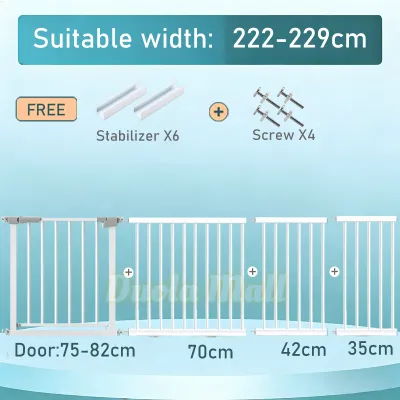
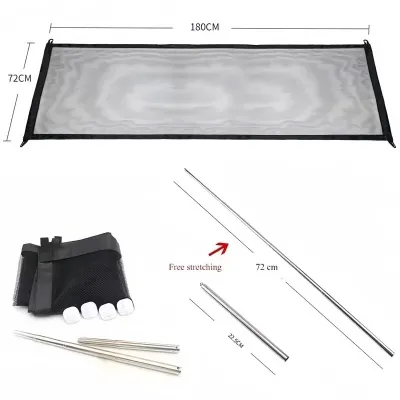
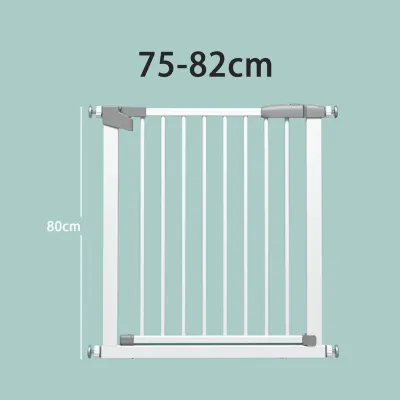
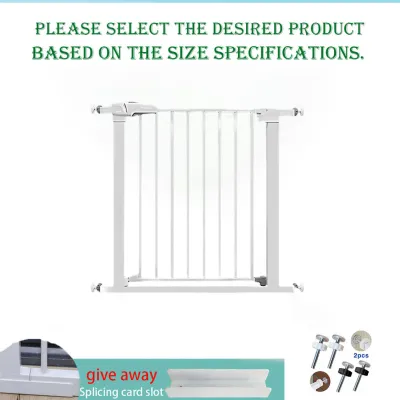
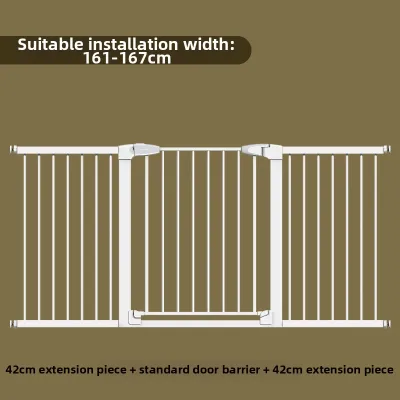
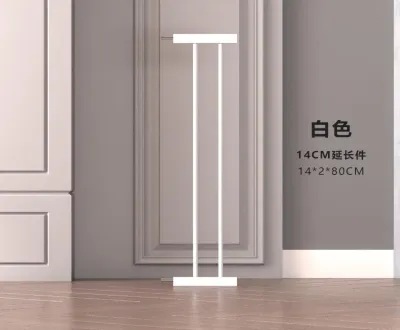
Prices are valid at publication and may change. Please refer to the product page for the latest price.
Dual-action release mechanisms are specifically engineered to counter these developmental stages. These locks require two distinct, non-intuitive actions to be performed simultaneously or in a specific sequence to open the gate. For example, you might need to squeeze two side buttons while lifting the latch, or slide a safety cover back before pressing a release trigger. Because a toddler’s hand size is small and their bilateral coordination is still developing, performing these dual actions is physically and cognitively out of their reach. This design ensures that even if a child understands the concept of the lock, they lack the physical capability to execute the opening sequence.
Magnetic mechanisms offer another highly secure alternative, particularly for outdoor gates or walk-through safety barriers. These systems utilize powerful magnets to pull the latch shut automatically as the gate swings closed, ensuring the gate never accidentally remains unlatched. The release mechanism on magnetic locks is typically a pull-knob or a twist-and-lift cap located at the very top of the unit. This placement leverages both height and a complex physical motion that toddlers cannot easily replicate, providing a reliable barrier against unauthorized entry.
In contrast, simple sliding latches, hook-and-eye closures, or single-button releases offer very limited protection. Active toddlers are highly persistent; they will shake, pull, and push at a gate repeatedly. Over time, this physical vibration can cause loose sliding bolts to slide open on their own, or a hook to bounce out of its eyelet. Furthermore, single-button releases are highly susceptible to accidental activation if a child falls against the gate or presses the button out of curiosity.
When evaluating any locking mechanism, always check the manufacturer’s age and developmental stage warnings printed on the product packaging. Many childproofing products are designed and tested only for children up to 24 months of age. Once a child surpasses this age, their physical strength, height, and cognitive abilities increase significantly, meaning a lock that was highly effective for a younger baby may no longer provide adequate security. Regularly reviewing these warnings helps you anticipate when it is time to upgrade to a more complex locking system.
Key Features to Evaluate Before Purchasing
Selecting the right lock for your gate requires a careful evaluation of several key features, starting with material durability and weather resistance. In the Philippines, indoor and outdoor fixtures are subjected to high humidity, intense tropical heat, and heavy seasonal rainfall. If you are securing an outdoor gate, a dirty kitchen barrier, or a veranda entrance, standard indoor plastic locks will quickly degrade, become brittle, or lose their structural integrity under constant UV exposure. Look for locks constructed from rust-resistant metals such as stainless steel, anodized aluminum, or heavy-duty, UV-stabilized plastics designed specifically for outdoor use.

Another crucial feature to prioritize is adult one-handed operation. Caregivers rarely have both hands free; you will frequently find yourself carrying a sleeping baby, a heavy diaper bag, or bags of groceries while trying to navigate through a gate. A well-designed childproof lock should allow an adult to easily engage and disengage the mechanism using only one hand, without requiring excessive force or awkward twisting. If a lock is too difficult for adults to operate quickly, there is a high risk that family members will leave the gate unlatched out of frustration, completely defeating the purpose of the safety barrier.
Before purchasing any childproofing hardware, take the time to verify safety certifications and compliance marks printed on the packaging. Reputable manufacturers subject their products to rigorous testing by independent safety organizations to ensure they can withstand repeated impacts, pull forces, and environmental stress. Look for certifications such as ASTM (American Society for Testing and Materials) or EN (European Committee for Standardization) standards for youth safety products. If a product lacks clear certification markings or manufacturer contact information, it is best to avoid it, as it may not have been tested to withstand the physical force an energetic toddler can exert. While high-quality locks may range from ₱300 to over ₱1,500, prioritizing certified safety features over the lowest price ensures long-term reliability.
Additionally, carefully inspect the lock design for potential choking hazards. Some low-quality locks feature small detachable parts, decorative caps, or poorly secured screws that can easily be pried loose by a curious child. Since toddlers explore their world using both their hands and their mouths, any small component that detaches from the lock poses an immediate safety risk. Ensure that all screws, springs, and pins are deeply recessed or securely enclosed within the lock housing, preventing them from falling out even after months of heavy use.
Comparing Common Types of Gate Locks
To help you find the right match for your home, it is helpful to compare the most common types of gate locks based on your specific gate material and household layout. Different gate designs—whether they are wooden garden gates, metal security grilles, or plastic pressure-mounted barriers—require compatible locking mechanisms to function safely and effectively.
For wooden gates, heavy-duty mechanical latches or magnetic pull-latches are highly compatible because they can be securely screwed directly into the solid wood frame. Metal gates, such as iron grilles commonly found in Philippine homes, often require specialized locks that clamp onto round or square bars, or magnetic locks with adjustable mounting brackets. If you are securing a temporary plastic or metal safety gate (harang sa gate), it is usually best to rely on the integrated dual-action handle lock that came with the gate, or use heavy-duty strap locks as a secondary reinforcement on smooth, non-porous surfaces.
The following comparison matrix outlines the key differences between common lock types to assist you in your decision-making process:
| Lock Type | Installation Requirements | Adult Ease of Use | Toddler Resistance | Best Suited For |
|---|---|---|---|---|
| Magnetic Latch | Requires precise alignment and screw mounting; best for rigid frames. | High; simple pull-and-twist or lift motion with one hand. | Excellent; mechanism is usually placed out of reach. | Outdoor metal or wooden gates, pool safety barriers. |
| Dual-Action Strap Lock | Tool-free adhesive installation; requires clean, flat surfaces. | Moderate; requires squeezing two release points simultaneously. | High for younger toddlers; may be bypassed by older children. | Plastic safety gates, cabinets, and lightweight indoor barriers. |
| Sliding Bolt with Safety Cover | Screw-mounted; requires drilling into the gate and frame. | Moderate; must slide safety cover back before pulling the bolt. | High; physical resistance prevents simple sliding. | Heavy wooden gates, interior doors, and wooden barriers. |
| Keyed Lock (Quick-Release) | Professional installation recommended; requires mounting hardware. | Low; requires a key or a specific code to unlock. | Maximum; impossible for a toddler to open without the key. | External perimeter gates where emergency egress is secondary. |
Each lock type has distinct limitations that you must consider before installation. For instance, adhesive-based strap locks are incredibly convenient because they do not require drilling, but the adhesive backing can degrade rapidly in hot, humid environments or when exposed to direct sunlight. If the adhesive fails, the lock can easily be pulled off by an energetic child. On the other hand, magnetic locks are exceptionally reliable but require a highly stable gate frame; if your gate sags or the hinges shift over time, the magnetic latch will not align properly, preventing the gate from locking automatically.
Before making a purchase, always read the product specifications carefully to ensure the lock is compatible with your gate’s thickness and the gap width between the gate and the post. A lock designed for a thin plastic barrier will not fit a thick wooden post, and a magnetic latch may fail to bridge a gap that is too wide. Taking precise measurements of your gate frame, bar spacing, and clearance gap will save you time and ensure a secure, flush fit.
Installation and Placement Guidelines for Maximum Safety
Proper installation is just as important as choosing the right lock. Even the most secure dual-action lock will fail to protect your child if it is installed incorrectly or placed within their reach. The primary rule of childproof lock installation is to place the mechanism completely out of your toddler’s maximum reach. When calculating this height, do not just measure your child’s standing height; you must account for their reaching ability when standing on their tiptoes with their arms fully extended. As a general guideline, installing the lock at a height of at least 1.5 meters from the ground is recommended, though you should adjust this based on your child’s growth and the specific design of your gate.
Before attaching any locking device, conduct a thorough check of your gate’s structural integrity and hinge stability. A loose hinge, a sagging frame, or a wobbly post will prevent the locking mechanism from aligning correctly. If the lock does not align perfectly, the automatic latching feature may fail, leaving the gate slightly ajar. Tighten all hinge screws, replace any worn-out hardware, and ensure the gate swings smoothly and hangs level before you begin mounting the new lock.
Another critical safety consideration is to avoid creating climbable footholds near the lock mechanism. Toddlers are incredibly resourceful and will quickly learn to use horizontal bars, decorative scrolls, nearby furniture, or even toys as steps to gain extra height. Inspect the area surrounding the gate and remove any objects that could be dragged over and used as a stepping stool. If your gate has horizontal slats or decorative elements that can be climbed, you may need to install a smooth plastic shield over those areas or place the lock even higher to prevent your child from climbing up to reach it.
Finally, always follow the specific manufacturer installation instructions and use the provided mounting hardware. Avoid the temptation to use shorter screws or weaker adhesives than what is recommended in the manual. If you are mounting a lock onto a metal gate, use self-tapping metal screws to ensure a permanent, secure hold. For wooden gates, ensure the screws are long enough to bite deeply into the solid wood frame. Using substandard hardware can result in the lock pulling free from the gate when subjected to a sudden impact or a toddler’s full body weight.
Maintenance and Routine Safety Checks
Childproofing is not a one-time task; it requires ongoing maintenance to ensure that your safety barriers remain secure as your child grows and environmental conditions change. Establishing a routine safety check will help you identify potential points of failure before they lead to an accident.
Create a visual inspection checklist to perform at least once a month. If you are using adhesive-based strap locks, inspect the edges of the adhesive tape for any signs of peeling, lifting, or dirt accumulation. In the humid Philippine climate, adhesives can dry out or lose their stickiness over time, requiring replacement. For metal locks, look closely for signs of rust, corrosion, or wear on moving parts. Rust can stiffen a spring-loaded latch, preventing it from snapping shut automatically when the gate is closed.
Regularly test the latch mechanism to ensure it engages fully and automatically. Walk through the gate and let it swing shut naturally; the latch should click securely into place without requiring you to push, pull, or lift the gate manually. If you have to lift the gate slightly to get it to lock, the gate has likely sagged, and the hinges or the lock alignment must be adjusted immediately. A lock that requires manual assistance to close is highly dangerous, as busy family members may forget to secure it properly.
Over time, the constant opening and closing of the gate can cause mounting screws to loosen. Use a screwdriver to check and tighten all screws on both the lock and the gate hinges during your monthly inspection. Wood gates can expand and contract with seasonal humidity shifts, which may cause minor structural shifts in the frame. Regularly checking these connections ensures that the lock remains firmly anchored to the gate.
Knowing when to stop using a lock and replace it is vital for your child’s safety. If you notice any deep cracks in plastic components, severe rust that impedes movement, or if the dual-action mechanism begins to stick, replace the lock immediately. Most importantly, if your toddler successfully opens the lock even once, you must treat the current childproofing measure as compromised. Immediately upgrade to a more complex locking system, add a secondary lock at a higher position, or consult a professional safety installer to evaluate your home’s barrier system.
Frequently Asked Questions (FAQ)
Can I use a standard padlock to childproof my gate?
Using a standard padlock to childproof a gate is generally not recommended due to significant safety and emergency risks. While a padlock is highly secure, it requires a key or a combination to open, which can create a dangerous delay during an emergency such as a fire or an earthquake. In these critical moments, caregivers must be able to exit the home quickly without searching for a misplaced key. Additionally, loose keys and small padlock components can present choking hazards if left within a toddler’s reach. If a keyed lock is absolutely necessary for security, look for specialized quick-release locks that feature an emergency override on the adult side, and always ensure the key is stored in a designated, high-up location that is easily accessible to adults but completely out of reach for children.
At what height should a childproof gate lock be installed?
As a general rule, a childproof gate lock should be installed at a height of at least 1.5 meters (approximately 5 feet) from the ground. However, the exact height depends on your child’s current height, their reaching ability, and the specific design of your gate. The goal is to place the locking mechanism well beyond your child’s maximum reach, even when they are standing on their tiptoes or attempting to climb. Always consult the manufacturer’s recommended installation height printed on the product label, as some specialized locks have specific alignment requirements that must be met to function correctly.
What should I do if my toddler figures out how to open the lock?
If your toddler figures out how to open the gate lock, you must take immediate action to secure the area. First, increase direct supervision and consider placing a temporary physical barrier, such as a secondary pressure-mounted gate, while you source a permanent solution. Next, evaluate why the lock failed; if your child mastered the physical sequence, you will need to upgrade to a more complex mechanism, such as a dual-action lock that requires greater grip strength or a magnetic lock placed higher up. If the gate itself is flimsy or has climbable horizontal bars, you may need to replace the entire barrier with a certified safety gate that features an integrated, toddler-proof handle.

Community discussion
Share your experience or ask a question. Comments are reviewed before publication.