
Choosing your baby’s first tooth gel in the Philippines requires distinguishing between soothing teething gels and cleaning tooth gels, verifying age-specific safety labels, and strictly avoiding harmful ingredients like benzocaine or lidocaine. Parents must prioritize products registered with the local Food and Drug Administration (FDA) and consult a pediatric dentist or pediatrician before introduction.
The arrival of a baby’s first tooth is a major milestone, but it often comes with sleepless nights, drooling, and swollen gums. Navigating the baby care aisle can feel overwhelming with dozens of options. By focusing on safety standards, age-appropriate formulations, and proper application techniques, you can confidently support your baby’s oral health journey.
Teething Relief vs. Cleaning: Identifying Your Baby's Need
Before purchasing a product, it is essential to determine whether your baby needs a soothing gel to relieve gum discomfort or a cleaning gel to care for newly erupted teeth. These two product categories serve entirely different purposes, and confusing them can lead to ineffective care or unnecessary ingredient exposure.
Products mentioned in this guide
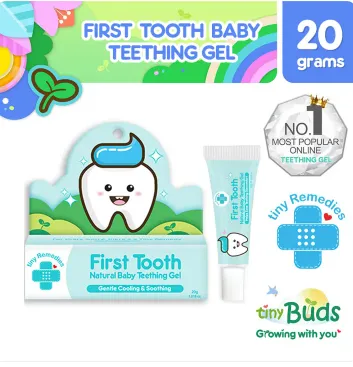
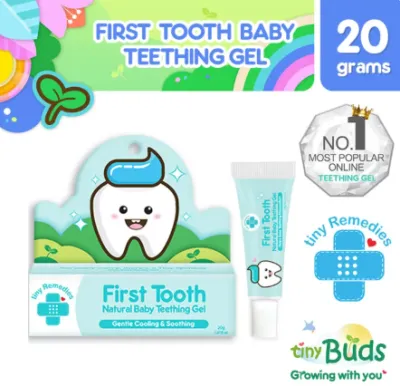
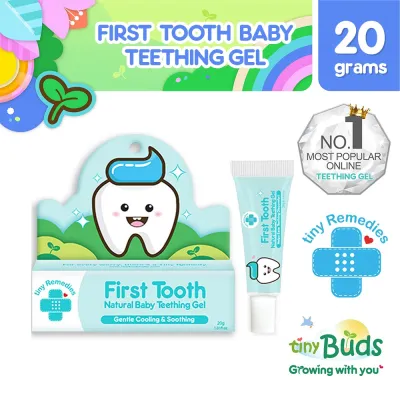
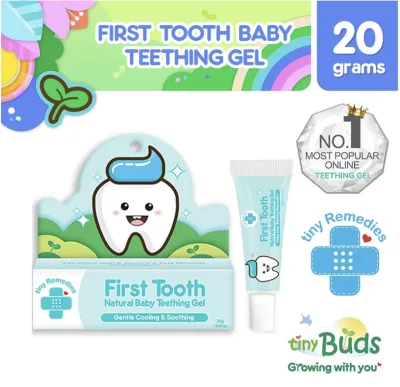
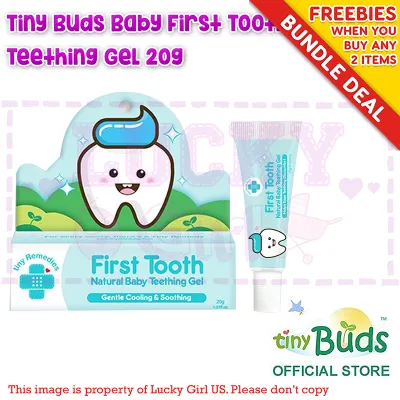
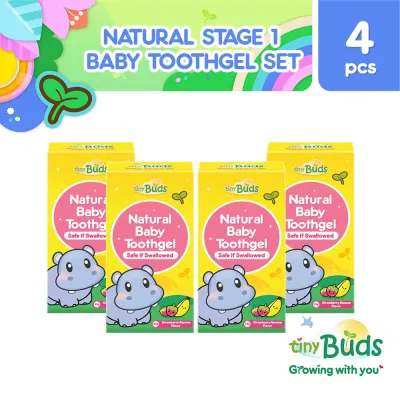
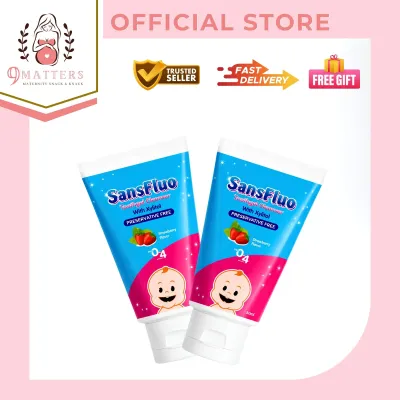
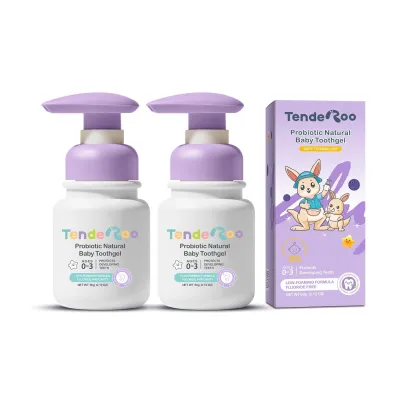
Prices are valid at publication and may change. Please refer to the product page for the latest price.
Teething discomfort typically begins months before the first tooth actually breaks through the gumline. Common signs include excessive drooling, a constant desire to chew on hard objects, irritability, and swollen, tender gums. During this pre-eruption phase, a soothing gel designed specifically for gum massage can help calm localized irritation.
In contrast, a cleaning tooth gel is formulated to maintain oral hygiene once teeth are visible. The moment the first tiny white tip emerges, it becomes susceptible to plaque accumulation and early childhood caries. Cleaning gels contain mild polishing agents and protective ingredients designed to clean the tooth surface and protect the developing enamel.
Product labels generally make this distinction clear, but parents must read them carefully. Soothing products are often labeled as “teething gels,” “gum gels,” or “soothing oral gels,” and they do not contain cleaning agents. Cleaning products are typically labeled as “baby toothpaste,” “training tooth gel,” or “first tooth gel,” indicating they are meant for brushing rather than simple gum application.
The transition from soothing to cleaning should be a gradual but deliberate process. While you can use a clean, damp cloth to wipe your baby’s gums before teething begins, you should introduce a dedicated cleaning gel and a soft baby toothbrush as soon as the first tooth appears. Establishing this routine early helps your baby get used to the sensation of daily brushing.
In the warm and humid climate of the Philippines, babies can easily become dehydrated or extra fussy when teething discomfort strikes. Distinguishing between a baby who needs gum comfort and one who needs their new teeth cleaned helps parents avoid unnecessary product use and ensures targeted care.
Ingredient Safety: What to Avoid and What to Look For
Reading the ingredient list is the most critical step when selecting any oral product for an infant. Because babies cannot spit out excess product, they will inevitably swallow whatever you apply to their gums or teeth, making ingredient safety paramount.

There are several ingredients that parents must strictly avoid due to documented health risks. Benzocaine and lidocaine, which are local anesthetics often found in adult oral products, should never be present in baby teething gels. Regulatory bodies have warned that these substances can cause methemoglobinemia, a rare but life-threatening condition that severely reduces the amount of oxygen carried in the blood.
Additionally, avoid products containing high alcohol content, artificial colors, or strong chemical preservatives. Alcohol can dry out and irritate the delicate oral mucosa of an infant. Added sugars or artificial sweeteners like sodium saccharin should also be avoided, as they can actively promote tooth decay, defeating the purpose of early oral hygiene.
Instead, look for safe, gentle soothing alternatives if you are addressing teething discomfort. Many pediatric gum gels utilize natural plant extracts such as chamomile, calendula, or aloe vera to provide mild comfort. While these botanical ingredients are generally well-tolerated, remember that natural extracts have limitations and may not completely eliminate severe pain; always monitor your baby for any individual sensitivities.
When choosing a cleaning gel, the inclusion of fluoride is a key consideration that should align with professional pediatric dental guidelines. Fluoride is highly effective at strengthening enamel and preventing cavities, but excessive ingestion can lead to fluorosis. Many local pediatric dentists recommend using a tiny, rice-sized smear of fluoride toothpaste as soon as the first tooth erupts, while others may suggest starting with a fluoride-free training gel until the child learns to spit. Consult your pediatrician or pediatric dentist to determine the best approach for your baby’s specific needs.
Finally, always verify that the product is registered with the Food and Drug Administration (FDA) of the Philippines. An FDA-registered product has undergone evaluation to ensure it does not contain banned substances or hazardous contaminants, providing an essential layer of safety for products that your baby will inevitably swallow.
Age Appropriateness and Usage Guidelines
Using a baby tooth gel safely requires strict adherence to age recommendations and proper application techniques. Infant oral anatomy and digestive systems develop rapidly, meaning a product safe for a toddler may not be appropriate for a younger infant.
Always check the packaging for explicit age labels, such as “3+ months” or “6+ months.” These guidelines are established by manufacturers based on the safety and digestibility of the ingredients. Never use a product that does not clearly state its age suitability, and do not assume a gel is safe for newborns simply because it is located in the baby care section.
Proper application technique is vital to ensure safety and efficacy. Before applying any gel, wash your hands thoroughly with soap and clean water. Squeeze a tiny, controlled amount of the gel—no larger than a grain of rice for cleaning gels—onto your clean index finger, a clean damp washcloth, or a soft silicone finger brush.
Gently massage the gel onto the baby’s gums or brush the emerging teeth using light, circular motions. Be careful to apply the gel only to the affected areas and avoid the back of the mouth or throat, which can trigger the gag reflex or cause accidental choking.
Dosage limits and application frequency must be strictly managed to prevent overuse. Even natural, plant-based gels have maximum daily limits specified by the manufacturer. Keep track of how often the gel is applied, especially if multiple family members or caregivers are looking after the baby during the day, to ensure you do not exceed the recommended daily limit.
Parents must remain vigilant and know when to stop using a product. Discontinue use immediately and seek medical attention if your baby shows signs of an allergic reaction, such as swelling of the lips, tongue, or face, hives, skin rashes, or difficulty breathing. Furthermore, if teething symptoms are accompanied by a high fever, diarrhea, or extreme lethargy, consult a pediatrician, as these symptoms are typically indicative of an underlying illness rather than normal teething.
Where to Buy and How to Verify Authenticity in the Philippines
The local market features a wide variety of baby products, but it also carries the risk of counterfeit or improperly stored goods. Ensuring you purchase authentic, high-quality tooth gel is essential for protecting your baby’s health.
Always purchase baby oral care products from established, reputable retail channels. National pharmacies, major supermarkets, and official brand stores on authorized e-commerce platforms are the safest options. Avoid purchasing from unauthorized third-party online sellers or informal markets, where the supply chain and storage conditions cannot be verified.
When buying locally, look for the FDA Philippines registration number on the packaging. Authentic products imported or distributed legally in the country will feature clear labeling, including the importer’s details, manufacturer information, and local registration codes. You can also verify these details using the official FDA verification portal online.
Before finalizing your purchase, inspect the physical packaging of the tooth gel. Ensure that the safety seal is completely intact and shows no signs of tampering, tearing, or leakage. Check the expiration date clearly printed on the tube or box; expired gels can lose their active properties or, worse, become breeding grounds for harmful bacteria.
Proper storage is particularly important in the tropical climate of the Philippines. High temperatures and humidity can accelerate the breakdown of ingredients and encourage mold growth inside the tube. Store the tooth gel in a cool, dry place away from direct sunlight, such as a closed pantry or a bedroom cabinet. Avoid storing it in humid bathrooms or leaving it in hot vehicles, and always ensure the cap is tightly closed after each use.
Frequently Asked Questions (FAQ)
Can I use adult toothache gel for my baby?
No, adult toothache gels must never be used on babies or young children. These products typically contain high concentrations of local anesthetics like benzocaine or lidocaine, which pose severe, life-threatening health risks to infants, including oxygen-deprivation disorders. Adult formulations also frequently contain high levels of alcohol and strong flavorings that can burn or damage delicate infant oral tissues. Always use products specifically formulated and labeled for infants.
How often can I apply teething gel in a single day?
The frequency of application depends entirely on the specific product and must align strictly with the manufacturer’s guidelines printed on the packaging. Generally, soothing gels should not be applied more than three to four times a day. Overuse can lead to accidental swallowing of excessive amounts, which may numb the throat and interfere with the baby’s natural swallowing reflex. To manage discomfort between applications, consider safe alternatives such as offering a clean, chilled (not frozen) teething ring or gently massaging the gums with a cold, damp washcloth.
Should I wipe off the gel after applying it?
Whether to wipe off the gel depends on the product type and the manufacturer’s instructions. Soothing teething gels are designed to be absorbed by the gums and typically do not require wiping, though any excess drool can be gently patted dry. For cleaning tooth gels or training toothpastes, especially those containing fluoride, you should follow the specific label directions. For infants who cannot spit, using only a tiny smear of cleaning gel ensures that the amount swallowed is safe, making wiping unnecessary unless specified by the manufacturer or your pediatric dentist.

Community discussion
Share your experience or ask a question. Comments are reviewed before publication.