
When your baby starts showing signs of wanting to move, finding a safe way to support their curiosity is a top priority. Choosing a safe baby walker requires verifying structural safety features—such as a wide, heavy base and automatic braking mechanisms—matching the device strictly to your child’s physical development, and maintaining continuous, active supervision in a fully baby-proofed space. While these devices can offer temporary entertainment, they also introduce significant safety risks that require careful preparation and strict usage limits.
To make an informed decision, you must understand the balance between a child’s desire for mobility and their actual physical capabilities. Many parents turn to these devices to give their infants a sense of independence. However, without the proper precautions, safety features, and environmental adjustments, a mobile infant can quickly encounter severe hazards. Assessing your home layout, understanding the physical limits of the gear, and knowing when to transition to safer alternatives are essential steps for every caregiver.
Understanding the Risks: Why Baby Walkers Can Be Dangerous
Traditional baby walkers are designed to give non-walking infants rapid mobility, but this movement often outpaces their cognitive and physical control. When seated in a wheeled frame, a baby can travel at speeds exceeding one meter per second. This rapid acceleration makes it incredibly difficult for a caregiver to react in time if the baby heads toward a hazard. The most common mobility risks include falling down stairs, tipping over when rolling across transitions between tile and rug, or sliding off raised thresholds.
Products mentioned in this guide
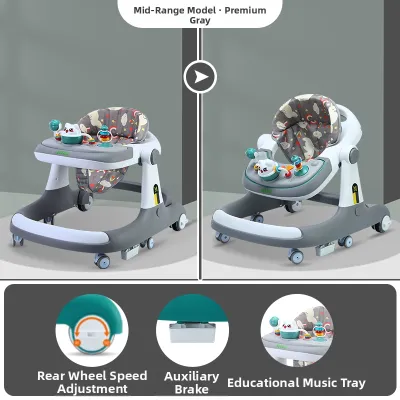
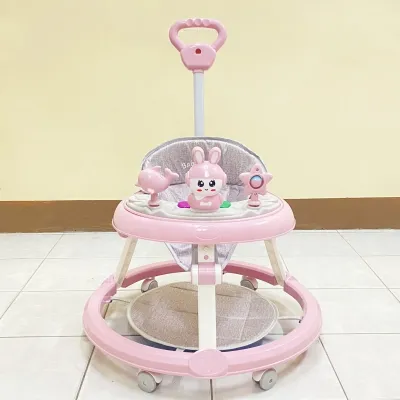
![[Easy To Walke] Bobbi Baby Walker walker for baby boy baby walker for girl SuitableFor 6-18 Months Infant Foldable walker for baby with Wheel Toddler Walk Learning Anti Rollove walker baby girl walker for baby With Music and Handle](https://img.lazcdn.com/g/p/fccee499d29a7bf50ee21c4b22facbed.jpg_400x400q80.jpg_.webp)
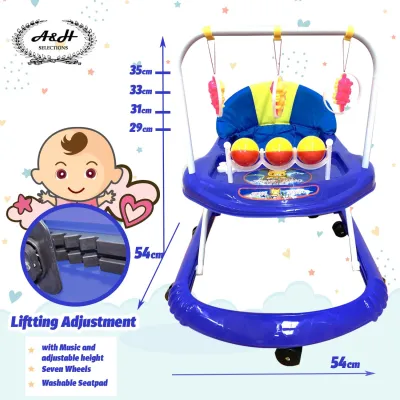
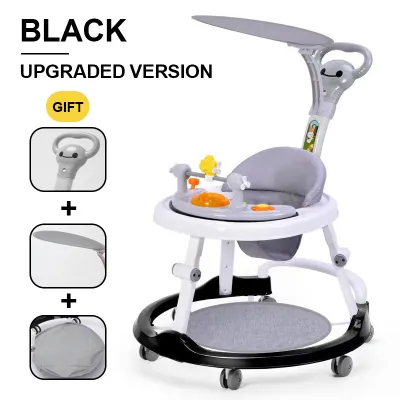
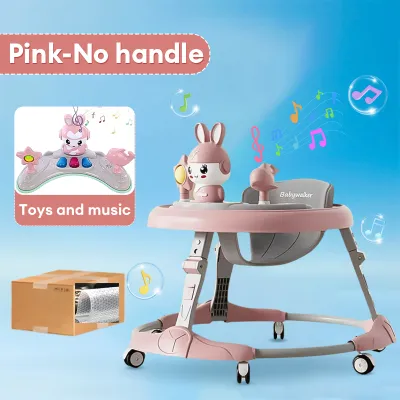
Prices are valid at publication and may change. Please refer to the product page for the latest price.
Beyond the risk of falls, a wheeled device elevates your baby, giving them an artificial height advantage. This increased reach hazard allows them to access items on tables, kitchen counters, and shelves that would otherwise be safely out of their grasp. In a matter of seconds, a baby can pull down a hot cup of coffee, grab sharp kitchen utensils, pull on dangling electrical cords, or reach toxic household cleaners. In tropical climates like the Philippines, where homes often have open-plan layouts or outdoor-indoor transitions, these reach and mobility risks are amplified near open patios, kitchens, and wash areas.
There are also developmental concerns that pediatric professionals frequently highlight regarding the use of traditional walkers. Rather than teaching a child how to walk, these devices can actually delay independent walking. When suspended in a seat, a baby relies on their toes to push themselves forward, which can tighten their calf muscles and encourage toe-walking. This position bypasses the natural muscle-strengthening process that occurs when a baby crawls, pulls up to stand, and balances their weight on flat feet.
Essential Safety Features to Verify Before Buying a Walker
If you decide to purchase a walker, you must carefully evaluate its physical design and safety features rather than relying solely on brand names or aesthetic appeal. Always check the manufacturer’s documentation to ensure the model meets modern safety standards.

Wide and Heavy Base The physical footprint of the device is your first line of defense against tipping. Look for a model with a wide, heavy, and stable base. The base should ideally be wider than standard doorways in your home. This physical boundary prevents the baby from rolling into restricted rooms, such as bathrooms or kitchens, even if a door is accidentally left open. A heavier base also lowers the center of gravity, making the device much harder to tip over when the baby bumps into furniture.
Braking and Friction Strips Modern, high-quality models are equipped with safety brakes or friction strips on the underside of the base. These rubberized pads are designed to grip the floor and halt the walker’s movement instantly if one or more wheels lose contact with the flat surface, such as when approaching a step or a threshold. Before buying, inspect the bottom of the device to confirm these safety grips are present, securely attached, and made of durable, non-slip material.
Adjustable Seat Height The seat must be fully adjustable to accommodate your baby’s growing legs. When your baby is seated, their feet must be able to rest flat on the floor. If only their toes can touch the ground, the seat is too high, which increases physical strain and encourages improper walking posture. Ensure the adjustment mechanism locks securely and cannot be accidentally released by the baby’s movements.
Strict Weight and Height Limits Every model has specific physical limits detailed in its user manual. You must verify these limits before purchase and compare them to your baby’s current measurements. Using a device for a baby who is too heavy or too tall can compromise its stability, leading to structural failure or tipping. Never assume a walker is suitable based on age alone; physical measurements are the only reliable guide.
Safety Certification Marks Do not assume a product is safe simply because it is sold in a reputable store. Look for recognized safety standard labels on the packaging or the product tag, such as ASTM F977 in the United States or EN 1273 in Europe. These certifications indicate that the design has undergone rigorous testing for stability, dynamic strength, and stair-fall prevention. If a product lacks these clear certification markings, it is best to avoid it.
Safe Usage Guidelines and Caregiver Supervision
Buying a model with advanced safety features is only the first step; how you use the device in your home determines your baby’s actual safety. Creating a secure environment and establishing strict supervision rules are essential to prevent accidents.
Environment Preparation Before placing your baby in the device, you must thoroughly baby-proof the entire floor area. Remove all loose rugs, electrical cords, toys, and clutter that could catch on the wheels and cause the device to tip over. If your home has tiled floors common in tropical areas, ensure there are no cracked or uneven tiles that could halt a wheel abruptly. Use sturdy, hardware-mounted safety gates to block off all stairs, steps, raised thresholds, and exits leading to balconies or outdoor spaces.
Clearance of Hazard Zones Keep the baby completely away from high-risk zones. The kitchen, laundry area, and dining room should be entirely off-limits. Ensure there are no tables with dangling tablecloths that the baby could pull, which could bring heavy objects or hot liquids crashing down on them. Keep the device far away from open water sources, including bathrooms, buckets, and swimming pools. Additionally, ensure that household plants, pet bowls, and waste bins are moved completely out of the baby’s reach.
Mandatory Adult Supervision A wheeled device is never a substitute for active adult childcare, nor is it a safe place to leave a baby while you attend to other tasks. You must provide continuous, direct visual supervision at all times. This means staying in the same room, keeping your eyes on the baby, and remaining close enough to intervene instantly if they head toward danger. Avoid distractions such as mobile phones, television, or household chores while your baby is in the device.
Strict Time Limits To support healthy physical development and prevent fatigue, limit your baby’s time in the device. Pediatric experts generally recommend restricting usage to short sessions of no more than 10 to 15 minutes once or twice a day. Always check the manufacturer’s instructions for their specific recommended usage limits, and prioritize free floor play to let your baby build natural strength.
Recognizing When to Stop Using the Walker
As your baby grows and develops new skills, the window of safe use for a wheeled device quickly closes. Knowing when to retire the device is crucial for preventing injuries that occur when a child outgrows its structural limits.
Reaching Physical Limits Regularly weigh and measure your baby to ensure they remain within the manufacturer’s specified limits. The moment your baby reaches the maximum weight or height limit stated in the user manual, you must stop using the device immediately. Continuing to use it poses a significant risk of structural collapse or tipping. Similarly, if your baby’s feet can no longer rest flat on the floor even at the highest seat adjustment, they have outgrown the device.
Behavioral Warning Signs Pay close attention to how your baby interacts with the device. If you notice your baby pulling themselves up to stand on the seat, attempting to climb out, or leaning excessively over the outer edges, it is no longer safe. Similarly, if your baby uses the device to aggressively ram into walls, furniture, or doors, they have developed too much strength for the device to be used safely, and the risk of tipping increases dramatically.
Developmental Milestones Once your baby reaches certain developmental milestones, the device becomes unnecessary and potentially hazardous. If your baby can pull themselves up to a standing position independently, cruise along furniture, or take a few unassisted steps, it is time to transition away from the walker. At this stage, their natural balance and coordination are developing rapidly, and restricting them to a seated frame can hinder their progress and cause frustration.
Safer Alternatives to Traditional Baby Walkers
If you want to encourage your baby’s mobility and play without the high risks associated with traditional wheeled devices, several safer alternatives are available on the market.
Stationary Activity Centers These devices look similar to traditional models but do not have wheels. Instead, they feature a stable, stationary base with a rotating seat surrounded by toys, activities, and sensory elements. They allow your baby to bounce, spin, and stand upright to play, providing the same entertainment and leg exercise without the danger of rapid mobility, tipping, or stair falls. Because they do not move across the floor, they keep your baby in a controlled, safe location.
Push Walkers and Walk-Behind Toys Sturdy, weighted push toys are excellent for babies who are already pulling up to stand and are ready to practice walking. These toys require your baby to actively balance and support their own weight, which helps build the core, hip, and leg muscles necessary for independent walking. Look for models with adjustable wheel tension or speed-control features to prevent the toy from rolling away too quickly on smooth floors, and always supervise your baby closely during use.
Supervised Floor Play The absolute best way to support your baby’s physical development is through unstructured, supervised floor play. Spending time on a clean, padded play mat encourages crawling, rolling, sitting, and pulling up. These natural movements build the core strength, balance, and spatial awareness that form the foundation for walking, without any of the artificial support or hazards of a wheeled device. Placing toys just out of reach on the floor is a highly effective way to motivate your baby to move naturally.
Frequently Asked Questions (FAQ)
Are baby walkers banned or restricted in the Philippines?
While some countries, such as Canada, have completely banned the sale and import of traditional baby walkers due to injury data, regulations vary globally. In the Philippines, traditional models remain available on the market, but safety authorities and pediatric associations strongly advise parents to exercise extreme caution if they choose to use them. Before purchasing, check current guidelines from local consumer protection agencies, ensure the product has verified international safety certifications, and consult your pediatrician to get the most up-to-date recommendations on child safety and developmental health.
Can using a baby walker delay independent walking?
Yes, excessive use of traditional wheeled models can delay independent walking. These devices support the baby’s weight and allow them to glide across the floor without practicing balance or strengthening their core and hip muscles. They also encourage toe-walking, which can tighten the Achilles tendon and alter natural gait development. To support healthy motor milestones, balance any use of play gear with plenty of supervised floor play, and consult your pediatrician if you have concerns about your baby’s physical development.

Community discussion
Share your experience or ask a question. Comments are reviewed before publication.