
Selecting a safe tongue cleaner for your baby is a fundamental step in establishing a healthy oral hygiene routine right from birth. Milk residue can easily accumulate on an infant’s tongue, creating a coating that not only causes mild bad breath but can also become a breeding ground for bacteria if left unmanaged. Because a baby’s oral cavity is incredibly delicate, parents must look beyond attractive packaging and focus on certified materials, age-appropriate designs, and ergonomic safety features. By understanding what makes a tongue cleaner safe and effective, you can confidently choose a tool that protects your little one’s developing mouth without causing discomfort or injury.
Essential Safety and Material Standards for Baby Oral Care
When shopping for baby oral care products in the Philippines, material safety must always be your primary filter. The tropical climate and high humidity mean that any tool entering your baby’s mouth must not only be chemically safe but also physically resistant to degradation. Parents should carefully inspect product packaging for explicit material certifications before making a purchase.
First, look for clear labels indicating that the product is made from 100% food-grade silicone or medical-grade, sterile cotton. Food-grade silicone is highly recommended for infant oral care because it is naturally hypoallergenic, resistant to bacterial growth, and free from open pores that can harbor milk proteins. If you prefer disposable options, ensure the cotton is labeled as medical-grade, lint-free, and sterilized to prevent introducing loose fibers into your baby’s mouth.
Products mentioned in this guide
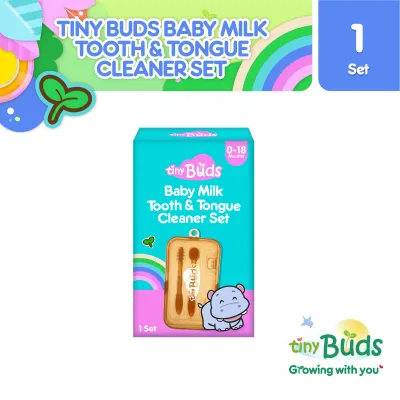
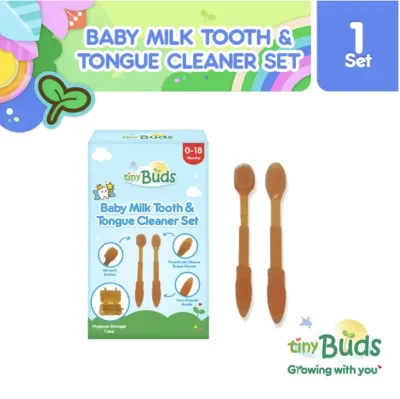
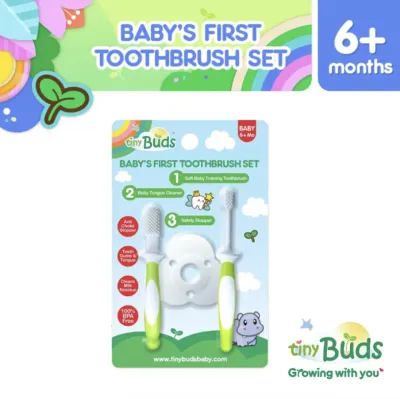
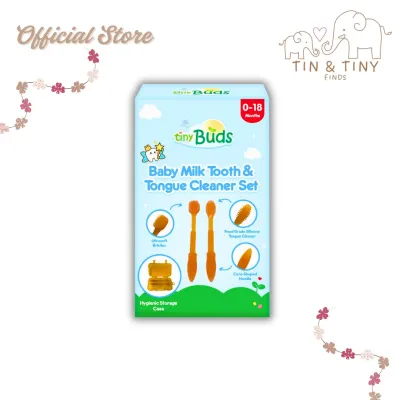
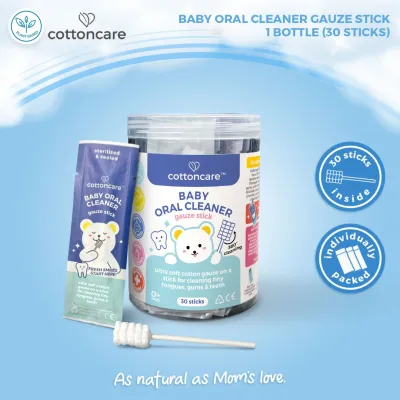
Prices are valid at publication and may change. Please refer to the product page for the latest price.
Chemical safety declarations are non-negotiable when it comes to items that go directly into an infant’s mouth. Always verify that the packaging explicitly states the product is BPA-free, PVC-free, and phthalate-free. Bisphenol A (BPA) and phthalates are plasticizers that can leach out of low-quality plastics, especially when exposed to warm water during cleaning or sterilization. Checking for these chemical-free declarations helps protect your baby from unnecessary chemical exposure during daily oral care.
Beyond chemical composition, the physical structure of the tongue cleaner requires a meticulous safety inspection. Look for a single-piece molded design when choosing silicone tools, as multi-part designs can have weak seams that may split over time. Any small detachable parts, such as poorly secured brush heads or decorative caps, present a severe choking hazard for infants. Ensure that the entire tool is structurally sound and that no components can easily break off under the pressure of a baby’s bite.
Finally, confirm that the product meets recognized infant safety standards indicated on the manufacturer’s label. Reputable brands will display compliance with international or local consumer product safety standards. If you are purchasing from an online marketplace or local baby boutique, take a moment to read the fine print on the back of the box to verify that the manufacturer has undergone proper quality control testing for infant use.
Comparing Tongue Cleaner Designs by Age and Development
An infant’s mouth changes rapidly during the first year of life, transitioning from a milk-only diet to solid foods and the emergence of the first primary teeth. Consequently, a tongue cleaner that works perfectly for a newborn may not be suitable or safe for an active eight-month-old baby. Matching the physical design and shape of the cleaner to your baby’s specific developmental stage ensures both safety and comfort.

For newborns and young infants who are solely milk-fed, silicone finger cots are an excellent starting tool. These are small, flexible sleeves that fit snugly over a parent’s index finger, featuring tiny, soft silicone ridges on one side. This design gives parents maximum tactile control, allowing you to feel exactly how much pressure you are applying to the baby’s delicate gums and tongue. Because you can feel the contours of your baby’s mouth, you can easily avoid inserting the tool too deeply.
As babies grow older and transition to chewing behaviors or begin to sprout their first teeth, their oral care needs evolve. For this stage, U-shaped or dual-head silicone brushes are often more appropriate. These designs are engineered to clean both the tongue and the newly emerging teeth simultaneously. The dual-head design typically features a textured tongue scraper on one side and ultra-soft silicone bristles on the other, allowing parents to clean different surfaces of the mouth in a single, efficient motion.
For parents who prefer a highly traditional or ultra-gentle approach, soft, sterile gauze wraps serve as an excellent temporary or alternative option. These are especially useful for highly sensitive mouths or during periods of intense teething when even soft silicone might feel too firm. To use these, parents wrap a sterile gauze strip around their clean finger, moisten it slightly with warm drinking water, and gently wipe the tongue. While effective, gauze wraps require careful handling to ensure they do not slip off the finger during use.
To help you weigh your options, the following comparison matrix outlines the pros, cons, and ideal age ranges for each primary tongue cleaner design:
| Design Type | Ideal Age Range | Key Advantages | Potential Limitations |
|---|---|---|---|
| Silicone Finger Cot | 0 to 6 months | High tactile control for parents; ultra-soft on gums | Limited reach as baby's mouth grows; parent's finger must fit |
| Dual-Head Silicone Brush | 6 months and older | Cleans teeth and tongue; durable for chewing | Larger profile may trigger gag reflex if inserted too deep |
| Sterile Gauze Wraps | 0 to 12 months (as needed) | Extremely gentle; disposable and highly hygienic | Requires manual wrapping; no textured ridges for scraping |
By selecting the design that aligns with your baby’s current milestone, you can make the daily cleaning routine a comfortable, stress-free experience for both you and your child.
Evaluating Market Options Like the Tiny Buds Tongue Cleaner
When browsing local baby stores or online marketplaces in the Philippines, you will likely encounter popular local brands such as Tiny Buds. Evaluating these specific market options requires a systematic framework to ensure the product matches your baby’s unique needs. Rather than relying solely on brand popularity, parents should analyze the physical attributes and manufacturer specifications of each product.
First, cross-reference the brand’s stated age recommendations with your baby’s actual developmental milestones. Some products, like the Tiny Buds tongue cleaner or gauze-based oral wipes, are specifically designed for newborns, while others are intended for toddlers with a full set of front teeth. Never assume a product is suitable for your baby based on the brand name alone; always check the age bracket printed on the front of the packaging to ensure it matches your baby’s current stage.
Next, examine the texture of the cleaning pads, bristles, or gauze surfaces. For delicate gum and tongue tissue, the cleaning surface must be exceptionally soft and non-abrasive. If you are looking at a silicone tool, gently press the bristles or ridges against the inside of your own wrist to test their flexibility. If you are evaluating disposable cotton wipes, ensure they are pre-moistened with natural, food-grade ingredients and free from artificial fragrances, alcohol, or harsh preservatives that could irritate your baby’s mouth.
Handle ergonomics are another critical factor to evaluate, especially if you are transitioning to a tool that your baby might attempt to hold. For parent-held tools, the handle should be long enough to keep your fingers safely outside the baby’s mouth while providing a secure, non-slip grip. A textured or rubberized handle prevents the tool from slipping suddenly if your baby moves unexpectedly during the cleaning process, reducing the risk of accidental throat irritation.
Finally, review the manufacturer’s specific care and sterilization instructions to ensure they fit seamlessly into your daily household routine. Some silicone tongue cleaners are compatible with steam sterilizers, UV sterilizers, and boiling water, while others may warp or degrade under high heat. If you use a UV sterilizer at home, verify that the material is certified as UV-safe, as certain plastics and low-grade silicones can become brittle and discolored when exposed to ultraviolet light over time.
Proper Cleaning, Storage, and Replacement Rules
Maintaining strict hygiene standards for your baby’s tongue cleaner is just as important as choosing the right material. Because these tools are used daily in a warm, moist environment, they can easily become breeding grounds for bacteria if not cleaned and stored correctly. Establishing a consistent maintenance routine protects your baby’s oral health and extends the lifespan of the product.
Always follow the manufacturer’s specific sterilization guidelines to the letter. If the product is dishwasher-safe or boil-safe, pay close attention to the recommended temperature limits and exposure times. For instance, boiling a silicone finger cot for too long can weaken the material, leading to premature tearing. If you prefer using chemical sterilizing tablets or UV sterilizers, ensure the product label explicitly approves these methods to avoid chemical residue or material degradation.
After sterilization, thorough air-drying is essential, particularly in the humid tropical climate of the Philippines. Store the cleaned tongue cleaner in a clean, well-ventilated area away from direct sunlight and moisture. Avoid placing wet tools inside sealed plastic travel cases or enclosed cabinets, as trapped moisture creates an ideal environment for mold and bacterial growth. If the product comes with a protective storage case, ensure both the case and the tool are completely dry before closing them.
Regularly inspect the tongue cleaner for visual signs of wear and tear before every single use. For silicone tools, look closely for micro-tears, discoloration, or a sticky texture, which indicate that the polymer is beginning to break down. For fabric or gauze-based tools, check for fraying threads, loose fibers, or thinning areas. If you detect any of these signs, discard the tool immediately to prevent pieces from detaching in your baby’s mouth.
Even if a tongue cleaner appears to be in perfect condition, it should be replaced on a regular schedule. As a general rule, reusable silicone finger cots and brushes should be replaced every two to three months of daily use, or sooner if your baby has recently recovered from an illness. Setting a recurring reminder on your phone can help you maintain a safe replacement schedule, ensuring that your baby’s oral care tools are always hygienic and structurally sound.
Frequently Asked Questions (FAQ)
How often should I clean my baby's tongue?
Pediatric dental professionals generally recommend cleaning your baby’s tongue once or twice a day, typically after the first morning feed and before bedtime. This routine helps remove milk residue and prevents the buildup of bacteria that can cause oral discomfort. However, you may need to adjust this frequency based on your baby’s feeding habits; for example, babies with heavy milk residue buildup may benefit from a gentle wipe after every major feeding. If you notice persistent white patches on your baby’s tongue or inner cheeks that do not wipe away easily with a gentle cloth, do not scrub harder; instead, consult your pediatrician, as this could be a sign of oral thrush, which requires medical treatment.
Can I use a regular adult toothbrush or household cloth for my baby?
No, you should never use an adult toothbrush or standard household cloths to clean your baby’s tongue or gums. Adult toothbrush bristles are far too stiff and abrasive for an infant’s delicate oral tissues, and they can easily cause painful micro-scratches or bleeding. Similarly, household washcloths and towels, even when freshly washed, can harbor microscopic bacteria, laundry detergent residues, and fabric softener chemicals that are unsafe for ingestion. Furthermore, loose threads or large pieces of household cloth present a serious choking hazard. It is essential to use purpose-built, infant-safe oral care tools designed specifically for the size and sensitivity of a baby’s mouth.
What should I do if my baby gags during tongue cleaning?
If your baby gags during tongue cleaning, it is usually a sign that the tool is being inserted too deeply or that the baby’s natural gag reflex is highly sensitive. To prevent this, adjust the depth and angle of the cleaning tool, focusing only on the front and middle portions of the tongue rather than reaching toward the back of the throat. If you are using a bulky tool, consider switching to a smaller, flatter, or softer design, such as a slim silicone finger cot or a thin gauze wrap, which takes up less space in the mouth. If your baby becomes highly distressed, cries, or resists the cleaning, stop the process calmly, comfort your baby, and try again later when they are relaxed, as forcing the process can create a negative association with oral hygiene.

Community discussion
Share your experience or ask a question. Comments are reviewed before publication.