
Choosing a safe and effective baby anti-fall pillow requires a careful evaluation of its structural design, material breathability, and physical fit relative to your child’s developmental stage. While these products are designed to cushion impacts during active play or floor transitions, they must never compromise basic safe-sleep principles or introduce new physical hazards. Parents must prioritize firm, breathable materials and secure fastening mechanisms that align with the baby’s current height and weight. By focusing on practical safety checks and environmental compatibility, you can select a protective aid that supports your baby’s physical milestones without introducing unnecessary risks.
Understanding Safety Boundaries and Age Appropriateness
Before introducing any protective gear into your child’s routine, it is essential to distinguish between different product categories and their intended environments. A baby anti-fall pillow is not a standard sleeping pillow. Standard pillows are not recommended for infants under one year of age due to the risk of sudden infant death syndrome and suffocation. Anti-fall pillows are specialized, temporary aids designed for supervised awake-time activities, such as when a toddler is learning to sit up, crawl, or take their first steps on play mats.
To ensure the product is appropriate for your child, always check the manufacturer’s labels for specific age, developmental stage, and weight limits. Infant development varies widely, and a product that is safe for a sturdy toddler may pose a hazard to a younger infant who lacks head control. Never rely solely on generic age recommendations; instead, match the product specifications to your baby’s actual physical milestones.
Products mentioned in this guide
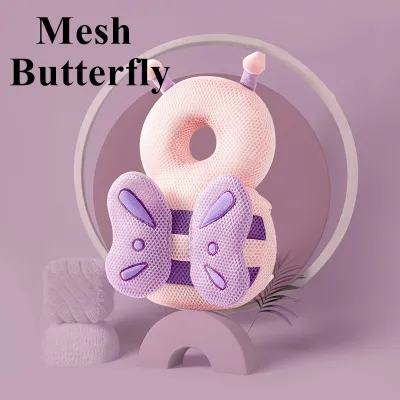
Prices are valid at publication and may change. Please refer to the product page for the latest price.
Clear boundaries must be established for when to stop using these pillows. If your baby begins to roll over, sit up independently, or attempt to climb out of their play area, certain bumper-style pillows must be removed immediately. In these scenarios, a bulky cushion can easily be used as a stepping stone, allowing the child to climb over safety gates or playpen walls, which increases the risk of a high-altitude fall. If you are ever uncertain about the developmental readiness of your child for a specific product, consult a pediatrician for professional guidance.
Evaluating Design Features for Effective Fall Prevention
When assessing the structural design of an anti-fall pillow, the height and edge configuration are critical factors. The cushioning must be thick enough to absorb the impact of a sudden backward or lateral fall, yet low enough to prevent the baby from using it to gain height. A well-designed floor cushion features tapered edges that minimize tripping hazards while still providing a soft landing zone for active toddlers.

Securing mechanisms are equally vital to ensure the pillow remains in place when needed. For wearable backpack-style anti-fall pillows, look for wide, adjustable shoulder straps made of soft, non-chafing fabric. These straps must hold the cushion securely against the baby’s back without pulling too tightly or restricting chest expansion. A chest buckle can help keep the straps from slipping off narrow shoulders, but it must be easy to release and positioned away from the neck to prevent chafing. For floor-based or playpen cushions, a robust non-slip bottom is necessary to prevent the pillow from sliding across smooth wooden or tiled floors when subjected to sudden movement.
The shape and contour of the pillow should match the specific activity your baby is engaging in. U-shaped or semi-circular layouts are highly effective for early sitting practice, as they wrap around the baby’s lower back and hips to provide lateral stability. Flat, modular layouts are better suited for lining the perimeter of a play yard, creating a continuous protective barrier without taking up excessive floor space where the baby needs to crawl.
Selecting Materials for Breathability, Firmness, and Hygiene
The internal filling of an anti-fall pillow determines both its protective capability and its safety profile. Overly soft fillings, such as loose polyester fiberfill or low-density foam, can conform to a baby’s face if they roll over, creating a serious suffocation hazard. Parents should perform a physical compression check before use: press your hand firmly into the center of the pillow. A safe, supportive cushion will resist deep compression and immediately spring back to its original shape, indicating sufficient density to absorb impact without bottoming out.
In warm and humid tropical climates, such as in the Philippines, heat retention is a significant concern for active babies. Look for outer covers made from 3D mesh fabrics, organic cotton, or bamboo-derived textiles that promote continuous airflow. High breathability prevents sweat accumulation, reduces the risk of painful heat rashes, and ensures that the baby’s airway remains unobstructed even if their face temporarily comes into contact with the surface.
Hygiene maintenance is another critical consideration when selecting materials. Daily use inevitably leads to exposure to drool, sweat, spilled milk, and diaper leaks. Choose a pillow with a fully removable, machine-washable outer cover to make cleaning straightforward. Additionally, an internal water-resistant liner is highly beneficial, as it prevents moisture from penetrating the core filling, thereby reducing the risk of mold, mildew, and bacterial growth in humid household environments.
Matching Size and Fit to Your Baby and Environment
A protective pillow can only function effectively if its dimensions are perfectly matched to the usage environment. Before purchasing a perimeter bumper or floor cushion, measure the exact length, width, and height of your playpen or designated play area. An ill-fitting cushion can leave dangerous gaps along the edges, creating entrapment zones where a baby’s hands, feet, or head could become wedged during active play.
For wearable backpack-style pillows, the physical fit on the baby’s body is paramount. The protective head ring or pad must align precisely with the back of the baby’s head when they are in an upright position. If the pillow is too large or sits too high, it can push the baby’s head forward into a chin-to-chest position, which can restrict their airway. Conversely, a pillow that is too small will fail to cover the vulnerable occipital region of the skull during a backward fall.
Verify the overall spatial compatibility of the pillow within your home setup. The introduction of protective cushions should not severely restrict the baby’s freedom of movement. If a playpen becomes overcrowded with bulky pillows, the baby may struggle to practice crawling, rolling, or standing, which can hinder their natural motor skill development. Ensure there is always ample open space for unrestricted movement.
Building Your Shortlist: A Condition-Based Shopping Checklist
When browsing online marketplaces or local baby boutiques, it is important to filter out low-quality products by verifying safety standard certifications. Look for clear compliance marks on the product packaging or within the manufacturer’s official description. Reliable manufacturers will openly disclose their material compositions, safety testing protocols, and compliance with international or local consumer product safety standards.
User reviews on e-commerce platforms can provide valuable insights into the real-world performance of an anti-fall pillow. Pay close attention to feedback regarding material durability, shifting fillings, or strong chemical odors upon unboxing. If multiple reviews mention that the straps tear easily, the non-slip backing fails to grip, or the fabric causes excessive sweating, these are clear indicators that the product may not be suitable for daily use.
Finally, always verify the seller’s return policies and warranty conditions before finalizing your purchase. Because physical fit and material firmness can only be truly assessed in person, having a flexible return window allows you to test the pillow’s compatibility with your baby and your home environment. If the pillow does not fit securely, feels too soft, or restricts your baby’s movement, you should be able to return or exchange it without hassle.
Frequently Asked Questions (FAQ)
At what age is it safe to introduce an anti-fall pillow?
An anti-fall pillow should only be introduced when your baby reaches the developmental stage where they are actively attempting to sit, crawl, or stand, which typically occurs around six months of age or later. Always consult the manufacturer’s minimum age and weight guidelines on the product label. It is crucial to wait until the baby has sufficient neck strength and head control to prevent their airway from being compromised by the weight or position of the pillow.
Can a baby anti-fall pillow be used inside a crib for sleeping?
No, an anti-fall pillow must never be used inside a crib or any sleep environment. Safe sleep guidelines dictate that a baby’s sleeping area must remain completely bare, free of pillows, blankets, bumpers, and soft toys, to minimize the risk of suffocation and sudden infant death syndrome. These protective pillows are strictly intended for supervised, awake-time activities on the floor or within a designated play area.
How do I clean and maintain the pillow to prevent mold?
To prevent mold and mildew, especially in humid climates, regularly wash the removable outer cover according to the manufacturer’s instructions, using a mild, baby-safe detergent. Ensure the cover and the inner cushion are completely dry before reassembling them, preferably by air-drying them in a well-ventilated area or under direct sunlight. Perform regular visual inspections of the internal filling to check for any signs of moisture retention, clumping, or unusual odors.

Community discussion
Share your experience or ask a question. Comments are reviewed before publication.