
Preparing a nursery for a newborn involves making choices that directly impact your baby’s sleep quality and physical safety. Among the various bedding options available, pranela—a soft, brushed cotton fabric—is highly valued by parents for its characteristic velvety texture and gentle warmth. While it is an excellent choice for keeping a baby cozy, selecting the right set requires looking past marketing buzzwords to evaluate the actual physical properties of the fabric.
In tropical climates like the Philippines, where humidity is high but air conditioning or cooler rainy season evenings can create a chilly indoor environment, balancing warmth and breathability is essential. A newborn’s skin is exceptionally thin and sensitive, making it highly reactive to rough textures and synthetic fibers. By focusing on fabric composition, precise fit, and construction quality, you can establish a sleep space that supports safe sleep practices.
Safe sleep guidelines emphasize that a newborn’s sleep surface must remain flat, firm, and entirely free of loose materials. This means that while a pranela bedding set might include various items, the fitted sheet is the most critical component. Understanding how to evaluate these products ensures you select bedding that keeps your baby comfortable without introducing unnecessary hazards to the crib.
Products mentioned in this guide
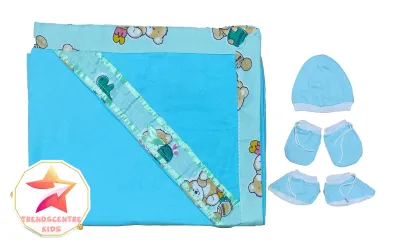
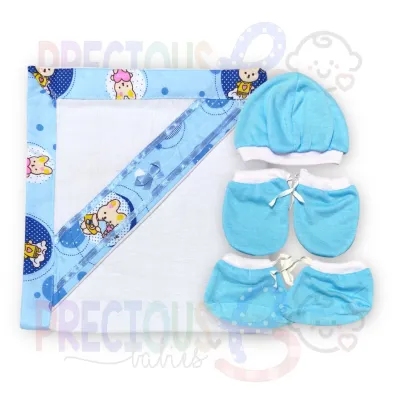
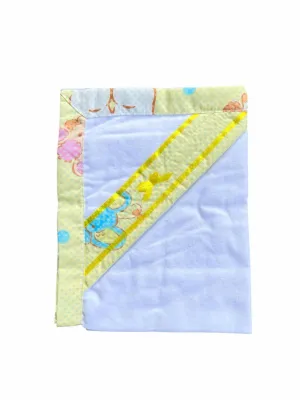
Prices are valid at publication and may change. Please refer to the product page for the latest price.
Understand Pranela Fabric and Weight vs. Thread Count
When shopping for standard cotton sheets, thread count is often highlighted as the primary indicator of quality. For pranela bedding, however, thread count is a misleading metric because the brushing process raises the fiber ends to create a soft nap, which alters the fabric’s structure. Instead of thread count, the quality, density, and warmth of pranela are measured by fabric weight, typically expressed in grams per square meter (GSM).
A higher GSM indicates a thicker, denser fabric that traps more air and provides greater warmth. For a newborn’s nursery, especially in a tropical environment, a moderate fabric weight is generally more versatile than an extremely heavy winter-grade weight. You should check the product packaging or the manufacturer’s online specifications for the GSM rating to ensure it matches your nursery’s typical ambient temperature.
The fiber composition of the pranela is another critical factor to verify before purchasing. Authentic, high-quality pranela is made from 100% brushed cotton, which offers natural breathability and allows moisture to escape. Some budget-friendly options may contain synthetic polyester blends, which can trap heat and sweat against your baby’s skin, potentially leading to heat rash or discomfort.
To protect your newborn’s sensitive skin, prioritize 100% cotton pranela over synthetic alternatives. Cotton fibers are naturally hypoallergenic and less likely to irritate a baby’s developing skin barrier. Always read the fiber content label carefully, as even a small percentage of synthetic material can significantly reduce the fabric’s breathability and moisture-wicking capabilities.
Verify Safety Labels and Material Claims
The baby product market is filled with terms like “organic,” “hypoallergenic,” and “baby-safe,” but these claims are not always backed by rigorous testing. To ensure your newborn is not exposed to harmful chemical residues, look for recognized, independent textile safety certifications on the product packaging. Certifications such as OEKO-TEX Standard 100 indicate that the fabric has been tested for a wide range of harmful substances.

When a manufacturer claims a product is organic, verify whether they reference a recognized standard, such as the Global Organic Textile Standard (GOTS). Rather than relying solely on the marketing claims printed on the front of the box, consult the manufacturer’s official website or product documentation to confirm these certifications are active and valid. This extra step helps you avoid products that use misleading labels to justify a higher price point.
Newborns are highly sensitive to volatile organic compounds (VOCs) and chemical finishes often used during textile manufacturing. When opening a new bedding set, pay close attention to any strong chemical odors, which can indicate the presence of harsh dyes, finishing agents, or unverified flame-retardant treatments. Safe baby bedding should have no noticeable chemical smell out of the package.
Some manufacturers apply chemical treatments to bedding to make them wrinkle-resistant or flame-retardant, but these chemicals can irritate a newborn’s respiratory system and skin. Opt for untreated, natural cotton pranela that relies on tight weaving and natural fibers for its properties. If a product label does not clearly state the origin of its dyes or the nature of its chemical treatments, it is best to look for an alternative with transparent manufacturing practices.
Ensure Proper Crib Sheet Size and Fit
Ensuring a secure fit is the most critical safety step when selecting newborn bedding. Loose bedding in a crib poses a severe risk of suffocation and physical entanglement. For this reason, you must only use fitted sheets with fully elasticized edges that wrap securely underneath the mattress, and completely avoid using loose blankets, flat sheets, or quilts in the crib.
Before purchasing any pranela bedding set, you must accurately measure your crib mattress. Use a firm measuring tape to record the exact length, width, and depth of the mattress, as standard crib sizes can vary slightly between manufacturers. Do not guess the dimensions, as even a discrepancy of a few centimeters can cause a fitted sheet to bunch up or slip off the corners.
Once you have measured the mattress, compare these dimensions with the product specifications of the pranela fitted sheet. The sheet must be designed to accommodate the specific depth of your mattress, including any mattress protectors you plan to use underneath. A sheet that is too shallow will easily pop off the corners, while a sheet that is too large will create dangerous folds of loose fabric.
After washing the sheet and placing it on the mattress, perform a physical snug-fit check. Try to slide two fingers between the mattress and the edge of the sheet; the sheet should feel tight and resistant to being pulled upward. If you can easily lift the sheet or if it creates loose pockets of fabric when you press down on the mattress, the fit is unsafe for a newborn, and you should discontinue its use.
Inspect Construction and Quality Details
Newborn bedding undergoes frequent washing due to spit-up, diaper leaks, and sweat, which means the construction must be exceptionally durable. Before placing a new pranela sheet on your baby’s bed, inspect the seam strength and stitching density along the edges and corners. High-quality bedding features tight, even stitching that prevents the fabric from fraying or unraveling under stress.
Examine the underside of the fitted sheet to ensure the elastic band is securely encased in a sturdy hem. Exposed elastic or loose threads can easily wrap around a baby’s fingers or toes, presenting a serious tourniquet hazard. If you notice any loose threads, dangling fibers, or unraveling seams, trim them immediately or return the product if the structural integrity is compromised.
Carefully inspect the bedding set for any decorative elements, such as ribbons, bows, drawstrings, or exposed zippers. While these features might look appealing in product photos, they pose significant choking and strangulation risks in a real sleep environment. The safest newborn bedding is entirely plain, relying on the quality of the fabric rather than decorative attachments.
Colorfastness is another quality indicator that directly impacts your baby’s skin health. Poorly dyed fabrics can bleed when exposed to moisture, sweat, or saliva, transferring chemical pigments directly onto your newborn’s skin. You can check for potential dye bleeding by reviewing care labels for color-run warnings and washing the bedding separately during its first cycle to observe any water discoloration.
Review Care Instructions and Longevity
Proper maintenance is essential to preserve the softness of pranela bedding while ensuring it remains hygienic and safe for your newborn. Always read the care label for specific washing temperature limits and drying instructions. Because cotton is prone to shrinking when exposed to high heat, washing pranela in hot water or drying it on a high setting can cause the fitted sheet to shrink, ruining its snug fit on the mattress.
Over time, pranela fabrics naturally develop small fiber balls, a process known as pilling. While pilling is a normal characteristic of brushed cotton, excessive pilling can make the surface feel rough against a baby’s delicate skin. To minimize pilling, wash the bedding inside out on a gentle cycle and avoid washing it alongside rough fabrics like denim or items with open zippers.
Avoid using liquid fabric softeners or dryer sheets when laundering newborn bedding. These products leave a chemical residue on the fibers that can drastically reduce the breathability and absorbency of the cotton, while also potentially irritating your baby’s sensitive skin and respiratory tract. Instead, rely on a mild, fragrance-free baby detergent to keep the fabric clean and naturally soft.
Always pre-wash all new pranela bedding before its first use in the nursery. Pre-washing removes manufacturing residues, dust from transit, and excess dyes that may still cling to the fabric fibers. This initial wash also allows you to observe how the fabric behaves, ensuring there is no unexpected shrinkage or dye bleeding before your newborn ever sleeps on it.
Frequently Asked Questions (FAQ)
How many pranela crib sheets should I prepare for a newborn?
When planning your nursery essentials, a practical approach is to prepare a minimum of three fitted pranela sheets. This allows you to establish a reliable rotation schedule: one sheet is in active use on the crib mattress, one is in the laundry basket or washing machine, and at least one clean backup is stored in the closet for unexpected middle-of-the-night diaper leaks or spit-ups. If you do not have easy access to daily laundry facilities, or if you live in a highly humid area where line-drying takes longer, increasing this number to four or five sheets can provide extra convenience and peace of mind.
Is pranela bedding safe for use in warm climates?
Pranela bedding can be used safely in warm climates like the Philippines, provided you actively monitor the nursery’s ambient temperature and your baby’s physical comfort. Because newborns cannot regulate their body temperature efficiently, they are highly susceptible to overheating, which is a known risk factor during sleep. If your nursery is air-conditioned or experiences cooler temperatures during the rainy season, a lightweight pranela sheet can keep your baby comfortable. However, you should regularly check your baby for signs of overheating, such as a damp neck, flushed cheeks, rapid breathing, or heat rash, and switch to lighter cotton sheets if the room becomes warm or humid.

Community discussion
Share your experience or ask a question. Comments are reviewed before publication.