
Choosing a baby carrier for a newborn in the Philippines requires balancing safety, ergonomic support, and heat management. In a tropical climate where high humidity and warm temperatures are daily realities, the right carrier must keep your baby secure while preventing overheating. Parents must prioritize structural features that support a newborn’s developing spine and hips, ensuring a custom fit that adapts to their rapidly growing bodies. Keeping your little one close fosters a strong sense of security and bonding, while keeping your hands free to manage daily tasks. However, because newborns have unique physiological needs, not every carrier on the market is suitable from day one. Understanding what makes a carrier safe, comfortable, and practical for the local climate is the first step toward a successful babywearing experience.
Essential Safety and Support Features for Newborns
Newborns lack the muscle strength to support their own heads, making dedicated neck and head support a critical feature. A suitable carrier must have a firm, adjustable collar or support panel that cushions the base of the skull without pushing the head forward. This prevents the chin from dropping toward the chest, which can restrict the airway. During the first few months, an infant’s neck muscles are highly underdeveloped, and any sudden movement or improper positioning can lead to physical strain. Therefore, the carrier’s upper panel must be high enough to cover the back of the baby’s head, providing a stable shield that keeps their neck aligned with their spine.
The positioning of the baby’s hips and legs is equally vital for healthy joint development. The carrier must support the “M-shape” or “froggy” position, where the baby’s knees are aligned higher than their hips, and the thighs are spread wide around the wearer’s torso. This ergonomic alignment keeps the femoral head securely inside the hip socket, reducing the risk of developmental hip dysplasia. Parents should look for a wide seat base that supports the baby from knee to knee, preventing the legs from dangling straight down.
Products mentioned in this guide


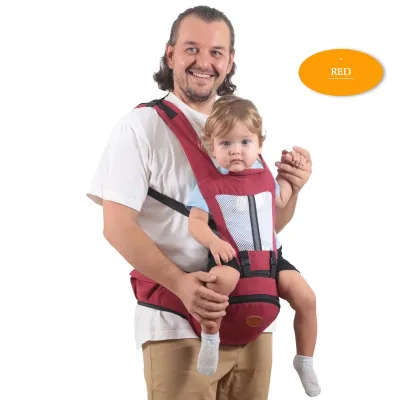
Prices are valid at publication and may change. Please refer to the product page for the latest price.
Airway safety is paramount, especially during the first few months of life. The baby’s face must always remain visible to the caregiver, and they should be positioned high enough on the chest to be easily kissed by tilting your head forward. This “close enough to kiss” rule ensures that you can constantly monitor their breathing, skin color, and overall comfort. The fabric of the carrier should never drape over the baby’s face, and there should always be a gap of at least two fingers between the baby’s chin and their chest to maintain an open airway.
Before using any carrier, caregivers must carefully read and verify the manufacturer’s specified minimum weight, age, and height limits. These specifications are typically printed on physical labels sewn into the carrier or detailed in the instruction manual. Never assume a carrier is safe for a newborn simply because of its brand name or general category; some structured carriers require a minimum weight of 3.2 kilograms or a specific developmental milestone before they can be safely used without additional accessories.
Types of Baby Carriers Suitable from Day One
Different carrier styles distribute the baby’s weight across the wearer’s body in distinct ways, using buckles, rings, or wrapped fabric to secure the infant. In the Philippines, where tropical heat and high humidity are constant factors, the choice of material is just as important as the structural design. Heavy, synthetic fabrics can trap heat and moisture, leading to discomfort and heat rashes for both the baby and the wearer. Opting for breathable, lightweight materials like cotton mesh, linen, or specialized performance fabrics helps facilitate airflow and keeps the baby cool during outdoor walks or daily chores.

Structured Carriers with Newborn Inserts
Structured carriers, often referred to as soft structured carriers (SSCs), offer excellent weight distribution through padded shoulder straps and supportive waistbands. However, many standard models have a seat that is too wide and a panel that is too tall for a newborn. To bridge this gap, some manufacturers require the use of a dedicated infant insert. These inserts are specially designed cushions or booster seats that lift the baby higher inside the carrier, ensuring their head clears the top of the panel and their legs are supported in the correct M-shape.
When shopping for a structured carrier, it is essential to check the product listings and packaging to confirm whether the infant insert is included in the purchase or sold separately. Using a carrier without its designated insert before the baby reaches the minimum weight or height threshold can lead to dangerous slumping and hip misalignment. Some modern structured carriers feature adjustable seat widths and panel heights that eliminate the need for a separate insert, allowing you to customize the fit using buttons, straps, or hook-and-loop fasteners.
While inserts provide necessary support, they also add extra layers of padding around the baby. In a tropical climate, this extra insulation can quickly cause overheating. Caregivers using padded inserts should monitor their baby closely for signs of heat stress, such as flushed cheeks, sweating, or rapid breathing. Choosing inserts made from breathable mesh fabrics and limiting outdoor use during the hottest parts of the day can help manage heat retention.
Stretchy Wraps and Ring Slings
Fabric-based carriers, such as stretchy wraps and ring slings, offer a highly customizable fit that mimics the snug environment of the womb. Stretchy wraps consist of a long piece of elastic fabric wrapped tightly around the wearer’s torso, allowing the baby to be tucked securely against the chest. This close contact promotes early bonding and skin-to-skin contact, which can help soothe fussy newborns. The soft fabric conforms perfectly to the baby’s natural spinal curve, providing gentle support without any hard pressure points.
However, both wraps and slings come with a learning curve. Tying a stretchy wrap requires practice to ensure the fabric is tensioned correctly—too loose, and the baby will sag, compromising their airway; too tight, and it may restrict breathing or cause discomfort. Similarly, ring slings, which use a piece of woven fabric threaded through two metal or plastic rings, require careful adjustment to ensure the fabric is spread evenly across the wearer’s shoulder and the baby’s weight is securely locked in place without any slippage.
It is also important to note the weight limits and transition points of these fabric carriers. Stretchy wraps are ideal for the first few months, but as the baby grows heavier, the elastic fabric will begin to sag under their weight, causing strain on the wearer’s shoulders and back. Most parents find they need to transition to a more supportive structured carrier once the baby reaches around 7 to 8 kilograms, making fabric wraps a temporary but highly beneficial solution for early infancy.
How to Evaluate Fit, Comfort, and Ergonomics
A baby carrier must be comfortable for both the infant and the adult wearer, especially if it will be used for extended periods. When evaluating a carrier, look closely at the adjustability of the shoulder straps and waistband. Some carriers feature cross-back straps (which cross in an “X” shape over the wearer’s back), while others use H-back straps (which run straight down like a backpack and connect with a chest clip). Cross-back straps are often preferred by petite wearers as they distribute weight more evenly across the shoulders and upper back, whereas H-back straps can be easier to clip on independently.
The waistband is another critical component for weight distribution. A wide, padded waistband helps transfer a significant portion of the baby’s weight from the wearer’s shoulders to their hips, reducing the risk of lower back strain. Look for waistbands with firm lumbar support panels, which help maintain proper posture while carrying. A well-designed waistband prevents the carrier from digging into your abdomen, which is particularly important for mothers recovering from childbirth.
For the baby, the carrier must provide a snug fit without causing physical discomfort. Check the leg openings to ensure the fabric does not dig into the baby’s thighs or restrict blood circulation. The edges of the carrier panel should be padded or made of soft fabric to prevent chafing around the baby’s neck and legs. Additionally, the baby’s arms should be positioned naturally, and their back should maintain a gentle, natural “C-curve” rather than being forced into an unnaturally straight position.
Because body types vary significantly, trying on a carrier before purchasing is highly recommended. If possible, visit a physical maternity shop or a baby gear specialty store in the Philippines to test different models. Many stores provide weighted dolls that simulate the feel of a newborn, allowing you to adjust the straps, practice buckling, and assess the overall comfort without the stress of handling a fussy baby. If buying online, look for detailed video tutorials demonstrating how to adjust the carrier for different body shapes.
Where to Buy and What to Verify Before Purchasing
To ensure the safety and authenticity of your baby carrier, it is crucial to purchase from authorized brand stores, physical maternity boutiques, or reputable online marketplaces. Counterfeit baby carriers are a significant safety hazard; they often use substandard stitching, weak plastic buckles, and fabrics treated with harmful chemicals. Saving money on an unverified replica is not worth the risk of a buckle snapping or fabric tearing while carrying your child.
Upon receiving your carrier, conduct a thorough physical inspection before placing your baby inside. Verify that all safety labels and manufacturer tags are intact and clearly legible. Check that the package includes a comprehensive instruction manual, which is essential for learning how to use the carrier safely. If the product comes with a warranty card, register it online with the manufacturer to receive safety alerts or recall notices. Inspect the stitching along the straps, waistband, and seat area to ensure there are no loose threads or weak seams.
Buying second-hand carriers is a popular way to save money, but it requires extra caution. Inspect the fabric closely for signs of wear, such as fraying seams, thinning material, or stretched-out elastic. Test every buckle multiple times to ensure they click securely into place and do not slip under tension. Ensure that all original components, including infant inserts, hood attachments, and strap covers, are present and undamaged. If a second-hand carrier shows any signs of structural compromise, it should be discarded immediately.
Finally, always review the seller’s return and exchange policy before finalizing your purchase. Even after careful research, you may find that a specific carrier does not fit your body shape comfortably or that your newborn does not tolerate it well. A flexible return policy allows you to conduct a thorough home trial and exchange the carrier for a style that works better for your family.
Frequently Asked Questions (FAQ)
Can I use a standard structured carrier without an infant insert?
Using a standard structured carrier without its required infant insert is highly discouraged and poses significant safety risks. Without the insert, a newborn’s head and neck will lack the necessary support, increasing the risk of airway obstruction if their head slumps forward or to the side. Additionally, the seat of a standard carrier is often too wide for a newborn’s short legs, which can force their hips into an unnatural, straight-legged position that increases the risk of hip dysplasia. Always consult the carrier’s instruction manual and physical labels to verify the exact minimum weight and height requirements before omitting the insert.
How do I know if my newborn's airway is clear in the carrier?
To ensure your newborn’s airway is clear, perform regular visual and physical checks while babywearing. The baby’s face must always be completely visible, with no fabric, clothing, or nursing covers blocking their nose and mouth. Ensure their head is positioned high enough on your chest that you can easily kiss the top of their head. Check that there is a space of at least two fingers between their chin and their chest to prevent airway constriction. Their back should be supported in an upright position to prevent them from slumping down into the carrier, which can cause their chin to drop and restrict their breathing.

Community discussion
Share your experience or ask a question. Comments are reviewed before publication.