
Finding the right horse rocking chair for your toddler in the Philippines requires balancing classic play value with modern safety standards. While these toys are excellent for helping young children develop balance, coordination, and spatial awareness, not every model on the market is suitable for every stage of early childhood. In a tropical climate where indoor play is often preferred during hot afternoons or heavy monsoon rains, a rocking horse serves as a reliable outlet for active energy. However, parents must look beyond aesthetics to evaluate structural integrity, material safety, and developmental fit before making a purchase.
Choosing the right rocking toy involves assessing your child’s current physical milestones rather than relying solely on the age recommendations printed on the box. Factors such as core strength, height, and weight play a critical role in determining whether a toddler can safely enjoy a rocking horse. Additionally, the materials must withstand local environmental conditions, such as high humidity, which can affect wood preservation and fabric hygiene. By focusing on verifiable safety features and structural designs, you can select a toy that provides hours of safe, active entertainment.
How to Match the Rocking Chair to Your Toddler's Developmental Stage
Rocking motion is more than just a fun activity; it plays a vital role in a toddler’s physical development. The rhythmic back-and-forth movement stimulates the vestibular system, which is responsible for balance and spatial orientation. As toddlers grip the handles and push with their legs, they strengthen their core muscles, refine their gross motor skills, and build confidence in their physical capabilities. However, to reap these benefits safely, the horse rocking chair must align precisely with your child’s current developmental stage.
Products mentioned in this guide
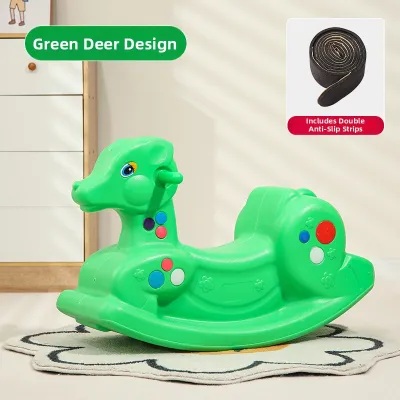
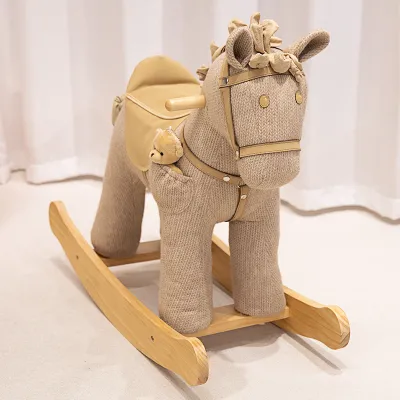
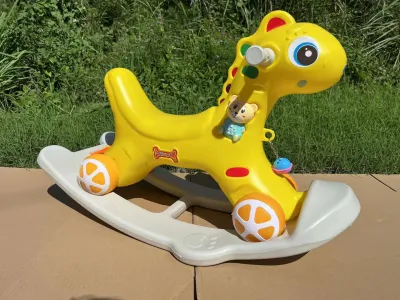
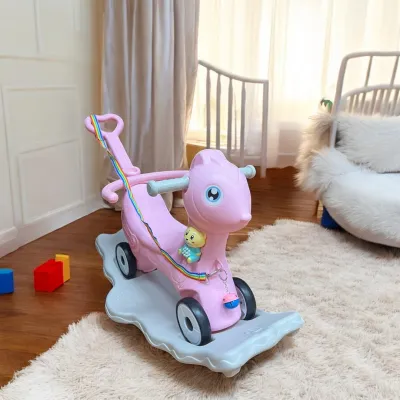
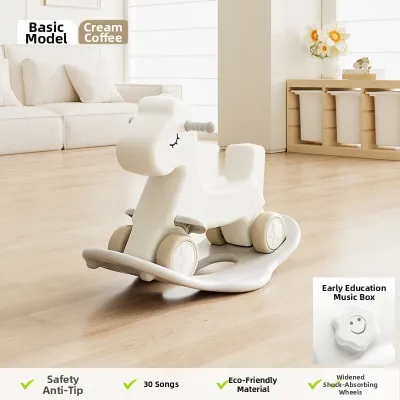
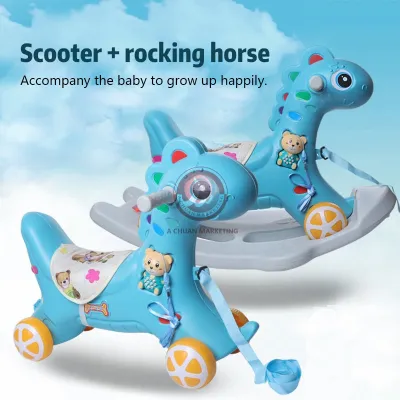
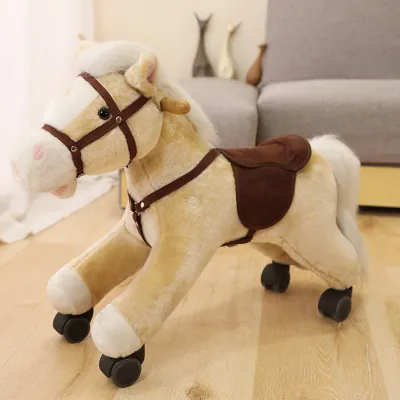
Prices are valid at publication and may change. Please refer to the product page for the latest price.
Instead of relying on broad age guidelines, which can be misleading due to the rapid and varied growth rates of toddlers, always prioritize the weight and height limits specified by the manufacturer. A child who is exceptionally tall for their age might find their knees bent too sharply, making it difficult to rock comfortably or safely. Conversely, a petite toddler might struggle to reach the handlebars or the footrests, compromising their stability. Before purchasing, measure your child’s inseam and compare it to the seat height listed in the product specifications to ensure a proper fit.
Seat depth and backrest support are critical considerations, especially for younger toddlers who are still developing their core stability. For children transitioning from infancy to toddlerhood, look for models that feature a high backrest and protective side rails or a safety harness. These supportive structures prevent the child from sliding sideways or falling backward if they lose their balance during a sudden movement. As your child grows and gains complete control over their torso, you can transition them to open-seated designs that allow for greater freedom of movement.
Footrest placement is another essential factor that directly impacts safety and tipping prevention. A safe rocking horse should allow your toddler’s feet to rest flat on the footrests or the floor when they are seated. If their legs dangle without support, they will struggle to control the rocking momentum, increasing the risk of the chair tipping over. Furthermore, having a solid footrest allows the child to use their leg muscles to initiate and stop the motion, giving them full agency over their play and reducing the likelihood of over-rocking.
Essential Safety Features to Check Before Buying
When evaluating different horse rocking chairs on online marketplaces or in local physical stores, safety must be your primary filter. The structural design of the rocker base is the first line of defense against accidents. Look for a wide, low-slung base that distributes weight evenly across the floor. Additionally, high-quality rocking horses feature integrated anti-tip stoppers—extended curved ends on the wooden or plastic runners that physically limit the rocking angle. These stoppers prevent the chair from flipping backward or forward, even when an energetic toddler rocks with maximum force.

The handlebars are the primary point of contact and control for your child, making their design and attachment security paramount. Check that the handlebar grips are thick enough for small hands to grasp firmly but not so wide that a toddler’s fingers cannot wrap around them completely. The material should be non-slip, such as textured wood, rubber, or ribbed plastic, to prevent hands from slipping during active play. Most importantly, verify that the handlebars are bolted securely through the main frame of the horse rather than simply glued or screwed into the surface, as they must support the child’s full pulling weight.
Material safety is a major concern, particularly in the Philippines where high humidity can accelerate the degradation of low-quality finishes. If you are choosing a wooden rocking horse, ensure that the wood is completely smooth, free of splinters, and treated with non-toxic, paint or water-based varnishes. For plastic or plush models, verify that the materials are free from harmful chemicals such as phthalates and bisphenol A (BPA). Plush fabrics should be tightly stitched to prevent fibers from shedding, which can cause respiratory irritation or pose a choking hazard if swallowed.
Finally, inspect the toy thoroughly for potential pinch points and small detachable parts. Examine the joints where the rocking horse connects to the base; there should be no gaps where tiny fingers or toes could get pinched during motion. Avoid models with elaborate decorative accessories, such as loose reins, long yarn manes, or plastic buttons, which can easily be pulled off by a curious toddler. Any small component that can fit entirely inside a standard testing cylinder is a potential choking hazard and should be avoided on toys intended for children under three years old.
Comparing Design Types: Wooden vs. Plush Rocking Horses
Choosing between a traditional wooden rocking horse and a modern plush version involves weighing several practical trade-offs, particularly regarding durability, maintenance, and your home environment. Wooden models are celebrated for their classic aesthetic and exceptional longevity. They are highly stable due to their solid weight distribution, making them less likely to slide across polished tile or wood floors. From a hygiene perspective, wooden rocking chairs are incredibly easy to maintain; a quick wipe with a damp cloth and a mild, child-safe sanitizer is usually all that is needed to keep them clean.
Plush rocking horses, on the other hand, offer a softer, more cushioned experience that many toddlers find comforting. The padded seat and fabric body provide a gentle barrier against minor bumps and bruises if a child loses their balance. However, plush models require a higher level of maintenance, especially in humid tropical climates where fabric can easily trap dust, sweat, and moisture, leading to mold growth or dust mite accumulation. If you opt for a plush model, look for designs that feature removable, machine-washable fabric covers to ensure you can keep the toy hygienic.
Space and flooring compatibility are also key factors when deciding between these two design types. Wooden rocking horses tend to have a slightly larger footprint and can be heavy to move from room to room, making them better suited for dedicated play areas. They can also scratch delicate hardwood floors if used without a protective mat. Plush models are often lighter and easier to relocate, but they may slide more easily on slick tile floors. Consider placing a non-slip play mat underneath either type of rocking horse to protect both your floors and your child.
Where to Shop and How to Verify Product Claims
Navigating online marketplaces and physical baby boutiques in the Philippines requires a critical eye to ensure you are getting a genuine, safe product. When browsing online listings, do not rely solely on promotional titles that use buzzwords like “perfect” or “completely safe.” Instead, scroll down to the technical specifications to verify the actual dimensions, maximum weight capacity, and materials used. If a listing lacks detailed measurements or fails to specify the type of wood or plastic used, contact the seller directly for clarification before making a purchase.
User reviews are an invaluable resource for uncovering potential quality issues that are not visible in polished product photos. Look specifically for reviews written by parents who have used the product for several weeks or months. Pay close attention to comments regarding structural stability, loose screws, peeling paint, or fabric shedding. If multiple reviews mention that the horse tips over easily or arrived with missing assembly hardware, it is best to look for an alternative option.
Before finalizing your purchase, verify the seller’s return policies and the availability of local after-sales support. Because rocking horses are subject to repetitive physical stress, structural defects can occasionally manifest after a few days of use. While prices can range from ₱1,500 for basic plastic models to over ₱5,000 for premium wooden or plush designs, purchasing from established local baby gear stores or official brand stores on major e-commerce platforms often provides better consumer protection and easier communication if you need replacement parts.
Safe Setup and Daily Supervision Guidelines
Once you have selected and purchased the ideal horse rocking chair, proper setup and active supervision are essential to prevent playtime accidents. Always assemble the rocking horse on a flat, level, and non-slip surface. Avoid placing the toy on thick, plush carpets that can compromise the stability of the runners, or on highly polished tiles where the base might slide. Ensure the play area is completely clear of hazards, keeping the rocking horse well away from stairs, glass doors, sharp wall corners, and hard furniture edges that could cause injury if a fall occurs.
Active supervision is non-negotiable when a toddler is using a rocking horse. Even the most stable, anti-tip designs cannot completely eliminate the risk of a fall if a child attempts to stand on the seat or rock too vigorously. Always stay within arm’s reach of your toddler while they are playing, ready to stabilize the toy or assist them if they lose their balance. Use playtime as an opportunity to teach your child safe riding habits, such as keeping both hands on the handlebars and both feet on the footrests at all times.
Finally, establish a routine maintenance schedule to keep the rocking horse in safe working condition. The repetitive back-and-forth motion of rocking can gradually loosen screws, bolts, and joints over time. Inspect the toy weekly, tightening any loose hardware with the appropriate tools. Check wooden models for any signs of cracking or splintering, and inspect plush models for loose seams or exposed internal frames. Taking a few minutes each week to perform these basic checks ensures that your toddler’s favorite toy remains safe for continuous play.
Frequently Asked Questions (FAQ)
At what age can a toddler safely start using a rocking horse?
Most toddlers can begin using a basic rocking horse around 12 to 18 months of age, provided they can sit up completely unassisted and maintain their core balance while moving. However, physical development varies greatly from child to child. Always check the manufacturer’s specific minimum age and weight recommendations, and ensure your child’s feet can comfortably reach the footrests or the floor before allowing them to ride.
How do I clean and maintain a plush rocking horse?
To clean a plush rocking horse, first check the manufacturer’s care label to see if the fabric cover is removable and machine-washable. If the cover cannot be removed, spot-clean the fabric using a damp cloth, mild baby-safe detergent, and warm water, taking care not to saturate the material. Ensure the toy dries completely in a well-ventilated area, away from direct sunlight, to prevent mold growth and protect the internal wooden or metal frame from moisture damage.

Community discussion
Share your experience or ask a question. Comments are reviewed before publication.