
Securing a kitchen requires addressing one of the most attractive appliances for a curious toddler: the refrigerator. In the Philippines, where kitchens are often the bustling heart of the home, a refrigerator magnetic door lock serves as an essential safety barrier. These specialized locks keep heavy doors firmly shut, preventing young children from accessing spoiled food, heavy glass jars, or raw ingredients. By utilizing a magnetic key or a concealed release mechanism, these locks offer a sleek, low-profile alternative to bulky plastic latches that toddlers can easily bypass or break. Selecting the right lock involves understanding your appliance’s layout, evaluating adhesive performance in tropical climates, and establishing consistent safety habits.
Why Refrigerators Need Dedicated Baby-Proofing
Toddlers love to pull, climb, and explore their surroundings, making the kitchen a high-risk area. The heavy door of a refrigerator can easily pinch delicate fingers if it swings shut unexpectedly or if a child tries to close it. Furthermore, some children may attempt to use the lower shelves or drawers as steps to climb higher, which can lead to the appliance tipping forward or the shelves collapsing under their weight. Securing the door prevents these physical accidents before they occur.
Refrigerators also store a variety of items that are unsafe for direct toddler consumption. Raw meats, poultry, and seafood carry harmful bacteria like Salmonella or E. coli, which can cause severe foodborne illnesses in young children. Additionally, many households store condiments, alcoholic beverages, carbonated drinks, or even temperature-sensitive medications in the refrigerator door. A secure lock ensures these hazards remain completely out of reach of curious hands.
Products mentioned in this guide
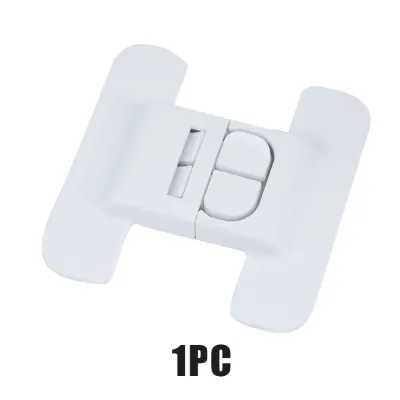
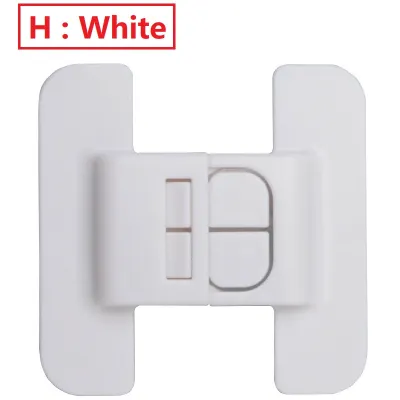
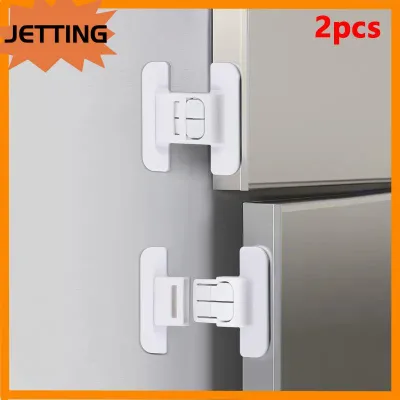
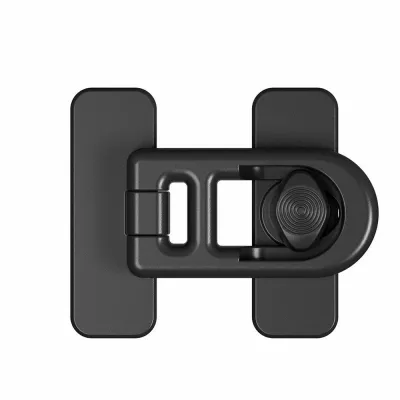
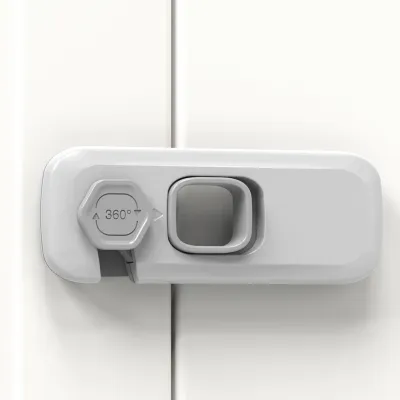
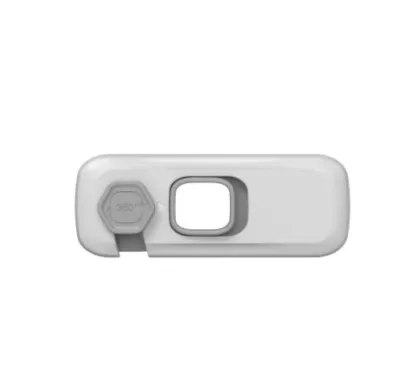
Prices are valid at publication and may change. Please refer to the product page for the latest price.
While modern refrigerators are designed to open from the inside, a small child who manages to crawl into a large bottom freezer or a spacious fresh-food compartment can still face extreme danger. The cold temperatures can rapidly lead to hypothermia, and the airtight seal poses a severe suffocation risk if the door latches shut behind them. Preventing unauthorized entry is the most effective way to eliminate this high-risk scenario and ensure peace of mind for caregivers.
Key Features to Evaluate in a Magnetic Door Lock
When shopping on online marketplaces, look closely at the manufacturer’s rated holding force. A reliable lock should withstand a pull force of at least 20 to 30 pounds to resist the determined tugging of a growing toddler. Verify these specifications in the product documentation rather than relying solely on promotional images, as older or stronger toddlers can exert surprising leverage when trying to open a door.

Consider how the lock is disengaged during daily kitchen tasks. Magnetic key systems require you to place a handheld magnetic key over a specific external spot to release the internal latch. Other models feature hidden push-buttons or dual-action switches that require adult finger strength and coordination. Choose a mechanism that fits your household’s workflow while remaining completely baffling to a child under three years old.
Kitchen appliances undergo constant use, meaning the lock will experience repeated impacts and tension. Ensure the lock housing is constructed from high-quality, non-toxic, BPA-free ABS plastic or reinforced nylon. These materials resist cracking and warping, even when exposed to the temperature fluctuations common in Philippine kitchens, where ambient heat can rise significantly during cooking.
In the tropical climate of the Philippines, high relative humidity can rapidly degrade standard adhesives. Look for locks equipped with heavy-duty, moisture-resistant acrylic foam tape, such as 3M VHB or an equivalent high-bond adhesive. The adhesive must be rated for high-temperature and high-humidity environments to prevent the lock from peeling off when the kitchen gets warm and damp.
Matching the Lock to Your Refrigerator Type
French door and side-by-side configurations present a unique challenge because both doors must be secured simultaneously. A center-gap magnetic lock or a dual-door synchronization strap is often the most effective choice. These systems bridge the gap between the two doors, ensuring that pulling on one door does not allow the other to swing open. Verify that the gap width on your appliance matches the lock’s specifications before purchasing.
For standard single-door refrigerators or units with separate top or bottom freezer compartments, a side-hinge or top-mount magnetic lock is ideal. These locks mount on the side of the appliance frame and latch onto the door itself. To maximize leverage resistance, install the lock as high as possible on the door, well out of your toddler’s reach and at a point where pulling from the bottom yields the least mechanical advantage.
The exterior finish of your refrigerator plays a major role in adhesive bonding. Smooth, painted metal surfaces provide the most reliable bond, while textured stainless steel, fingerprint-resistant coatings, or glass panels require specialized care. Check the manufacturer’s instructions to confirm compatibility with your specific appliance finish, as some high-bond adhesives may struggle to adhere to heavily textured or oil-repellent surfaces.
Installation and Safety Verification Checklist
Before mounting any adhesive lock, the application surface must be completely free of grease, dust, and moisture. Clean the area thoroughly using isopropyl alcohol and a microfiber cloth. Avoid using household glass cleaners or multi-surface sprays, as they often leave behind a thin residue that prevents the adhesive from forming a permanent bond. Allow the surface to dry completely in the humid air before proceeding.
Once the lock is positioned and pressed firmly onto the surface, resist the temptation to test it immediately. Most high-bond adhesives require a full 24 to 72 hours to cure completely and reach their maximum holding strength. Keep the lock disengaged or use alternative supervision during this curing period. After the curing time has elapsed, perform a gentle pull-test to verify that the adhesive bond is secure and does not flex or peel.
If you select a magnetic key system, keeping track of the key is vital for both safety and convenience. Store the magnetic key on a high metallic surface, such as the side of the microwave or a wall-mounted magnetic strip, well out of your child’s sight and reach. Avoid leaving the key sitting on top of the refrigerator, as toddlers quickly learn to mimic adult actions and may attempt to reach or climb for it. Consider purchasing a set that includes a backup key to avoid being locked out of your own appliance.
Regularly inspect the lock for signs of wear, especially in warm, humid environments. Check for hairline cracks in the plastic, loose adhesive edges, or a decrease in magnetic attraction. If you notice any degradation, or if your child reaches an age and weight where they can overpower the lock, immediately remove and replace the unit. Always prioritize active caregiver supervision over any mechanical safety device.
Alternative and Supplementary Safety Measures
While a magnetic lock provides an excellent physical barrier, organizing your refrigerator’s interior adds an extra layer of safety. Keep raw meats, glass containers, and potential hazards on the highest shelves. Use locked or latched internal bins for medications or small food items, ensuring that even if the main door is accidentally left open, the most dangerous items remain secured.
Many modern refrigerators come equipped with built-in door-ajar alarms that beep when the door is left open for more than a minute. If your appliance lacks this feature, you can install an inexpensive aftermarket magnetic door alarm. These battery-operated sensors emit a clear alert when the magnetic contact is broken, immediately notifying you if a child has managed to open the door.
For complete peace of mind, consider restricting access to the kitchen entirely. Installing a sturdy, hardware-mounted safety gate at the kitchen entrance prevents toddlers from entering the cooking area unsupervised. This environmental barrier protects them not only from the refrigerator but also from other kitchen hazards like hot stoves, sharp utensils, and heavy trash cans.
Frequently Asked Questions (FAQ)
Will the Adhesive Damage My Refrigerator's Finish?
High-quality baby-proofing adhesives are designed to be strong yet removable without causing permanent damage to your appliance’s finish. To safely remove a lock, apply gentle heat from a hair dryer to soften the adhesive backing, then slowly peel it away using a plastic scraper or dental floss. Any remaining sticky residue can be cleaned off with a mild adhesive remover or eucalyptus oil. Always test a small, inconspicuous area first, especially on textured or custom-painted finishes, to ensure the surface coating remains intact.
Can Toddlers Figure Out How to Use the Magnetic Key?
Toddlers are highly observant and learn rapidly through mimicry. If they watch you use the magnetic key to open the refrigerator, they may attempt to find and use the key themselves. To prevent this, always store the key completely out of their line of sight and avoid operating the lock while your child is watching closely. Using a decoy storage location or a lock with a dual-action release mechanism can provide additional security against clever toddlers who have mastered basic problem-solving skills.
What Should I Do if the Lock Stops Holding the Door Closed?
If your magnetic lock fails to hold the door secure, immediately inspect the unit to identify the cause of the failure. Check if the adhesive backing has begun to lift or peel, which is common in humid climates, and replace the tape with a fresh piece of heavy-duty mounting tape if necessary. Inspect the plastic housing for stress fractures or warping, and clean the magnetic contact points to remove any dust or kitchen grease that might interfere with the magnetic pull. If the structural integrity of the plastic or the magnet itself is compromised, replace the entire lock assembly immediately to maintain a safe environment.

Community discussion
Share your experience or ask a question. Comments are reviewed before publication.