
Starting solids is a major milestone for families in the Philippines, marking a transition from exclusive milk feeding to a world of diverse textures and flavors. Choosing the right plate, spoon, and fork set for kids involves balancing safety, developmental readiness, and practical maintenance. The ideal set should feature food-grade, shatterproof materials, ergonomic shapes that fit tiny hands, and reliable stability to withstand enthusiastic self-feeding sessions. By focusing on these core elements, parents can foster independence while keeping mealtime safe and manageable.
Why Babies Starting Solids Need Specialized Tableware
Babies transitioning to solids around six months of age are still developing their palmar grasp and hand-eye coordination. They cannot easily hold standard adult cutlery, which requires a mature pincer grasp and refined wrist rotation. Standard household utensils are often too long, heavy, and sharp, leading to frustration and potential injury when a baby attempts to feed themselves.
Specialized tableware is designed to work with a baby’s natural developmental progression. Short, wide handles allow infants to grip utensils with their whole fist, encouraging them to guide food to their mouths independently. This hands-on exploration builds motor skills and sensory confidence, making mealtimes an active learning experience rather than a passive chore.
Products mentioned in this guide
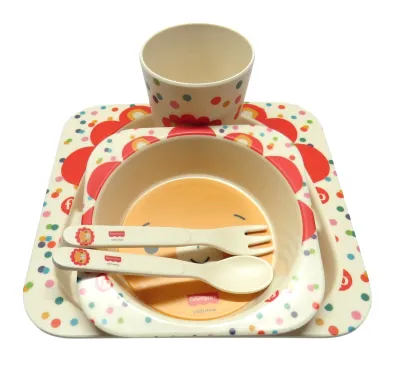
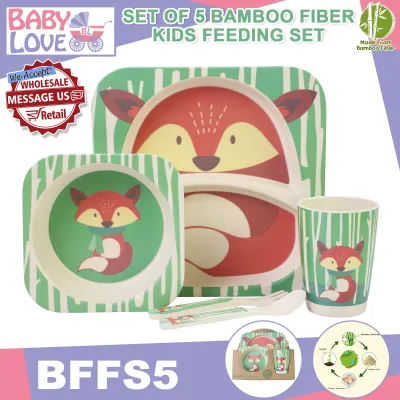
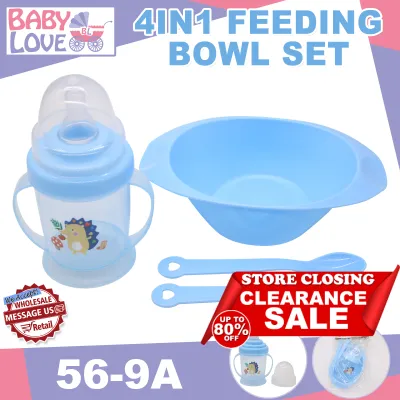
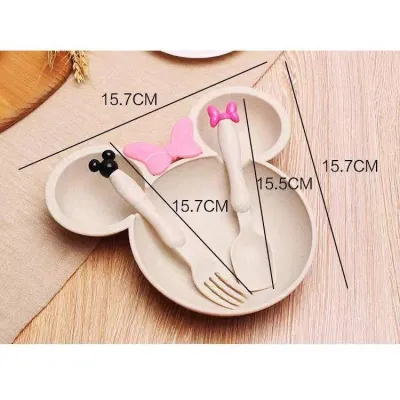
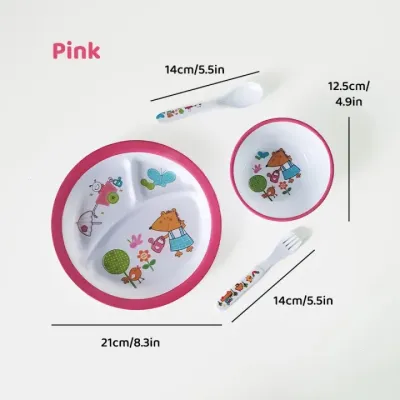

Prices are valid at publication and may change. Please refer to the product page for the latest price.
Safety is another critical reason to transition to dedicated baby tableware. Standard ceramic or glass plates pose a significant risk of shattering if dropped from a high chair onto hard tile floors, which are common in Philippine homes. Furthermore, adult forks have sharp metal tines that can injure delicate gums, while large spoon bowls can overload a baby’s mouth, increasing the risk of gagging. Dedicated baby tableware mitigates these risks by using soft, flexible, and durable materials sized appropriately for infant anatomy.
Key Features to Evaluate in a Plate, Spoon, and Fork Set
Parents must prioritize non-toxic, food-grade materials when selecting tableware. Look for products labeled as 100% food-grade silicone or BPA-free plastics. Avoid materials like melamine for microwave use, as high temperatures can cause chemical migration, and steer clear of fragile glass or ceramic. While bamboo is an option, the humid tropical climate of the Philippines means wooden and bamboo items require meticulous drying to prevent mold growth, making silicone or high-quality plastic more practical for many households.

Plate stability is highly beneficial during the early stages of self-feeding. A strong suction base keeps the plate firmly attached to the high chair tray, preventing the entire meal from being swept onto the floor. Look for wide, continuous suction cups rather than small, localized ones, and ensure the plate has high, curved walls. These raised edges give babies a surface to push food against, making it easier to scoop up purees or small pieces.
Utensil ergonomics play a vital role in how quickly a baby learns to self-feed. The first spoons and forks should have short, bulbous handles that fit comfortably in a baby’s palm. Soft, flexible tips made of silicone protect sensitive, teething gums from impact. The spoon bowl should be shallow to allow the baby to clear the food easily with their upper lip, while early forks should feature blunt, rounded prongs that can pierce soft foods without posing a puncture hazard.
In tropical environments, ease of cleaning is crucial for preventing bacterial growth. Verify whether the set is dishwasher-safe and microwave-compatible by checking the manufacturer’s packaging. Some materials degrade quickly under high heat, while others are prone to absorbing strong food pigments, such as those from local squash or tomato-based dishes. Checking the care instructions ensures the set remains hygienic and durable over months of daily use.
Matching Tableware to Your Feeding Approach
If you are starting with traditional purees, the initial focus should be on caregiver-led feeding tools. These spoons typically feature longer, slender handles that allow parents to scrape the bottom of baby food jars or bowls comfortably. The spoon bowl must be narrow and shallow to match the baby’s small mouth opening, ensuring a smooth transfer of food without spilling or triggering the gag reflex.
For families practicing Baby-Led Weaning (BLW), where the baby feeds themselves finger foods from the start, the requirements shift. A divided suction plate is highly useful for presenting different food groups separately, allowing the baby to explore textures and colors at their own pace. Utensils for BLW should feature textured collars or shields to prevent the baby from inserting the spoon too far into their throat, alongside pre-spoon designs that hold purees through surface tension rather than deep scooping.
As your child grows and refines their motor skills, their tableware needs will evolve. Transitional sets often feature removable suction bases, allowing the plate to function as a standard toddler plate later on. Utensils may gradually transition from soft silicone to slightly firmer, BPA-free plastic or stainless steel with rounded edges, helping toddlers practice the precise cutting and piercing motions required for adult cutlery.
Pre-Purchase Safety and Specification Checklist
Always verify the manufacturer’s age recommendations on the packaging before purchasing. Some sets are designed specifically for early weaning at six months, while others are intended for toddlers aged twelve months and older. Matching the product to your child’s current developmental stage ensures the utensils are neither too large nor too complex for them to handle safely.
Upon unboxing any new tableware set, conduct a thorough physical inspection. Check for any manufacturing defects, such as sharp plastic seams, loose silicone parts, or uneven surfaces. Ensure that suction cups adhere firmly to flat surfaces and that there are no small, detachable components that could pose a choking hazard.
Carefully read the manufacturer’s guidelines regarding sterilization, washing, and heating. Some silicone items can withstand boiling water or steam sterilizers, while certain plastics may warp or release chemicals under extreme heat. Adhering to these instructions prevents premature material degradation and maintains the structural integrity of the tableware.
Regularly inspect the tableware for signs of wear, especially once your baby starts developing teeth. Look for deep bite marks, tears in the silicone, or cracks in the plastic where bacteria could accumulate. If you notice any structural damage, peeling surfaces, or persistent discoloration that compromises the material, stop using the set immediately and replace it to ensure your child’s safety.
Frequently Asked Questions (FAQ)
When should I introduce a fork to my baby?
Most babies are ready to start practicing with a fork around 12 to 15 months of age, though some may show interest earlier if they observe family members using them. Look for signs of readiness, such as a developed pincer grasp, the ability to bring a spoon to their mouth consistently, and an interest in piercing soft foods. Early forks should have blunt, rounded prongs made of silicone or soft plastic to prevent accidental pokes to the gums or eyes. Always supervise your child closely during practice sessions, and start with soft, easily pierceable foods like steamed carrots, banana slices, or soft pasta.
How do I clean and maintain silicone baby plates to prevent odors?
Silicone is a highly durable and safe material, but its porous nature means it can sometimes absorb oils and soap scents, leading to a persistent soapy or musty smell. To prevent this, wash the plates immediately after meals using a mild, fragrance-free dish soap and warm water. Avoid using harsh abrasive sponges that can create micro-scratches where oils can settle. If an odor develops, you can neutralize it by soaking the plate in a mixture of warm water and white vinegar, or by applying a paste of baking soda and water, letting it sit for a few hours before rinsing thoroughly. Always ensure the tableware is completely dry before storing it in a cool, well-ventilated cupboard to prevent mold growth in humid tropical climates.

Community discussion
Share your experience or ask a question. Comments are reviewed before publication.