
Starting the weaning journey is an exciting milestone that introduces your baby to a world of new textures, flavors, and motor skills. To make this transition smooth and minimize the inevitable mess, choosing the right plate set is essential. The ideal plate set for a weaning baby should feature a strong suction base to prevent spills, divided sections to organize different food groups, and a durable, food-safe material that can withstand daily use. By matching these design elements to your child’s current physical abilities, you can foster independence at the dining table while keeping mealtime manageable.
Match Plate Features to Your Baby's Developmental Stage
During the initial stages of weaning, typically around six months of age, babies are just beginning to explore how to grasp objects and bring them to their mouths. At this point, their motor skills are highly uncoordinated, and any loose dish on a highchair tray is likely to be swiped onto the floor. For early weaning exploration, prioritizing a plate with a highly reliable suction base is crucial. This keeps the vessel anchored, allowing your baby to focus entirely on touching, grabbing, and tasting their first purees or soft finger foods.
In addition to a strong anchor, the physical profile of the plate matters immensely during these early weeks. Shallow edges are particularly beneficial for infants who are still using their entire palms to scoop up food. If the walls of the plate are too high or steep, a baby may struggle to reach the food, leading to frustration. A shallow, gently sloped design allows tiny fingers to easily sweep food toward the edge and into their grasp, supporting their natural hand-to-mouth coordination.
Products mentioned in this guide

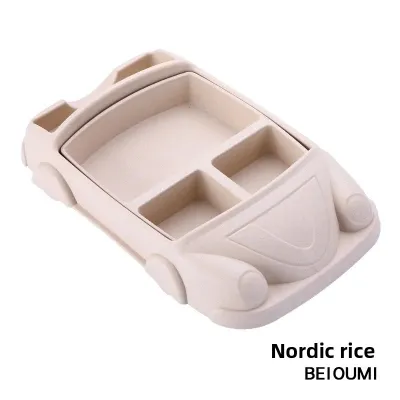
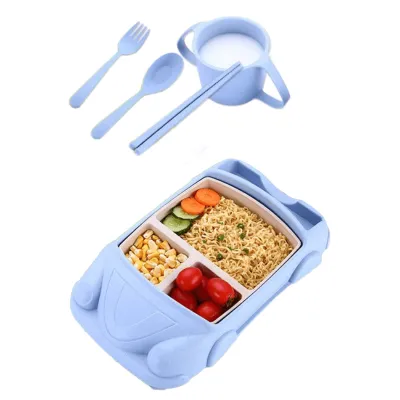
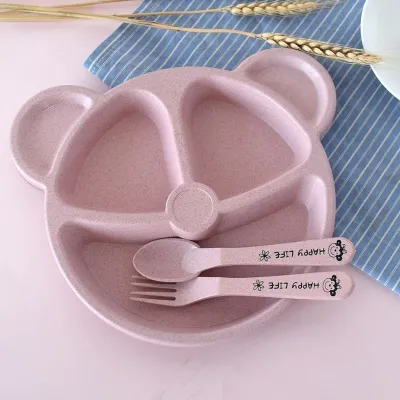
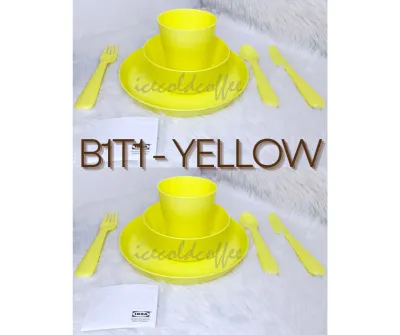
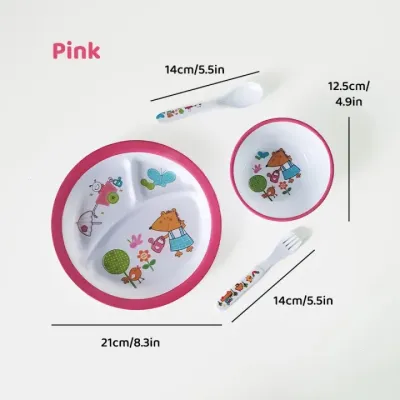
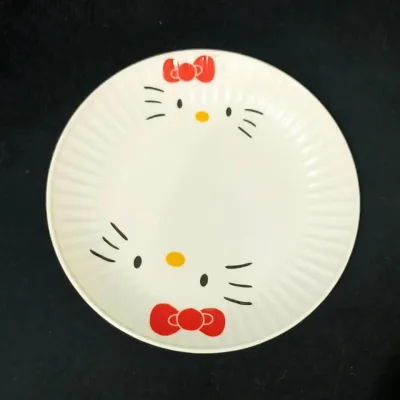
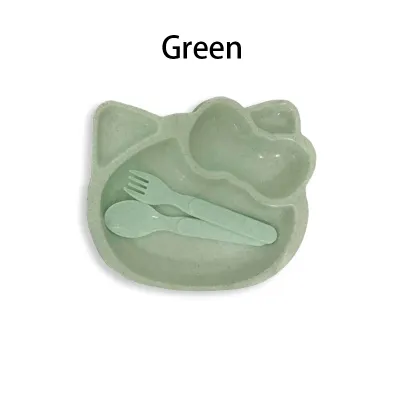
Prices are valid at publication and may change. Please refer to the product page for the latest price.
As your baby grows and reaches the advanced self-feeding stage, usually between nine and twelve months, their feeding style and motor skills will evolve. They will begin to develop the pincer grasp, using their thumb and index finger to pick up smaller pieces of food. This is the ideal time to introduce divided plates. Compartments help separate different food textures and flavors, which can be highly beneficial for sensory development and preventing foods from mixing into an unappealing slurry.
Advanced self-feeding also requires plates with more defined, vertical inner walls. While shallow edges are great for beginners, older babies who are learning to use training spoons and forks need a firm edge to push their food against. A plate with a slightly curved, deep inner rim acts as a built-in barrier, helping your child scoop food onto their utensil rather than pushing it off the side of the dish.
Caregivers should closely observe their baby’s feeding cues and motor milestones to determine the right time to transition between different plate styles. If your child is constantly trying to lift their plate or has mastered the art of scooping without spilling, they may be ready for more advanced tableware. Conversely, if they are still prone to sweeping items off the tray in a playful manner, maintaining a secure suction setup is the best path forward.
Evaluate Essential Design and Safety Features
When shopping for a plate set for kids, the effectiveness of the suction mechanism should be one of your primary checks. Not all suction bases are created equal, and their performance often depends on the surface they are placed on. Before purchasing, verify the suction design and look for a wide, flat base that covers a significant portion of the plate’s bottom. It is also wise to check for a discreet release tab that is easy for an adult to pull but difficult for a curious baby to find and lift.

The material of the highchair tray plays a massive role in how well a suction plate adheres. Smooth, non-porous surfaces like polished plastic or glass provide the best seal, whereas textured plastic, matte finishes, or wooden trays often allow air to seep under the suction cup, causing it to fail. If your highchair has a textured tray, you may need to look for specialized suction plates or consider using the plate directly on a smooth dining table.
Material safety is another non-negotiable factor when selecting baby tableware. Always inspect the product packaging or manufacturer specifications to confirm that the plate set is completely free from harmful chemicals such as BPA, PVC, phthalates, and lead. Food-grade silicone and high-quality, durable plastics are popular choices because they do not leach chemicals into hot food and are highly resistant to breaking when dropped.
In a busy household, convenience is key, so you must review the manufacturer’s stated heat resistance and care instructions. Check whether the plates are labeled as microwave-safe and dishwasher-safe. Some materials, like certain bamboo composites or plates with integrated electronic components, cannot tolerate high temperatures or prolonged soaking. Verifying these limits beforehand ensures you do not accidentally damage the plates during sterilization or daily cleaning cycles.
Finally, pay close attention to the edge angles and depth of the compartments. A well-designed plate will have a smooth, rounded inner curvature rather than sharp, ninety-degree angles. This rounded design makes it much easier for a baby’s spoon to glide along the bottom and up the side, capturing every bite. It also prevents food from getting trapped in tight corners, which makes manual washing much simpler.
Build a Practical Weaning Plate Set Shortlist
Creating a functional tableware setup requires balancing your baby’s needs with your household’s daily routine. Start by determining the necessary number of components you actually need. While it might be tempting to buy a massive, multi-piece set, a practical starting point usually consists of two main plates, a couple of smaller snack bowls, and a training cup. Consider your family’s meal frequency and how often you run the dishwasher or wash dishes by hand; having a few extra pieces ensures you always have a clean plate ready.
You should also weigh the convenience of multi-functional designs against the simplicity of single-purpose items. For example, some plate sets feature removable suction bases, allowing the dish to transition into a standard plate as your child grows. While this offers excellent longevity, ensure the locking mechanism between the plate and the suction base is secure enough that your baby cannot easily separate them during a meal. Single-piece silicone plates, though less adaptable, are incredibly durable and have no small parts to lose.
When setting a realistic budget, it is best to prioritize your investment in the primary meal plate that your baby will use multiple times a day. In the Philippines, high-quality, food-grade silicone plate sets can range significantly in price, so allocating a budget of around ₱500 to ₱1,500 can help you secure a durable, certified-safe option. Treat supplementary accessories, such as matching spoons, forks, or specialized snack lids, as optional add-ons that you can purchase later once you understand your baby’s specific feeding preferences.
Establish Cleaning and Maintenance Routines
Proper hygiene is critical when handling baby tableware, especially in warm, humid tropical climates where bacteria and mold can thrive quickly. Always follow the manufacturer’s specific washing instructions to maintain the integrity of the materials. While many modern silicone plates are dishwasher-safe, placing them on the top rack is generally recommended to keep them away from the intense heat of the bottom heating element, which can degrade the suction base over time.
Regular inspection of your baby’s plate set is essential for ongoing safety. Over time, repeated scraping with metal utensils or general wear and tear can create deep scratches on plastic surfaces, which can harbor bacteria even after thorough washing. Inspect the plates weekly for signs of suction degradation, warping, or material peeling. If you notice any deep gouges, cracks, or if the silicone begins to feel sticky or degraded, stop using the plate immediately and replace it.
Silicone is a highly popular material due to its durability, but it has a natural tendency to absorb food odors and oils, particularly from local dishes cooked with oils or strong spices. To remove stubborn food residue or soapy smells, avoid using heavily scented dish soaps, which can cling to the silicone. Instead, apply a simple paste of baking soda and water to the surface, let it sit for about thirty minutes, and then rinse it thoroughly with warm water. This natural method effectively neutralizes odors without introducing harsh chemicals to your baby’s dining surface.
Frequently Asked Questions (FAQ)
When should I transition from a suction plate to a regular plate?
The transition away from a suction plate depends largely on your child’s behavioral cues and motor control rather than a strict age limit. You can begin introducing standard, non-suction plates when your child consistently demonstrates that they no longer view their dish as a toy to be flipped or thrown. Look for signs of mature self-feeding, such as using a spoon or fork with control, resting their non-dominant hand on the table, and showing an understanding that the plate must remain flat. If they can complete several meals in a row without attempting to lift or slide the plate, they are likely ready for a standard plate.
Are divided plates necessary for baby-led weaning?
Divided plates are not strictly necessary for baby-led weaning, but they offer several practical advantages that can make the process easier. The compartments are excellent for portioning out different food groups, such as proteins, carbohydrates, and vegetables, ensuring a balanced presentation. They also help keep wet foods, like purees or yogurt, from mixing with dry finger foods, which can be helpful for babies who are sensitive to textures. However, a simple, single-compartment plate with a raised rim works perfectly fine, especially for simple meals or one-pot dishes. The choice ultimately depends on your baby’s sensory preferences and your meal presentation style.

Community discussion
Share your experience or ask a question. Comments are reviewed before publication.