
Selecting the right pillow for your toddler girl involves balancing physical development, safety guidelines, and the practical demands of a warm, humid climate. As your child transitions from infancy to toddlerhood, her sleeping arrangements naturally evolve. However, introducing a pillow too early or choosing one with the wrong specifications can compromise her safety and spinal alignment.
To make an informed decision, you must evaluate key features such as dimensions, firmness, fill materials, and ease of maintenance. Ensuring the product matches her specific developmental stage and physical proportions is essential for a restful night. By focusing on these core elements, you can find a supportive, breathable option that keeps her comfortable and safe.
When Is Your Toddler Ready for a Pillow?
Before browsing designs or materials, you must first determine if your toddler is developmentally ready for a pillow. For the first year of life, infants require a completely flat, clear sleep surface to minimize safety risks. Introducing any loose bedding, including pillows, before your child is physically ready can create hazards in the sleeping environment. Most pediatric guidelines and product manufacturers recommend waiting until a child is at least 18 to 24 months old before introducing a toddler pillow.
Products mentioned in this guide
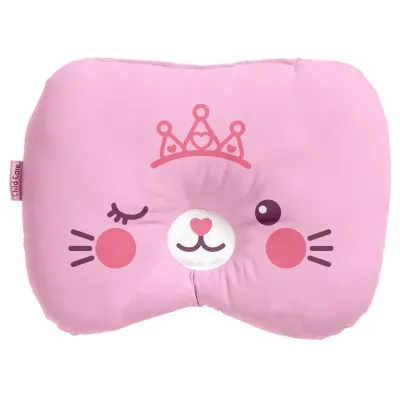
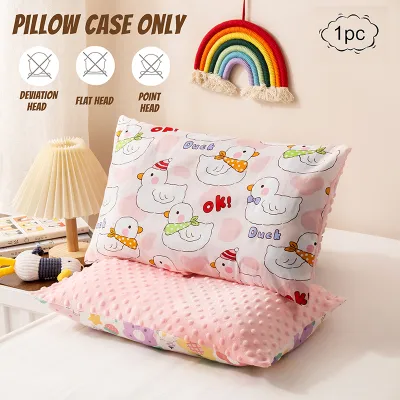
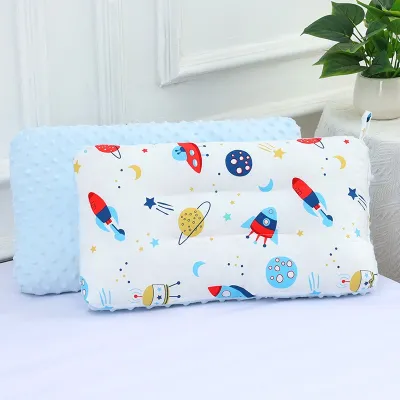
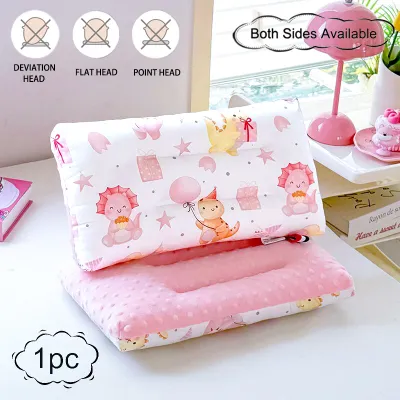
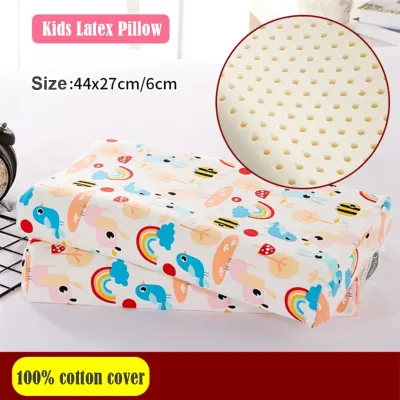
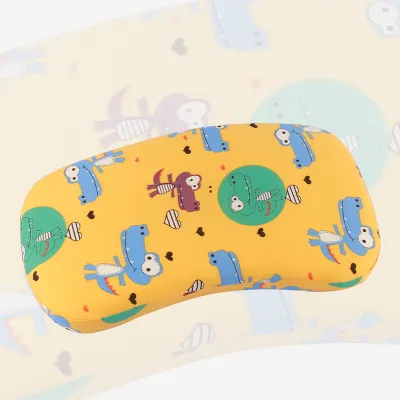
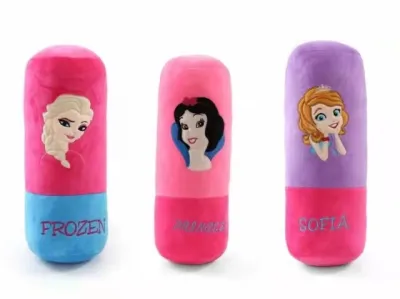
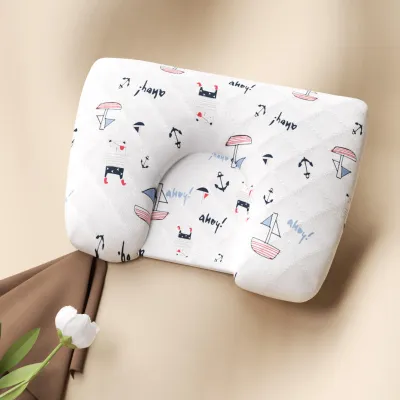
Prices are valid at publication and may change. Please refer to the product page for the latest price.
You can identify when your toddler is ready by observing her sleep habits and physical cues. Watch for transition signals during her naps and nighttime sleep. If you notice her consistently resting her head on a folded blanket, a favorite stuffed animal, or even your arm while cuddling, she may be seeking elevated support. Another common sign is if she struggles to get comfortable on a completely flat mattress, frequently shifting her position or trying to prop her head up on the raised edges of her bed.
Even when these signs appear, you must verify the age and safety recommendations on any product you consider. Always consult your pediatrician if you are unsure whether your child has reached the appropriate developmental milestone. If your toddler is still sleeping in a crib, ensure that the introduction of a pillow does not compromise her overall sleep environment. Keep the rest of the crib free of heavy blankets, large toys, or excess clutter that could pose safety risks.
Key Features to Evaluate in a Toddler Pillow
Once you confirm that your child is ready, selecting the right pillow requires a close look at its physical construction. A toddler’s body proportions are vastly different from those of an adult, meaning they cannot simply use a scaled-down version of your favorite bedding. The ideal pillow must support her unique anatomy while accommodating her active sleep movements.

To find a suitable option, you should focus on three primary pillars: dimensions, density, and internal materials. These features work together to provide ergonomic support, prevent overheating, and ensure the pillow remains hygienic over months of daily use. By understanding how these specifications interact with your toddler’s sleep habits, you can narrow down your choices to products that offer both comfort and peace of mind.
Size and Thickness
The physical dimensions of a toddler pillow are critical for maintaining safe sleep and proper posture. Standard adult pillows are far too large for a toddler’s bed and body. An adult pillow can easily crowd a toddler bed or cot, creating dangerous gaps where a child’s head could become trapped. It also places too much material around her face, increasing safety risks. A proper toddler pillow typically measures around 13 by 18 inches or 14 by 19 inches, providing a proportionate footprint that fits securely within her sleeping space.
Thickness, also known as loft, is equally important for spinal health. A toddler’s neck and shoulders are still developing, and their spinal alignment requires a very low profile. If a pillow is too thick, it will push her head forward, straining her neck muscles and potentially restricting her airway. For most toddlers, a loft of 2 to 3 inches is ideal. This low height keeps the head, neck, and spine in a neutral, straight line whether she sleeps on her back or her side.
When evaluating thickness, consider your child’s preferred sleeping position and shoulder width. A side sleeper may require a slightly firmer, more supportive loft to fill the gap between her ear and the mattress. A back sleeper needs a flatter profile to prevent her chin from being pushed toward her chest. Always verify that the pillow fits neatly against the mattress without sliding or creating awkward angles that could disrupt her sleep.
Firmness and Support
While adults often prefer plush, sink-in pillows, toddlers require a much firmer surface. A pillow that is too soft poses a serious safety hazard, as it can conform too closely to a child’s face if she rolls over onto her stomach. Furthermore, soft pillows do not provide the structural integrity needed to support a growing child’s cervical spine. You should look for a medium-firm pillow that offers consistent, resilient support throughout the night.
To assess a pillow’s firmness before purchasing, you can perform a simple manual press-and-release test. Press your hand firmly into the center of the pillow and then release it. A supportive toddler pillow should quickly spring back to its original shape. If your hand leaves a deep, lasting indentation, or if the pillow feels excessively squishy and compresses completely to the flat surface, it lacks the necessary density and should be avoided.
Additionally, you must check the manufacturer’s safety warnings regarding the materials used to achieve this firmness. Some specialized foams, such as memory foam, can run hot or conform too closely to the face. If you choose a foam pillow, verify that it meets recognized juvenile safety standards and is certified for low chemical emissions. Avoid any products that do not clearly state their safety certifications or age recommendations on the packaging.
Fill Type and Materials
The internal fill of the pillow dictates its breathability, support, and longevity. Common fill materials include polyester clusters, down alternatives, and shredded foam, each with distinct characteristics. Polyester fiberfill is a popular choice because it is lightweight, affordable, and widely available. However, standard polyester can sometimes trap heat, which is a significant drawback in warm, tropical climates where toddlers are prone to sweating.
Down alternatives offer a soft, cloud-like feel without the allergy risks associated with natural feathers. They are generally breathable, but some lower-quality down alternatives can clump together after washing, leading to an uneven, uncomfortable surface. Shredded memory foam provides excellent contouring support and allows for better airflow than solid foam blocks. If you select a shredded foam pillow, you must ensure the outer casing is durable and securely stitched to prevent your toddler from accessing the small foam pieces inside.
Given the high humidity and warm temperatures in the Philippines, hygiene is a top priority. Sweat, drool, and dust mites can quickly accumulate in bedding, potentially triggering allergies or skin irritation. Look for pillows labeled as hypoallergenic, and verify whether the entire pillow is machine-washable. Being able to wash both the cover and the inner fill at regular intervals is essential for maintaining a clean, allergen-free sleep environment for your toddler girl.
Design and Practical Considerations for Toddler Girls
Beyond the core structural features, the external design of the pillow plays a major role in daily usability and bedtime comfort. The pillowcase or outer cover should be made from highly breathable, skin-friendly fabrics. Natural fibers such as organic cotton or bamboo-derived viscose are excellent choices. These materials are exceptionally soft against sensitive skin, highly absorbent, and allow for optimal ventilation, helping to keep your child cool and dry during humid nights.
The visual design can also be a helpful tool in establishing a positive bedtime routine. Involving your toddler girl in choosing a pillowcase with her favorite colors, gentle pastel shades, or playful patterns can make her feel more excited about sleeping in her own bed. When selecting patterned covers, verify that the manufacturer uses non-toxic, water-based dyes that will not irritate her skin or release harmful chemical odors.
Safety must also extend to the physical construction of the cover. Inspect the closure mechanism carefully before use. Avoid pillowcases with loose buttons, long ribbons, or exposed metal zippers, as these can pose choking hazards or scratch your child’s face. An envelope-style closure, which tucks the pillow securely inside a fabric fold, is the safest option. If the pillowcase does feature a zipper, ensure it is deeply recessed, covered by a fabric flap, or equipped with a safety lock that prevents curious fingers from opening it.
Building Your Shortlist: Safety Checks and Buying Tips
When you are ready to make a purchase, creating a shortlist of compliant products will help you avoid low-quality or unsafe bedding. Start by cross-referencing the product labels of your candidates. Verify that the manufacturer explicitly states the recommended age range, safety certifications, and detailed care instructions. Avoid any products that use vague marketing terms without providing concrete specifications.
If you are shopping on online marketplaces or ecommerce platforms, utilize customer reviews to gather real-world insights. Look for feedback from other parents regarding the pillow’s durability after multiple wash cycles. Pay close attention to reviews that mention initial off-gassing odors, as some synthetic materials can release a strong chemical smell when first unpacked. A high-quality toddler pillow should have minimal to no odor and regain its shape easily after being washed.
Finally, prioritize safety by checking for any active product recalls or safety alerts related to the brand you are considering. Ensure the product aligns with recognized juvenile bedding safety guidelines in the Philippines. By taking the time to verify these details, you can select a pillow that supports your toddler girl’s physical development while providing a safe, comfortable, and hygienic sleep environment.
Frequently Asked Questions (FAQ)
Can my toddler use a regular adult pillow?
No, your toddler should not use a regular adult pillow. Adult pillows are designed for mature body proportions and are far too large, thick, and soft for a young child. Using an adult pillow can force your toddler’s neck into an unnatural, forward-bent position, leading to muscle strain and potentially restricting her airway during sleep. Additionally, the excessive softness of adult bedding poses a safety hazard, as it can conform around her face and increase the risk of suffocation. A dedicated toddler pillow with a low loft and medium-firm density is essential for her safety and comfort.
How often should I replace my toddler's pillow?
You should generally replace your toddler’s pillow every 1 to 2 years, or sooner if you notice signs of wear and tear. Over time, the internal fill of the pillow will break down, leading to permanent lumps, uneven support, or a loss of its original loft. You should also replace the pillow immediately if it develops stubborn stains, persistent odors, or if the seams begin to fray. In humid climates, frequent washing is necessary, which can accelerate the breakdown of materials. If your child begins waking up with unexplained congestion, sneezing, or skin irritation, it may be a sign that dust mites or allergens have accumulated, indicating that it is time for a replacement.

Community discussion
Share your experience or ask a question. Comments are reviewed before publication.