
Choosing a newborn bag requires balancing storage capacity, physical comfort, and durable materials that can withstand daily use. A well-designed bag keeps essential items organized and easily accessible during unexpected diaper changes or feeding times. By focusing on layout, fabric resilience, and carrying ergonomics, you can find a bag that fits your lifestyle and supports your daily routines with your baby.
Assess Your Daily Outing Needs and Usage Scenarios
Before looking at specific bag designs, evaluate where you plan to go and how long you will be away from home. In the Philippines, a quick trip to the local market or neighborhood park exposes you to high humidity and sudden rain showers, requiring a lightweight, weather-resistant bag. Longer outings, such as weekend family gatherings or full-day trips to air-conditioned shopping malls, demand a larger capacity to hold extra changes of clothes, multiple bottles, and additional receiving blankets.
Consider who will carry the bag most of the time. If multiple family members or caregivers share the duty, a neutral style and adjustable straps are essential to accommodate different heights and physical preferences. Some parents prefer a hands-free backpack to keep both hands free for holding the baby, while others might prefer a quick-grab tote for short transitions.
Products mentioned in this guide
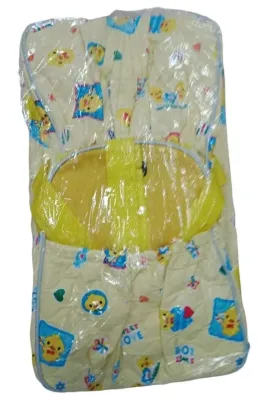
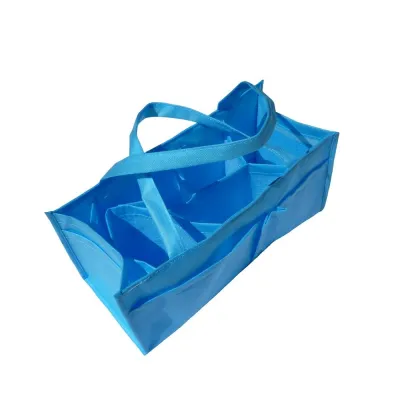
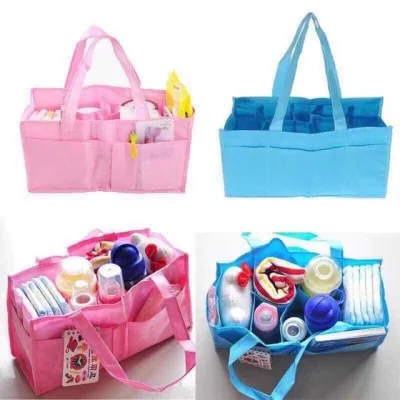
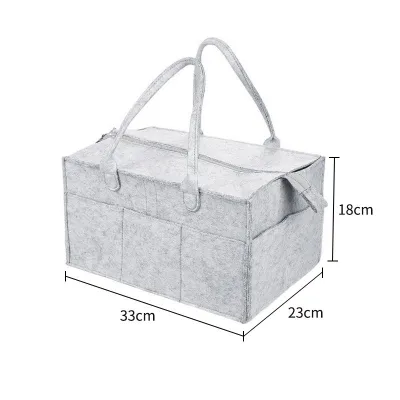
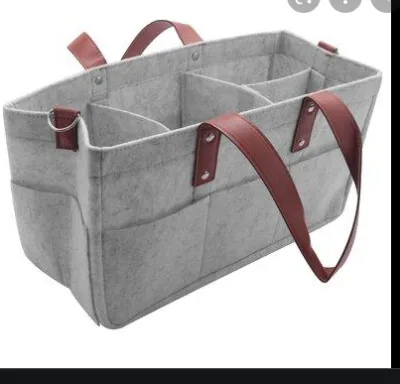
Prices are valid at publication and may change. Please refer to the product page for the latest price.
Decide if the bag needs to serve multiple purposes. A bag that transitions from a hospital bag during delivery to a travel carry-on for family trips offers excellent long-term utility. If you plan to use it for travel, check if it has a trolley sleeve to slide over luggage handles securely.
Evaluate Core Storage and Compartment Layout
Organization is the key to managing newborn outings without stress. Look for dedicated insulated bottle pockets that help maintain the temperature of breast milk or warm water for formula. While these pockets do not replace a cooler bag for long-term storage, they provide a convenient, temperature-stable zone for short trips.

Quick-access compartments are vital when dealing with sudden messes. A dedicated exterior pocket for baby wipes—ideally with a magnetic flap or a dispenser slot—allows you to grab a wipe with one hand while holding your baby with the other. Similarly, keep a few diapers in an easily reachable top compartment so you do not have to rummage through the entire bag during a diaper change.
Do not forget your own essentials. A secure, separate parent zone with a zipper or a deep flap keeps your phone, wallet, keys, and hand sanitizer safe and isolated from baby items. This separation prevents personal items from getting wet if a bottle leaks or getting lost under layers of baby clothes.
Check Material Quality, Cleaning, and Durability
Newborn gear faces constant exposure to spills, spit-up, and outdoor dirt. Prioritize bags with water-resistant or wipe-clean interior and exterior linings. In tropical climates, fabrics that resist moisture also help prevent mold and mildew growth, which can occur when damp items are left inside the bag.
Examine the hardware closely before making a decision. Heavy-duty, smooth-gliding zippers are crucial because you will often open and close the bag single-handedly. Check the stitching reinforcement at high-stress points, particularly where the shoulder straps and carrying handles attach to the main body of the bag, as these areas bear the brunt of the weight.
Always review the manufacturer’s care labels for specific cleaning instructions. Some bags are machine washable, while others require spot-cleaning with a damp cloth and mild soap. Understanding these requirements beforehand ensures you can maintain the bag’s hygiene without damaging the fabric or structural integrity.
Compare Carrying Styles and Comfort Features
The way you carry the bag directly affects your physical comfort during long walks. Backpack diaper bags distribute weight evenly across both shoulders, making them an excellent choice for active parents who need to keep their hands free. Tote bags offer quick access and a classic look, while crossbody styles provide a secure fit that stays in place as you move.
Comfort features can make a significant difference during hot, humid days. Look for wide, padded shoulder straps that adjust easily to distribute pressure away from your neck. A breathable mesh back panel is highly beneficial in warm weather, as it promotes airflow and reduces sweat buildup against your back.
Stroller compatibility is another critical feature to evaluate. Many modern bags include built-in stroller straps or clips that allow you to hang the bag directly from the pram handlebar. However, always check your stroller’s manual to ensure hanging a bag does not risk tipping the stroller backward, especially when the baby is not in the seat.
Match Size, Weight, and Capacity to Your Gear
An empty bag should not feel heavy. Before packing any baby gear, check the bag’s base weight, as heavy canvas or excessive metal hardware can add unnecessary strain before you even add a single diaper. A lightweight nylon or polyester bag provides a lighter starting point for your daily load.
Compare the external dimensions of the bag with your stroller’s storage basket or the under-seat clearance on public transportation. A bag that is too large may not fit into the stroller basket, forcing you to carry it constantly or hang it precariously.
Avoid the temptation to buy the largest bag available simply for extra space. Oversized bags often encourage overpacking, leading to a cluttered interior where items are hard to find and a heavy load that causes shoulder and back fatigue during long walks.
Review Essential Accessories and Add-ons
Many newborn bags come with practical accessories that enhance their daily utility. A matching, wipeable, and padded changing pad is one of the most useful inclusions, providing a clean, cushioned surface for diaper changes in public restrooms or outdoor spaces.
Look for detachable wet bags or zippered pouches within the main compartment. These accessories are perfect for isolating soiled clothes, damp bibs, or used washcloths from the rest of your clean gear, keeping the interior of your main bag sanitary and dry.
Verify the availability of replacement parts and warranty coverage directly from the manufacturer. Knowing you can purchase replacement stroller straps or obtain support for a broken zipper provides peace of mind and extends the usable lifespan of your investment.
Complete Your Pre-Purchase Verification Checklist
If you are shopping in a physical store, take the time to test the bag’s functionality. Open and close all the zippers, adjust the shoulder straps to fit your frame, and practice reaching into the main compartment to see if the opening stays wide enough for easy access.
For online purchases, confirm the retailer’s return policy, warranty terms, and authenticity guarantees. Purchasing from official brand stores or authorized distributors on online marketplaces helps ensure you receive a genuine product with reliable customer support.
Finally, cross-check the bag’s features against your initial outing needs and your set budget in ₱. Balancing practical features with a realistic price point ensures you get the best value without overspending on unnecessary extras.
Frequently Asked Questions (FAQ)
Can I use a regular backpack instead of a specific newborn bag?
Yes, you can use a standard backpack, but you may miss the specialized organization of a dedicated newborn bag. Standard backpacks usually lack insulated bottle pockets, dedicated quick-access wipe compartments, and water-resistant interior linings designed to handle spills. If you choose a regular backpack, consider using internal organizing pouches and a portable changing pad to replicate these essential features.
How many bottles should a newborn bag hold?
Most standard newborn bags feature two to three insulated bottle pockets, which is generally sufficient for a typical half-day or full-day outing. The exact number depends on your feeding routine, whether you use formula or expressed breast milk, and how long you plan to be away from home. Before purchasing, verify that the pocket dimensions and elasticity can accommodate your specific bottle brand and size.
Do I need a separate hospital bag and everyday newborn bag?
While you do not strictly need two separate bags, they serve very different purposes. A hospital bag needs to hold multi-day supplies, including postpartum wear, swaddles, and hospital documents, requiring a larger duffel or suitcase style. An everyday newborn bag is designed for shorter trips and daily mobility, making a compact backpack or tote much more practical once you return home.

Community discussion
Share your experience or ask a question. Comments are reviewed before publication.