
Choosing the right mom bag organizer for daily use requires balancing quick accessibility, durable materials, and a layout that matches your specific routine. An effective organizer keeps baby essentials like diapers, wipes, and bottles systematically separated so you can retrieve them with one hand during busy outings. By focusing on structured compartments, water-resistant fabrics, and comfortable carrying options, you can transform any trip outside the home into a smooth, stress-free experience.
Assess Your Daily Outing Needs
Before evaluating specific bag features, take a close look at your typical daily routine and the volume of baby gear you actually need to carry. A quick two-hour trip to a local neighborhood park or a nearby shopping mall requires a different setup than an all-day family gathering or a medical appointment. For short trips, a compact organizer that holds two diapers, a travel pack of wipes, and a single bottle is often sufficient. Longer outings demand a larger capacity to accommodate multiple diaper changes, extra clothing, feeding supplies, and small toys to keep your baby entertained.
Decide whether you need a standalone bag or an insert. A standalone organizer often comes with its own handles or crossbody straps, making it a complete grab-and-go solution. On the other hand, an organizer insert is designed to slide directly into your favorite designer tote, backpack, or a stroller basket. Inserts are highly versatile because they allow you to transition from a work bag to a baby bag in seconds, but you must measure your existing bags carefully to ensure a snug yet accessible fit.
Products mentioned in this guide
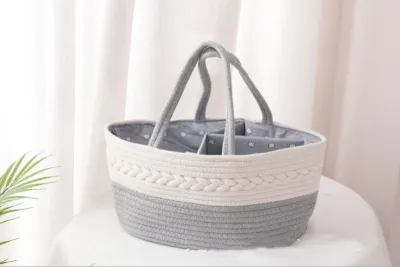
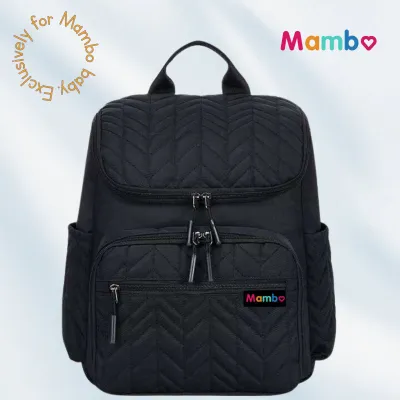
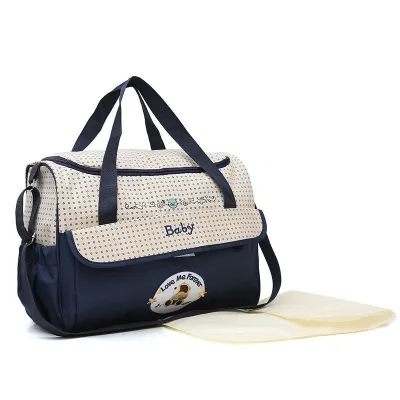
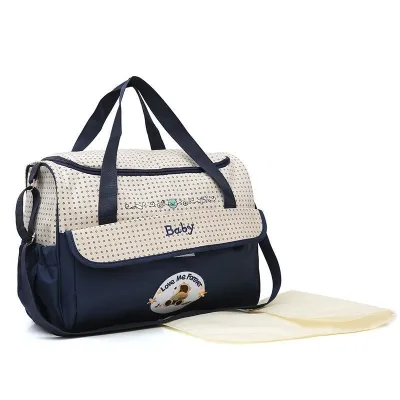
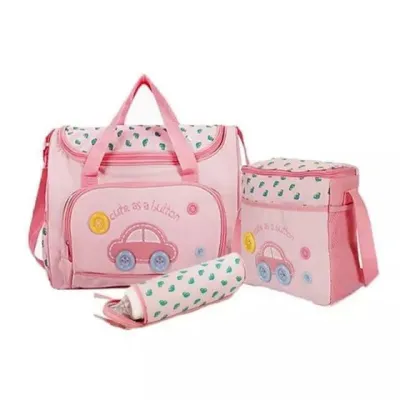
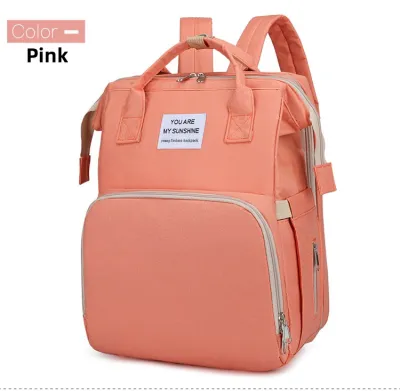
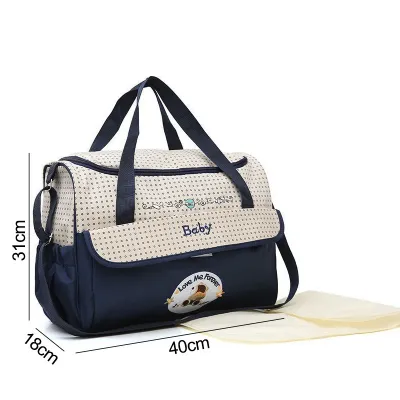
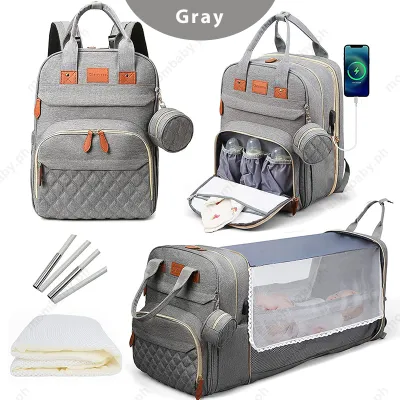
Prices are valid at publication and may change. Please refer to the product page for the latest price.
Consider the number of children you are packing for and how much personal gear you need to carry. If you have both an infant and a toddler, your storage needs double, requiring distinct zones for different diaper sizes and age-appropriate snacks. Do not forget your own essentials; look for dedicated compartments for your smartphone, keys, wallet, and perhaps a water bottle, so you do not have to carry a separate purse alongside the baby gear.
Evaluate Compartment Layout and Accessibility
A well-designed compartment layout is the backbone of any functional baby bag organizer. Look for dedicated, insulated pockets designed specifically for baby bottles or sippy cups. These pockets help maintain the temperature of milk, water, or formula, which is especially important during warm, humid days. When shopping, check the manufacturer’s specifications to verify if the insulated pockets can accommodate wide-neck bottles or specific thermal flasks, as pocket sizes vary widely across brands.

Prioritize easy-access exterior pockets for items you need to grab in a split second. When your baby has a sudden spill or a diaper emergency, you cannot afford to rummage through a deep, dark main compartment. Exterior slip pockets or dedicated zippered slots are ideal for housing wet wipes, pacifiers, hand sanitizer, and a compact changing pad. Some organizers even feature a specialized side pocket with a slit designed for pulling out individual wipes directly without removing the entire pack.
The main compartment should feature a wide, structured opening that stays open on its own. A bag that collapses inward when you try to reach inside makes one-handed operation nearly impossible. Look for secure closures such as heavy-duty, smooth-gliding zippers or strong magnetic snaps that keep the bag shut during transit but open easily when you pull them. Avoid complicated clasps or stiff buckles that require two hands and significant effort to manipulate while you are holding your baby.
Check Material, Durability, and Maintenance
Daily outings expose your organizer to inevitable spills, leaked milk, crushed snacks, and outdoor dirt. Therefore, the choice of material is critical for long-term usability. Review product labels and specifications for water-resistant, wipeable interior linings, such as high-density polyester or nylon. These materials allow you to quickly clean up liquid messes with a simple baby wipe or damp cloth, preventing stains and unpleasant odors from setting into the fabric.
Inspect the quality of the hardware and construction to ensure the organizer can handle the weight of packed items over time. Look for reinforced stitching at high-stress points, particularly where the handles or shoulder straps attach to the main body of the bag. Zippers should be sturdy, smooth, and ideally made of rust-resistant metal or durable molded plastic, as cheap zippers are often the first component to break under the pressure of a fully packed bag.
Verify the manufacturer’s care instructions before making a purchase to ensure they align with your lifestyle. Some fabric organizers are fully machine-washable, which offers ultimate convenience after a major spill or a dusty outdoor trip. Others are strictly spot-clean only or require hand washing. If you live in a highly humid environment, choosing a quick-drying fabric is essential to prevent the growth of mold or mildew during the drying process.
Consider Comfort and Carrying Options
Carrying a baby along with a fully loaded organizer can quickly lead to physical fatigue if the bag is poorly designed. Compare different strap configurations to find a style that distributes weight evenly across your shoulders and back. Padded, adjustable shoulder straps or a wide crossbody strap help minimize pressure points. Additionally, look for integrated stroller straps or clips that allow you to securely hang the organizer from your stroller handlebar, keeping your hands completely free while walking.
Pay close attention to the empty weight of the organizer before you pack a single item. Some structured bags made of heavy canvas or thick faux leather can weigh a significant amount on their own, leaving you with very little weight allowance before the bag becomes uncomfortably heavy. Opt for lightweight yet durable synthetic fabrics or lightweight canvas to keep the base weight as low as possible.
Evaluate the base structure of the organizer to ensure it remains upright when placed on a flat surface. A flat, reinforced bottom—often equipped with small metal feet or a rigid plastic insert—prevents the bag from tipping over when you set it down on a public changing table, a car seat, or the ground. This stability is crucial for preventing open bottles or loose items from spilling out when you are distracted.
Verify Safety and Manufacturer Specifications
Safety should always be a primary consideration when choosing any baby-related gear. Carefully inspect the organizer for any small, detachable parts, loose decorative elements, or weak plastic clasps that could easily break off. These components can quickly become choking hazards if they fall within your baby’s reach, especially as infants enter the developmental stage where they explore objects by putting them in their mouths.
Review the manufacturer’s guidelines regarding maximum weight limits for the bag and its straps. Overloading an organizer beyond its recommended capacity can cause the seams to split, the hardware to fail, or the stroller to tip backward if the bag is hung improperly. Adhering to these weight limits protects both the longevity of your bag and the safety of your child while navigating busy environments.
Ensure that the materials used in the organizer’s construction are safe and free from harmful chemical residues. Check product labels, packaging, or manufacturer websites for compliance statements indicating the materials are BPA-free, lead-free, and phthalate-free. Since baby bottles, pacifiers, and teething toys will be stored directly inside these compartments, verifying these safety standards provides peace of mind that your baby’s essentials remain uncontaminated.
Frequently Asked Questions (FAQ)
Can I use a regular tote bag instead of a dedicated mom bag organizer?
Yes, you can use a regular tote bag, but you will likely find it challenging to keep items organized and accessible. Standard totes typically lack specialized compartments, insulated bottle holders, and wipeable, water-resistant linings, which often results in a cluttered interior where small items get lost. If you prefer the aesthetic of a regular tote, the most practical solution is to purchase a removable organizer insert. This insert provides the necessary pockets and structure for baby gear while allowing you to use your favorite everyday bag.
How do I clean a mom bag organizer after a major spill?
When a major spill occurs, empty the organizer completely and shake out any loose crumbs or debris. Check the manufacturer’s care label for specific cleaning instructions, as some materials can be machine-washed on a gentle cycle while others require hand washing. For spot-cleaning, use a mild detergent mixed with warm water and a soft cloth to gently scrub the affected area. Once clean, open all compartments and zippers fully, then hang the bag to air-dry completely in a well-ventilated area away from direct heat to prevent mold, mildew, and lingering odors.
What is the best way to pack a mom bag for a long flight?
Packing for a long flight requires strategic organization to handle tight spaces and strict security rules. Separate your immediate in-flight essentials—such as a diaper, a small pack of wipes, a pacifier, and a change of clothes—into a compact, removable pouch that you can easily pull out of the main organizer without lifting the entire bag into the aisle. Remember to verify your airline’s carry-on dimensions and liquid restrictions beforehand. Keep baby formula, breastmilk, or baby food in a clear, easily accessible zip-top bag to streamline the security screening process at the airport.

Community discussion
Share your experience or ask a question. Comments are reviewed before publication.