
Selecting the right diaper bag depends entirely on your daily parenting routine, the volume of essentials you carry, and your preferred carrying style. Rather than looking for a single, universally praised model, the most effective approach is to evaluate specific design features—such as internal organization for disposable diapers, material durability, and strap configurations—and match them to your unique lifestyle. This guide breaks down the critical specifications to check on product labels and descriptions, helping you build a personalized shortlist that supports your daily outings safely and comfortably.
Assess Your Daily Parenting Routine and Outing Needs
Before looking at specific bag models, take a close look at your typical daily schedule. A parent who primarily takes quick trips to the local neighborhood market or a nearby mall has very different requirements than one who frequently travels long distances or spends entire days away from home. For short errands, a bulky, heavy bag will quickly become a hassle, whereas a compact design might fall short during an all-day family gathering.
To determine the right bag size, calculate the baseline volume of items you must carry on an average trip. A standard packing list typically includes several disposable diapers, a full pack of baby wipes, a portable changing pad, a change of clothes, feeding bottles, and personal items like your phone and wallet. If you are formula-feeding, you will also need space for insulated water flasks and powder dispensers, which significantly increases the required volume.
Products mentioned in this guide
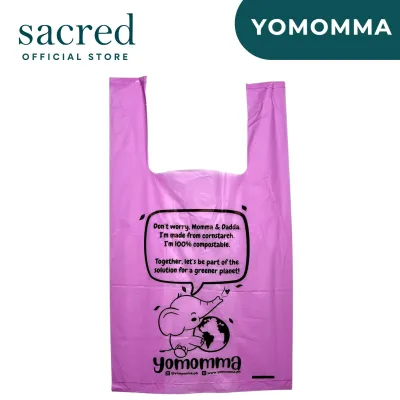
Prices are valid at publication and may change. Please refer to the product page for the latest price.
Additionally, consider who will be carrying the bag. If you are the sole caregiver using the bag, you can choose a style tailored precisely to your height and carrying preference. However, if the bag is shared between partners or other family members, it needs to be highly adjustable. A backpack with highly customizable shoulder straps or a neutral design ensures that anyone can carry it comfortably without experiencing physical strain.
Essential Features to Evaluate in a Moby Diaper Bag
When shopping for a diaper bag, it is easy to get distracted by aesthetic designs or vague marketing promises of convenience. To make a practical investment, you should focus strictly on verifiable physical attributes and manufacturer specifications. Evaluating these details beforehand helps you filter out options that look appealing but fail to perform under the pressure of daily parenting.

Daily usability relies heavily on how quickly you can access items in an emergency, how well the bag distributes weight across your body, and how effectively it contains unexpected spills. A well-designed bag prevents you from having to rummage through a deep, dark main compartment while holding a crying baby. By establishing a checklist of physical requirements, you can systematically compare different models based on real-world utility.
Capacity, Compartments, and Diaper Organization
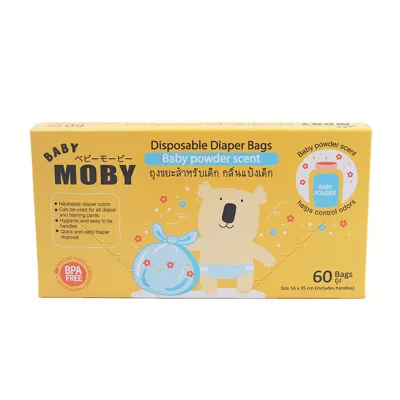
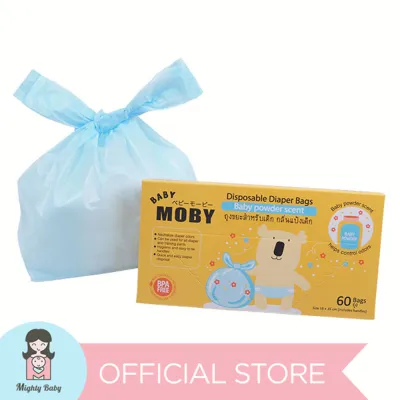
The internal layout of a diaper bag determines how organized and stress-free your outings will be. One of the most critical features to look for is a dedicated, quick-access pocket for diapering essentials. Having a designated space where you can instantly grab a fresh diaper and a pack of wipes prevents panic during a sudden blowout. This is also where storing a baby moby disposable diaper bag becomes incredibly useful; having these small, scented disposal sacks readily accessible in an exterior or top-level pocket allows you to seal away soiled diapers quickly and hygienically, even when there is no trash bin nearby.
Beyond diaper storage, a functional bag must offer specialized compartments to keep clean and dirty items separate. Look for insulated bottle pockets that help maintain the temperature of milk or water during warm afternoons. A separate, waterproof or wipeable compartment is also essential for isolating wet clothes, used bibs, or soiled diapers from the rest of your clean gear, preventing cross-contamination and unpleasant odors.
The style of the main compartment opening also plays a major role in daily packing. A wide clamshell opening, which zips down the sides to let the bag open flat, allows you to see all your gear at a glance and pack items systematically. In contrast, narrow top-loading bags often force you to stack items vertically, meaning you have to pull everything out just to reach a spare onesie at the bottom of the bag.
Material, Durability, and Maintenance
A diaper bag undergoes significant wear and tear, from being placed on dirty public benches to enduring accidental milk spills and tropical rain. Therefore, the fabric composition is a primary factor in the bag’s longevity. Look for exterior materials like high-density polyester, nylon, or treated canvas that offer water resistance. These fabrics help protect your baby’s clean clothes and dry diapers from getting soaked during sudden downpours.
The interior lining is just as important as the exterior. Ensure the inside of the bag features a smooth, wipeable material that does not absorb liquids. If a bottle leaks or a food container pops open, you should be able to clean the mess completely with a simple swipe of a damp cloth or baby wipe, preventing the growth of mold and mildew in humid conditions.
Do not overlook the physical hardware of the bag. Check the manufacturer’s specifications for heavy-duty zippers, reinforced double-stitching at the base of the straps, and a structured, padded bottom panel. A sagging bottom makes the bag difficult to organize and causes it to tip over when placed on flat surfaces. Finally, verify the official care instructions; some bags are fully machine-washable, while others require strict spot-cleaning to preserve their water-resistant coatings.
Carrying Comfort and Strap Configurations
How you carry your diaper bag directly impacts your physical comfort and posture, especially during long walks or commutes. Backpack-style diaper bags are highly popular because they distribute weight evenly across both shoulders, keeping your hands completely free to hold your baby, push a stroller, or navigate busy streets. Crossbody and tote styles offer quick access to the bag’s contents without needing to take it off, but they can cause shoulder strain if overloaded.
If you plan to use a stroller frequently, look for integrated stroller attachment clips or straps. These allow you to hang the bag securely from the stroller handlebar, relieving your shoulders entirely. However, always ensure the bag is not so heavy that it risks tipping the stroller backward when your child is not seated in it.
For maximum comfort, prioritize wide, padded shoulder straps and a breathable mesh back panel. In hot, tropical climates, a breathable back panel is essential for reducing sweat buildup during extended wear. The adjustment buckles should be sturdy and smooth, allowing you to quickly alter the strap length when transitioning the bag between caregivers of different heights.
Matching Bag Features to Your Specific Lifestyle
To narrow down your choices, match the bag’s features to your specific daily scenarios. If your routine consists mostly of quick, local errands—such as a brief trip to the neighborhood convenience store or a doctor’s checkup—a lightweight, compact diaper clutch or mini-backpack is often the most practical choice. These smaller bags prioritize rapid access, featuring just enough space for two or three diapers, a travel pack of wipes, a baby moby disposable diaper bag for quick disposal, and a single bottle.
For families who love full-day outings, weekend trips, or mall visits, a high-capacity backpack is indispensable. In this scenario, you should focus on bags with multiple organizational zones, at least two insulated bottle holders, a large matching changing mat, and robust stroller straps. The extra space ensures you can carry backup outfits, extra toys, and sufficient feeding supplies to keep your baby comfortable for hours.
If you are a working parent who needs to transition seamlessly from the office to childcare pickup, look for a structured, professional aesthetic. Many modern diaper bags feature neutral colors, sleek designs, and dedicated padded compartments for a laptop or tablet. This multi-use layout allows you to carry your professional tools safely alongside baby gear, eliminating the need to carry two separate bags to work.
What to Check Before You Buy
Before making your final purchase, there are several critical details to verify to ensure long-term satisfaction. First, check the manufacturer’s guidelines regarding the maximum weight capacity of the bag. Overloading a diaper bag beyond its recommended limit can cause the seams to split, the zippers to fail, or the straps to tear, while also placing unnecessary strain on your neck and back.
Next, review the retailer’s return policy and the manufacturer’s warranty terms. A reliable brand often provides a warranty covering hardware defects, such as broken zippers or loose stitching, within a specific period after purchase. Knowing you can return or exchange a defective bag provides peace of mind, especially when buying online where you cannot inspect the stitching beforehand.
Finally, take the time to cross-reference user reviews on independent forums or online marketplaces. Look specifically for feedback from parents who have used the bag for several months. Pay attention to comments regarding how well the zippers hold up under daily use, whether the water-resistant coating actually repels rain, and if the interior pockets are wide enough to hold standard-sized baby bottles. This real-world feedback is invaluable for validating the manufacturer’s claims.
Frequently Asked Questions (FAQ)
Can I use a regular backpack instead of a dedicated diaper bag?
Yes, you can use a standard backpack, but you will miss out on specialized features like insulated bottle pockets, waterproof wet-dry compartments, and stroller attachment straps. Standard backpacks also tend to have deep, single-compartment designs that make finding small items difficult. If you choose to use a regular backpack, consider purchasing separate packing cubes, insulated bottle sleeves, and wet bags to keep your baby’s gear organized and hygienic.
How do I safely clean a diaper bag after a major spill?
Always consult the care label inside your bag first, as harsh detergents can strip away water-resistant coatings. For general cleaning, empty all compartments completely and shake out any crumbs. Spot-clean the affected areas using a soft cloth, warm water, and a mild, baby-safe soap. Avoid using bleach or strong chemical cleaners that could irritate your baby’s sensitive skin. Allow the bag to air-dry completely in a well-ventilated area away from direct sunlight to prevent mold growth.
Do I need a separate changing pad if the bag does not include one?
Yes, having a dedicated, portable changing pad is highly recommended for hygiene reasons. Public changing tables can harbor bacteria, and a waterproof pad provides a clean, safe barrier for your baby. If your chosen diaper bag does not come with a changing pad, you can easily purchase a universal, foldable changing mat that fits neatly into the bag’s main compartment or dedicated diaper pocket.

Community discussion
Share your experience or ask a question. Comments are reviewed before publication.