
Finding the right long bottle cleaner brush in the Philippines requires balancing reach, material safety, and drying efficiency. With the country’s tropical humidity, a brush that traps moisture can quickly become a breeding ground for bacteria. To keep your baby’s feeding equipment pristine, you need a tool that can comfortably sweep the bottom corners of tall 8-ounce or 9-ounce bottles without scratching the delicate plastic or glass surfaces. The ideal choice is not a one-size-fits-all product; rather, it is a brush tailored to your specific bottle inventory, cleaning habits, and storage setup. By focusing on handle ergonomics, bristle safety, and proper maintenance, you can ensure a hygienic feed for your little one every single day.
Understanding Handle Length and Brush Head Design
Tall baby bottles, typically ranging from 240ml to 270ml in capacity, present a unique cleaning challenge due to their depth. Standard kitchen sponges or short-handled brushes simply cannot reach the bottom without forcing your hand inside the bottle neck. This physical limitation not only makes cleaning inefficient but also introduces oils, dirt, and bacteria from your hands directly onto the sterilized rim of the bottle. A dedicated long bottle cleaner brush solves this by providing a handle length of at least 25 to 30 centimeters, keeping your hands completely outside the container while you work.
The bottom corners of these tall bottles are prime locations for milk residue to accumulate. When breastmilk or infant formula settles, it leaves behind a greasy film of fats and proteins that clings to the plastic or glass. If this residue is not thoroughly scrubbed away, it can spoil, leading to bacterial growth that causes unpleasant odors and potential digestive upset for your baby. Therefore, the reach of your brush is your first line of defense against contamination.
Products mentioned in this guide
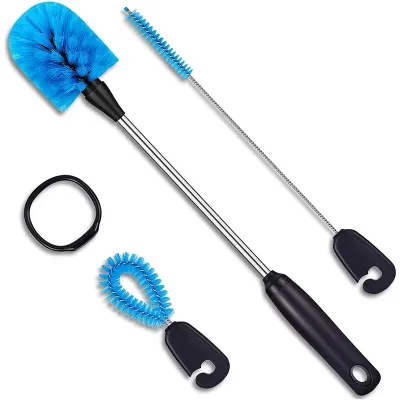
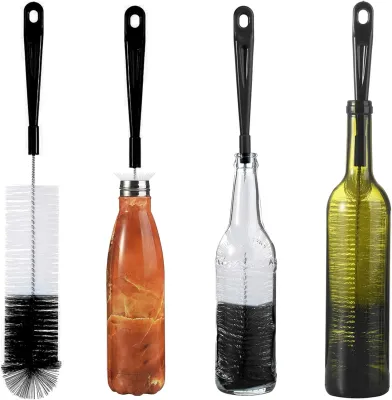
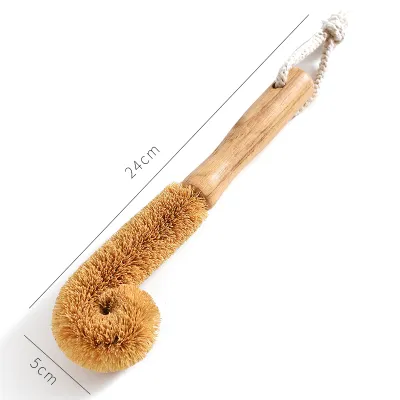
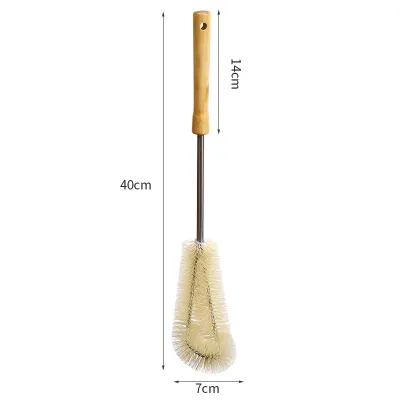
Prices are valid at publication and may change. Please refer to the product page for the latest price.
Beyond length, the design of the brush head determines how effectively you can clean different parts of the bottle. Straight brush heads are highly effective for uniform, cylindrical bottles, allowing for a quick up-and-down scrubbing motion. However, they often struggle to clean the curved shoulders near the bottle neck. Angled or contoured brush heads are designed to match these curves, ensuring that no milk film is left behind in the transitions. Some modern designs feature a 360-degree rotating handle, which allows you to spin the brush head inside the bottle with minimal wrist strain, ensuring comprehensive coverage of all internal surfaces.
Comparing Bristle Types and Handle Materials
When selecting a long bottle cleaner brush, the material of the bristles plays a critical role in both cleaning efficiency and the lifespan of your baby bottles. The three most common bristle materials are sponge, silicone, and nylon, each presenting distinct advantages and trade-offs.

Sponge brush heads are highly popular because they absorb water exceptionally well and generate a rich lather with very little dishwashing liquid. This soft texture is completely safe for all bottle materials, ensuring zero risk of scratching. However, in the warm and humid climate of the Philippines, sponges dry very slowly. This prolonged dampness creates an ideal environment for mold, mildew, and bacteria to multiply within the porous foam. Additionally, sponges are prone to tearing, especially when repeatedly forced through narrow bottle openings, which significantly shortens their usable lifespan.
Silicone bristles have emerged as a highly hygienic alternative. Because silicone is non-porous, it does not absorb water, allowing the brush to dry almost instantly after use. This rapid drying time is a massive advantage in tropical households where humidity is constantly high. Silicone is also incredibly durable, does not shed, and is gentle enough to prevent micro-scratches on plastic bottles. The primary drawback is that silicone bristles have less surface friction than sponge or nylon, meaning you may need to apply more physical effort to scrub away stubborn, dried-on milk film.
Nylon bristles offer the strongest scrubbing power, making quick work of dried formula. However, stiff nylon can create microscopic scratches on the inner walls of plastic bottles. Over time, these micro-grooves become hiding places for milk fat and bacteria, making the bottles harder to sterilize. If you prefer nylon, look for brushes with feathered or soft-tipped bristles to minimize surface wear.
The handle material is equally important for durability. Plastic handles are lightweight and completely rust-proof, but they can bend or snap if you apply too much pressure. Stainless steel handles offer superior rigidity and leverage, but you must ensure they are made of high-grade, rust-resistant steel to withstand constant exposure to water. Wooden handles offer a natural aesthetic but are highly susceptible to water damage, rot, and splitting in humid environments, requiring meticulous drying after every use. Always verify that the manufacturer explicitly labels the entire brush assembly as BPA-free and made from food-grade materials.
Matching the Brush to Your Specific Baby Bottles
Before purchasing a long bottle brush, you must evaluate the physical dimensions and design of your existing baby bottle collection. A common mistake is buying a high-quality brush only to find that the head is too wide to fit through the bottle neck. Standard-neck bottles have narrow openings that require a slim, flexible brush head. Forcing a wide brush into a narrow neck compresses the bristles, causing them to deform permanently, and can easily tear sponge-based heads. Wide-neck bottles are much more forgiving, accommodating larger, rounder brush heads that clean more surface area with each stroke.
The shape of the bottle also dictates the type of brush you need. Some bottles feature ergonomic, angled shapes designed to mimic natural breastfeeding angles, while others incorporate complex anti-colic venting systems. These internal vents, tubes, and valves cannot be cleaned with a standard long brush. If you use anti-colic bottles, you must choose a brush set that includes specialized micro-attachments, such as slim straw cleaners and small valve brushes, to ensure every nook and cranny is sanitized.
Additionally, pay close attention to the bottle nipples or teats. The delicate silicone of a nipple can easily tear if subjected to a harsh, oversized brush. Most high-quality long bottle brushes feature an integrated nipple cleaner. This is often a smaller, contoured brush nested inside the base of the main handle or provided as a separate accessory. The shape of the nipple cleaner should match the internal contour of your bottle teats, allowing you to remove milk residue gently without stretching or damaging the feeding hole.
Building a Reliable Shortlist in Online Stores
Shopping for baby accessories on online marketplaces in the Philippines requires a discerning eye, as product listings are often filled with exaggerated marketing claims. To build a reliable shortlist of long bottle cleaner brushes, you should establish a systematic filtering process based on objective user feedback rather than promotional images.
Start by analyzing the customer review section of any product you are considering. Instead of focusing solely on five-star ratings, filter the reviews to read the two- and three-star feedback. Look specifically for recurring complaints regarding structural integrity. Common issues to watch out for include handles that bend or snap under moderate pressure, bristles that shed during the first few uses, and metal cores that begin to rust after a week of exposure to water. If multiple independent reviews highlight the same defect, it is a clear signal to remove that product from your list.
Next, verify the authenticity of the seller. In local e-commerce spaces, it is safer to purchase from official brand stores, authorized distributors, or highly-rated local preferred sellers. This minimizes the risk of receiving counterfeit items made from cheap, non-food-grade plastics that may leach harmful chemicals when exposed to warm water. Check if the seller offers clear return or replacement policies, especially since baby hygiene products must arrive in pristine, sealed packaging.
Finally, evaluate the financial value of multi-packs versus single purchases. While a single premium brush might have a lower upfront cost, a comprehensive cleaning set that includes a long bottle brush, a nipple brush, and a straw cleaner often proves more economical in the long run. Consider your household budget and remember that bottle brushes are consumable items; you will need to replace them regularly, so purchasing a multi-pack can save you both time and shipping fees over several months. Brushes in the local market can range from under ₱100 for basic models to over ₱500 for premium, multi-piece silicone sets, so matching the purchase to your expected replacement cycle is key.
Daily Maintenance and Clear Replacement Signals
Owning a high-quality long bottle cleaner brush is only half the battle; maintaining its hygiene is crucial for your baby’s health. In the tropical climate of the Philippines, high ambient temperatures and humidity accelerate the growth of bacteria and mold on wet surfaces. After every cleaning session, you must thoroughly rinse the brush under warm running water to remove all traces of soap suds and milk particles. Shake the brush vigorously to expel as much excess water as possible.
Storage is key to preventing contamination. Always hang the brush in a well-ventilated area with plenty of airflow, ideally near a window. Never store a wet brush inside a closed cabinet, a dark under-sink cupboard, or a crowded dish drying rack where air cannot circulate. If your brush features a suction cup base, ensure the surface you stick it to is clean and dry; moisture trapped under the suction cup can quickly lead to black mold growth.
You should perform a visual and tactile inspection of your bottle brush every week. For sponge brushes, look closely at the connection point between the foam and the plastic handle, as this is where tears begin and mold often hides. For wire-core brushes, inspect the metal spine for any orange or brown spots that indicate rust. For silicone and nylon brushes, run your fingers through the bristles to check for shedding, permanent bending, or a slimy texture that persists even after washing.
If you detect any signs of physical degradation—such as frayed bristles, torn foam, rust spots, or a sour odor—discard the brush immediately. Continuing to use a damaged brush is highly counterproductive. Worn bristles cannot clean effectively, and torn sponges or rusted wires can harbor colonies of bacteria that will contaminate the very bottles you are trying to clean. Furthermore, a degraded brush can scratch the inner surfaces of your bottles, creating permanent microscopic harbors for future bacterial growth.
Frequently Asked Questions (FAQ)
Can I use a regular long kitchen brush for baby bottles?
You should never use a general household kitchen brush to clean your baby’s bottles. Regular kitchen brushes are used to clean plates, pots, and pans that have been in contact with grease, spices, raw meats, and strong dishwashing detergents. Using the same brush on baby bottles introduces a severe risk of cross-contamination, transferring food-borne pathogens and stubborn food odors to your baby’s feeding equipment. Additionally, standard kitchen brushes are often made with highly abrasive nylon bristles designed to scrub tough cookware, which will easily scratch and damage the softer, food-grade plastics of baby bottles. Keeping a dedicated, color-coded, or separately stored brush exclusively for baby items is essential for maintaining proper infant hygiene.
How often should I replace a long bottle cleaner brush?
The replacement frequency of a long bottle cleaner brush depends heavily on its material composition and how frequently it is used. As a general rule, sponge-headed brushes should be replaced every 4 to 6 weeks because the foam degrades rapidly, loses its structural integrity, and easily traps moisture and bacteria in humid climates. High-quality silicone brushes are much more durable and can safely last between 3 to 4 months, provided they show no signs of tearing or bristle loss. Nylon brushes typically last about 2 to 3 months before the bristles begin to splay and lose their scrubbing effectiveness. Regardless of the calendar, you must replace any brush immediately if you observe rust on the metal core, tearing in the sponge, shedding bristles, or a persistent sour smell.

Community discussion
Share your experience or ask a question. Comments are reviewed before publication.