
To stop a toddler from constantly flipping their food, the most effective kids plate design is a high-quality silicone suction plate featuring deep, divided sections and high, inward-curving walls. While a strong suction base physically anchors the dish to the dining surface, the internal geometry of the plate prevents the child from gaining the leverage needed to pry it up or scoop food over the sides. Choosing the right design requires matching the plate’s physical mechanism to your specific dining surface and your child’s current developmental stage.
Why Toddlers Flip Their Plates and How to Respond
Toddlers are natural scientists who learn about their environment through direct cause-and-effect experiments. Dropping a cup, throwing a spoon, or flipping a plate is often a form of sensory exploration and gravity testing rather than deliberate misbehavior. They are simply curious to see how objects fall, what sound they make upon impact, and how the adults around them react to the sudden mess.
Frustration also plays a significant role in mealtime disruptions. When a lightweight plastic plate slides across a smooth wooden table or a plastic high chair tray, a toddler trying to scoop up food can easily become frustrated. The sliding motion makes it incredibly difficult to secure food on a utensil, leading the child to grab and toss the plate out of sheer annoyance.
Products mentioned in this guide

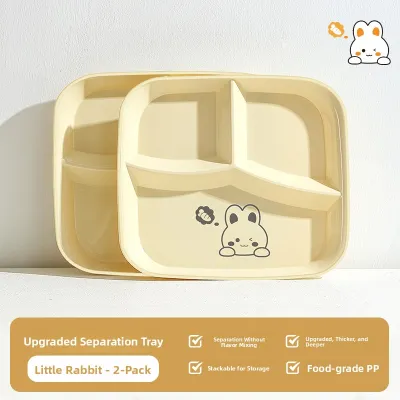
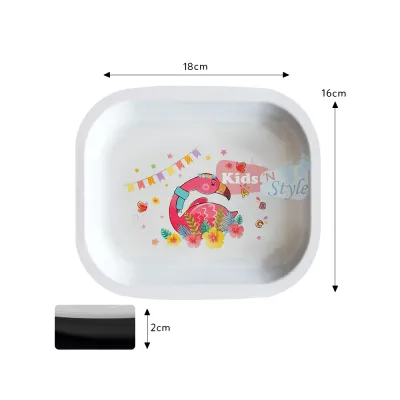
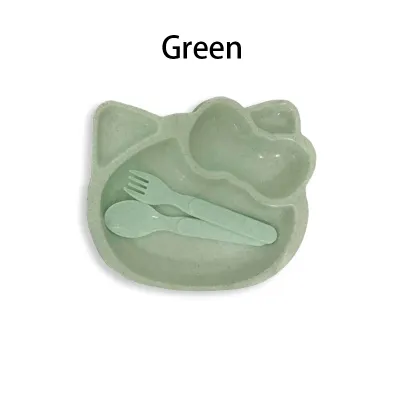
Prices are valid at publication and may change. Please refer to the product page for the latest price.
It is also helpful to distinguish between behavioral boundary-testing and genuine motor skill limitations. Sometimes, flipping a plate is a clear, non-verbal signal that a child is full, bored, or seeking attention. In other instances, it is a simple lack of fine motor control; a toddler still mastering the pincer grasp or spoon usage might accidentally tip a poorly balanced plate while trying to navigate its edges.
Key Design Features That Prevent Plate Flipping
Anti-flip kids plates rely on basic physics to resist a toddler’s upward, lateral, or twisting forces. Manufacturers use vacuum suction, friction, mass distribution, and structural geometry to keep the dish firmly anchored to the table. Understanding how these features work allows parents to select a plate that matches their home environment rather than relying on trial and error.

Each design feature offers distinct advantages depending on where and how your child eats. While some plates focus entirely on securing the base to the table, others use clever internal shapes to make it harder for little hands to grip the edges. Combining these mechanical principles yields the most reliable results for active self-feeders.
Suction Bases and Silicone Grips
A suction base works by pushing air out from beneath a flexible cup, creating a low-pressure vacuum that resists upward pulling forces. For this seal to hold, the dining surface must be completely smooth, non-porous, and clean. Even minor wood grain, scratches on a plastic tray, or dust particles can let air seep in, instantly breaking the vacuum and allowing the plate to be flipped.
Some plates utilize a wide silicone base designed to grip surfaces through friction rather than a vacuum seal. While highly effective at preventing lateral sliding, these grips can lose their holding power on highly polished, dusty, or wet tables. In humid tropical climates, condensation from cold drinks or a quick wipe with a damp cloth can leave a thin film of moisture that causes silicone to slide easily.
To prevent sudden spills or damage to the dining table, parents should look for plates that feature a small, integrated release tab on the suction base. Attempting to pry a suction plate off the table by its rim can damage the silicone over time or cause a sudden, explosive release of leftover food. Pulling the dedicated tab breaks the vacuum seal instantly and cleanly, allowing for a mess-free cleanup.
Weighted Bottoms and Low Centers of Gravity
Plates with weighted bottoms use a low center of gravity to resist tipping. Even if a toddler pushes against the side of the plate, the heavy base coaxes the dish back down onto its flat surface. This design is highly reliable because it does not depend on a perfect vacuum seal, making it highly versatile across different table types, including reclaimed wood and textured plastics.
While a heavy, stable base is excellent for home use on a sturdy dining table, it presents challenges when traveling or dining out. Packing multiple heavy plates into a diaper bag can make it uncomfortably heavy during family trips or visits to local restaurants. Parents must weigh the benefit of stationary stability against the need for lightweight portability.
When choosing a weighted plate, it is crucial to inspect how the weight is integrated into the design. The heavy material should be fully enclosed within food-grade silicone or durable, BPA-free plastic to prevent any risk of the weighted core breaking free. Checking the structural integrity of the base ensures that the plate remains safe to use even after repeated washes and accidental drops.
Divided Sections and High Edges
Divided plates do more than keep different food items from touching; they distribute the weight of the food across separate compartments, making the plate harder to tip. Deep wells also prevent food from sliding around, which reduces the toddler’s urge to chase food with their hands and accidentally flip the dish.
A plate with high, inward-curving walls acts as a natural backstop for spoons and fingers. When a child pushes a piece of food against the wall, the curve guides the food onto the utensil rather than over the side. This design also minimizes the exposed outer rim, leaving fewer edges for a toddler to grip and lift.
Ensure that the dividers are molded directly into the plate’s body rather than attached as separate pieces. Seamless construction prevents weak points where the plate could crack under pressure and eliminates tight crevices where food particles and moisture can hide. This is especially important for preventing mold and bacteria growth in warm, humid environments.
Matching the Plate Design to Your Toddler's Developmental Stage
For babies just starting their complementary feeding journey around six months, sensory exploration is at its peak. During this stage, a lightweight silicone plate with a strong suction base and shallow dividers is ideal. The suction keeps the plate secure while the baby practices picking up soft finger foods like steamed vegetables or ripe fruits.
As toddlers grow stronger and begin using utensils, they exert more lateral force. A combination of a weighted bottom, high curved edges, and deep divided sections works best here. The high walls assist with spoon-feeding, while the heavy base resists the increased leverage a toddler can apply when they are determined to test boundaries.
When dining out at local malls or restaurants, table surfaces can vary wildly from rough wood to tiled tops. A versatile plate with a wide, flat silicone friction base or a compact suction plate with a built-in travel lid is highly practical. These designs adapt easily to unpredictable surfaces and can be sealed up to carry leftovers home without making a mess in your bag.
Daily Habits to Maximize Anti-Flip Plate Performance
To get the strongest possible hold from a suction plate, always wipe down the high chair tray or dining table with a clean, damp cloth to remove grease, oil, and crumbs, then dry it completely. Even a microscopic layer of oil from a previous meal can prevent a vacuum seal from forming or cause a friction base to slide.
Over time, exposure to high heat from dishwashers, sterilizers, or warm water can cause silicone to warp, lose its elasticity, or develop micro-tears. Regularly inspect the suction rim and edges for any signs of wear. If the silicone feels stiff, sticky, or shows visible cracks, it is time to replace the plate to ensure both safety and performance.
Toddlers are highly opportunistic; if they see a plate full of food placed directly in front of them while they are still settling into their seat, their first instinct may be to grab and pull. Secure the plate to the table slightly out of your child’s immediate reach, arrange their bib and utensils, and then slide the high chair close to the table once the plate is firmly locked down.
When to Transition to Standard Plates
Parents can begin thinking about transitioning away from anti-flip plates when their child consistently demonstrates calm eating habits over several weeks. Look for signs like using utensils without excessive force, leaving the plate in place throughout the meal, and expressing a desire to use standard dishes like the rest of the family.
Transitioning does not have to happen overnight. Start by introducing a standard, non-suction plate during low-stakes meals, such as afternoon snack time with dry foods like crackers or cheese slices. This allows the child to practice handling a regular plate when the potential for a major, wet mess is minimal.
It is important to remember that learning is a non-linear process. Occasional spills and dropped plates will still happen as your child refines their motor skills. Rather than immediately reverting to suction plates at the first sign of a spill, treat these moments as gentle teaching opportunities to reinforce how to handle tableware carefully.
Frequently Asked Questions (FAQ)
Are suction plates effective on high chairs with textured trays?
Suction bases rely on a perfect vacuum seal, which cannot form on textured, matte, or ribbed high chair trays. The tiny gaps in a textured surface allow air to enter beneath the suction cup, causing it to release almost instantly. If your high chair has a textured tray, look for plates with wide, heavy bases that rely on weight rather than suction, or consider using a smooth plastic tray liner to create a compatible surface.
Can I put silicone suction plates in the microwave?
While high-quality, food-grade silicone is generally heat-resistant, you must always check the manufacturer’s specific labels and packaging symbols to verify microwave safety. Some plates contain hidden plastic reinforcements, metal weights, or composite materials within the base that can melt or spark when microwaved. When heating food, it is often safest to warm the meal in a dedicated glass or ceramic container first, stir to eliminate hot spots, and then transfer it to the toddler’s plate.

Community discussion
Share your experience or ask a question. Comments are reviewed before publication.