
Choosing a heartbeat monitor for baby requires focusing on probe frequency, safety certifications, and clear audio output rather than flashy digital extras. While these handheld devices offer a way to connect with your developing baby at home, selecting the right model involves understanding how the technology works and verifying the manufacturer’s specifications. Prioritizing a device with a probe frequency that matches your current stage of pregnancy and checking for verified safety standards ensures a reliable and responsible experience.
Understanding Core Technology and Probe Specifications
Most consumer-grade heartbeat monitors for baby utilize Doppler ultrasound technology to detect the fetal heart rate. When reviewing product manuals or labels on ecommerce platforms, you will find that these devices emit high-frequency sound waves that bounce off the moving heart walls or blood flow, translating the movement into an audible sound. It is essential to distinguish these standard Doppler probes from simple passive microphone sensors, which merely amplify internal sounds and are generally less effective at isolating a faint fetal heartbeat.
The frequency of the probe, measured in megahertz (MHz), directly dictates how deeply the sound waves penetrate and how clearly they return. A lower frequency probe, such as 2 MHz, penetrates deeper through abdominal tissue, making it highly suitable for later stages of pregnancy or for individuals with a higher body mass index. Conversely, a 3 MHz probe offers higher resolution closer to the surface, which can make it easier to locate the heartbeat during the earlier weeks of the second trimester.
Products mentioned in this guide
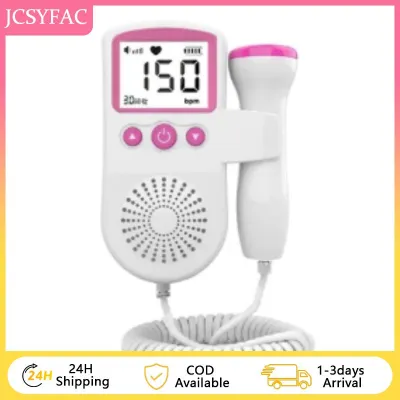


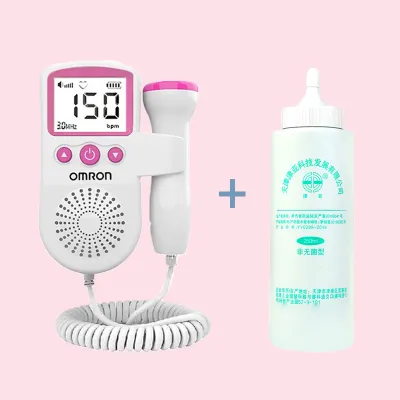
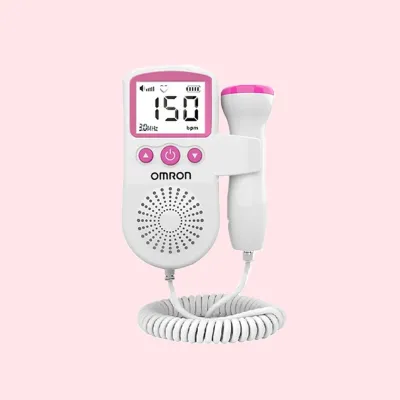
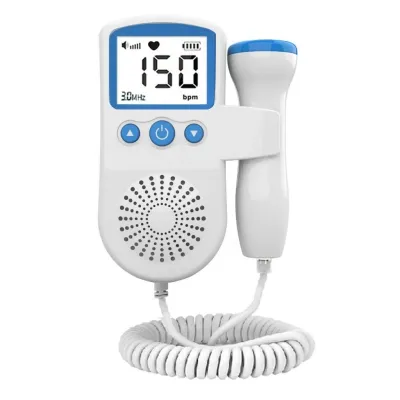
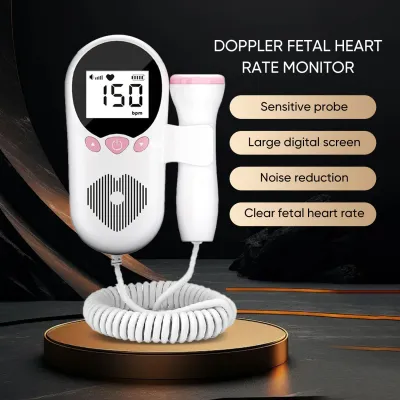
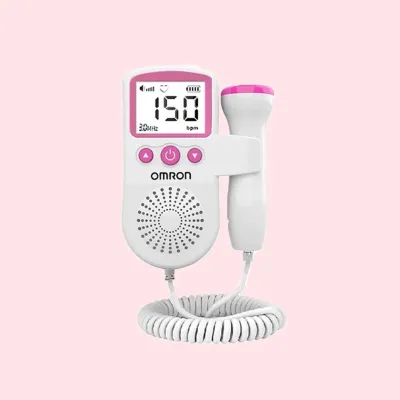
Prices are valid at publication and may change. Please refer to the product page for the latest price.
Before purchasing, always check the manufacturer’s specified gestational age range. Some devices are designed for use starting around the 12th week of pregnancy, while others are optimized for later use. Additionally, consider the physical design of the probe; a tethered, handheld probe is often much easier to maneuver across the abdomen than a bulky, all-in-one unit where the screen and probe are integrated into a single chassis.
Evaluating Safety Limits and Usage Guidelines
Safety is the most critical consideration when using any ultrasound technology at home. Although consumer devices operate at lower energy levels than clinical diagnostic machines, you should still verify the acoustic output limits and thermal index ratings. These technical specifications are typically located in the back of the user manual, on the product packaging, or on the official brand website under the technical specifications section.

Do not rely solely on marketing claims of safety or regulatory clearance. It is highly recommended to independently verify any claims of medical device registration or regulatory clearance by searching the official databases of relevant health authorities, such as the Food and Drug Administration in the Philippines or equivalent international bodies. Unverified seals or logos on online marketplace listings do not guarantee that a device has undergone rigorous safety evaluations.
Responsible home use requires strict adherence to manufacturer-recommended session durations, which are typically limited to a few minutes at a time. It is vital to consult your obstetrician or a qualified healthcare provider before introducing a home monitor to your routine. A professional can guide you on the correct placement of the probe and help you understand the limitations of home monitoring.
Comparing Audio, Display, and Connectivity Options
The way a heartbeat monitor for baby presents information can significantly affect its usability in different home environments. Models equipped with both a built-in speaker and a headphone jack offer the most flexibility. A built-in speaker allows you to share the experience with your partner or family, while a headphone jack is invaluable for blocking out ambient tropical noise, such as whirring electric fans or air conditioners, allowing you to focus on the subtle audio signals.
Display options range from simple audio-only devices to units with integrated LCD screens. An LCD screen that displays the fetal heart rate (FHR) as a numerical value can provide quick reassurance, especially if it features a clear backlight for nighttime use. However, you must verify whether the screen displays a real-time calculated heart rate or simply a static average, as real-time tracking is much more useful for distinguishing the rapid fetal heartbeat from your own slower maternal pulse.
Some modern monitors offer Bluetooth or Wi-Fi connectivity to sync data with a smartphone application. When evaluating these smart features, review the developer’s data privacy policies to understand how your personal health data is stored and shared. Check user reviews on app stores to assess app stability, and confirm whether the physical monitor can still function completely independently without requiring the mobile application to be open.
Prioritizing Specs: What Actually Matters for Your Choice?
When comparing products, it is easy to get distracted by premium features that drive up the price without adding functional value. Built-in recording functions, colorful high-resolution screens, and custom lullaby players are ‘nice-to-have’ additions, but they do not improve the core accuracy of the ultrasound probe. Focus your budget on the quality of the probe and the clarity of the audio output instead.
To make an informed decision, use a practical checklist to verify the essential specifications before you buy. Ensure the probe frequency matches your current gestational stage, confirm that the user manual provides clear safety warnings and usage limits, and check that the device includes a reliable audio output system. If purchasing online, verify that the seller provides a clear return policy in case the device does not function as expected.
Most importantly, remember that a home heartbeat monitor is a tool for parental bonding and is never a guarantee of fetal well-being. It cannot replace professional medical assessments. If you experience any physical signs or symptoms of concern, such as a sudden decrease in fetal movement, abdominal pain, or unusual spotting, stop using the monitor immediately and seek urgent medical care from your healthcare provider.
Frequently Asked Questions (FAQ)
Can a home heartbeat monitor replace regular prenatal checkups?
No, a home monitor cannot replace professional prenatal care. These consumer devices are designed solely for parental bonding and entertainment, not for medical diagnosis or monitoring high-risk pregnancies. Even if you detect a heartbeat at home, it does not rule out potential complications. Always attend your scheduled prenatal appointments, and seek immediate clinical evaluation if you notice any warning signs like reduced fetal movement or physical discomfort.
What type of gel should be used with the ultrasound probe?
You should always use a dedicated, water-based ultrasound transmission gel with the probe. This gel acts as a coupling agent, eliminating air pockets between your skin and the probe to allow the sound waves to travel clearly. Avoid using oils, body lotions, petroleum jelly, or baby oil, as these substances can degrade the delicate acoustic membrane of the probe over time and block the transmission of the ultrasound signal. When budgeting for your device, remember to factor in a small recurring cost in ₱ for replacement gel bottles.

Community discussion
Share your experience or ask a question. Comments are reviewed before publication.