
Choosing a heartbeat monitor for baby involves balancing your need for peace of mind with the practical realities of daily infant care. The ideal choice depends heavily on your child’s mobility, skin sensitivity, and your tolerance for false alarms. While wearable socks, clip-on sensors, and under-mattress pads each offer distinct tracking mechanisms, it is critical to understand that consumer monitors are not medical devices and do not replace safe sleep practices. This guide compares the available technologies to help you decide which setup aligns with your monitoring needs and household environment.
Understanding the Main Types of Baby Heartbeat Monitors
To choose the right monitor, you must first understand how each category functions. These devices do not all gather data the same way. Some attach directly to your baby’s skin, others clip onto their clothing, and some sit entirely out of sight beneath the mattress. Each design has unique physical requirements and operational limits that affect how they read your baby’s physiological signals.
Wearable Socks
Wearable socks utilize fabric wraps equipped with small, built-in sensors that sit directly against your baby’s foot. These sensors typically rely on optical or pulse oximetry technology, which shines a safe, low-intensity light through the skin to estimate heart rate and oxygen levels. For these sensors to gather consistent readings, the sock must maintain a snug, secure fit against the skin. If the sock is too loose, or if your baby is an active kicker, the sensor can lose contact, leading to interrupted tracking or frequent alerts. Parents must also adjust the sock size as the baby grows to prevent the fabric from becoming too tight or restrictive.
Products mentioned in this guide
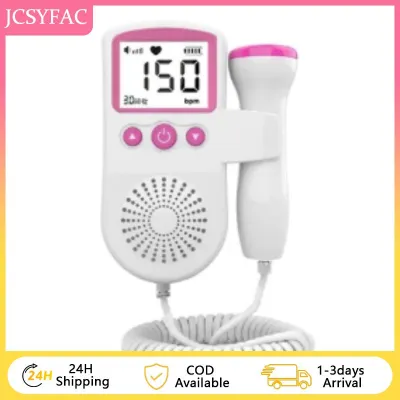
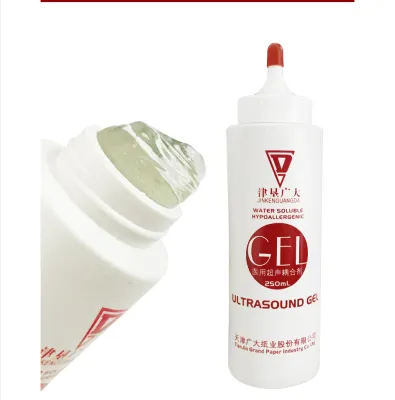
![[COD] WHPHous Ship within 24 hours Surpluck Doppler Baby Heart Monitor Home Pregnancy Baby Heartbeat Detector Fetal Doppler With Gel](https://img.lazcdn.com/g/p/a2251a163038a5b8a6762d29991a8a71.jpg_400x400q80.jpg_.webp)

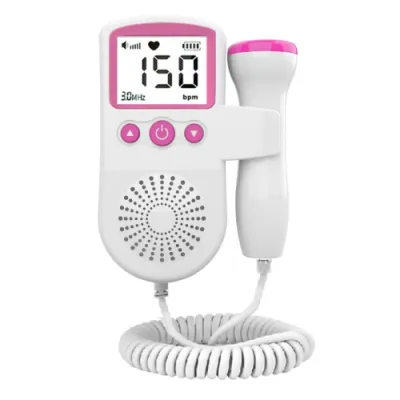
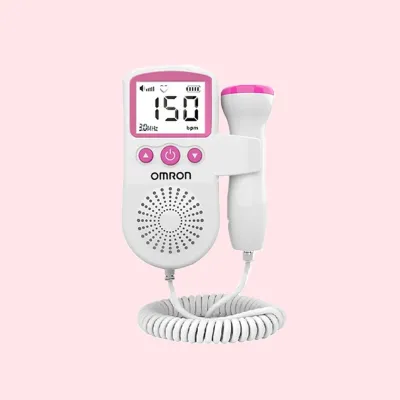

Prices are valid at publication and may change. Please refer to the product page for the latest price.
Clip-On Sensors
Clip-on sensors are compact, lightweight devices designed to attach directly to your baby’s clothing, such as the waistband of their pajamas, a diaper, or a swaddle. These monitors generally track abdominal movement to estimate breathing rates, though some models may incorporate additional sensors to monitor skin temperature or sleep position. Because they rely on physical attachment to clothing, their stability depends on how securely they are clipped. If your baby rolls over, pulls at their clothes, or sleeps in loose-fitting garments, the clip can easily detach or shift, which often triggers a false alarm.
Under-Mattress Pads
Under-mattress pads offer a completely non-contact monitoring solution. These flat, sensitive pads are placed directly beneath the crib mattress, where they use highly sensitive pressure or vibration sensors to detect the micro-movements caused by your baby’s breathing and heartbeat. Because they do not touch the baby, they eliminate skin irritation concerns entirely. However, their performance depends heavily on your nursery setup. They require a firm, flat, non-memory foam mattress to transfer movements effectively. Additionally, they can be highly sensitive to ambient room vibrations, such as those caused by heavy footsteps, nearby air conditioning units, or oscillating electric fans, which are common in tropical households.
Key Comparison Dimensions for Your Decision
Evaluating these technologies requires looking at how they perform under the practical, daily conditions of your home. From false alarms to the tropical climate, several factors will influence which monitor fits your lifestyle.

Accuracy and False Alarms
No consumer monitor is perfectly accurate, and false alarms are a common challenge for parents. Wearable socks can trigger alerts if they slip out of place during a feeding or a diaper change. Clip-on sensors frequently misread movements if the diaper becomes loose or if the baby shifts onto their stomach. Under-mattress pads may fail to detect movement if the baby rolls to the very edge of the crib, or they might falsely register a heartbeat by picking up the vibrations of a nearby fan. When an alarm sounds, you must always perform a physical check on your baby immediately rather than assuming it is a technical glitch.
Comfort and Skin Sensitivity
In warm, humid climates like the Philippines, direct skin contact requires extra vigilance. Wearable socks and clip-on sensors place plastic, silicone, or fabric directly against your baby’s delicate skin for hours at a time. Sweat and moisture can easily accumulate under these sensors, potentially leading to heat rashes, chafing, or localized skin irritation. Parents using wearables must regularly inspect their baby’s skin, clean the device according to the manufacturer’s instructions, and alternate feet or attachment points if redness occurs. Under-mattress pads completely bypass this issue, making them an excellent alternative for babies with highly sensitive skin or eczema.
Ease of Use and Setup
The daily maintenance routine of each monitor type varies significantly. Wearable socks and clip-on sensors require consistent attention; you must charge them daily, wash the fabric components regularly to prevent hygiene issues, and pair them with your smartphone or base station before every nap and bedtime. This can become tedious during late-night diaper changes. In contrast, under-mattress pads offer a convenient “set-and-forget” installation. Once calibrated beneath the mattress, they require no daily charging or washing, though you must ensure the crib remains clear of heavy toys or extra bedding that could interfere with the sensor’s calibration.
Connectivity and App Reliability
Most modern baby monitors rely on Bluetooth or Wi-Fi to transmit data to a smartphone application or a dedicated base station. Before purchasing, you should verify the wireless range and app compatibility with your specific mobile devices. In homes with thick concrete walls, Bluetooth signals may struggle to penetrate from the nursery to the living room. Look for systems that feature an offline base station that can sound an audible alarm even if your home internet connection drops. Additionally, review the manufacturer’s data privacy policies to understand how your baby’s health data is stored and secured.
Safety Limits and What These Monitors Cannot Do
While baby monitors can offer reassurance, they are not a substitute for safe sleep practices or professional medical care. It is vital to understand their limitations to avoid a false sense of security.
Consumer heartbeat and breathing monitors are classified as wellness devices, not approved medical equipment. They are not designed, tested, or certified to diagnose, treat, or prevent any medical condition, including Sudden Infant Death Syndrome (SIDS). Relying solely on a monitor’s alerts can lead to dangerous delays in recognizing a true emergency, or conversely, cause unnecessary anxiety from frequent false alarms.
The primary defense against sleep-related infant risks remains strict adherence to pediatric safe sleep guidelines. Always place your baby to sleep on their back, on a firm and flat mattress, in a crib or bassinet free of loose blankets, pillows, bumper pads, or stuffed toys. A monitor should only be used as an extra layer of observation, never as a justification to bypass these fundamental safety rules.
If you ever observe signs of illness or physical distress in your baby—such as rapid or shallow breathing, chest retractions, unusual lethargy, pale or bluish skin, or a weak cry—you must seek immediate medical attention. Do not wait for a consumer monitor to confirm your observations. If a device consistently fails to provide readings or triggers constant, unexplained alarms, stop using it and consult your pediatrician to discuss whether professional-grade monitoring is clinically indicated.
How to Choose the Right Monitor for Your Baby
Selecting the right monitor involves matching the technology to your baby’s sleep habits, physical development, and your home environment.
Consider a wearable sock if your baby sleeps consistently in a standard crib, you prefer direct biometric tracking, and you are willing to manage daily charging and sizing adjustments. This option works well for parents who want detailed, continuous readings and can maintain a secure, snug fit on their baby’s foot.
Opt for an under-mattress pad if your baby has highly sensitive skin, or if you want to avoid the hassle of daily charging, washing, and attaching sensors to a squirming infant. Ensure your nursery has a firm, compatible mattress and is free from external vibrations, such as heavy foot traffic or strong drafts from electric fans, which can interfere with the pad’s sensors.
Choose a clip-on sensor if you travel frequently and need a highly portable, battery-operated option that does not rely on a complex mattress setup. Be prepared, however, for a higher likelihood of displacement and false alarms as your baby grows more active and begins to roll over during sleep.
Before making a final purchase, check the return policies of authorized local distributors or online marketplaces. Because every baby and nursery setup is unique, having the flexibility to return or exchange the monitor if it causes excessive false alarms in your specific home environment is highly valuable. When budgeting, you can compare prices in Philippine Pesos (₱) across official brand websites to find an option that fits your financial plan.
Frequently Asked Questions (FAQ)
Do baby heartbeat monitors prevent SIDS?
No, consumer baby heartbeat monitors are not proven to prevent SIDS. Pediatric health organizations emphasize that no commercial monitoring device has been shown to reduce the risk of SIDS. The most effective way to protect your baby is to follow established safe sleep guidelines, which include placing your baby on their back to sleep in a bare crib.
At what age should I stop using a heartbeat monitor?
Most parents choose to transition away from baby heartbeat monitors once their baby reaches six months of age, can roll over consistently in both directions, or outgrows the largest wearable sensor sizes. At this stage, increased mobility often leads to frequent false alarms. You should consult your pediatrician for personalized advice based on your baby’s unique health history and developmental milestones.
Community discussion
Share your experience or ask a question. Comments are reviewed before publication.