
Matching your baby’s feeding set and training cup to their specific weaning stage is a journey that depends on observing developmental readiness rather than strictly following calendar months. While age guidelines on packaging offer a helpful starting point, every baby develops at their own pace. By focusing on physical milestones—such as head control, sitting stability, and hand-eye coordination—you can select tableware and cups that support their natural progression from swallowing smooth purees to mastering independent eating.
Choosing the right tools at each stage does more than just contain the mess; it actively encourages oral motor development and fine motor skills. A well-matched feeding set for baby transitions naturally alongside their growing abilities, turning mealtime from a challenging task into an engaging learning experience. By observing your baby’s physical cues and cross-referencing them with manufacturer specifications, you can build a safe, functional, and stress-free weaning setup.
Understanding Your Baby's Weaning Stages and Readiness Signals
Before purchasing any weaning gear, it is essential to recognize the physical signs that indicate your baby is ready to transition to solid foods. The most critical milestone is the ability to sit upright with minimal support and maintain steady head control. This physical stability is vital for safe swallowing and reduces the risk of choking during early feeding sessions.
Products mentioned in this guide
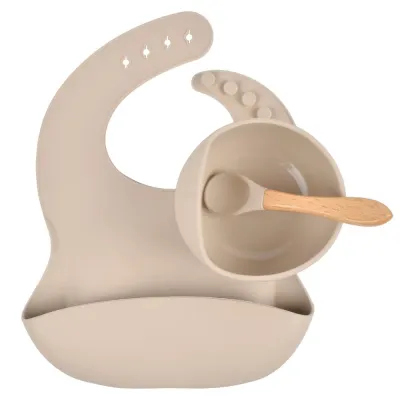
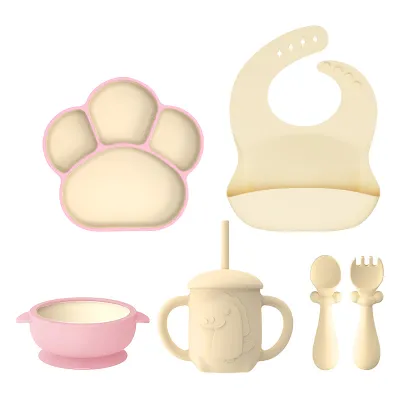
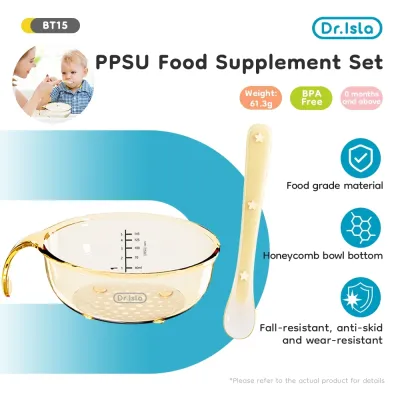
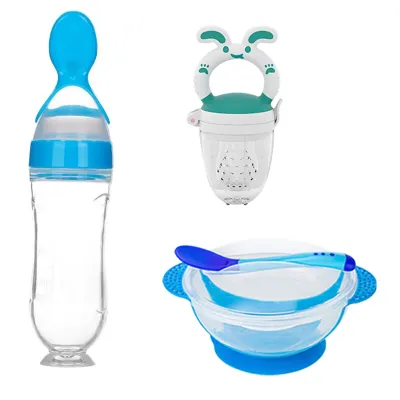
Prices are valid at publication and may change. Please refer to the product page for the latest price.
Another key signal is the disappearance of the tongue-thrust reflex, which naturally pushes foreign objects out of the mouth. When babies are ready for solids, they will begin to show active interest in your meals, leaning forward, reaching for food, or opening their mouths when a spoon approaches. These behaviors indicate that their digestive system and motor skills are aligning for the introduction of new textures.
As weaning progresses, you will observe the development of hand-eye coordination and the palmar grasp, where your baby uses their entire hand to scoop up objects. Later, this refines into the pincer grasp, using the thumb and index finger to pick up small pieces of food. Recognizing these shifts helps you determine when to transition from parent-led spoon feeding to self-feeding tools.
While developmental milestones are the primary guide, always cross-reference your baby’s physical readiness with the manufacturer’s recommended stage labels on product packaging. These age and stage indicators are designed to match typical physical capabilities, ensuring that the size, weight, and flow rate of the items are appropriate. Combining your direct observations with these manufacturer guidelines creates a reliable framework for selecting the right gear.
Stage 1: Introduction to Solids and First Sips
The initial phase of weaning is all about introducing your baby to the sensation of swallowing foods other than breast milk or formula. At this stage, parent-led feeding is the norm, and the primary goal of your tableware is to make this transition as gentle as possible. Look for shallow bowls that allow you to easily scoop up small portions of smooth purees and monitor how much your baby is consuming.

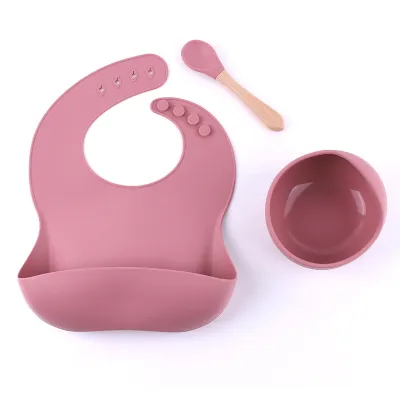
Spoons for this stage should be crafted from ultra-soft, flexible materials like food-grade silicone to protect your baby’s highly sensitive gums. A shallow spoon bowl is ideal, as it prevents too much food from being deposited into the mouth at once, making swallowing easier to manage. Avoid hard plastic or metal utensils during these early weeks, as accidental bumps can cause discomfort and create a negative association with mealtime.
For hydration, introducing water alongside solids is a key step, but it requires a cup designed for beginners. Small-capacity open cups or soft-spout training cups are excellent choices for these initial sips. A smaller cup is lighter and easier for you to guide, helping your baby learn the basic mechanics of tipping and sipping without overwhelming them with a heavy volume of liquid.
In warm, humid tropical climates like the Philippines, hygiene is a top priority when selecting early weaning gear. Prioritize simple, streamlined designs that do not feature complex valves, narrow straws, or hard-to-reach crevices where moisture can linger. Simple two-piece cups and basic bowls are much easier to wash thoroughly and dry completely, preventing the buildup of mold and bacteria in humid conditions.
Stage 2: Exploring Textures and Early Self-Feeding
As your baby reaches the middle of their first year of weaning, they will begin to explore thicker textures and show an eager desire to feed themselves. This stage is characterized by active exploration, which inevitably leads to dropped bowls and spilled food. To manage the mess and encourage independence, suction bowls and plates are highly practical additions to your high chair setup.
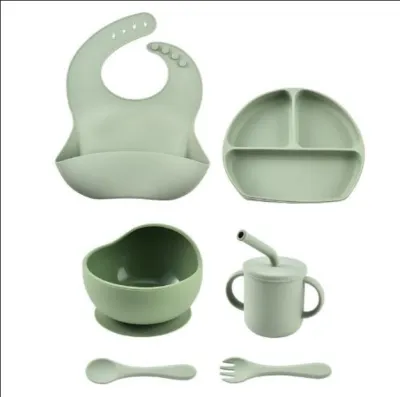
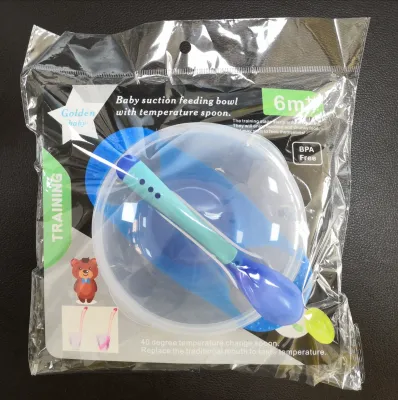
A strong suction base keeps the tableware firmly anchored to the high chair tray or dining table, preventing your baby from lifting and flipping their food. This stability allows them to focus their energy on scooping food onto their utensils rather than chasing a sliding bowl around the table. Look for suction plates with easy-release tabs that allow parents to remove the dish quickly once mealtime is over.
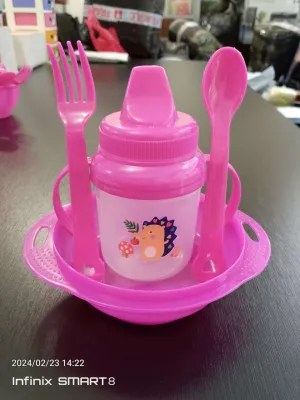
Utensils must also evolve to match your baby’s developing grasp. Transition to short-handled, chunky spoons and forks specifically designed for small hands to hold. These ergonomic designs often feature textured grips or collar guards that prevent the utensil from being pushed too far into the mouth, allowing your baby to practice self-feeding safely and confidently.
Drinking skills also advance during this stage, making it the perfect time to introduce straw cups or weighted-base cups. Weighted straw cups are particularly useful because the weight at the bottom of the straw follows the liquid, allowing your baby to drink from any angle, even when tilted. When selecting these cups, verify the manufacturer’s specifications regarding flow rates and material durability to ensure they can withstand frequent drops on hard floors.
Stage 3: Independent Eating and Advanced Drinking
By the time your child reaches the later stages of weaning, they are becoming highly capable, independent eaters who enjoy a variety of food groups. To support this stage, divided plates are excellent tools for serving balanced meals. These plates feature separate compartments that keep different food textures and flavors from mixing, which can be highly appealing to toddlers who prefer distinct food placements.
Divided plates also provide a physical edge that helps toddlers scoop up their food more easily. Pair these plates with advanced utensils that feature angled handles or textured grips designed to support autonomous scooping and stabbing. These tools are shaped to match the natural hand-to-mouth pathway of older babies, reducing frustration and building confidence during self-led meals.
Drinking transitions to more mature designs at this stage, such as straight straw cups or advanced open training cups. Straight straw cups help develop mature lip-seal and swallowing patterns, while open training cups with insert lids control the flow of water to prevent sudden spills. These cups prepare your child for using standard household glassware as they continue to grow.
Because advanced cups often feature leak-proof valves to prevent spills during active play, parents must remain vigilant about cleanliness. Always verify the cleanability of any remaining valves or seals by checking if they can be completely disassembled for washing. In warm climates, any trapped moisture in a valve can quickly become a breeding ground for mold, so choosing designs that can be thoroughly scrubbed and air-dried is essential.
Essential Safety, Material, and Care Checks
Ensuring the safety and longevity of your baby’s feeding set requires regular inspection and adherence to manufacturer guidelines. Before purchasing any item, read and verify the manufacturer’s material specifications on the packaging. Look for clear indications that the products are made from food-grade silicone, high-quality plastics, and are certified as BPA-free to ensure no harmful chemicals come into contact with your baby’s food.
Regularly inspect all tableware and cups for signs of wear and tear, especially if your baby has started teething. Check silicone spoons and bottle spouts for tiny tears, cracks, or structural degradation, as damaged pieces can harbor bacteria or tear off completely, posing a choking hazard. If you notice any warping, deep scratches, or changes in the texture of the material, it is time to replace the item immediately.
Carefully check product labels for specific instructions regarding microwave, sterilizer, and dishwasher safety limits. Not all silicone or plastic items are designed to withstand the high temperatures of steam sterilizers or the intense heat of a microwave. Exceeding these temperature limits can cause materials to degrade, warp, or lose their suction capabilities, compromising both safety and functionality.
Establish clear conditions for when to retire and replace worn-out feeding gear. For example, if a suction plate no longer adheres to surfaces, or if a straw cup valve shows persistent discoloration that cannot be cleaned, these are clear signs that the product has reached the end of its usable life. Investing in high-quality, durable items and maintaining them according to the manufacturer’s instructions ensures a safe feeding environment for your growing baby.
Frequently Asked Questions (FAQ)
How do I know if my baby is ready to move from a spout cup to a straw cup?
Your baby may be ready to transition to a straw cup when they demonstrate the ability to seal their lips tightly around a straw and coordinate sucking with swallowing without coughing. You can also look for behavioral cues, such as showing curiosity when watching family members drink from straws or attempting to sip from your own cup. If they can hold a cup upright and manage a steady flow of liquid without choking, they are likely ready to practice using a straw.
What should I do if the suction plate stops sticking to the table?
If your suction plate loses its grip, start by thoroughly cleaning both the suction base and the table surface to remove any invisible grease, dust, or moisture, as even a tiny barrier can break the vacuum seal. Ensure both surfaces are completely dry before pressing the plate down firmly from the center outward to push out all trapped air. If the silicone has warped from high-heat sterilization or dishwasher use, the suction mechanism may be permanently compromised, indicating it is time to replace the plate.
Can I use regular household bowls instead of specific weaning sets?
While you can technically use standard household bowls, they lack the safety and developmental features of purpose-built weaning sets. Regular ceramic or glass bowls are heavy, highly breakable, and can pose a safety risk if dropped, while standard plastic bowls may not be certified food-grade or BPA-free. Furthermore, household bowls do not feature suction bases to prevent spills or ergonomic shapes that help small hands scoop food, making them better suited for older children who have fully mastered self-feeding.

Community discussion
Share your experience or ask a question. Comments are reviewed before publication.