
Selecting the right duyan with a mosquito net for your baby requires balancing structural safety, physical comfort, and practical nursery needs. While the gentle, rhythmic swaying of a duyan can help soothe a restless infant, and an integrated mosquito net provides essential protection against insect-borne illnesses, not all models are built equal. To make an informed purchase, you must evaluate the stability of the frame, the breathability of the fabrics, the security of the net closures, and the specific developmental limits of your child. Prioritizing these verifiable safety features over aesthetic appeal ensures a secure and comfortable resting environment for your baby.
Because safety standards and physical designs vary widely, finding the right model requires looking beyond product names or marketing claims. You must verify weight limits, frame security, and airflow directly from the manufacturer’s official documentation. This guide outlines the critical features, safety checks, and material considerations to help you evaluate your options and make a confident decision.
Identifying the Right Type of Baby Duyan for Your Space
Understanding the structural differences between duyan styles helps you choose a model that fits both your home layout and your baby’s developmental stage. Traditional and modern designs offer distinct advantages, but each comes with specific safety and space considerations that you must evaluate before buying.
Products mentioned in this guide
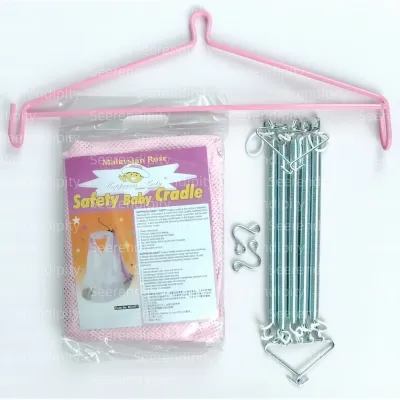

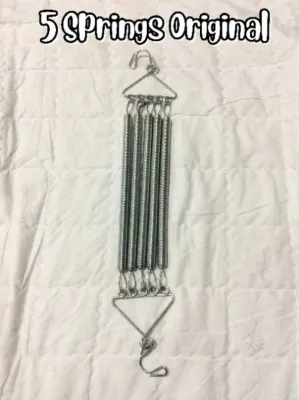
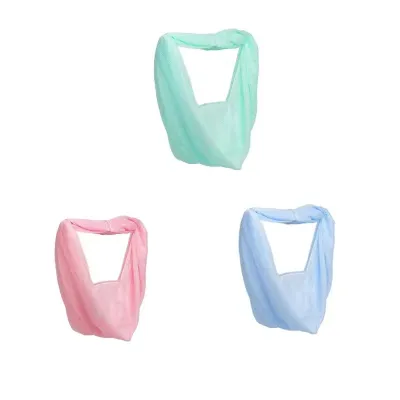
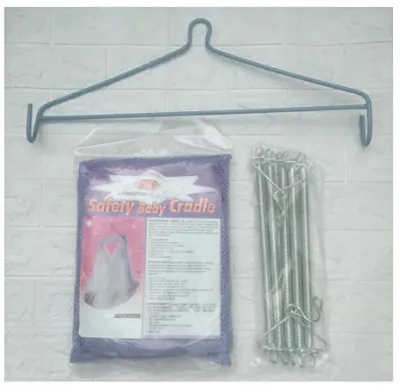
Prices are valid at publication and may change. Please refer to the product page for the latest price.
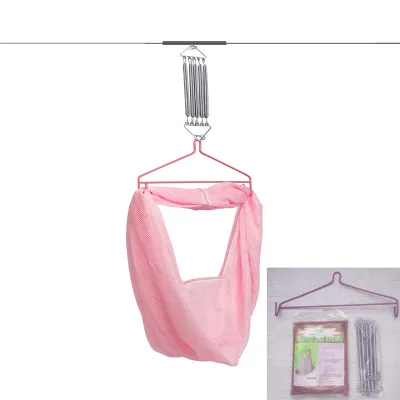
Hammock-style duyans typically consist of a fabric sling suspended from a freestanding metal frame or anchored directly to ceiling mounts. This style cradles the baby closely, mimicking the snug environment of the womb, which many infants find highly comforting. However, because the fabric conforms to the baby’s body, you must carefully monitor their sleeping posture to ensure their head does not tilt forward, which can restrict their airway. Additionally, hanging models require highly secure anchoring points to prevent falls.
Freestanding cradles or bassinet-style duyans feature a flat, rigid sleeping surface suspended within a stable outer frame. These models often include a structured mosquito net canopy that arches over the top, keeping the mesh fabric well away from your baby’s face. The flat base supports recommended safe sleep practices by keeping the infant’s spine neutral and flat. These units are generally sturdier and less prone to excessive swinging than traditional hammock styles.
Multi-functional bouncers or rocker duyans are low-to-the-ground, compact units that often feature detachable or foldable mosquito nets. Many of these modern models include electronic swaying motions, built-in lullabies, or vibration settings. While highly portable and convenient for moving around the house, they typically have lower weight limits and are designed primarily for supervised awake time or short, attended naps rather than overnight sleep.
Regardless of the style you select, you must stop using any duyan as soon as your baby shows signs of rolling over, pushing up on their hands and knees, or attempting to sit up. These physical milestones alter the baby’s center of gravity, significantly increasing the risk of the duyan tipping or the baby falling out. Always transition your child to a standard crib or a safe floor bed once these developmental milestones are reached.
Critical Safety and Structural Checks Before You Buy
Before finalizing your purchase on any online marketplace or in a physical store, you must perform a rigorous safety check of the product’s structural specifications. A baby’s sleeping gear must be robust enough to withstand daily movement without risk of collapse or tipping.

Frame stability is the foundation of duyan safety. For freestanding models, look for a wide, heavy-duty base that distributes weight evenly and resists tipping even when the duyan sways to its maximum angle. Check for non-slip rubber feet on the bottom of the frame; these prevent the unit from sliding across smooth tile or wooden floors during use. If the frame wobbles when you apply light pressure, it lacks the structural integrity required for safe use.
Inspect the mosquito net’s mesh density and closure security with care. The mesh must be fine enough to block tiny insects like mosquitoes and sandflies, yet open enough to allow continuous, unobstructed airflow. Examine how the net attaches to the duyan; secure zippers or tight elastic borders are preferable to loose ties. Avoid nets with dangling cords, loose ribbons, or large gaps, as these present serious strangulation and entanglement hazards for an active baby.
Never guess or assume a duyan’s weight capacity based on its physical size. Always locate the manufacturer’s maximum weight limit and age recommendations directly on the product label, packaging, or official instruction manual. If a product listing lacks clear, verified weight specifications, treat this as a major red flag and choose a different model. Operating a duyan beyond its rated capacity can cause material fatigue, leading to sudden structural failure.
If you choose a portable or folding duyan, inspect the locking mechanisms on the joints. The frame must feature secure, multi-step locking pins or automatic latches that prevent the unit from accidentally folding or collapsing while the baby is inside. Test these locks yourself to ensure they engage fully and cannot be easily dislodged by accidental bumps or the natural swaying motion of the cradle.
Choosing Breathable Materials for Tropical Climates
In warm and humid environments like the Philippines, heat and moisture accumulation inside a baby’s sleeping area can quickly lead to discomfort, heat rash, or overheating. Selecting the right materials is essential for maintaining a cool, hygienic, and comfortable microclimate.
The main sleeping surface must consist of highly breathable fabrics. Lightweight cotton blends, organic cotton, or integrated mesh side panels are excellent choices because they facilitate passive cooling and allow body heat to escape. Avoid synthetic, non-breathable fabrics like heavy polyester linings, which trap moisture and sweat against your baby’s sensitive skin.
Evaluate the mosquito net material for both airflow and visibility. A high-quality, lightweight polyester or nylon mesh is ideal because it resists tearing, does not absorb ambient humidity, and allows you to maintain a clear, unobstructed line of sight to supervise your baby from a distance. The mesh should be light-colored, such as white or pale grey, to maximize light penetration and make it easier to spot any insects resting on the outside of the net.
Hygiene maintenance is another critical factor when choosing fabrics. Babies are prone to spit-ups, diaper leaks, and sweat, which can quickly turn the duyan into a breeding ground for bacteria if not cleaned regularly. Verify whether the fabric lining, mattress cover, and mosquito net are fully removable and machine-washable. Models with non-removable fabric parts that require spot-cleaning are highly impractical for daily use.
Finally, inspect the materials used in the frame construction. If the duyan features a wooden frame, ensure all surfaces are sanded completely smooth to eliminate the risk of splinters, and verify that any paints, stains, or varnishes are labeled as non-toxic and lead-free. For metal frames, check that the powder coating is smooth, rust-resistant, and free of peeling flakes that a curious baby could ingest during their teething phase.
Evaluating Space, Portability, and Setup Needs
Your home’s physical layout and your family’s daily routine should dictate the size and portability of the duyan you choose. A model that is too large for your room or too heavy to move can quickly become a source of frustration.
Before buying, measure the floor footprint of freestanding models and compare it to your available nursery space. Keep in mind that a swaying duyan requires extra clearance on all sides; ensure there is a safe buffer zone so the basket or sling does not strike walls, doors, or adjacent furniture when in motion. For hanging models, measure the overhead clearance to ensure the duyan hangs at a safe, accessible height from the floor.
If you plan to move the duyan between rooms during the day, or if you travel frequently to visit family, portability is key. Look for models that fold down compactly and come with a dedicated travel bag to protect the fabric and net from dirt during transport. Check the overall weight of the assembled unit; a lightweight aluminum frame is much easier to carry than a heavy steel or solid wood structure.
Installation requirements vary significantly between models. Hanging duyans require heavy-duty ceiling hooks anchored directly into structural wooden joists or solid concrete ceilings. If you live in a rental property or lack the tools and expertise for structural mounting, a freestanding frame with tool-free assembly is a much safer and more practical choice. Incorrectly installed ceiling hooks pose a severe fall risk.
Always set up the duyan in a safe location within your home. Position the unit far away from potential hazards, including windows, dangling blind cords, electrical outlets, wall decorations, fans, heaters, and heavy furniture. Never place a freestanding duyan on elevated surfaces like tables, beds, or countertops, as the swaying motion can cause the frame to shift and fall.
Building Your Personalized Duyan Comparison Checklist
To help you organize your search and compare different models objectively, use the structured checklist below. This matrix allows you to evaluate key specifications side-by-side without relying on unverified online rankings.
| Duyan Type | Verified Weight Limit | Net Security Features | Washability | Footprint & Portability |
|---|---|---|---|---|
| Hammock-Style | Check label (e.g., up to 9 kg) | Elastic hem or zipper closure | Removable fabric sling | Large floor footprint; folding frames vary |
| Freestanding Cradle | Check label (e.g., up to 11 kg) | Zippered dome canopy | Removable mattress cover | Moderate footprint; best for stationary use |
| Bouncer / Rocker | Check label (e.g., up to 9 kg) | Detachable canopy net | Machine-washable seat pad | Compact footprint; highly portable |
When your chosen duyan is delivered, do not immediately place your baby inside. First, cross-reference the online marketplace description with the physical product label, safety warnings, and instruction manual included in the box. Online listings can sometimes contain outdated or inaccurate specifications, so the physical documentation must serve as your ultimate source of truth.
During unboxing and assembly, inspect the product for immediate red flags. If you notice frayed netting, loose or missing hardware, an unstable or wobbling base, a strong chemical odor from paints or plastics, or a lack of clear manufacturer contact information, halt assembly immediately. Do not use the product; contact the seller or manufacturer to arrange a return or replacement.
Frequently Asked Questions (FAQ)
When Should I Stop Using the Duyan?
You must stop using the duyan as soon as your baby reaches the manufacturer’s specified weight limit or exhibits key developmental milestones, whichever comes first. These milestones include rolling over, pushing up on their hands and knees, or attempting to sit up unassisted. Once a baby can move independently, they can easily shift their weight, causing a suspended duyan to tilt, swing excessively, or tip over, which poses a severe risk of falls or suffocation. Transition your baby to a standard crib or a safe floor bed immediately upon observing these signs.
How Do I Clean and Maintain the Mosquito Net?
To preserve the structural integrity and protective effectiveness of the mosquito net, always follow the specific care label instructions. Most nets require a gentle hand wash in cool water or a machine wash on a delicate cycle inside a mesh laundry bag to prevent the fine mesh from snagging on zippers or washing machine agitators. Use a mild, baby-safe detergent and avoid harsh chemicals, bleach, or fabric softeners, which can degrade the synthetic fibers and leave irritating chemical residues. Inspect the net before every use for tears, loose threads, or broken zippers, and repair or replace it immediately if you find any damage.

Community discussion
Share your experience or ask a question. Comments are reviewed before publication.