
Finding the best value in a crib for baby with foam mattress bundle in the Philippines requires looking beyond the initial price tag to evaluate long-term structural durability, certified mattress firmness, and adaptability to tropical climates. A high-value bundle is one where the crib safely supports your growing child through multiple developmental stages, and the foam mattress provides a firm, snug-fitting sleep surface that resists humidity-induced sagging. By prioritizing safety certifications, checking material specifications, and calculating the total cost of ownership, parents can secure a bundle that protects both their baby and their budget.
In the Philippines, high humidity and warm temperatures mean that nursery furniture must withstand moisture without warping, and mattresses must remain highly breathable to prevent heat retention. Buying these items as a bundle can offer significant savings and ensure a proper fit, but only if parents know how to verify the quality of both components. This guide breaks down how to evaluate bundle quality, verify safety specifications, and compare costs to make a confident purchasing decision.
What Defines True Value in Nursery Furniture Bundles
When shopping for a nursery bundle, true value is measured by how long the furniture remains useful and safe for your family. Many parents are tempted by the lowest price, but a cheap, single-stage crib that your baby outgrows in six months often ends up costing more in the long run than a slightly higher-priced convertible model. Convertible crib designs—such as 3-in-1 or 4-in-1 systems—can transition from a standard infant crib to a toddler bed, daybed, or even a full-sized headboard. This adaptability extends the lifespan of your investment from a few months to several years, making it a highly cost-effective choice.
Products mentioned in this guide
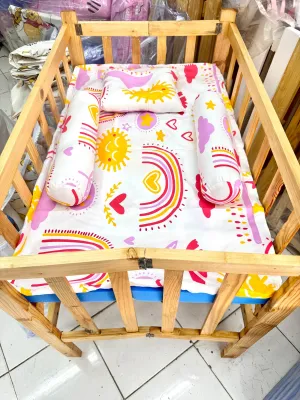


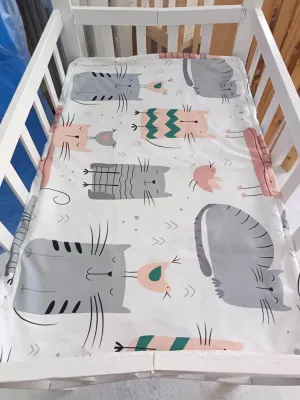
Prices are valid at publication and may change. Please refer to the product page for the latest price.
It is also essential to distinguish between high-quality bundle components and low-quality filler items designed to make a package look more attractive. Some bundles include accessories like matching pillows, thick bumper pads, or decorative hanging organizers. While these extras may seem like a great deal, thick bumper pads are actually discouraged by pediatric safety guidelines due to suffocation risks, and low-quality bedding can irritate sensitive infant skin. Focus your budget on the core components: a structurally sound crib frame and a high-density, supportive foam mattress.
The materials used in the crib frame directly impact its durability, especially in tropical climates. Solid wood, such as sustainably sourced pine or local hardwoods, handles humidity much better than low-grade fiberboard or engineered wood, which can swell, warp, or lose structural integrity when exposed to moisture. Additionally, you must verify that the finishes, paints, or varnishes used on the frame are non-toxic and lead-free. Babies frequently chew on crib rails when teething, so a durable, safe finish is non-negotiable for long-term safety and appearance.
Critical Safety Checks for Cribs and Foam Mattresses
Before purchasing any crib and mattress bundle, you must perform a strict safety audit of the product specifications. Start by checking the spacing of the crib slats to prevent entrapment hazards. The distance between slats should be no more than 6 centimeters (about 2.3 inches)—a gap small enough that a baby’s head, limbs, or body cannot slip through. You can verify this by checking the manufacturer’s documentation or measuring the gap yourself; if a standard soda can can fit between the slats, the spacing is too wide and unsafe.

Structural stability is another critical factor to verify before placing your baby in the crib. A high-quality crib should feel solid and unyielding when assembled. You can test this by firmly shaking the frame; there should be no wobbling, rattling, or loose joints. Ensure that all hardware, including screws, bolts, and brackets, fits tightly and does not protrude, as loose hardware can snag clothing or scratch your baby’s delicate skin. Always check the manufacturer’s documentation for weight limits and age recommendations, and stop using the crib once your child reaches the maximum weight or shows signs of being able to climb out.
The fit of the foam mattress inside the crib frame is just as important as the frame’s stability. A loose mattress creates dangerous gaps where a baby can become trapped. To verify a safe fit, apply the “two-finger rule”: if you can insert more than two fingers between the edge of the mattress and the crib frame, the mattress is too small. The mattress must fit snugly against all four sides of the crib with no visible gaps, ensuring a safe sleep environment.
Evaluating the Foam Mattress Specifications
The foam mattress included in your bundle directly impacts your baby’s sleep safety and physical development. Unlike adult mattresses, which prioritize plush comfort, infant mattresses must be exceptionally firm. A soft mattress can conform to a baby’s face if they roll over, creating a serious suffocation hazard. When evaluating the foam core, look for high-density polyurethane foam that resists indentation. You can test firmness by pressing your hand firmly into the center of the mattress; it should snap back immediately without leaving a lasting impression.
In the warm and humid climate of the Philippines, mattress hygiene and breathability are paramount. Look for bundles that feature a mattress with a breathable, water-resistant, or waterproof cover. A waterproof barrier protects the inner foam core from diaper leaks, spit-up, and sweat, which can otherwise seep into the foam and encourage the growth of mold, mildew, and bacteria. A removable, machine-washable cover makes it much easier to maintain a clean, hygienic sleeping environment for your baby.
Some premium bundles offer dual-firmness mattresses, which provide excellent long-term value. These mattresses feature an extra-firm side engineered specifically for infant sleep safety, and a slightly softer, more cushioned side designed for toddlers. This design allows you to simply flip the mattress over as your child transitions into their toddler years, saving you the expense of buying a completely new mattress later. Always check the product labels or manual to verify which side is intended for infants.
Calculating the Real Cost and Avoiding Hidden Fees
When comparing bundle prices on online marketplaces, the list price is rarely the final cost of ownership. Bulky furniture items like cribs are heavy and expensive to transport, meaning shipping fees can add a significant amount to your total bill, especially if you live outside major metropolitan areas like Metro Manila. Before checking out, always calculate the total cost including shipping, and check if the seller offers home delivery or assembly services, which may incur additional fees.
Warranty coverage is another crucial factor that protects your investment from premature failure. A reliable bundle should come with a clear manufacturer’s warranty covering structural defects in the crib frame, hardware failures, and premature sagging of the foam mattress. Be sure to read the warranty terms in the product documentation, as some warranties are voided if the furniture is not assembled according to the exact instructions or if non-standard accessories are used.
Finally, avoid bundles that utilize proprietary or non-standard crib dimensions. While a unique, custom-sized crib might look appealing or come at a very low initial price, finding replacement sheets, mattress protectors, or a new mattress later can be incredibly difficult and expensive. Standard crib sizes (typically 120 by 60 centimeters or 130 by 70 centimeters) ensure that you can easily find affordable, widely available bedding and replacement parts throughout your child’s early years.
Decision Framework: Choosing the Right Bundle Configuration
To choose the right bundle configuration for your home, you must evaluate your available space, budget, and long-term parenting plans. If you have a dedicated nursery room and want a single furniture investment that will last for several years, a convertible solid wood crib bundle is the most practical choice. This setup provides a robust, long-lasting frame that can transition with your child as they grow, offering the best overall value despite a higher initial cost.
If you live in a smaller apartment, practice room-sharing, or need the flexibility to move the crib between rooms, a compact or mini-crib bundle is a much better fit. Many mini-cribs feature lockable caster wheels, allowing you to easily roll the crib from the bedroom to the living space during the day. However, always verify that the wheels lock securely to prevent the crib from moving when your baby is inside, and ensure the mattress fits just as snugly as it would in a standard-sized crib.
Before finalizing your purchase, verify whether the bundle relies on proprietary mattress sizes or includes third-party accessories. If the bundle includes extras like mosquito nets, mobile toys, or fabric liners, inspect them carefully to ensure they meet safety standards. Any hanging toys or nets must be kept completely out of your baby’s reach to prevent entanglement hazards, and you should always prioritize the quality of the core crib and mattress over any temporary accessories.
Frequently Asked Questions (FAQ)
Can I use a regular adult foam mattress cut to size for a baby crib?
No, you should never use a regular adult foam mattress cut to size for a baby crib. Adult foam mattresses are far too soft for infants, creating a severe suffocation hazard if the baby rolls onto their stomach. Additionally, DIY cutting can result in uneven edges and dangerous gaps between the mattress and the crib frame, increasing the risk of entrapment. Always use a certified, specifically manufactured infant mattress that fits your crib perfectly.
How do I clean and maintain the foam mattress cover?
To clean and maintain the foam mattress cover, always follow the manufacturer’s specific washing instructions found on the care label. Most waterproof covers can be wiped down with a damp cloth and mild, baby-safe soap for quick cleanups, or removed and machine-washed on a gentle cycle. Ensure that both the cover and the foam core are completely dry before reassembling the mattress, as any trapped moisture can quickly lead to mold and mildew growth in humid climates.

Community discussion
Share your experience or ask a question. Comments are reviewed before publication.