
Designing a nursery for your baby girl is an exciting milestone, but it also presents a practical challenge: babies grow incredibly fast. A nursery setup that works perfectly for a newborn can quickly become obsolete within a few short years, leading to repeated furniture purchases and unnecessary stress. To maximize long-term value and create a cohesive space, many parents in the Philippines look for convertible nursery furniture sets. These innovative systems combine a secure sleeping area with an integrated changing table, offering a compact footprint that eventually transitions into a complete bedroom suite. By selecting a versatile bed for kids girls that adapts to your child’s developmental stages, you can invest once and enjoy a functional, beautiful room that lasts from infancy through adolescence.
When planning this investment, the key is understanding how these multi-stage furniture pieces function over time. A high-quality convertible set does not just adjust its mattress height; it physically transforms to meet the changing physical and lifestyle needs of a growing child. In tropical climates like the Philippines, where humidity levels can fluctuate significantly, choosing the right materials and structural designs is essential to ensure the furniture remains stable and safe throughout its multi-year lifespan. This guide will walk you through the mechanics of convertible furniture, the essential safety checks to perform, and how to plan your space to accommodate these transitions seamlessly.
Understanding Convertible Nursery Furniture Sets
A truly convertible nursery furniture set is designed with a modular architecture that allows it to evolve alongside your child’s physical milestones. Unlike standard cribs that must be completely replaced once a toddler learns to climb, a convertible system serves as a long-term foundation for your child’s bedroom. In its initial configuration, the set functions as a secure baby crib with an attached changing table station. This setup keeps all your diapering essentials, clothing, and swaddles within arm’s reach, minimizing the need to step away from your baby during changes.
Products mentioned in this guide

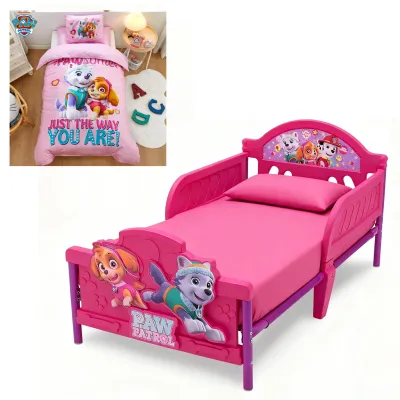
Prices are valid at publication and may change. Please refer to the product page for the latest price.
The transition process typically follows a multi-stage lifecycle, often referred to by manufacturers as a 3-in-1, 4-in-1, or 5-in-1 system. In the first transition, the front crib rail is replaced with a low toddler guardrail, creating a safe toddler bed that allows your child to climb in and out independently while preventing accidental falls. As your child grows further, the guardrail can be removed entirely to convert the frame into a daybed, which serves as a comfortable seating and sleeping area during the preschool years.
The final major transformation occurs when the crib frame is disassembled and reconfigured into a full-sized bed for kids girls. During this stage, the original headboard and footboard of the crib serve as the headboard and footboard of the larger bed, utilizing longer side rails to accommodate a standard full-size mattress. Meanwhile, the attached changing table component is designed to detach completely from the bed frame. Once separated, this section typically transitions into a standalone nightstand, a small chest of drawers, or even a study desk, depending on the specific model’s design. This modularity ensures that no part of your initial investment goes to waste, providing your daughter with a matching, mature furniture set as she enters school age.
Key Features to Look for in a Changing Table and Bed Combo
When evaluating different convertible sets, the changing table component requires careful inspection to ensure it remains practical during the diaper-changing years. Look closely at the manufacturer-specified weight limits and dimensions of the changing surface. Because babies grow at different rates, a changing table with a higher weight capacity and a longer surface will remain usable for a greater portion of your child’s infancy. Additionally, consider the storage configuration beneath the changing surface; a mix of deep drawers and open shelving allows you to keep high-use items like diapers and wipes easily accessible while storing seasonal clothing out of sight.

Safety and stability are paramount when the changing table is attached to the bed frame. Verify that the set features a secure attachment mechanism, such as heavy-duty steel brackets or recessed bolts, to prevent any shifting or wobbling when you place your baby on the changing pad. The changing area should also feature a removable changing topper with high, sturdy guardrails on all four sides to keep the changing pad securely in place. A removable topper is highly advantageous, as it allows you to convert the top of the unit into a smooth, flat chest of drawers once your child is fully potty-trained, removing any visual reminders of the nursery stage.
Aesthetic adaptability is another critical factor when choosing a bed for kids girls that will last for a decade or more. While bright pastel pinks and highly themed nursery designs are charming for a newborn, your daughter’s tastes will inevitably change as she grows. Selecting a furniture set with classic lines and neutral finishes—such as soft whites, warm wood tones, or gentle greys—provides a versatile canvas. You can easily update the room’s theme over the years using easily replaceable decor items, such as wall decals, bedding, curtains, and rugs, without needing to paint or replace the expensive wooden furniture.
Safety Standards and Structural Checks for Growing Furniture
Because convertible furniture undergoes multiple disassemblies and reassemblies over its lifespan, verifying its structural integrity and safety standards is a critical responsibility for caregivers. Before purchasing, always inspect the manufacturer’s product labels and documentation to verify compliance with recognized international nursery safety standards, such as those set by ASTM International or the Juvenile Products Manufacturers Association (JPMA). These certifications indicate that the furniture has undergone testing for structural stability, load-bearing capacity, and material safety.
When setting up the furniture in your home, pay close attention to the mattress fit and slat spacing. The distance between the crib slats must be narrow enough to prevent a child’s head or limbs from becoming trapped; standard safety guidelines dictate that slat spacing should not exceed 2 3/8 inches (approximately 6 centimeters). When selecting a mattress, perform a physical check to ensure there are no gaps between the mattress edge and the crib frame. A gap wider than two fingers can pose a severe entrapment hazard for an infant. Additionally, always verify the manufacturer’s specified weight limits for each individual stage of the bed to prevent structural failure as your child grows.
The hardware and finishes used on the furniture require ongoing inspection, particularly in the humid climate of the Philippines. High humidity can cause solid wood to expand and contract, which may loosen joint hardware over time. Regularly check and tighten all bolts, locking mechanisms, and brackets to ensure the frame remains rigid. Ensure that the product documentation certifies the use of non-toxic, lead-free finishes, as teething infants frequently chew on crib rails. Finally, because detached changing tables and dressers present a serious tip-over hazard for curious toddlers, always verify that the manufacturer includes a heavy-duty anti-tip wall anchor kit, and install it securely according to the provided instructions. If you ever notice cracked wood, stripped screw holes, or compromised joints, stop using the furniture immediately and consult the manufacturer or a qualified professional.
How to Evaluate Long-Term Value and Transition Stages
To determine if a convertible nursery set is truly a cost-effective choice for your family, it is important to look beyond the initial price tag and calculate the total cost of ownership. While a convertible set often carries a higher upfront cost than a basic standalone crib, it can save you significant money over time by eliminating the need to purchase a separate toddler bed, daybed, and full-sized bed frame. To make an accurate comparison, map out the cumulative cost of buying these individual pieces over a twelve-year period, factoring in the cost of a separate changing table and storage chest.
However, a common pitfall for parents is overlooking the cost of conversion kits. Many convertible beds require specific wooden rails, stabilizer bars, or support slats to transition from one stage to the next. These parts are rarely included in the base package and must be purchased separately. In the Philippines, these conversion kits can range in price from ₱3,000 to ₱10,000 or more, depending on the brand and complexity of the system. It is highly recommended to purchase the necessary conversion kits at the same time you buy the initial nursery set. Manufacturers frequently update their product lines, and waiting several years to buy a conversion kit carries a high risk that the specific model, color, or matching hardware will be discontinued.
When evaluating long-term value, also consider the durability of the materials. Sets constructed from solid hardwoods, such as rubberwood, beech, or pine, generally withstand the wear and tear of multiple reassemblies much better than those made from low-grade particleboard or medium-density fiberboard (MDF). High-quality wood is less prone to warping in humid tropical environments and holds screws more securely over repeated transitions. Investing a bit more upfront in a structurally superior solid wood set ensures that the bed will actually survive the journey from your daughter’s infancy all the way to her teenage years.
Space Planning and Room Layout for Convertible Sets
Before committing to a specific convertible furniture set, careful room measurement and space planning are essential to ensure the pieces will fit comfortably in both their initial and expanded configurations. In its nursery setup, a crib with an attached changing table has a significantly larger footprint than a standard standalone crib. This combined unit typically requires a long, uninterrupted wall space. Measure your room’s dimensions carefully, taking into account the location of electrical outlets, light switches, and baseboards that might prevent the furniture from sitting flush against the wall.
Caregiver access and safety must also guide your room layout. Ensure there is ample clearance space (at least 3 feet or 90 centimeters) in front of the changing table so you can stand comfortably and move freely while attending to your baby. Avoid placing the changing table or crib directly beneath windows, where cords from blinds, direct sunlight, or outdoor drafts could pose safety risks. In the Philippines, it is also crucial to plan the layout relative to your air conditioning units. Position the bed so that the cool air does not blow directly onto your sleeping child, while still allowing for adequate air circulation throughout the room to prevent mold growth in humid corners.
Finally, visualize the room’s layout for the future conversion stages. When the crib eventually transforms into a full-sized bed, it will project much further into the room than the original crib configuration. Ensure that the bedroom has enough floor space to accommodate a full-size bed frame without blocking closet doors, entryways, or natural walking paths. If your nursery room is highly compact, look for convertible sets where the changing table can be detached early in the lifecycle, allowing you to distribute the furniture pieces to different areas of the room to optimize the available floor space.
Frequently Asked Questions (FAQ)
At what age should I transition my child from the crib to the toddler bed configuration?
The transition from a crib to a toddler bed is determined by your child’s physical development and behavior rather than a strict chronological age. Caregivers should look for observable signs of readiness, such as when the child begins attempting to climb out of the crib or when they reach a height of 35 inches (approximately 89 centimeters), which makes climbing over the rail much easier. Always consult your specific product manual to verify the manufacturer’s recommended height and weight limits for the crib stage. Transitioning at the right developmental milestone is crucial to prevent accidental falls and ensure your child’s safety during the night.
Can I use a standard mattress for the toddler bed stage, or do I need a specific size?
In most cases, the toddler bed and daybed configurations of a convertible set are designed to reuse the exact same standard crib mattress that you used during the infancy stage. This helps save money and extends the utility of your initial mattress purchase. However, you must verify the exact mattress dimensions, firmness, and thickness limits specified in your furniture’s instruction manual. Using a mattress that is too thin or does not fit snugly within the toddler bed frame can create dangerous gaps along the sides, posing a severe entrapment hazard for a young child.
What should I do if I lose the hardware needed to convert the furniture to the next stage?
If you discover that you are missing the specialized bolts, brackets, or screws required to convert your furniture to the next stage, do not attempt to use generic hardware from a local home improvement store. Improvised hardware may not match the exact thread pitch, length, or structural load-bearing capacity required for the joint, which can compromise the safety of the bed. Instead, locate the product label on your furniture frame to find the exact model number and manufacturing date. Contact the manufacturer’s customer service department directly to order official, certified replacement hardware kits designed specifically for your model.

Community discussion
Share your experience or ask a question. Comments are reviewed before publication.