
Finding the right support during feeding sessions can transform your daily routine from a physically demanding chore into a comfortable bonding experience. A dedicated childcare nursing pillow is designed to lift your baby to the correct height, reducing the strain on your back, neck, shoulders, and arms. In a warm and humid climate like the Philippines, where feeding sessions can quickly become sweaty and uncomfortable, choosing a pillow with the right design, materials, and breathability is essential for both you and your baby.
To make an informed decision, you must look beyond cute patterns and focus on the physical features that directly impact comfort, posture, and safety. The ideal pillow should fit your body shape, provide firm and lasting support, and be exceptionally easy to clean. By evaluating these key elements, you can select a feeding companion that supports your posture and keeps your baby secure throughout their early development.
Evaluate Shape and Design for Feeding Postures
The physical shape of a childcare nursing pillow determines how well it wraps around your body and how it positions your baby during feeds. The most common designs include C-shaped, U-shaped, and crescent or wrap-around pillows. A C-shaped pillow is highly versatile and slides easily around the front of your waist, making it a popular choice for quick setups. However, because it does not latch around your back, it may shift slightly if you move during a feeding session.
Products mentioned in this guide
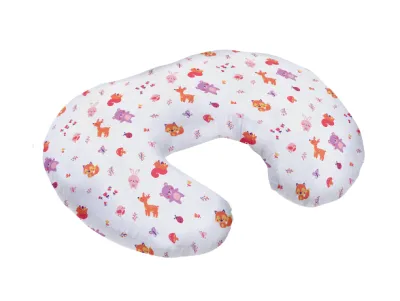
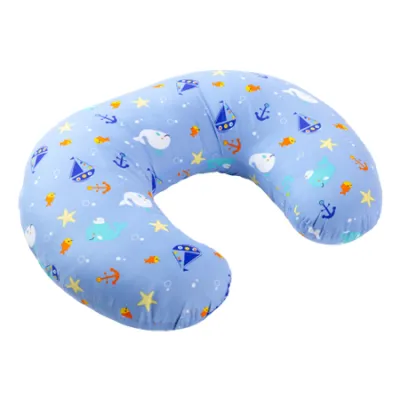
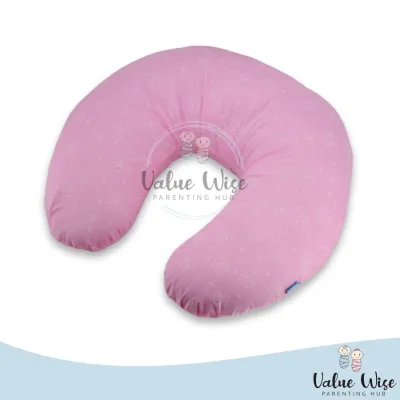
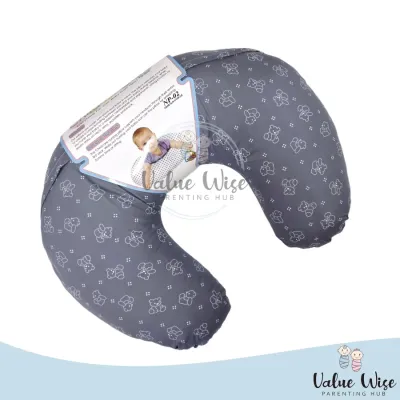
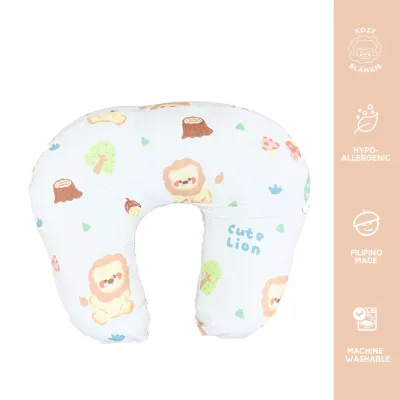
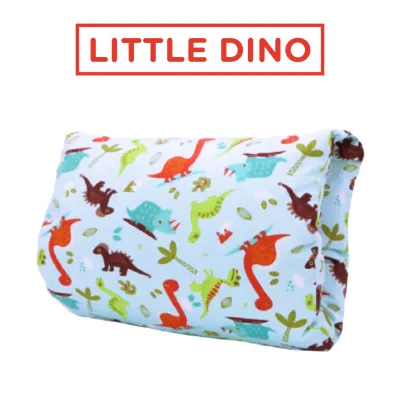
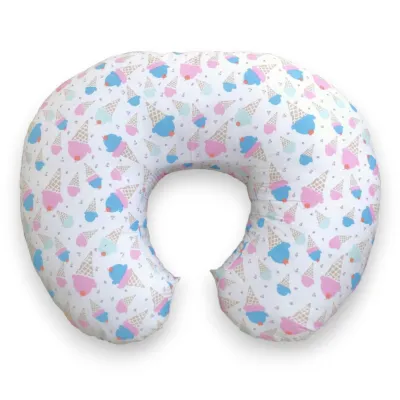
Prices are valid at publication and may change. Please refer to the product page for the latest price.
For a more secure fit, wrap-around designs feature adjustable straps or clips that buckle behind your back. This mechanism locks the pillow against your torso, preventing any gaps from forming between you and the cushion. This is particularly helpful if you prefer to feed while sitting upright in a glider or on a wide sofa, as it ensures the baby does not slip down into a crevice.
Beyond the horizontal shape, you must carefully assess the pillow’s thickness and height. The primary goal of a nursing pillow is to bring your baby’s mouth directly to your breast level without requiring you to hunch forward. If the pillow is too flat, you will find yourself leaning down, which quickly leads to chronic shoulder and neck tension. Conversely, an excessively thick pillow might force you to lift your shoulders or tilt your baby awkwardly, disrupting a comfortable latch.
Check Filling Materials and Firmness Levels
The internal filling of a childcare nursing pillow dictates its overall firmness, weight, and longevity. While a soft, plush pillow might feel comfortable to the touch, it is generally unsuitable for feeding. A baby needs a highly supportive, firm surface that keeps their body elevated and aligned. If the pillow is too soft, the baby’s weight will cause them to sink into the cushion, which can cause them to roll inward toward your body and compromise their airway or latch.

Polyester fiberfill is the most common and affordable filling material, offering a lightweight and moderately soft feel. While comfortable, fiberfill can clump or flatten over time with heavy use, requiring regular fluffing to maintain its height. Molded foam or memory foam provides a much firmer, highly consistent surface that does not sag under weight, though it tends to retain more body heat. Microbead fillings offer excellent moldability, allowing you to shift the beads to conform to your baby’s body, but they must be packed densely to prevent the baby from sinking.
When reviewing filling materials, always check the product labels for hypoallergenic certifications. Look for manufacturer documentation indicating that the materials are free from harmful chemicals, heavy metals, and flame retardants. Because your newborn will spend hours resting on this surface, verifying these material standards helps protect their sensitive respiratory system and skin from potential irritants.
Consider Cover Fabrics and Cleaning Convenience
Spills, drool, and spit-up are inevitable parts of the feeding journey, making cleaning convenience a top priority when selecting a childcare nursing pillow. You should prioritize pillows that feature a completely removable, machine-washable cover. Trying to spot-clean an entire pillow every time milk leaks can quickly become exhausting, whereas a zippered cover can be slipped off and tossed into the washing machine with ease.
The fabric of the cover plays a significant role in your baby’s comfort, especially in tropical environments. Natural, breathable fibers such as 100% organic cotton, bamboo rayon, or lightweight cotton blends are ideal. These materials allow air to circulate freely, preventing heat buildup and reducing the risk of heat rash on your baby’s delicate skin. Avoid synthetic fabrics like polyester or heavy plush velour if you live in a warm area, as they tend to trap heat and sweat, making feeding sessions uncomfortable for both of you.
Additionally, inspect the construction of the cover’s zipper. The zipper should be hidden beneath a fabric flap or recessed deeply into a seam. An exposed metal or plastic zipper pull can easily scratch your baby’s face, arms, or legs during a feed, or snag your own clothing. A well-designed cover ensures that all fastening mechanisms are completely shielded from direct contact.
Verify Safety Labels and Age Suitability
Before purchasing any childcare nursing pillow, you must carefully read the manufacturer’s guidelines regarding age, weight, and developmental milestones. Some pillows are specifically contoured for small newborns, while others are larger and designed to accommodate growing infants. Using a pillow that does not match your baby’s current size can lead to poor positioning and physical discomfort.
It is critical to remember that nursing pillows are strictly designed as feeding aids under active caregiver supervision. They are never intended for unsupervised infant sleep, lounging, or napping. Placing a sleeping baby on a nursing pillow increases the risk of positional asphyxiation, where the baby’s head chin-tucks forward and blocks their airway, or suffocation if they roll into the soft fabric. Always transition your baby to a flat, firm, dedicated sleep surface if they fall asleep during or after a feed.
Take the time to inspect the product tags for visible safety warnings and compliance labels. These tags provide essential instructions on proper positioning and warn against hazardous uses. If you notice any signs of wear, such as torn seams, exposed filling, or a significant loss of structural firmness, stop using the pillow immediately to prevent safety risks.
Assess Extra Features and Portability
Depending on your lifestyle and daily routine, certain extra features can greatly enhance the utility of your childcare nursing pillow. For instance, some pillows come equipped with built-in side pockets. These pockets are incredibly convenient for holding small essentials like burp cloths, nursing pads, pacifiers, or your phone, keeping them within easy reach so you do not have to disturb a feeding baby.
Portability is another key factor if you plan to move the pillow frequently between rooms or take it with you when traveling. Look for lightweight designs that feature an integrated fabric carrying handle. A handle allows you to carry the pillow easily in one hand while holding your baby in the other. If you have limited storage space, consider how easily the pillow can be tucked away or hung up when not in use.
Some manufacturers market their nursing pillows as multi-purpose items that can support tummy time or assist older babies who are learning to sit upright. If you plan to use the pillow for these developmental stages, ensure you strictly follow the manufacturer’s age recommendations and usage instructions. Never use the pillow to prop up a baby who lacks head control, and always maintain direct line-of-sight supervision during these activities.
Your Nursing Pillow Selection Checklist
To help you compare different options when shopping online or at local baby boutiques, use this practical checklist to evaluate each pillow:
- Firmness and Rebound: Press your hand firmly into the center of the pillow. It should resist sinking and bounce back immediately to its original shape.
- Secure Fit: Check if the pillow has an adjustable waist strap or a flexible design that hugs your torso tightly without leaving gaps.
- Washability: Confirm that the outer cover is fully removable and machine-washable, with a hidden zipper.
- Fabric Breathability: Opt for natural, lightweight fabrics like cotton or bamboo to prevent overheating.
- Safety Compliance: Verify that the product includes clear manufacturer warnings against unsupervised sleep and matches your baby's developmental stage.
Before making your final choice, sit down in the chair you plan to use most frequently for feeding. Ensure the pillow fits comfortably between the armrests without being squeezed or distorted, as this can alter its height and compromise your physical comfort.
Frequently Asked Questions (FAQ)
Can a regular bed pillow replace a childcare nursing pillow?
While it is tempting to use standard household bed pillows, they generally lack the structural integrity and ergonomic design required for safe and comfortable feeding. Regular pillows are typically too soft, causing your baby to sink and roll inward, which can disrupt their latch and strain your arms as you constantly lift them. Additionally, bed pillows do not wrap around your waist, meaning they will slide away as you or your baby shift, forcing you to constantly readjust your posture and leading to back and neck strain.
How do I know if the nursing pillow is the right height for me?
A nursing pillow is at the correct height when your baby’s nose and mouth align naturally with your nipple while you are sitting completely upright. You should not have to lean forward, slouch your shoulders, or lift the pillow with your arms to maintain this alignment. If you find yourself hunching over to reach your baby, the pillow is too low, and you may need a thicker model or one with adjustable height layers. If you have to strain your shoulders upward, the pillow is too high.

Community discussion
Share your experience or ask a question. Comments are reviewed before publication.