
Selecting a cover for a breastfeeding mom in the Philippines requires balancing personal comfort, modesty, and the baby’s safety in a tropical climate. The intense heat and high humidity mean that a standard, heavy fabric cover can quickly turn a feeding session into an uncomfortable, sweaty experience for both mother and child. To ensure a pleasant experience, the most effective nursing cover for hot weather is an apron-style cover made from lightweight, open-weave natural fabrics like cotton muslin or bamboo viscose. This design features a structured, rigid neckline that bows outward, allowing fresh air to circulate freely while keeping the baby visible to the mother at all times. By prioritizing breathability and airflow, mothers can confidently nurse their babies in public spaces without the risk of overheating.
Why Tropical Climates Change Your Nursing Cover Needs
Breastfeeding in a tropical environment presents unique physiological challenges that differ significantly from nursing in cooler climates. When a mother holds her baby close for feeding, the direct skin-to-skin contact naturally generates a substantial amount of body heat. In a humid climate, where the air is already saturated with moisture, sweat cannot evaporate efficiently from the skin. This lack of evaporation prevents the body’s natural cooling mechanism from working effectively, causing both mother and baby to feel rapidly overheated and uncomfortable during a feed.
Trapped heat and moisture under a heavy cover can lead to more than just temporary discomfort. Babies have delicate, sensitive skin and underdeveloped sweat glands, making them highly susceptible to heat-related skin conditions. Prolonged exposure to trapped sweat and friction under a non-breathable fabric can quickly trigger heat rash, commonly known locally as bungang-araw, as well as other forms of contact dermatitis. Ensuring a continuous flow of fresh air is essential to keep the baby’s skin dry and cool, reducing the risk of painful skin irritations.
Products mentioned in this guide
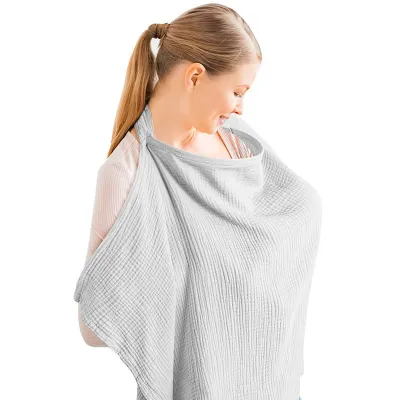
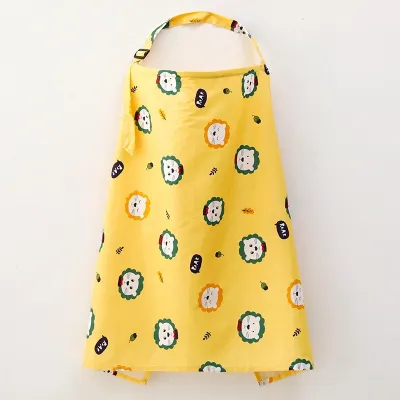
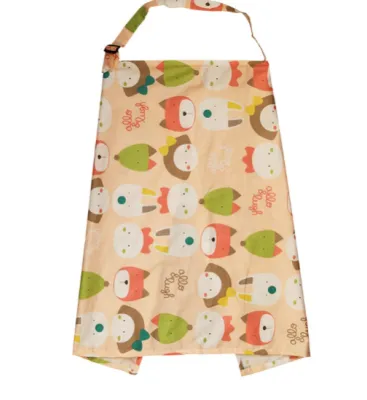
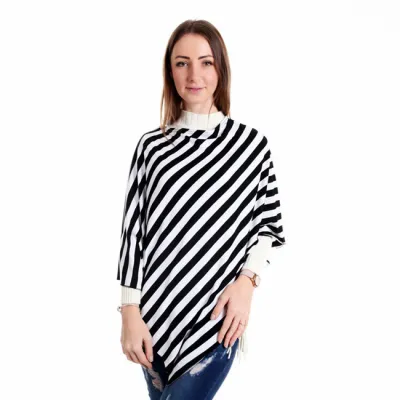
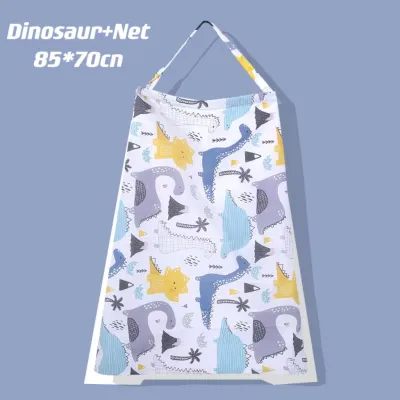
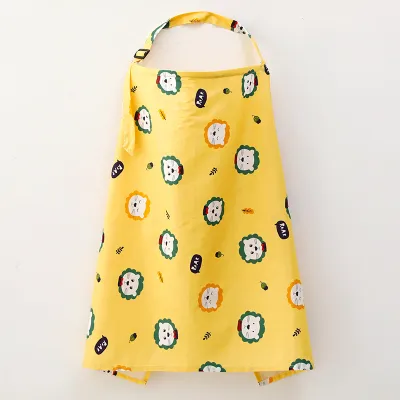
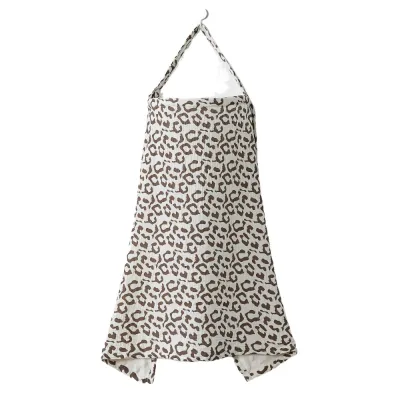
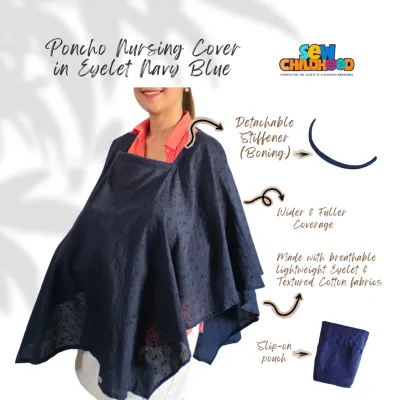
Prices are valid at publication and may change. Please refer to the product page for the latest price.
While maintaining privacy is a common priority for many mothers navigating busy public spaces, family gatherings, or transit hubs, it should never come at the expense of the baby’s well-being. A nursing cover should serve as a light, protective shield against visual distractions and direct sunlight, not as an airtight barrier. Finding the right balance means choosing a cover that provides adequate visual coverage while allowing maximum ventilation to keep the microclimate beneath the fabric as close to ambient temperature as possible.
Best Materials for Breathability and Moisture Control
The fabric composition of a nursing cover is the single most critical factor determining its performance in hot and humid weather. Natural fibers are highly recommended for tropical climates due to their inherent breathability and moisture-absorbing capabilities. Cotton muslin stands out as an exceptional choice; its loose, plain weave allows air to flow through the fabric fibers effortlessly, preventing heat from becoming trapped. Muslin is also incredibly lightweight, soft, and becomes even softer with subsequent washes, making it gentle on a newborn’s sensitive skin.

Bamboo viscose and modal are excellent semi-synthetic alternatives that perform exceptionally well in high humidity. These fabrics are derived from natural plant cellulose and are celebrated for their silky, cool-to-the-touch texture. They possess natural moisture-wicking properties, meaning they actively draw sweat away from the body and allow it to evaporate quickly. This cooling effect can make a noticeable difference during warm afternoon feedings, helping to keep both mother and baby dry and comfortable.
In contrast, certain fabrics should be strictly avoided when selecting a cover for a breastfeeding mom. Heavy synthetic materials like pure polyester, thick fleece, dense canvas, and tightly woven flannel act as thermal insulators. They trap body heat and moisture, creating a stifling, greenhouse-like environment underneath the cover. Even some cotton blends, if woven too tightly, can restrict airflow. When shopping, it is vital to steer clear of any material that feels heavy, stiff, or completely opaque, as these characteristics indicate poor air circulation.
To ensure you are purchasing a truly breathable product, always check the garment care labels when browsing online marketplaces or physical department stores. Look for clear fiber percentages, prioritizing 100% cotton, cotton muslin, or bamboo-derived fabrics. You can also perform a simple, practical test before buying or using a new cover: hold the fabric up to a light source to observe how much light filters through the weave. A looser, more breathable weave will allow light to pass through clearly. Additionally, try gently blowing through a single layer of the fabric; if you can easily feel your breath on the other side, air will circulate well enough to keep your baby comfortable.
Choosing the Right Style for Airflow and Privacy
The structural design of a nursing cover directly influences how much air can circulate around your baby during a feeding session. Different styles offer varying levels of coverage and ventilation, making it important to match the design to your specific lifestyle and the environments you frequent.
Apron-style nursing covers are widely considered the most effective design for hot and humid weather. These covers feature a single panel of fabric that drapes over the front of the mother’s body, secured by a strap around the neck. The defining feature of a high-quality apron cover is a rigid, curved neckline. This structured bow holds the fabric away from the mother’s chest, creating a wide, open viewing window. This design allows hot air to rise and escape easily through the top, while the open sides ensure a continuous cross-breeze. It also allows the mother to maintain direct eye contact with her baby, making it easy to monitor their latch and comfort.
Poncho or wrap-style covers provide 360-degree coverage, draping completely over the mother’s shoulders, back, and front. While this style offers maximum privacy and prevents the cover from blowing open in a sudden breeze, it significantly restricts ventilation. Because the fabric wraps entirely around the torso, it traps the combined body heat of the mother and baby, creating a warm pocket of air. If you prefer a poncho style, it is crucial to select an extremely lightweight, sheer fabric and use it primarily in well-ventilated or air-conditioned spaces.
Multi-use stretchy covers, which are designed to double as car seat canopies, shopping cart covers, and infinity scarves, have gained popularity for their versatility. These are typically made from synthetic blends like polyester and spandex to provide the necessary stretch. However, this snug, form-fitting design and synthetic composition make them highly prone to trapping heat. In a humid tropical climate, these covers can quickly become uncomfortably hot and restrictive. They are best reserved for short-term use in air-conditioned environments rather than outdoor settings.
When deciding on a style, consider where you will use the cover most frequently. If you spend a significant amount of time in air-conditioned shopping malls, offices, or modern restaurants, a poncho or stretchy cover may provide comfortable privacy. However, if your daily routine involves outdoor parks, open-air community markets, or commuting on non-air-conditioned public transportation, an apron-style cover with maximum open ventilation is a necessity to keep your baby safe from heat stress.
Key Design Features for High-Humidity Environments
Beyond fabric and style, specific design details can greatly enhance the safety, comfort, and hygiene of a nursing cover in damp, humid conditions. Paying attention to these structural elements ensures the cover remains practical for daily tropical use.
A built-in rigid neckline is a critical safety feature that should not be overlooked. Usually constructed with a flexible plastic or boning insert along the top seam, this feature keeps the fabric bowed outward rather than collapsing flat against the baby’s face. In hot weather, a collapsed fabric can block the baby’s nose and mouth, restricting their breathing and increasing their discomfort. The rigid neckline maintains a structured dome of air, ensuring a constant supply of oxygen and a clear line of sight for the mother.
Adjustable neck straps equipped with secure D-rings or buckles are also essential. This feature allows you to customize the height and fit of the cover to suit your body shape and your baby’s positioning. By adjusting the strap, you can create an intentional, wide air gap at the top of the cover. This gap acts as a chimney, allowing warm air generated by body heat to rise and escape naturally, while still maintaining complete visual privacy from the front and sides.
In a high-humidity environment, fabrics are highly susceptible to absorbing ambient moisture, which can lead to musty odors and mildew. Choosing a cover with machine-washable and quick-drying properties is vital for maintaining proper hygiene. Lightweight cotton muslin and bamboo viscose dry much faster than heavier fabrics, reducing the window of time where mold spores can colonize the damp fibers.
Finally, the color and pattern of the fabric play a subtle but important role in heat management. Dark colors absorb radiant heat from the sun and ambient light sources, making the space beneath the cover warmer. Opting for light colors, pastel shades, or soft, busy patterns helps reflect sunlight and keep the cover cooler. Additionally, light-colored patterns are highly effective at concealing minor sweat marks, water spots, or milk spills, keeping you looking fresh during outings.
Cleaning and Drying Your Cover to Prevent Mildew
Maintaining the cleanliness of your nursing cover is essential for protecting your baby’s health, especially in a climate where high humidity encourages the rapid growth of bacteria, mold, and mildew. Because the cover comes into direct contact with your baby’s face, mouth, and skin, establishing a regular cleaning routine is crucial.
Wash your nursing cover frequently, ideally after every few uses, or daily if you have been using it outdoors in hot weather where sweat accumulation is high. Always use a mild, hypoallergenic, baby-safe detergent that is free from harsh perfumes, dyes, and optical brighteners. Babies have highly sensitive skin, and chemical residues left on the fabric can easily cause irritation or trigger allergic reactions when rubbed against their face during feeding.
Drying the fabric completely is the most effective way to prevent the development of musty odors and mildew. After washing, hang the cover to dry in a well-ventilated area. Whenever possible, take advantage of direct sunlight, as ultraviolet rays act as a natural sanitizer and help eliminate lingering bacteria. If you must dry the cover indoors, place it near a window with good airflow or use a fan to accelerate the drying process, ensuring no dampness remains in the seams or the rigid neckline insert.
Proper storage is equally important to prevent moisture from becoming trapped in the fabric. Avoid folding a damp, freshly washed, or slightly sweaty nursing cover and stuffing it directly into a dark, enclosed diaper bag. This dark, humid environment is highly conducive to mold growth. Instead, allow the cover to air out completely after use, and store it in a clean, breathable mesh pouch or a dedicated compartment in your bag.
Regularly inspect your nursing cover for signs of wear and hygiene issues. If the fabric develops persistent musty odors that remain even after thorough washing, or if you notice small, dark spots that indicate mold or mildew growth, it is time to replace the cover. Using a compromised cover can expose your baby to mold spores, which can pose risks to their respiratory health and sensitive skin.
Frequently Asked Questions (FAQ)
Can I use a regular blanket as a nursing cover in the heat?
While using a standard receiving blanket or a swaddle might seem like a convenient, budget-friendly alternative, it is generally not recommended for hot and humid weather. Regular blankets lack the specialized structural features designed to keep babies safe and cool. They do not have a rigid neckline, which means the fabric will drape directly over your baby’s face, blocking airflow and trapping heat. Additionally, blankets lack secure straps, making them prone to slipping off or shifting when the baby moves. This forces you to constantly hold the fabric in place, restricting your hands and increasing physical contact, which generates even more body heat.
How do I know if my baby is overheating under the cover?
It is vital to monitor your baby closely for signs of heat stress while nursing under a cover. Physical indicators of overheating include damp or sweaty hair, flushed cheeks, rapid or shallow breathing, and unusual fussiness or restlessness during feeding. To check their temperature accurately, place your hand on the back of their neck or on their chest; if these areas feel hot or sweaty, your baby is too warm. Do not rely on checking their hands or feet, as these extremities can feel cool even when the baby’s core temperature is elevated. If you suspect your baby is overheating, immediately remove the cover, pause the feeding session, move to a cooler or air-conditioned space, and gently fan them to help lower their body temperature.

Community discussion
Share your experience or ask a question. Comments are reviewed before publication.