
Choosing the right breastmilk storage bag for on-the-go feeding in the Philippines requires balancing leak-proof security, thermal protection, and compact design. Navigating hot, humid commutes, crowded public transport, or long provincial road trips means your stored milk faces physical movement and temperature shifts. By selecting bags with robust double-zipper seals, durable food-grade materials, and flat-laying profiles, you can safely transport your liquid gold without risking costly spills or spoilage.
Identifying Your Commuting and Travel Scenarios
Your daily routine dictates the type and quantity of breastmilk storage bags you need to carry. A mother commuting daily to an office in Metro Manila faces different challenges than a parent embarking on a long-distance provincial bus ride or running quick errands around the neighborhood. For daily office commutes, you must calculate your pumping volume during work hours to determine how many bags to pack each morning. Long-distance travel requires a higher volume of durable bags that can withstand hours of vibration and shifting inside a cooler.
Evaluating the physical space in your everyday carry, laptop bag, or diaper bag is crucial before purchasing storage supplies. If you carry a single backpack containing both work essentials and pumping gear, compact bags that lay completely flat will help maximize your limited space. Conversely, if you carry a dedicated, spacious cooler bag, you might prioritize larger capacity bags or those with expandable gussets that stand upright.
Products mentioned in this guide
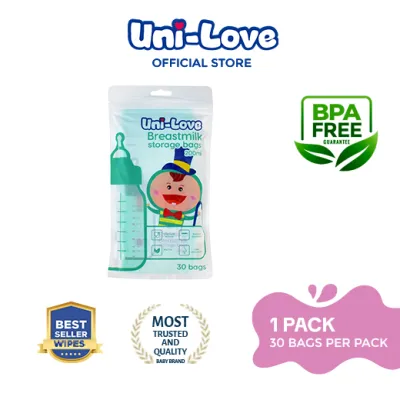
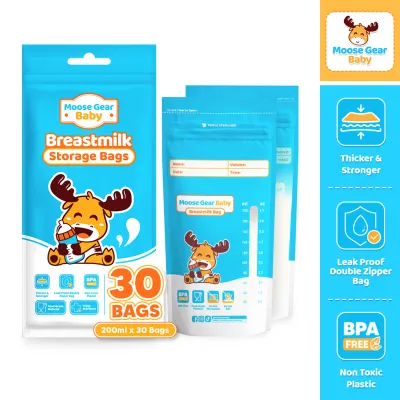
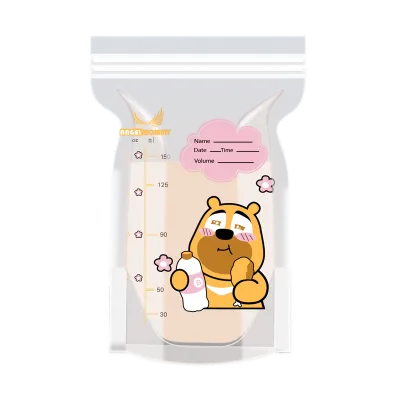
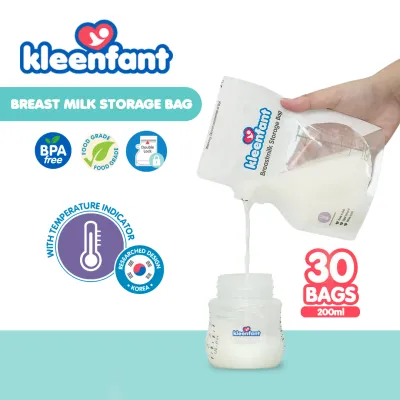

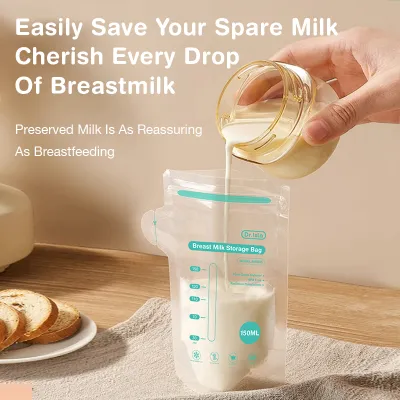
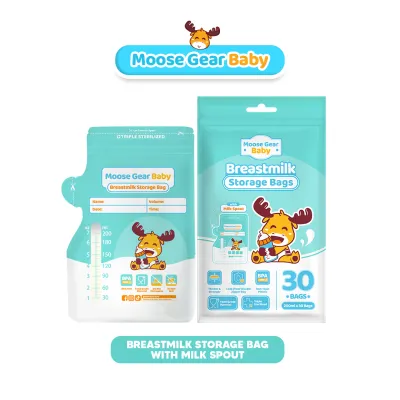
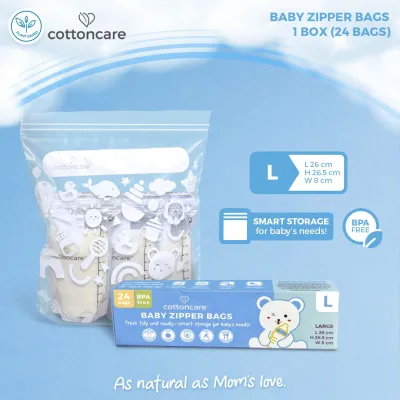
Prices are valid at publication and may change. Please refer to the product page for the latest price.
Local availability and budget also play a significant role in your decision-making process. You can find breastmilk storage bags in local pharmacies, specialized baby boutiques, and online marketplaces across the Philippines. When comparing options, calculate the price per piece (₱) rather than just looking at the upfront box price. Balancing your budget with the bag’s structural integrity ensures you do not overspend while still keeping your milk secure during transit.
Essential Features for On-the-Go Breastmilk Storage Bags
When selecting a breastmilk storage bag for travel, the seal and leak-proof design must be your top priority. Look for bags featuring double-zipper seals that click shut, providing a tactile or visual confirmation that the bag is fully closed. Reinforced side seams and thick edges prevent the bag from bursting under pressure when packed tightly inside a moving vehicle. Additionally, secure tear-notches at the top should allow for clean, easy opening without requiring scissors, which can introduce contamination when you are away from home.

Material safety is another critical factor that requires direct verification on the product packaging. Ensure the manufacturer explicitly labels the bags as food-grade, BPA-free, and BPS-free to guarantee no harmful chemicals leach into the milk during storage or warming. Because these bags are pre-sterilized during manufacturing, checking for a tamper-evident seal on the box or individual bag opening gives you peace of mind that the interior remains sterile until use.
The size and shape of the bag affect how efficiently you can pack your cooler. Standard pre-sterilized sizes usually range from 100ml to 250ml, allowing you to choose a capacity that matches your baby’s typical feeding volume to minimize waste. Expandable, self-standing designs are highly convenient for filling on flat surfaces, while flat-laying profiles are superior for stacking multiple bags tightly between ice packs.
Finally, look for bags with dedicated, smudge-proof write-on areas located away from the actual storage compartment. This design prevents pen ink from puncturing the plastic or transferring through the material. A clear labeling surface allows you to note the date, time, volume, and your baby’s name using a standard ballpoint pen or permanent marker, which is essential if you plan to leave the milk at a daycare center or office fridge.
Managing Temperature and Safety During Transit
Maintaining a safe temperature chain is a major challenge when traveling through the tropical climate of the Philippines. To ensure your milk remains cold, you must measure your storage bags against the internal dimensions of your insulated cooler bag and ice packs. A proper fit prevents the bags from sliding around, which can cause physical damage, while ensuring maximum surface contact with the cooling elements.
Handling high ambient heat and humidity requires proactive shielding strategies. Never leave your cooler bag in direct sunlight, inside a parked car, or near the engine compartment of a public utility vehicle. The high humidity can also cause external condensation on the bags, so keeping a clean, dry cloth handy helps wipe down the exterior before labeling or storing them.
Hygiene remains paramount when preparing and filling storage bags in transit. Public restrooms, lactation rooms, or the back seat of a vehicle may lack clean running water and soap. Always carry hand sanitizer or sanitizing wipes to clean your hands thoroughly before handling the sterile storage bags. If you must clean pump parts on the go, use portable sanitizing sprays or wipes designed specifically for infant feeding equipment, following the manufacturer’s instructions.
Always monitor storage limits and check the bag manufacturer’s guidelines regarding temperature tolerance. In warm tropical conditions, freshly expressed milk should not sit at room temperature for extended periods. If you cannot access a refrigerator immediately, keep the filled bags submerged in a well-insulated cooler packed with frozen gel packs, and track the elapsed time carefully to ensure the milk is transferred to a freezer or refrigerator within safe limits.
Smart Packing and Transport Strategies
Organizing your travel cooler efficiently can prevent physical damage to the bags and maximize cooling efficiency. To save space, lay the filled breastmilk storage bags completely flat on a level surface while freezing them at home or at the office. Once frozen solid, these flat blocks of milk can be stacked neatly like books inside your travel cooler, which ensures even contact with ice packs and prevents warm air pockets from forming.
Protecting your storage bags from punctures is vital when packing your diaper bag or everyday carry. Keep filled bags completely separate from sharp objects such as house keys, pens, loose zippers, or the hard plastic edges of your breast pump flanges. Utilizing a dedicated, padded compartment or a soft pouch within your bag provides an extra layer of defense against accidental tears and leaks.
When it comes to thawing and feeding your baby on the go, safety must guide your actions. Avoid using microwaves to warm breastmilk, as they create uneven hot spots that can burn your baby’s mouth and destroy beneficial nutrients. Instead, use a portable bottle warmer or submerge the sealed bag in a container of warm water. Always check the bag’s seal before submerging it to prevent bath water from seeping inside and contaminating the milk.
Frequently Asked Questions (FAQ)
Can I reuse a breastmilk storage bag after washing it?
No, breastmilk storage bags are strictly designed for single-use. Attempting to wash, sanitize, and reuse them compromises the plastic, leading to micro-tears and seal degradation that can cause leaks. Furthermore, the narrow corners and crevices of the bags are nearly impossible to clean thoroughly, creating a high risk of bacterial contamination that can harm your baby.
How do I know if the milk has spoiled during a long commute?
You can check the safety of your breastmilk using simple sensory observations after transit. Spoiled milk typically emits a sour, off-putting odor similar to spoiled cow’s milk. While breastmilk naturally separates into a fat layer and a watery layer during storage, healthy milk will easily mix back together when gently swirled; if the layers remain separated or clumped after swirling, the milk may have spoiled.
Are there specific bags that work best with standard cooler bags?
Bags designed to lay completely flat are highly compatible with standard insulated cooler bags. This flat profile allows you to layer the bags directly between ice packs, maximizing thermal contact and saving space. If your cooler bag is tall and narrow, look for self-standing bags with expandable bottom gussets that can sit upright without bending or putting pressure on the top double-zipper seal.

Community discussion
Share your experience or ask a question. Comments are reviewed before publication.