
Finding the right breastpump bag in the Philippines depends heavily on your daily routine, whether you are commuting to an office in Makati, working from home, or traveling. An ideal bag must balance physical comfort with non-negotiable features: precise dimensions that fit your specific pump model, reliable insulation to protect expressed milk from tropical heat, dedicated compartments to separate clean parts from wet or dirty accessories, and easy-to-clean materials. Because you will carry this bag daily alongside your personal items, it should offer ergonomic support while keeping your expensive pumping equipment safe, organized, and discreet.
Assess Your Pumping Lifestyle Before Choosing
Before browsing online marketplaces or baby boutiques, take a moment to map out your daily routine. A breastpump bag is not a one-size-fits-all accessory; the bag that works perfectly for a work-from-home mother may be completely inadequate for a corporate professional facing a long commute. By analyzing where, when, and how often you will pump, you can avoid buying a bag that is either too bulky for quick errands or too small to hold your essential gear.
Commuting and Office Pumping
For working mothers returning to the office, a breastpump bag needs to blend professional style with high-level utility. If you commute via public transit, UV Express, or ride-sharing apps, you will likely prefer a discreet, structured backpack or a sleek tote that does not immediately look like a baby bag. Your bag should feature quiet, smooth zippers so you can set up and pack away your gear quietly in workplace lactation rooms without disrupting others.
Products mentioned in this guide
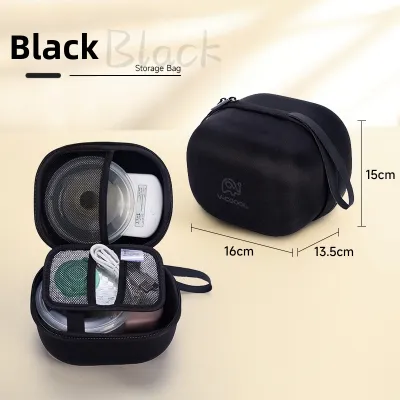
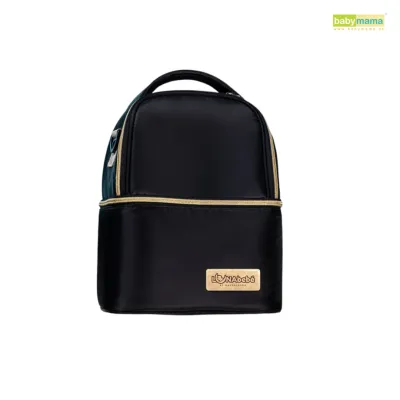
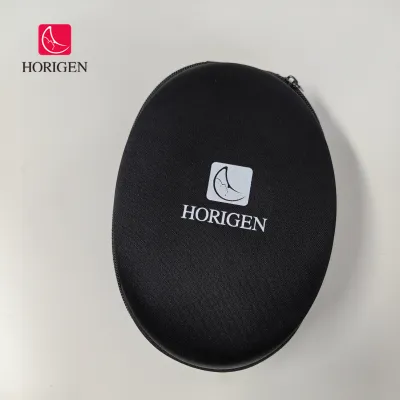
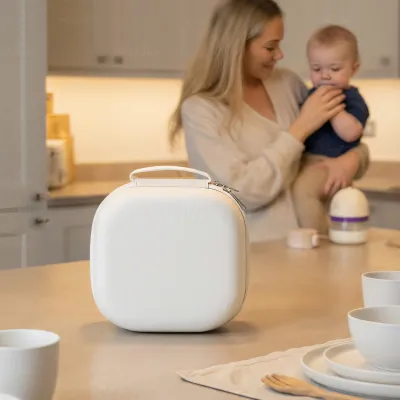
Prices are valid at publication and may change. Please refer to the product page for the latest price.
Additionally, consider how you will power your pump during the day. Look for bags with dedicated pockets or pass-through ports for portable power banks or charging cables, ensuring you are never stranded without power during a busy workday.
Stay-at-Home and Quick Errands
If you primarily pump at home or only leave for short trips—such as pediatric appointments or quick grocery runs—your storage needs are fundamentally different. You do not need a massive, heavily insulated backpack designed to keep milk cold for twelve hours. Instead, look for a lightweight, compact crossbody bag or a mini tote that can hold a portable pump, a single bottle, and a few sanitizing wipes.
Since you can store your milk directly in your home refrigerator or freezer immediately after pumping, you can prioritize ease of movement and quick accessibility over maximum thermal insulation. This allows you to choose smaller, more agile designs that do not weigh you down.
Long Shifts and Travel
Mothers who work long shifts, such as healthcare workers or BPO professionals, or those who travel frequently, require heavy-duty storage solutions. When you are away from home for twelve hours or more, you need a high-capacity bag with robust cooling capabilities to safely store multiple bottles of expressed milk. These bags must feature thick, high-performance insulation and ample space for multiple gel ice packs.
To prevent physical fatigue during long transits, prioritize bags with wide, padded shoulder straps, ergonomic back support, and durable, water-resistant exterior fabrics that can withstand unpredictable weather and frequent handling.
Essential Features to Check When Comparing Breastpump Bags
When you begin comparing different breastpump bag options, it is easy to get distracted by stylish designs and trendy colors. However, the true value of a bag lies in its technical specifications and functional layout. To ensure your investment is practical and long-lasting, you must carefully evaluate several critical features before making a purchase.

Dimensions and Pump Compatibility
The first and most crucial step is to measure your specific breast pump motor unit, along with its flanges, connectors, and bottles. Never rely on generic marketing claims like “fits most standard pumps,” as pump sizes vary wildly between brands. If you use a heavy, hospital-grade pump, you will need a bag with a large, structured, and reinforced compartment that can support the weight and protect the delicate motor.
Conversely, if you use wearable, tubeless pumps, you can opt for a much smaller bag with specialized, padded pockets designed to keep the individual motor pods safe from scratches and impacts. Always check the internal compartment measurements provided by the manufacturer against your physical gear.
Insulation and Cooling Performance
In a hot and humid tropical climate like the Philippines, maintaining the cold chain for expressed breast milk is a critical safety priority. When evaluating a breastpump bag, inspect the insulated compartments closely; look for thick, high-density foam insulation and seamless, leak-proof thermal linings.
Ensure the insulated section is large enough to accommodate your storage bottles alongside high-quality gel ice packs without crowding or crushing your pump parts. Always cross-reference the bag’s cooling claims with the ice pack manufacturer’s specifications and local health guidelines for safe milk storage, rather than relying solely on the bag’s promotional descriptions.
Organization and Separate Compartments
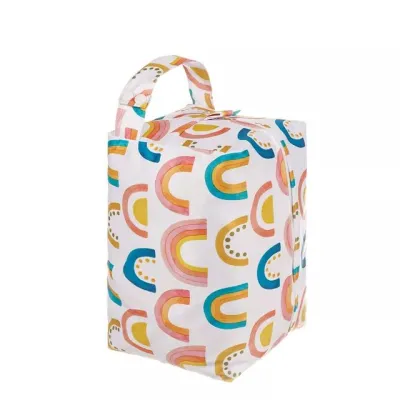
Hygiene is paramount when handling breast milk and pumping accessories. A well-designed bag must feature distinct, physically separated zones to prevent cross-contamination. Look for a bag with a dedicated dry compartment for your pump motor and power cords, a separate insulated compartment for cold milk storage, and a wet pocket for used, damp flanges and shields.
Exterior pockets are also highly valuable for storing personal essentials like your phone, keys, wallet, and hand sanitizer. This keeps your personal items easily accessible without opening the sterile compartments where your feeding equipment is stored. Some bags also offer removable dividers or modular inserts, allowing you to customize the space as your baby’s feeding routine changes.
Materials and Ease of Cleaning
The high humidity in the Philippines creates a breeding ground for mold and mildew, making the bag’s materials a vital consideration. Choose interior linings that are completely waterproof, wipeable, and stain-resistant, allowing you to easily clean up accidental milk spills or condensation from ice packs. For the exterior, durable fabrics like water-resistant nylon or treated canvas are ideal, as they can be spot-cleaned with a damp cloth.
Additionally, look for bags that offer adequate ventilation or moisture-wicking properties to ensure the interior dries quickly and completely after cleaning, preventing unpleasant odors from developing.
Choosing the Right Breastpump Bag Style for Your Routine
Breastpump bags come in several distinct styles, each designed to cater to different carrying preferences and daily environments. Understanding the practical trade-offs of each style will help you choose the one that aligns best with your lifestyle.
Tote Bags
Tote-style bags offer a classic, professional aesthetic that easily passes for a high-end handbag or work tote. They typically feature wide top openings, making it incredibly easy to reach in and retrieve your pump or accessories quickly. They are highly favored in corporate environments where discretion is preferred.
The main drawback of a tote is that carrying a heavy pump, milk bottles, and ice packs on a single shoulder can cause significant muscle strain over time, especially during long walks. This style is best suited for office-based mothers who commute primarily by car or taxi and want a sophisticated bag that transitions seamlessly from boardroom meetings to lactation rooms.
Backpacks
Backpack-style bags are highly popular due to their superior ergonomic design and hands-free convenience. By distributing the weight of your pumping gear evenly across both shoulders, a backpack minimizes physical fatigue and leaves your hands free to hold your baby, carry groceries, or navigate public transit. Many models feature dedicated side-access pockets designed specifically for quick pump access.
However, some backpack designs may lack a structured, rigid base, which can cause the pump motor to shift or get compressed if the bag is set down roughly. This style is ideal for active commuters, traveling mothers, and those who need to carry heavy loads over long distances.
Dedicated Cooler Bags
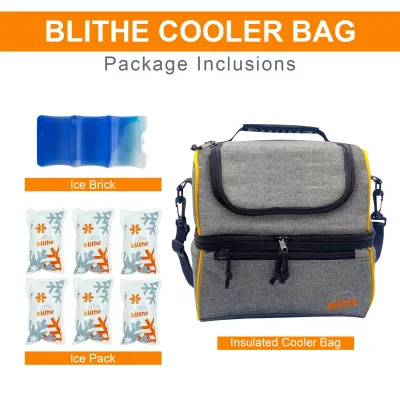
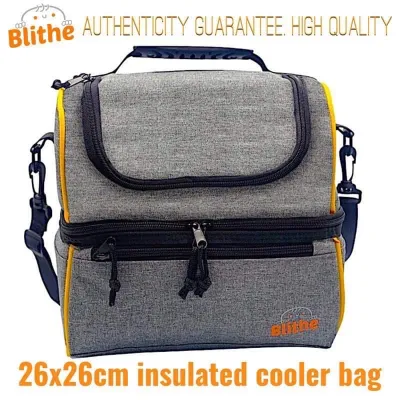
If your primary concern is maintaining the perfect temperature for your expressed milk, a dedicated cooler bag is an excellent choice. These compact bags are engineered specifically for thermal efficiency, featuring advanced insulation and custom-molded slots for bottles and ice packs. They are highly efficient at keeping milk cold for extended periods.
The trade-off is that they rarely have enough space or protective padding to house a full-sized breast pump motor. Consequently, you will likely need to carry a secondary bag for your pump hardware. This setup is highly recommended for mothers who use wearable pumps or those who can leave their main pump motor at their workplace.
Crossbody and Compact Bags
For mothers who prefer a minimalist approach, crossbody and compact bags offer a lightweight and agile solution. These small bags are perfect for housing manual pumps, single-session portable pumps, or wearable pods. They are incredibly easy to carry and take up very little space, making them perfect for quick errands or short outings.
However, they lack the capacity to hold traditional dual-electric pumps, bulky accessories, or multiple large milk bottles. This style is best used as a secondary “go-bag” for quick trips when you do not need to carry your entire pumping setup.
Hygiene, Milk Safety, and Bag Maintenance in a Tropical Climate
Operating a breastpump bag in a warm, humid environment requires strict adherence to hygiene and maintenance protocols to protect your baby’s health. After every pumping session, establish a routine of wiping down the interior of the bag with a clean, damp cloth or a baby-safe sanitizing wipe to remove any milk residue. Always leave the bag completely open in a well-ventilated area to air-dry; never zip a damp bag shut, as the trapped moisture will rapidly lead to mold, mildew, and stubborn odors.
Regularly inspect your bag’s physical components, paying close attention to the zippers, seams, and thermal linings. Any tears in the lining or compromised seams can degrade the bag’s insulation, making it difficult to maintain the cold temperature required to keep breast milk safe. If your bag’s interior lining becomes torn or develops persistent mold that cannot be thoroughly cleaned, stop using the bag immediately and consult the manufacturer for guidance or replacement options.
Remember that even the highest-quality insulated bag is only one link in the cold storage chain. To ensure milk safety, you must verify that your gel ice packs are fully frozen solid before placing them in the bag. Always refer to established health authority guidelines, such as those from the Department of Health (DOH) or the World Health Organization (WHO), regarding safe milk storage times and temperatures. If you are ever unsure whether the internal temperature of your bag has remained sufficiently cold during a long journey, use a clean digital thermometer to check the temperature of the stored milk before feeding it to your baby.
Frequently Asked Questions (FAQ)
Can I use a regular diaper bag instead of a dedicated pump bag?
Yes, you can use a regular diaper bag, but it may require some modifications. Standard diaper bags often lack the structured, padded compartments needed to protect expensive pump motors, and they may not have dedicated, wipeable thermal zones. If you choose to use a diaper bag, it is highly recommended to purchase a separate, insulated cooler insert to store your milk and wet parts. This keeps your clean pumping equipment and personal items safe from accidental spills and cross-contamination.
How do I keep milk safe in a tropical climate?
To keep milk safe in hot and humid weather, always use high-quality, reusable gel packs that are frozen solid, rather than standard ice cubes which melt quickly and can leak. Keep your breastpump bag out of direct sunlight and avoid leaving it inside a hot, parked vehicle. If you are traveling for extended periods, check the cooling duration rated by your ice pack manufacturer, and consider using a small digital thermometer inside the bag to monitor the temperature.
Do I need a separate bag for the pump and the milk?
Whether you need separate bags depends on your pump type and daily milk volume. If you use a traditional, bulky double-electric pump and express large quantities of milk, an all-in-one bag with separate top and bottom compartments is highly efficient. However, if you use compact wearable pumps, you can easily carry the lightweight pump pods in your regular handbag and use a small, dedicated cooler bag solely for transporting your milk bottles.

Community discussion
Share your experience or ask a question. Comments are reviewed before publication.