
Choosing a breast cover for breastfeeding in a tropical climate like the Philippines requires prioritizing maximum airflow, lightweight fabric, and structural designs that prevent heat buildup. When temperatures and humidity rise, a poorly chosen cover can turn into a miniature greenhouse, making your baby fussy, sweaty, and uncomfortable. The ideal cover balances reliable privacy with excellent ventilation, ensuring a calm feeding experience whether you are at home, in an air-conditioned mall, or navigating warm outdoor spaces.
To make an informed decision, you must look beyond aesthetic patterns and focus on how the cover performs under heat stress. A practical breast cover for breastfeeding should protect your baby from direct sun and wind while allowing hot air to escape freely. By evaluating fabric properties, structural designs, and maintenance requirements, you can select a cover that keeps both you and your baby cool and comfortable during every nursing session.
Evaluate Fabric Breathability for Tropical Weather
The fabric of your nursing cover is the single most important factor in determining how hot it will feel for your baby. In a tropical climate, you should prioritize lightweight, natural fibers that allow air to circulate freely. Cotton, bamboo-derived rayon, and linen blends are excellent choices because they are naturally breathable and highly absorbent, helping to manage sweat on hot days. When shopping, check the product labels carefully to identify the exact fiber content rather than relying solely on vague marketing terms.
Products mentioned in this guide
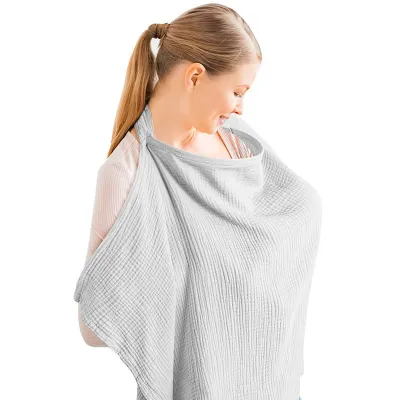
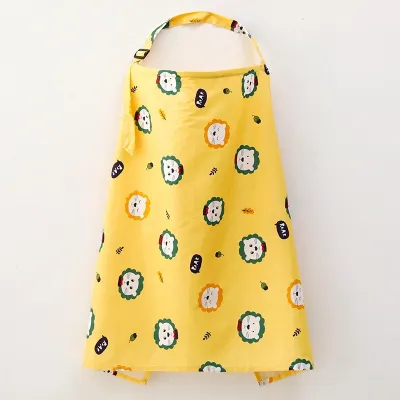
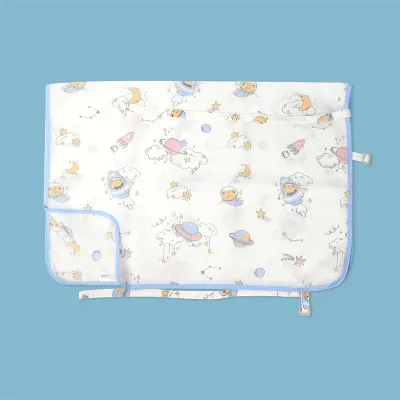
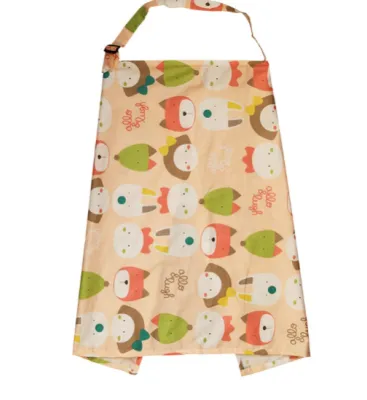
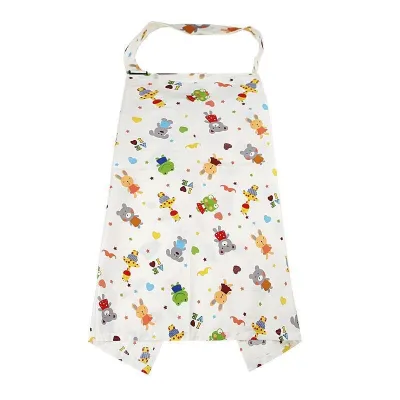
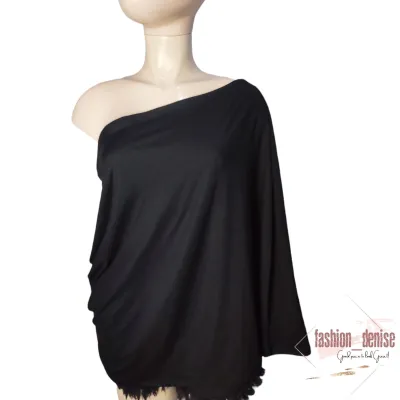
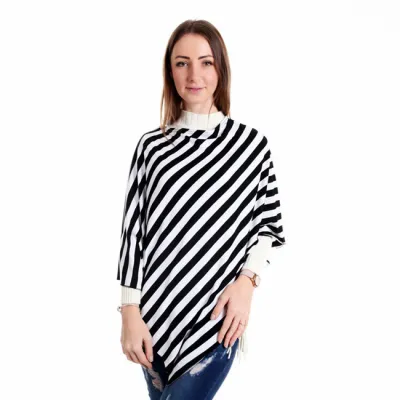
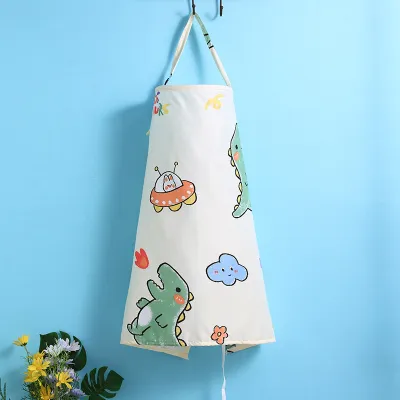
Prices are valid at publication and may change. Please refer to the product page for the latest price.
While synthetic fibers like polyester or nylon are often durable and wrinkle-resistant, they can trap body heat and moisture, creating a humid microclimate underneath the cover. If you choose a synthetic blend, verify that it is specifically engineered for high breathability or moisture-wicking properties. You can test the breathability of a fabric by holding it up to your mouth and gently blowing through it; if you feel significant resistance, air will not circulate well around your baby during a feeding session.
Balancing fabric weight and opacity is another crucial step in your evaluation. A cover must be thick enough to provide privacy and block out bright light, which can distract a nursing baby, but thin enough to prevent overheating. Look for lightweight weaves that offer a high thread count or a tight knit, which provides opacity without adding unnecessary bulk or weight. Holding the fabric up to a light source can help you assess whether it is sufficiently opaque while remaining thin and airy.
Lastly, consider your baby’s skin sensitivity when reviewing material specifications. High heat and humidity often lead to sweat buildup, which can cause friction, chafing, or heat rashes on delicate infant skin. Look for fabrics that are certified hypoallergenic or tested for harmful substances, and verify these claims by checking the manufacturer’s official documentation. Choosing a fabric that feels smooth and soft against the skin reduces the risk of irritation during long, warm feeding sessions.
Assess Design and Coverage for Comfort and Privacy
The structural design of a breast cover for breastfeeding directly affects both your physical comfort and your ability to nurse discreetly. Traditional apron-style covers, full-coverage ponchos, and multi-use infinity scarves each offer different levels of ventilation and privacy. Understanding how these designs function in warm weather will help you choose the style that best matches your personal preferences and daily routine.

Apron-style covers are highly favored in tropical climates because of their open-back design. Because the fabric only covers your front and sides, air can circulate freely behind you, preventing heat from becoming trapped between your body and the baby. This style typically features an adjustable neck strap that keeps the cover secure, allowing you to adjust the height to fit your torso comfortably. The open back also makes it easier to adjust your clothing or position your baby without feeling restricted by excess fabric.
In contrast, full-coverage ponchos and infinity scarves provide 360-degree coverage, which is ideal if you prefer complete privacy from all angles. However, because these styles wrap entirely around your body, they can trap more heat and restrict airflow. If you prefer a poncho or scarf style, it is vital to choose an exceptionally lightweight, loose-fitting fabric to compensate for the enclosed design. Ensure the drape is generous enough that it does not cling to your body or press tightly against your baby.
A rigid neckline is one of the most valuable features to look for in any nursing cover. Usually constructed with a flexible plastic or boning insert, a rigid neckline bows outward at the top, keeping the fabric away from your baby’s face. This design serves two critical purposes: it creates a “chimney effect” that allows hot air to rise and escape, and it maintains a clear line of sight between you and your baby. Being able to make eye contact easily helps you monitor your baby’s latch, read their cues, and ensure their airway remains completely unobstructed without having to lift or adjust the cover constantly.
Before making a final choice, check the overall dimensions and wrap capabilities of the cover. A cover that is too narrow may slip to the side if your baby wiggles or kicks, exposing you unexpectedly. Conversely, a cover that is excessively long can drape over your baby’s legs and trap heat, or drag on the ground when you are seated. Measure your torso and consider your baby’s size to find a balanced dimension that provides secure coverage without excess bulk.
Check Practicality and Maintenance for Daily Use
A nursing cover is an everyday item that will inevitably encounter milk spills, sweat, spit-up, and outdoor dust. In a humid environment, practical maintenance features are essential to keep the cover clean, hygienic, and free from unpleasant odors. Reviewing care labels and design details before purchasing will save you time and effort in your daily routine.
Always check the manufacturer’s care instructions to ensure the cover is machine-washable and can withstand frequent laundering. In high-humidity climates, fabrics that take too long to dry can easily develop mold, mildew, or a persistent musty smell. Prioritize quick-drying fabrics that can be washed easily and dried thoroughly in a short amount of time. If you plan to line-dry your laundry, lightweight cotton or bamboo blends are highly practical because they dry quickly even on humid, overcast days.
Portability is another key factor for on-the-go parents. A bulky, heavy cover is likely to be left behind, defeating its purpose when you need it most. Look for lightweight designs that fold down compactly into a small, flat shape that fits easily into a diaper bag or purse. Some covers come with a built-in storage pouch or a matching travel bag, which keeps the clean fabric protected from dirt, keys, and other items in your bag.
Many modern nursing covers are marketed as multi-functional items that can also serve as shopping cart covers, high chair liners, stroller canopies, or infant car seat covers. While these features offer great versatility, you must verify them against safety guidelines. Using a nursing cover as a stroller canopy or car seat cover in hot weather can block airflow and cause temperatures inside the stroller or seat to rise to dangerous levels. If you plan to use the cover for multiple purposes, ensure that the fabric is highly breathable, monitor your baby constantly, and never leave them unattended under a covered canopy.
Build Your Shortlist Based on Daily Nursing Scenarios
To finalize your decision, map your feature preferences to the specific environments where you spend most of your time. Your daily routine, travel habits, and lifestyle will dictate which combination of fabric, design, and portability works best for you. Creating a personalized decision framework ensures you invest in a cover that you will actually use consistently.
If your daily routine consists mostly of quiet nursing sessions at home or quick trips to air-conditioned indoor spaces like shopping malls, a lightweight poncho or a stylish infinity scarf can be a highly convenient option. These styles blend seamlessly with your outfit and provide quick, full-coverage privacy when needed. However, if you frequently travel on public transportation, walk outdoors, or attend gatherings in non-air-conditioned venues, an open-back apron cover with a rigid neckline is the superior choice for keeping your baby cool and preventing fussiness caused by heat.
Consider the cost-benefit ratio of purchasing a dedicated, single-use nursing cover versus a multi-purpose option. Dedicated apron-style covers are often highly specialized for ventilation and eye contact, and they typically range in price from ₱300 to ₱1,200 depending on the brand and material quality. Multi-purpose covers may offer more functions for a similar price point, but they may compromise on ventilation or ease of eye contact. Weigh whether the added versatility of a multi-use cover is worth the potential reduction in airflow for your baby.
Before checking out, cross-reference the product’s exact dimensions with your body measurements to ensure a proper fit. Read customer reviews on online marketplaces to see how the fabric holds up after multiple washes and whether other parents in warm climates find it sufficiently breathable. Finally, review the retailer’s return and exchange policies so you can easily swap the cover if the fabric feels heavier or less breathable in person than expected.
Frequently Asked Questions (FAQ)
Can I use a regular lightweight scarf as a breast cover for breastfeeding?
Yes, you can use a regular lightweight scarf as an improvised cover, but it has several limitations compared to a purpose-built nursing cover. Regular scarves lack a rigid neckline, which means the fabric will drape directly over your baby’s face, restricting airflow and making it difficult to maintain eye contact or monitor their latch. There is also a higher risk of the scarf slipping off your shoulder if your baby moves or kicks. If you must use a regular scarf, choose one made of highly breathable, natural fibers like thin cotton or linen, drape it loosely to allow air circulation, and maintain constant supervision to ensure your baby’s airway remains clear.
How do I prevent mold or musty odors on my nursing cover in humid weather?
To prevent mold, mildew, and musty odors in a humid climate, never fold or store a damp nursing cover in a closed diaper bag or plastic pouch. If the cover becomes damp from sweat, milk spills, or humid air while you are out, let it air dry completely before packing it away. Wash the cover regularly using a gentle, baby-safe detergent, and hang it to dry in a well-ventilated area with good air circulation or under direct sunlight if the care label permits. If a musty smell develops, check the manufacturer’s guidelines to see if you can safely add a small amount of vinegar to the rinse cycle or use a warm-water wash to eliminate the odor-causing bacteria.

Community discussion
Share your experience or ask a question. Comments are reviewed before publication.