
Choosing a baby walker in the Philippines requires balancing your child’s developmental stage with the unique layout of your home. With many local households featuring tiled floors, threshold steps, and warm, humid weather, selecting the right gear involves more than just picking an appealing design. Parents must evaluate structural stability, safety certifications, and material breathability to ensure a comfortable and secure environment for their little one. By focusing on verifiable product specifications and understanding how different designs function, you can make an informed decision that supports your baby’s natural physical progression.
Identify Walker Types and Stilt Walker Designs
Before making a purchase, it is essential to understand the different types of walkers available on the market. Traditional sit-in walkers feature a suspended fabric seat inside a wheeled frame, allowing babies who cannot yet walk to scoot around using their feet. These models are popular for keeping babies entertained, but they require flat, unobstructed floors to operate safely.
Another common option is the push walker, which is a walk-behind toy designed for babies who are already learning to stand and balance. Instead of sitting inside a frame, the baby stands behind the device and pushes it forward while walking. This design encourages active muscle engagement and helps develop natural balance, making it a popular choice for transitional developmental stages.
Products mentioned in this guide
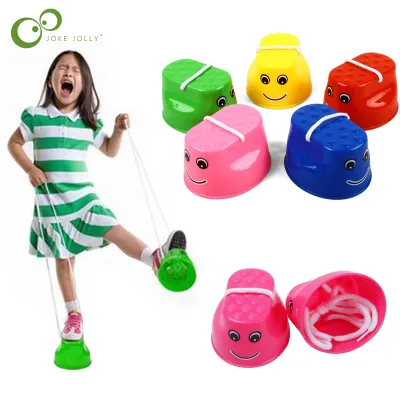
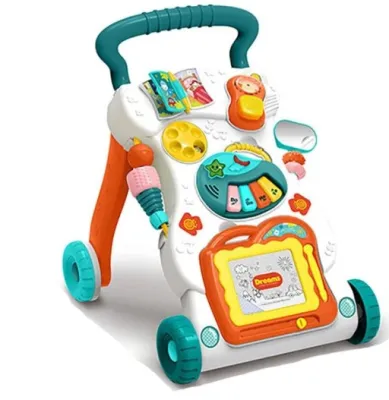
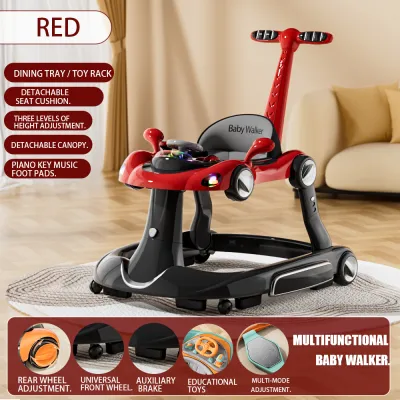

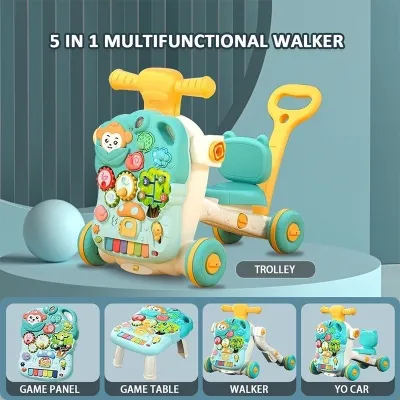
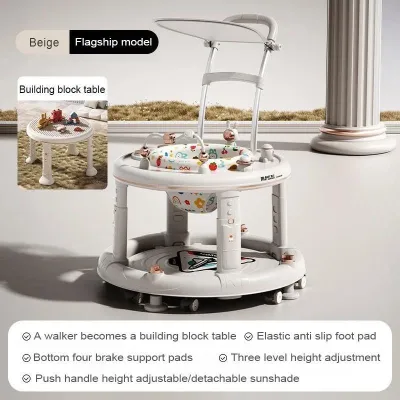
Prices are valid at publication and may change. Please refer to the product page for the latest price.
You may also encounter stilt walker designs, which feature higher, more vertical frame structures or multi-stage configurations. A stilt walker style typically offers elevated height adjustments to accommodate taller babies or to adapt as your child grows, providing a more upright stance. These designs often feature a wider footprint to maintain stability at higher settings, making them a distinct option for families looking for long-term adjustability.
When choosing between these types, consider your baby’s current mobility stage and your household layout. Sit-in and stilt walker models require the baby to have strong trunk control, while push walkers are suited for babies who are already pulling themselves up to stand. Always cross-reference specific design names and structural claims with the manufacturer’s official descriptions to ensure they align with your child’s needs.
Verify Safety Labels and Structural Stability
Safety should always be your primary concern when selecting any baby gear. Do not rely on marketing buzzwords like “completely safe” or “accident-proof” on retail listings. Instead, physically inspect the product packaging, tags, and manual for recognized safety certification marks that indicate the walker has undergone rigorous structural testing.

Examine the base of the walker carefully before buying. A high-quality walker should feature a wide, stable base that is significantly wider than the top frame. This wide-set geometry prevents the walker from tipping over if your baby leans heavily to one side, reaches for an object, or bumps into a piece of furniture.
Run your hands along the entire frame to check for sharp edges, rough plastic seams, or exposed metal parts that could scratch your baby’s delicate skin. Pay close attention to folding joints, hinges, and height-adjustment mechanisms. These areas must have protective guards or pinch-point preventers to keep tiny fingers from getting caught during use or adjustment.
Test the locking mechanisms yourself to ensure they engage firmly. When the walker is unfolded, the locks should snap into place with an audible click or a visible indicator. Shake the frame gently to ensure there is no wobbling, slipping, or unexpected folding under pressure, which could cause the walker to collapse while your baby is inside.
Evaluate Adjustability and Ergonomic Support
Proper posture is essential when your baby is using a wheeled device. Look for models that offer multiple seat height adjustments to accommodate your baby’s rapid growth. When adjusted correctly, your baby’s feet should rest flat on the floor, allowing them to push off naturally rather than walking on their tiptoes, which can strain developing calf muscles and tendons.
Consider the tropical climate of the Philippines when evaluating materials. High humidity and warm temperatures mean babies can sweat quickly during active play, leading to discomfort. Choose seat pads made from breathable, moisture-wicking fabrics that can be easily detached and washed to prevent skin irritation, heat rashes, and bacterial buildup.
The seat back must provide firm, ergonomic support to help your baby maintain a natural spinal alignment. Avoid flimsy, saggy fabrics that cause the baby to slouch, lean awkwardly, or slide to one side. A structured, padded backrest helps keep your baby upright and comfortable while they interact with their surroundings.
Inspect the activity tray’s position and features. It should sit at a comfortable height where your baby can reach toys or snacks without straining their shoulders or neck. Removable trays are highly practical, allowing you to convert the space for feeding or clean-up, and they should be free of small, detachable parts that could pose a choking hazard.
Inspect Mobility, Brakes, and Floor Compatibility
Wheels dictate how smoothly and safely the walker moves across your home’s surfaces. Hard plastic wheels are common but can slide too quickly on polished tiles, marble, or smooth concrete floors, which are typical in many Filipino homes. Rubberized or textured wheels offer better traction, reducing the risk of runaway acceleration on slick surfaces.
Look for built-in speed restrictors, friction pads, or adjustable tension screws on the wheels. These features allow you to increase resistance, slowing down the walker’s movement as your baby builds leg strength and coordination. This is especially useful in the early stages when your baby is still learning to control their steps.
Friction pads or rubber stoppers on the underside of the base are critical safety components. These pads are designed to grip the floor and stop the walker instantly if a wheel loses contact with the ground, such as when reaching a step, a threshold, or an uneven surface. Ensure these pads are clean and free of dust to maintain their effectiveness.
Even with these safety features, never use a baby walker near stairs, steps, or raised thresholds. Verify that the stair-fall prevention mechanisms are fully intact and clean them regularly to ensure they function as intended by the manufacturer. Always block off access to steps and drop-offs using secure baby gates.
Confirm Age, Weight, and Developmental Readiness
Before purchasing, check the manufacturer’s manual for the exact weight and height limits. Never assume a walker is suitable based solely on its appearance or the baby’s age, as physical development and size vary widely. When budgeting in ₱ for your baby gear, prioritize models that clearly state their physical limits on the packaging.
Your baby must meet specific developmental milestones before using a sit-in or stilt walker. They must be able to hold their head up steadily without assistance and sit upright on their own. Placing a baby who lacks trunk control into a walker can strain their neck and spine, leading to poor posture and discomfort.
Establish a clear plan for when to stop using the walker. Once your baby reaches the maximum weight limit, can stand independently, or begins attempting to climb out of the seat, it is time to transition them to other play gear. Continuing to use the walker past these milestones increases the risk of tipping or falls.
Remember that a baby walker is not a substitute for active caregiver supervision. Constant, direct supervision is mandatory during every second of use. Keep the walker away from hot surfaces, electrical cords, table runners, and any objects the baby could pull down from elevated surfaces, ensuring a safe environment for exploration.
Frequently Asked Questions (FAQ)
Is a sit-in walker safe for hip development?
A well-designed seat pad should feature a wide crotch strap that supports the baby’s pelvis and thighs, encouraging a natural, slightly spread-leg position. Avoid narrow crotch straps that force the legs to hang straight down, which can put undue pressure on developing hip joints and contribute to poor alignment.
Pediatric guidelines generally recommend limiting the time spent in a walker to short intervals, such as 15 to 20 minutes per session. This ensures your baby still spends plenty of time on the floor crawling, rolling, and pulling up, which are crucial for natural motor skill development and muscle strengthening.
Because every child’s physical development is unique, consult your pediatrician before introducing a baby walker. They can assess your baby’s muscle tone, joint development, and overall readiness to provide personalized safety clearance and guidance.
How should I clean and maintain the walker?
Daily maintenance keeps the walker hygienic and safe for your baby. Wipe down the plastic frame, activity tray, and toys with a damp cloth and mild, baby-safe soap. Avoid harsh chemical cleaners or bleach, which can degrade the plastic over time and leave harmful residues that your baby might ingest.
Fabric seat pads accumulate sweat, crumbs, and spills quickly, especially in humid tropical conditions. Remove the pad regularly and machine-wash it on a gentle cycle using mild detergent, following the manufacturer’s care label instructions. Air-dry the pad completely before reattaching it to prevent mold and mildew growth.
Flip the walker over weekly to inspect the wheels and axles. Hair, dust, and fiber debris easily wrap around the wheel axles, causing them to stick or drag unevenly. Clear out any obstructions to maintain smooth, predictable mobility and prevent uneven wear on the wheels.

Community discussion
Share your experience or ask a question. Comments are reviewed before publication.