
Selecting a baby walker for a girl involves looking beyond surface-level aesthetics like pastel pinks, floral motifs, or whimsical fairy-tale themes. While these designs are visually delightful and can beautifully complement a nursery, the primary focus must always remain on how the gear supports physical development, cognitive growth, and safety. A well-designed walker integrates interactive toys—such as shape sorters, spinning gears, and bead mazes—that match a baby’s developmental stage, while maintaining a stable, secure structure that prevents accidents.
In the Philippines, the tropical climate and typical household layouts add unique practical considerations to this decision. High humidity and warm temperatures mean that materials must be easy to clean, highly breathable, and resistant to moisture buildup. Furthermore, local homes often feature smooth ceramic tiles, polished concrete, or hardwood floors, which require careful evaluation of wheel traction and speed control. By understanding how to balance visual appeal with structural safety and developmental benefits, you can choose a walker that keeps your little girl engaged, active, and safe.
Evaluating Designs and Developmental Toys
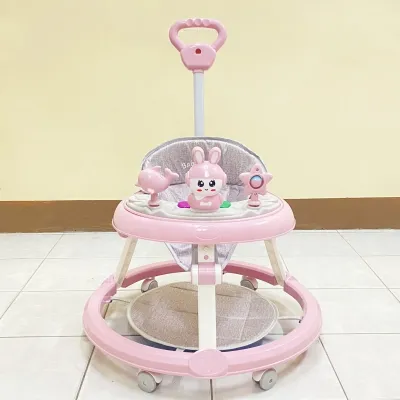
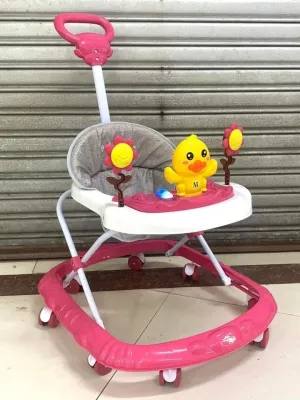
When browsing baby walkers, the visual design is often the first thing that catches a parent’s eye. Many models designed for girls feature charming themes, ranging from soft floral patterns and woodland creatures to vibrant pastel color palettes. While these themes are engaging, it is crucial to look closely at the quality of the materials used. Ensure that all plastics are high-grade, BPA-free, and durable enough to withstand daily wear and tear. Because infants frequently explore their environment by mouthing objects, any painted elements or decorative decals must use non-toxic, lead-free, and chip-resistant materials to prevent accidental ingestion of harmful substances.
Products mentioned in this guide
![[Easy To Walke] Bobbi Baby Walker walker for baby boy baby walker for girl SuitableFor 6-18 Months Infant Foldable walker for baby with Wheel Toddler Walk Learning Anti Rollove walker baby girl walker for baby With Music and Handle](https://img.lazcdn.com/g/p/e556e95d1e84b3034168d74ed603b3ce.jpg_400x400q80.jpg_.webp)
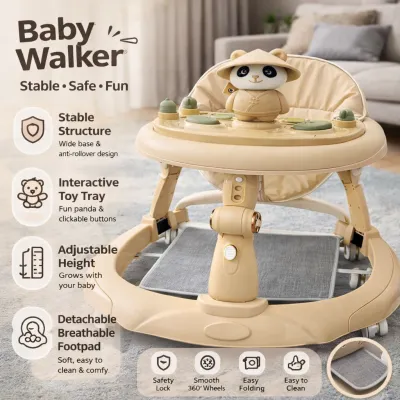
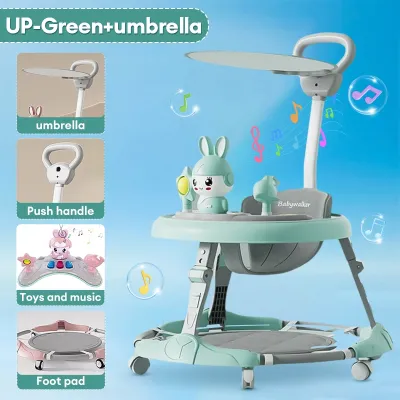
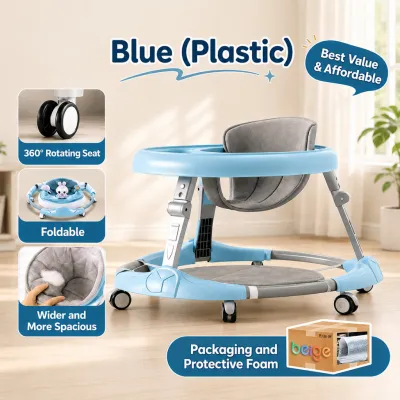
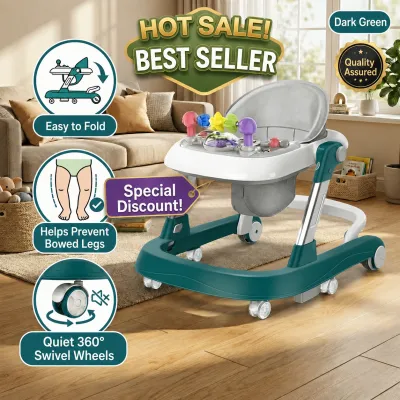
Prices are valid at publication and may change. Please refer to the product page for the latest price.
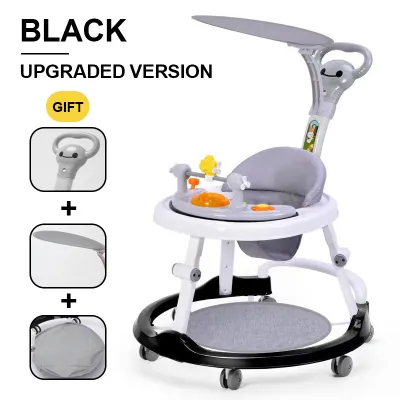
Beyond the visual theme, the interactive toy panel is the heart of the walker’s developmental value. A high-quality toy panel should offer a variety of textures, shapes, and activities that target specific developmental milestones. For younger babies who are still developing their fine motor skills, simple features like spinning rollers, sliding beads, and large buttons are highly engaging. As your baby grows, more complex toys like shape sorters, interlocking gears, and peek-a-boo mirrors help develop hand-eye coordination, spatial awareness, and an understanding of cause-and-effect. Choosing a panel with a diverse range of activities ensures the walker remains interesting and educational over several months of use.
Another key feature to consider is whether the activity tray is removable or foldable. A walker with a removable toy panel offers excellent versatility, allowing the gear to double as a clean, flat surface for snack times or for playing with other toys. This design also helps manage sensory stimulation; if your baby shows signs of fatigue or overstimulation from flashing lights and sounds, removing the toy panel provides a calm, distraction-free environment. In a warm and humid climate, a removable tray is also significantly easier to clean, as you can easily wash away spilled milk, food crumbs, and drool under running water without risking damage to any electronic components.
Safety Checks and Developmental Boundaries
Before purchasing any baby walker, verifying the manufacturer’s safety specifications and developmental guidelines is essential. Every walker comes with strict weight and height limits that must be adhered to. Exceeding these limits can compromise the structural integrity of the walker, making it unstable and prone to collapsing or tipping over. Additionally, babies must meet the required developmental prerequisites before using a walker. For instance, a baby should only be placed in a sit-in walker if she is already able to sit up completely unassisted and has strong head and neck control. Placing a baby in a walker before her muscles are ready can strain her developing spine and joints.

Physical safety features are the most critical aspect of any walker’s design. When evaluating a model, inspect the base to ensure it is wide and stable, which prevents the walker from tipping over when your baby leans sideways to reach for an object. Look for models equipped with anti-tip friction strips or rubber pads on the bottom of the frame; these pads are designed to grip the floor and stop the walker if a wheel slips over an edge or onto an uneven surface. For push-behind walkers, speed regulators or adjustable tension on the wheels are vital features, especially on smooth tiled or wooden floors common in local homes. These regulators prevent the walker from rolling away too quickly, helping your baby maintain her balance as she takes her first steps.
While manufacturers build various safety features into their products, it is important to recognize that no walker is absolutely safe without constant caregiver supervision. Pediatric associations and local health authorities worldwide have raised significant safety concerns regarding traditional sit-in walkers. These concerns stem from the rapid mobility these walkers provide, which can allow a baby to quickly reach hazards like stairs, hot surfaces, electrical cords, or household chemicals before an adult can intervene. Parents are strongly encouraged to consult their family pediatrician or local health guidelines to understand these risks fully and to establish strict safety protocols, ensuring the walker is only used in a secure, flat, and fully supervised environment.
How to Build and Compare Your Shortlist
To find the right walker for your home, it helps to establish a clear budget and compare options systematically on online marketplaces. In the Philippines, baby walkers are available across a wide range of price points, and understanding what you get for your money can help you make an informed decision. Budget options ranging from ₱1,000 to ₱2,000 typically feature basic plastic frames, simple mechanical toy panels (such as manual gears and bead rollers), and standard plastic wheels. While functional, they may lack advanced safety features like speed regulators or rubberized traction pads.
Mid-range options priced between ₱2,000 and ₱4,000 often offer sturdier construction, better wheel quality (including rubberized grips for smoother rolling on tiles), and more interactive toy panels that include electronic lights, music, and removable components. Premium options costing ₱4,000 and above frequently feature multi-functional designs, such as units that convert from a sit-in walker to a push-behind walker or a stationary activity table. They use high-grade, durable materials, offer advanced safety mechanisms, and include highly engaging, multi-stage developmental toys.
When comparing models on ecommerce platforms, look past the promotional photos and focus on real-user reviews. Filter the feedback to see what other parents say about the product’s performance in real-world conditions. Pay close attention to comments regarding the battery life of electronic toys, the security of the battery compartment, and whether any small parts tend to come loose, which could present a choking hazard. Additionally, check reviews for feedback on how smoothly the wheels roll on different flooring types and whether the chassis feels stable when a baby leans against it.
Finally, always verify that the walker you choose includes a clear, comprehensive instruction manual and visible safety warning labels. Proper assembly is absolutely critical to your baby’s safety; a single incorrectly installed wheel or a loose locking latch can lead to a fall. A reputable manufacturer will provide clear, step-by-step assembly instructions and highlight key safety warnings directly on the product frame. Taking the time to verify these details before finalizing your purchase ensures that you are bringing a reliable, high-quality piece of gear into your home.
Sit-In vs. Push-Behind Walkers: Matching Your Baby's Stage
Choosing between a traditional sit-in walker and a modern push-behind walker depends largely on your baby’s current physical milestones and motor development. Sit-in walkers feature a suspended fabric seat inside a wheeled frame, allowing babies who cannot yet stand on their own to move around by pushing off the floor with their feet. However, because the seat supports the baby’s weight, it can alter their center of gravity and encourage an unnatural walking posture, such as walking on their tiptoes. This suspended position can also limit the natural strengthening of the leg and hip muscles needed for independent walking.
In contrast, push-behind walkers are designed for babies who are already beginning to stand and take tentative steps. These walkers feature a sturdy handle attached to a wheeled frame, often with a large, upright activity panel on the front. Because the baby must support her own body weight while pushing the toy, push-behind walkers promote a more natural heel-to-toe walking gait and help build core strength, balance, and coordination. Many child development experts and pediatricians favor push-behind models because they align better with natural motor progression and do not restrict the baby’s hip movement.
To determine if your baby girl is ready for a push-behind walker, look for specific physical readiness signals. Your baby should be able to pull herself up to a standing position using furniture, stand steadily while holding onto a support, and attempt to “cruise” or walk sideways along the edges of the sofa or coffee table. She should also demonstrate strong head, neck, and trunk control. If your baby is still unable to support her own weight or stand with assistance, she is not yet ready for a push-behind walker, and you should focus on floor play and tummy time to help build her core muscles first.
Frequently Asked Questions (FAQ)
At what age should a baby start using a walker?
A baby’s readiness for a walker depends entirely on their individual developmental milestones rather than a specific chronological age. For traditional sit-in walkers, a baby must be able to sit upright completely unassisted and have strong head and neck control, which typically occurs between six and nine months of age. For push-behind walkers, your baby should be showing signs of pulling up to stand and attempting to take steps with support, which usually happens between nine and twelve months. Because every child develops at their own pace, it is highly recommended to consult your pediatrician to assess your baby’s physical readiness before introducing any type of walker.
Are baby walkers with lights and sounds bad for development?
Electronic toys with lights and sounds are not inherently bad and can provide excellent sensory stimulation, helping babies learn about cause-and-effect when they press a button and receive a response. However, excessive exposure to loud, continuous noises and flashing lights can lead to overstimulation, which may cause irritability, distractibility, or disrupt your baby’s sleep patterns. When choosing a walker with electronic features, look for models that offer adjustable volume controls or an option to turn off the electronics completely. This allows you to control the level of sensory input and encourages your baby to engage with the mechanical, hands-on toys on the panel.
How do I clean the fabric seat and plastic toys?
Keeping your baby’s walker clean is essential for hygiene, especially in a warm, humid climate where bacteria and mold can thrive. Always refer to the manufacturer’s care label for specific cleaning instructions. Generally, the fabric seat of a sit-in walker should be removed and washed using a gentle, baby-safe detergent; checking if it is machine-washable can save you significant time. For the plastic frame and toy panel, wipe them down regularly with a damp cloth and mild soapy water, taking care not to get any water inside the electronic battery compartments. After cleaning, ensure all parts are completely dry before reassembling the walker, as any trapped moisture can lead to mold or mildew growth.

Community discussion
Share your experience or ask a question. Comments are reviewed before publication.