
Selecting a baby walker for your baby girl involves balancing delightful designs with rigorous safety standards and ergonomic support. While it is easy to get swept away by charming pastel colors, toy-filled activity trays, and whimsical themes, a walker’s primary job is to provide a secure, comfortable environment for your little one as they explore their surroundings. In a tropical environment like the Philippines, where homes often feature tiled floors and high humidity, choosing the right gear requires looking closely at material breathability, wheel traction, and structural stability. By focusing on how the walker fits your baby’s physical development and your home’s layout, you can make an informed purchase that keeps your baby girl safe and engaged.
Essential Safety Features to Verify First
A wide, flared base is the first line of defense against tipping. The base should be significantly wider than the top frame to ensure that even if your baby leans heavily to one side or bumps into an obstacle, the center of gravity remains low and stable. This is particularly important when transitioning between different floor surfaces, such as moving from a smooth tiled living room to a carpeted bedroom or over low door thresholds.
If your home has steps, stairs, or raised thresholds, stair-fall prevention mechanisms are absolutely critical. Look for walkers equipped with friction pads or rubber grip strips on the underside of the base. These pads are designed to grab the edge of a step and stop the walker’s forward momentum instantly. When inspecting a walker, turn it over and visually check that these pads are thick, securely attached, and made of high-friction material.
Products mentioned in this guide
![[Easy To Walke] Bobbi Baby Walker walker for baby boy baby walker for girl SuitableFor 6-18 Months Infant Foldable walker for baby with Wheel Toddler Walk Learning Anti Rollove walker baby girl walker for baby With Music and Handle](https://img.lazcdn.com/g/p/e556e95d1e84b3034168d74ed603b3ce.jpg_400x400q80.jpg_.webp)
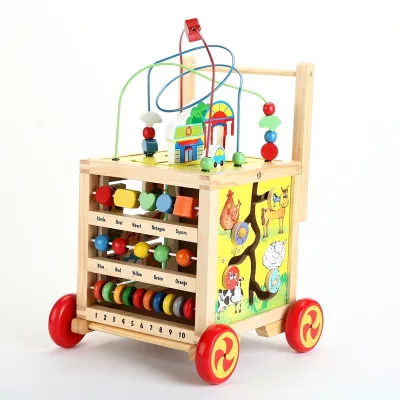
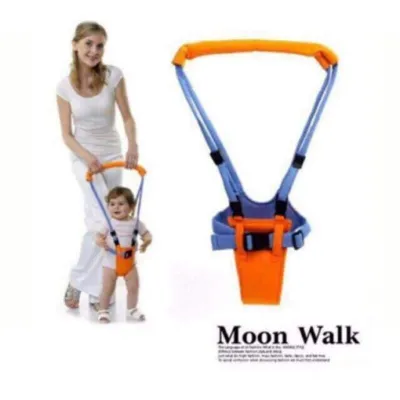
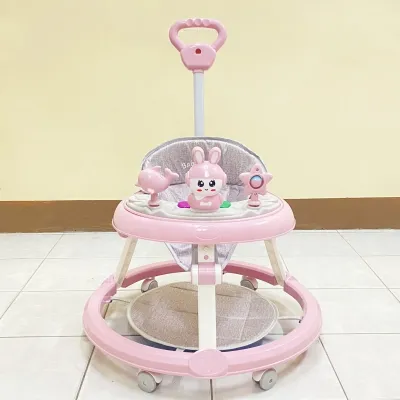
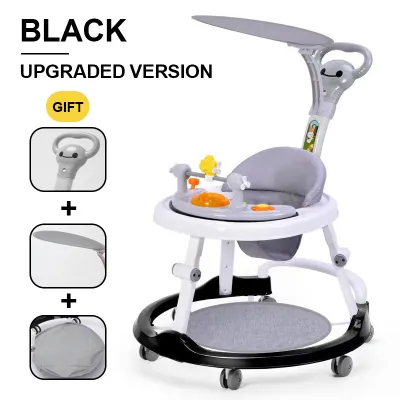
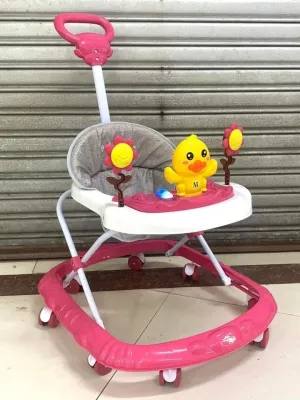
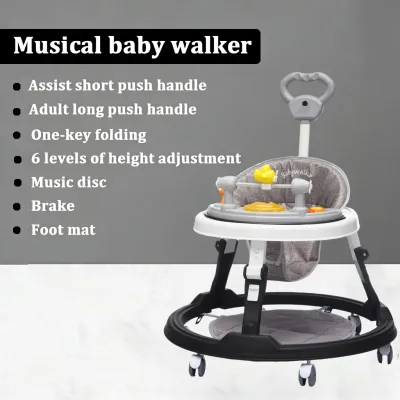
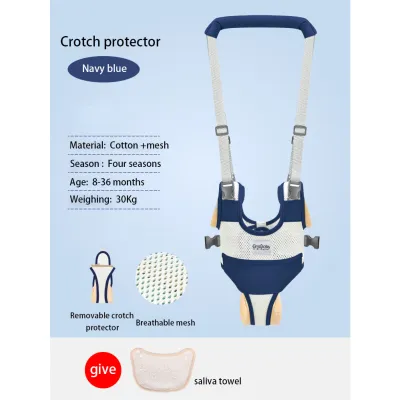
Prices are valid at publication and may change. Please refer to the product page for the latest price.
Every manufacturer specifies strict weight and height limits for their walkers. Exceeding these limits can lead to structural failure, bent frames, or a higher risk of tipping as the baby’s center of gravity shifts upward. Always measure your baby girl’s current height and weight before shopping, and choose a model that leaves ample room for her expected growth over the coming months.
Rather than relying on vague marketing claims of absolute safety, look for physical proof of testing on the packaging or the product itself. In the local market, look for import clearance certificates or recognized international standards such as ASTM (American Society for Testing and Materials) or EN (European Standards) labels. Verifying these markings ensures the design has undergone rigorous mechanical and chemical testing.
Adjustability and Ergonomic Fit for Growing Babies
A proper ergonomic fit is essential for your baby’s physical development. The walker must feature an adjustable seat height with multiple positions. When your baby girl is seated, her feet should rest flat on the floor, allowing her to push off naturally with her whole foot rather than straining on her tiptoes. Walking on tiptoes for extended periods can place unnecessary strain on developing calf muscles and Achilles tendons.

Comfort and hygiene go hand in hand, especially in warm, humid climates. Look for a seat cover with thick padding that supports the baby’s thighs without chafing. The fabric should be highly breathable to prevent heat rash and sweat buildup during active play. Most importantly, ensure the seat cover is easily detachable and machine-washable, as spills, crumbs, and diaper leaks are inevitable.
The seat’s backrest should be high and firm enough to support your baby’s lower and mid-back. A flimsy or sagging backrest can cause the baby to slouch, putting improper pressure on her developing spine. Look for reinforced stitching and rigid inserts within the fabric backrest that help maintain an upright posture.
Knowing when to transition away from a walker is just as important as knowing when to start. You should stop using the walker as soon as your baby girl reaches the manufacturer’s maximum weight or height limit, or when she learns to sit up, crawl, or stand independently. If she attempts to climb out of the seat, it is a clear signal that she has outgrown the walker’s safety boundaries and is ready for floor-based play.
Design and Aesthetic Preferences for Baby Girls
When shopping for a baby girl, you will find a wide array of design options, ranging from classic pinks, purples, and floral patterns to modern gender-neutral pastels, mint greens, and minimalist wooden aesthetics. Choose a design that matches your personal style and complements your home decor, but remember that visual appeal should never overshadow structural quality.
The activity tray is where your baby girl will spend most of her time interacting with the walker. Evaluate the toys on the tray carefully. They should be securely anchored to the console, with no loose parts, thin strings, or small detachable components that could pose a choking hazard. Interactive elements like steering wheels, mirrors, and musical buttons can aid sensory development, but they must be robustly constructed.
Avoid models with excessive, flimsy decorative add-ons that protrude from the sides. These can easily catch on furniture, curtains, or doorways, potentially causing the walker to stall or tip. A clean, streamlined outer frame is always safer and easier to clean than one cluttered with decorative plastic moldings.
Babies explore their world with their mouths, and your little one will likely chew on the walker’s toy bar or tray edge. Ensure all plastic components are labeled as non-toxic and BPA-free. Check that any painted surfaces use lead-free, child-safe paint that will not flake off over time.
Mobility, Floor Compatibility, and Maneuverability
The type of flooring in your home dictates the kind of wheels your walker needs. For hard floors like ceramic tiles, marble, or polished concrete—which are highly common in Filipino households—look for soft rubber or polyurethane wheels. These provide better grip, reduce noise, and prevent scratching. If your home has carpeted areas, you will need larger, sturdier plastic wheels that can roll smoothly over fabric fibers without getting stuck.
Some walkers come equipped with rear-wheel locks or adjustable speed restrictors. These features are incredibly useful for controlling how fast your baby can move, especially on smooth, slippery tiled surfaces. Locking the wheels can also temporarily convert the walker into a stationary activity center, allowing your baby girl to play safely in one spot while under your direct supervision.
Before making a purchase, measure the doorways, hallways, and narrow passages in your home. Some wide-base walkers are too wide to pass through standard interior doors, which can limit your baby’s movement or force you to constantly lift the walker over thresholds. A compact or easily foldable model is ideal if you have tight spaces or need to store the walker when not in use.
In humid environments, dust, pet hair, and floor debris tend to accumulate quickly in wheel axles. This buildup can cause the wheels to stick, leading to sudden stops or uneven rolling that might frustrate or endanger your baby. Regularly inspect the underside of the walker, clear out any trapped hair or dirt, and wipe down the wheels to maintain smooth, predictable maneuverability.
Building Your Shortlist: What to Check Before Checkout
Before adding a walker to your cart, double-check your baby’s current physical metrics against the manufacturer’s specifications. Do not rely on age recommendations alone, as babies grow at vastly different rates. A baby girl who is tall for her age might outgrow a standard walker’s height limit long before she reaches the age limit listed on the box.
When shopping on local online marketplaces, pay close attention to seller ratings and customer reviews. Look for reviews that mention the product’s actual durability, ease of assembly, and packaging quality. Verify the seller’s return policy and warranty terms so you can easily exchange the product if it arrives with missing parts or manufacturing defects.
Once the walker arrives, take the time to read the instruction manual fully before beginning assembly. Lay out all the parts, screws, and tools to ensure nothing is missing. Follow the step-by-step instructions carefully, and double-check that all locking pins, seat clips, and toy attachments are securely clicked into place before placing your baby girl inside.
Be on the lookout for warning signs of a low-quality product. Missing instruction manuals, poorly translated safety warnings, flimsy plastic parts that bend under light pressure, or a strong chemical odor are major red flags. If the walker feels unstable or if the safety labels are non-existent, it is best to return the item and choose a more reputable brand.
Frequently Asked Questions (FAQ)
At what age is it appropriate to start using a baby walker?
Most manufacturers recommend starting walker use around 6 months of age, but developmental readiness is far more important than chronological age. Your baby girl must have strong, independent head and neck control and be able to sit upright unsupported before using a walker. Because every child develops at their own pace, it is highly recommended to consult your pediatrician to confirm if your baby’s muscles and joints are ready for this type of gear.
Do baby walkers delay walking milestones?
Some developmental experts suggest that excessive use of baby walkers can alter natural motor development, as they teach babies to push forward on their toes rather than balance their full weight on their feet. To support healthy motor skills, limit walker sessions to short intervals of 15 to 20 minutes per day, and ensure your baby girl gets plenty of supervised floor play, tummy time, and crawling practice. This balance allows her to build the core and leg strength needed for independent walking.

Community discussion
Share your experience or ask a question. Comments are reviewed before publication.