
When your baby reaches the six-to-twelve-month mark, their first tiny teeth begin to emerge through the gums. This milestone marks the perfect time to establish a consistent oral hygiene routine. Choosing the right baby toothbrush for a 6 to 12-month-old in the Philippines requires balancing safety, comfort, and hygiene, especially given the warm, humid climate that can encourage bacterial growth on damp surfaces. Parents must look for tools specifically designed for tiny mouths, focusing on ultra-soft textures and protective features that prevent accidental injury.
Introducing oral care early helps soothe teething discomfort while protecting newly erupted primary teeth from early decay. At this stage, a baby’s gums are highly sensitive, and their swallowing reflex is not yet fully coordinated. Therefore, the ideal toothbrush is not just a scaled-down version of an adult brush, but a specialized tool designed to be safe, easy to hold, and gentle on delicate oral tissues. By understanding what features to prioritize, you can make an informed decision that keeps your baby’s mouth clean and healthy.
What to Look for When Buying a Baby Toothbrush (6 to 12 Months)
Selecting an appropriate toothbrush for an infant involves evaluating several physical characteristics to ensure it is both effective and safe. The first feature to examine is the brush head and bristle quality. For babies between six and twelve months, the brush head must be exceptionally small to fit comfortably inside their limited oral space without causing a gag reflex. The bristles should be labeled as extra-soft or ultra-soft, made from rounded nylon or flexible, food-grade silicone. Hard or medium bristles can easily scratch the delicate gum tissue or wear down the thin enamel of newly erupted baby teeth.
Products mentioned in this guide
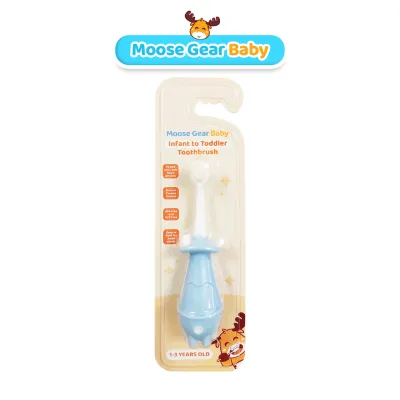
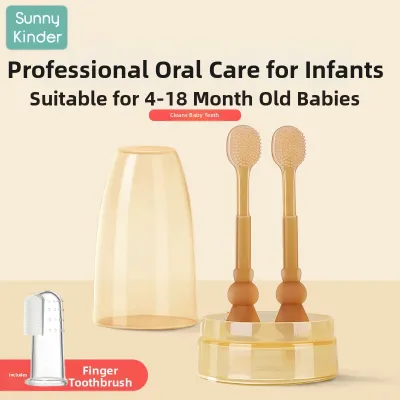
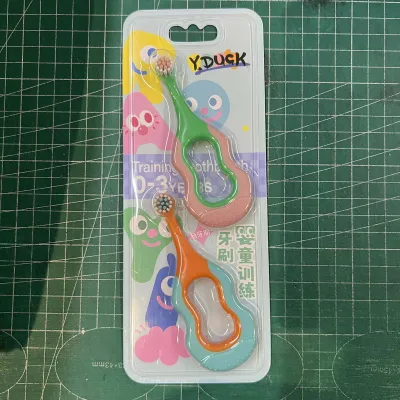
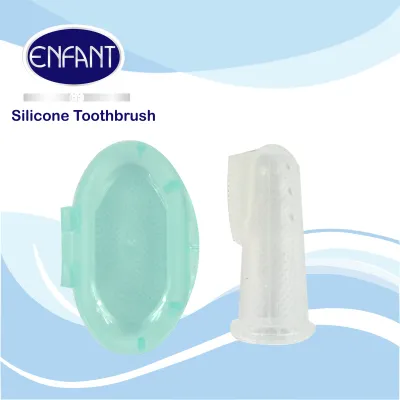
Prices are valid at publication and may change. Please refer to the product page for the latest price.
Another critical safety feature is the handle design, which must prevent the brush from sliding too far into the baby’s mouth. Look for toothbrushes equipped with a wide, circular safety shield or choke guard. This protective barrier acts as a physical stopper, ensuring that even if the baby grabs the brush or moves suddenly, the head cannot penetrate deep into the throat. If a brush does not include a built-in shield, the handle itself should be wide, chunky, and ergonomically designed to prevent deep insertion while allowing small hands to practice gripping.
Material safety is paramount when choosing any product that goes into an infant’s mouth. Parents should carefully inspect the packaging for clear labels indicating that the product is free from harmful chemicals such as Bisphenol A (BPA), phthalates, and PVC. Look for certifications or manufacturer declarations stating the use of 100% food-grade silicone or medical-grade materials. Additionally, always verify the age-grade indicator on the packaging; products labeled for toddlers or older children often have larger heads and stiffer bristles that are entirely unsuitable for a six-month-old.
Types of Toothbrushes for Babies (6 to 12 Months)
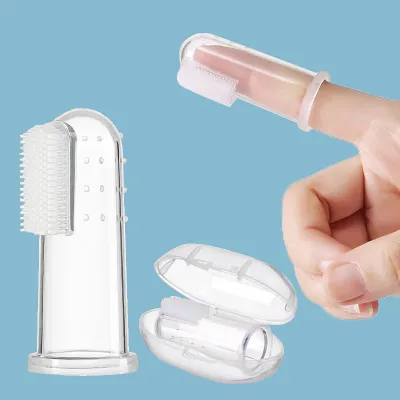
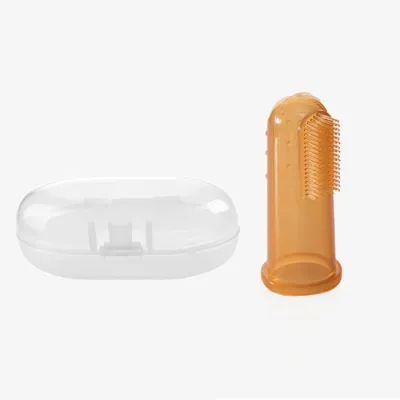
As babies progress through different stages of teething between six and twelve months, their oral care needs and preferences will shift. Silicone finger brushes are an excellent starting point for the earliest days of tooth eruption. These small, sleeve-like brushes fit snugly over a caregiver’s index finger, allowing you to gently massage the baby’s gums and wipe away food residue. The soft silicone bumps provide soothing pressure on swollen gums, and because you control the movement directly with your finger, you can easily navigate around sensitive areas without accidental slipping.

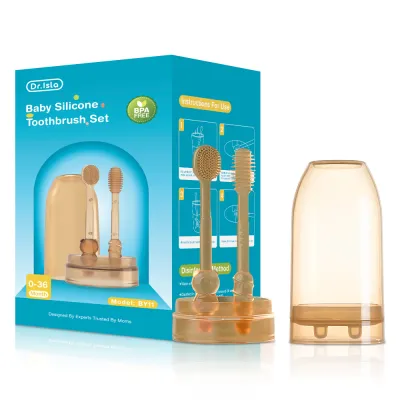
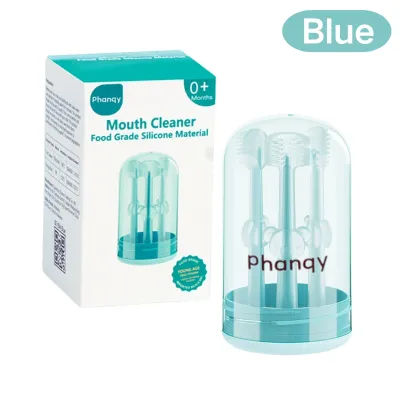
Training toothbrushes represent the next step in the oral care journey, designed to transition babies toward independent brushing. These brushes typically feature a traditional toothbrush shape but are scaled down to infant proportions and equipped with a removable safety shield. The bristles on training brushes can be made of ultra-soft nylon or soft silicone nubs. Using a training brush allows your baby to mimic your brushing motions under close supervision, helping them get used to the sensation of a brush head moving across their teeth and gums.
Teething brush toys are highly effective for babies who resist traditional brushing but love to chew on objects. These tools are shaped like teething rings or animal figures, featuring textured silicone surfaces and soft bristles integrated directly into the design. Because they are designed for self-soothing, babies can safely hold and chew on them, which naturally cleans the teeth and massages the gums. While teething toys are excellent for familiarization and relief, they should complement, rather than completely replace, active brushing sessions managed by a caregiver.
How to Introduce Brushing to Your 6 to 12 Month Old
Introducing a brushing routine to an infant requires patience, consistency, and the right physical positioning to ensure safety. To begin, find a secure position where you have clear visibility and control over your baby’s head movement. A highly effective method is to cradle your baby in your lap, with their head resting gently against your arm or chest. This position allows you to look directly down into their mouth while keeping their hands gently secured, preventing them from grabbing the toothbrush while you work.
Determining the correct amount of toothpaste is a common area of confusion for many parents. According to pediatric dental guidelines, for babies under three years old, you should use a tiny smear of toothpaste, often described as no larger than a single grain of rice. This minimal amount ensures that even if the baby swallows the toothpaste—which they inevitably will, as they cannot yet spit—the intake remains completely safe. When purchasing toothpaste, verify whether it is formulated for infants, and consult your pediatrician or pediatric dentist to decide between fluoride and non-fluoride options based on your local water supply and your baby’s specific risk factors.
When you begin the actual brushing, use incredibly gentle, circular motions along the teeth and gum line. Avoid scrubbing back and forth with force, as this can cause discomfort and lead to resistance in future sessions. If your baby bites down on the brush, resist the urge to pull it out quickly, which can hurt their gums; instead, wait for them to relax their jaw or gently massage their cheeks to encourage them to open up. To make the experience positive, sing a short song, maintain eye contact, and keep the sessions brief, gradually building up to a full two minutes as they grow older.
Safety Checks and When to Replace the Toothbrush
Maintaining the hygiene and structural integrity of a baby’s toothbrush is vital to prevent choking hazards and bacterial contamination. Before every single use, perform a quick visual and physical check of the toothbrush. Inspect the bristles to ensure they are not frayed, splayed, or falling out, and pull gently on silicone parts to check for tears or weakening. If you notice any signs of wear, such as loose bristles or cracked silicone, discard the toothbrush immediately, as small pieces can easily break off and pose a serious choking risk to an infant.
Even if a toothbrush appears to be in perfect condition, it requires regular replacement to maintain proper hygiene. The general standard is to replace a baby’s toothbrush every three months, or sooner if the bristles become worn or if the baby has recently recovered from an illness. In the tropical climate of the Philippines, where high humidity levels are common, mold and bacteria can multiply rapidly on damp surfaces. Therefore, keeping a close eye on the cleanliness of the brush head and handle is especially important, and any sign of discoloration or black spots warrants immediate disposal.
Proper cleaning and storage techniques are essential for keeping the toothbrush sanitary between uses. After each brushing session, rinse the toothbrush thoroughly under clean, running water to remove all traces of toothpaste and food debris. Shake off excess water completely and store the brush upright in an open container, allowing it to air-dry completely. Avoid storing the toothbrush in closed travel cases, dark cabinets, or damp bathroom corners, as these enclosed, humid environments trap moisture and create the perfect breeding ground for mold and mildew.
Frequently Asked Questions (FAQ)
Do I need to use toothpaste for a 6 to 12 month old?
Yes, pediatric dental guidelines recommend starting oral care as soon as the first tooth erupts, which typically occurs between six and twelve months. A tiny smear of toothpaste, no larger than a grain of rice, should be used twice daily. Parents should consult their pediatric dentist to determine whether to use fluoride or fluoride-free toothpaste, depending on the baby’s individual dental needs and local water conditions.
Can a 6 month old use a regular toddler toothbrush?
No, a six-month-old should not use a regular toddler toothbrush. Toddler toothbrushes are designed for older children who have more teeth and larger mouths; they often lack essential safety features like choke guards and have brush heads that are too large for an infant. Using a toddler brush on a six-month-old increases the risk of accidental gagging, choking, or gum injury due to stiffer bristles.
How do I properly clean and store a silicone baby toothbrush?
Silicone baby toothbrushes should be rinsed thoroughly with warm, clean water after every use to remove residue. Depending on the manufacturer’s instructions, many high-quality silicone brushes can be sterilized in boiling water or a steam sterilizer periodically. Always check the product packaging to verify the maximum temperature limit, and ensure the brush is allowed to air-dry completely in a well-ventilated, open area to prevent mold growth.

Community discussion
Share your experience or ask a question. Comments are reviewed before publication.