
To choose a baby swing that complements your existing nursery furniture, you must balance visual harmony with physical space and safety. Instead of searching for an exact brand match, focus on coordinating key design elements—such as matching the undertones of wood finishes, aligning fabric colors with your room’s palette, and selecting a frame footprint that preserves the room’s natural flow. By evaluating your crib, changing table, and available floor space first, you can select a swing that feels like an intentional extension of your nursery.
In tropical climates like the Philippines, where high humidity and warm temperatures influence indoor living, choosing the right materials is also a practical necessity. Fabrics should be breathable and easy to clean, while the frame’s footprint must allow for excellent air circulation around the room. Balancing these aesthetic and environmental factors ensures your baby’s space remains both beautiful and comfortable.
Assess Your Existing Nursery Furniture and Space
Before browsing online marketplaces or local baby boutiques, take a step back to analyze the established design language of your nursery. Look closely at your anchor pieces, which typically include the crib, the changing table, and perhaps a nursing glider or wardrobe. Note whether these pieces lean toward a specific style, such as sleek Scandinavian minimalism, warm rustic wood, or classic white-painted traditional frames. Identifying this dominant aesthetic helps narrow down your swing search immediately.
Products mentioned in this guide
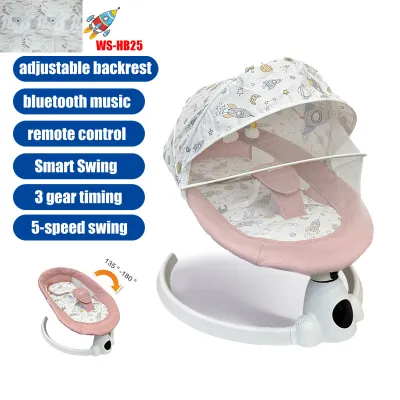
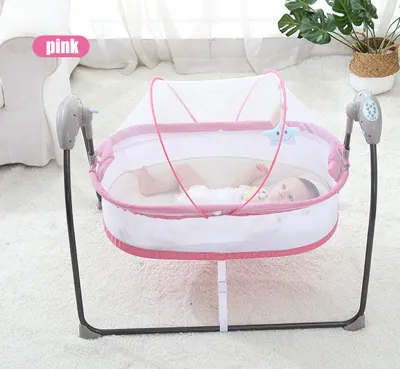
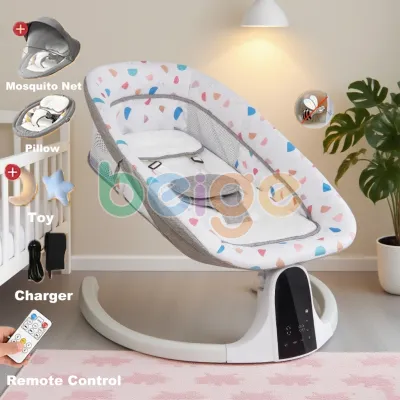
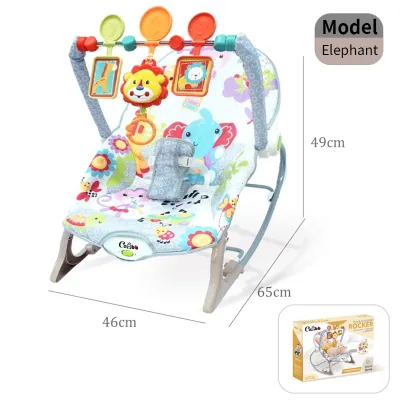
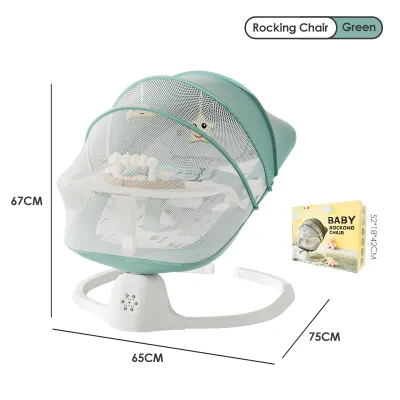
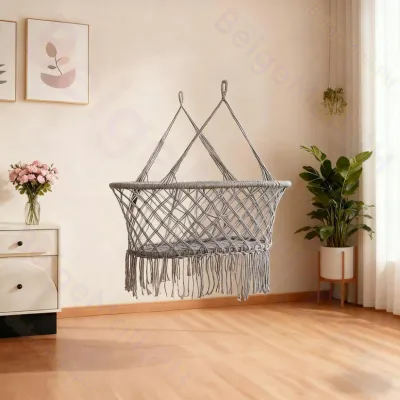
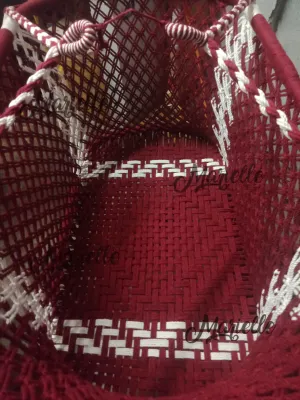
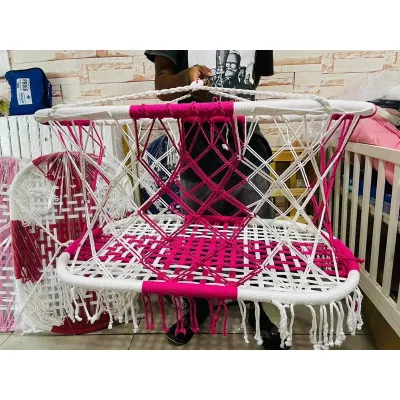
Prices are valid at publication and may change. Please refer to the product page for the latest price.
Next, map out the primary color palette of these large furniture items. If your crib features a soft gray finish and your changing table is a clean matte white, your nursery has a cool, neutral foundation. A baby swing with a stark black frame might look jarring in this setup, whereas a soft silver, white, or light gray frame will blend in seamlessly.
Physical dimensions are just as critical as visual style. A baby swing requires a dedicated footprint, but it also needs dynamic clearance—the empty space around the unit that allows it to sway or glide without hitting walls, crib slats, or changing tables. Use a physical measuring tape to map out the exact spot where you plan to place the swing.
When measuring, check the manufacturer’s specifications for both the static base dimensions and the maximum swing arc. In many homes, space can be tight, especially when trying to maintain a breezy, well-ventilated environment to combat tropical humidity. Ensuring at least a few feet of clear space around the swing’s path prevents accidental collisions and keeps the room feeling open.
Finally, take note of the specific materials and finishes used in your existing furniture. If your crib features a warm, natural bamboo or light oak finish, look for a baby swing that incorporates similar warm wood accents or a matte, neutral-toned plastic frame. If your furniture relies on powder-coated white metal, a swing with a matching metal base will create a highly cohesive, intentional look.
Match Colors, Materials, and Design Styles
Achieving a cohesive nursery design does not mean every piece of baby gear must come from the exact same manufacturer or collection. In fact, trying to match every finish perfectly can feel clinical or overly restrictive. Instead, aim for visual harmony by echoing key design elements across different brands and products.

Start with the frame finishes of the baby swing. If your nursery furniture features warm brass drawer pulls or matte black hardware, look for a swing that incorporates these subtle metal accents. If your crib is made of a dark walnut wood, a swing with a dark charcoal or deep brown base will complement the wood’s depth without needing to match the grain pattern perfectly.
Fabric selection offers another excellent opportunity for coordination. Most baby swings feature removable, washable fabric seat covers, which are highly visible in the room. If your nursery walls and furniture are predominantly neutral, you can use the swing’s fabric to introduce a subtle pop of color that matches your curtains, crib sheets, or wall art.
Conversely, if your nursery already features vibrant wallpaper or colorful bedding, a neutral swing seat in cream, beige, or soft gray is often the best choice. This prevents the room from feeling visually cluttered or overwhelming. Opting for solid colors or very subtle, textured weaves rather than busy patterns ensures the swing remains a calming element in the space.
In warm, tropical climates, the material composition of the swing’s fabric is just as important as its color. Look for breathable, moisture-wicking textiles that keep your baby cool during warm afternoons. Removable, machine-washable covers are essential for managing sweat, spit-up, and diaper leaks, ensuring the swing remains hygienic and fresh-smelling.
Optimize Room Flow and Swing Placement
A beautifully styled nursery is only successful if it remains highly functional for daily caregiving routines. When placing your baby swing, you must carefully map out the walking paths between your primary work zones: the crib, the changing table, and the doorway. You should be able to navigate these paths easily in low light, such as during late-night diaper changes or feedings, without tripping over the swing’s base.
If your nursery has limited square footage, a large, full-sized baby swing with a wide, sprawling base might disrupt the room’s flow. In these situations, prioritize compact or foldable baby swings. These space-saving models can be easily tucked away in a closet or behind a door when not in use, allowing you to reclaim valuable floor space during playtime or cleaning.
Safety must always dictate the final placement of the swing within your room layout. Position the unit on a flat, level floor surface, completely away from windows, glass doors, and direct sunlight. In tropical regions, placing a swing too close to an open window can expose your baby to sudden drafts, insects, or direct heat, while placing it directly under an air conditioning vent can cause rapid temperature drops.
Additionally, ensure the swing is situated far out of reach of window blind cords, electrical wires, baby monitor cables, and heavy wall decorations. A baby swing should never be placed near shelves holding heavy books or framed art that could accidentally fall. Creating a dedicated, clear “safe zone” around the swing ensures that your baby remains secure while enjoying the soothing motion.
Prioritize Safety and Usage Limits Over Aesthetics
While finding a baby swing that matches your changing table and crib is satisfying, safety must always take absolute precedence over interior design. Before purchasing any swing, you must verify its specific weight, height, and developmental limits. These specifications vary significantly between different models and brands, and they are critical for ensuring the unit can safely support your growing child.
Always consult the manufacturer’s official product documentation to confirm these limits rather than relying on general age recommendations. Some swings are designed exclusively for newborns and very young infants, while others can accommodate slightly older babies. Remember that as soon as your baby attempts to roll over, sit up, or climb out of the seat, you must discontinue use immediately to prevent falls.
When assembling your chosen swing, follow the product manual’s instructions step-by-step. Ensure all screws are tightened securely and that the harness system is fully functional. Never attempt to modify the swing’s frame or attach aftermarket accessories, such as non-approved toy bars or extra cushions, as these can compromise the unit’s stability and safety.
Regularly inspect the baby swing for signs of wear and tear, especially in humid environments where moisture can affect certain materials over time. Check the stability of the frame, look for loose joints, and ensure the harness straps remain secure. If you notice any missing parts, structural instability, or if your baby shows signs of outgrowing the swing’s developmental limits, stop using the product immediately and contact the manufacturer for guidance.
Frequently Asked Questions (FAQ)
Can I mix different wood tones in the nursery?
Yes, mixing different wood tones is an excellent way to create a curated, layered look in your nursery. To keep the design cohesive, try to match the undertones of the woods rather than the exact colors. For example, you can pair warm-toned woods like oak and pine together, or cool-toned woods like gray-washed maple and ash. You can also use neutral textiles, such as a soft area rug or woven storage baskets, to visually bridge the gap between different wood finishes in the room.
Do I need to buy a baby swing from the same furniture brand?
No, you do not need to buy a baby swing from the same brand as your nursery furniture. In fact, most furniture manufacturers do not produce baby swings, making cross-brand pairing the standard approach. Focus your decision on visual coordination, such as matching frame colors or fabric textures, rather than brand loyalty. Most importantly, prioritize verified safety certifications, manufacturer guidelines, and space compatibility over matching brand names to ensure a safe and functional nursery.

Community discussion
Share your experience or ask a question. Comments are reviewed before publication.