
Choosing a baby cutlery storage box requires prioritizing material safety, effective ventilation, and organized compartments to protect your infant’s developing immune system. During the weaning phase, baby utensils require a dedicated, hygienic environment separate from adult kitchenware. A high-quality storage box not only keeps small spoons and forks organized but also shields them from environmental contaminants, dust, and moisture-induced mold.
In tropical regions like the Philippines, where high humidity is a constant factor, selecting the right storage solution becomes even more critical. Damp utensils left in closed spaces can quickly become breeding grounds for bacteria. By understanding what features to look for, you can ensure your baby’s weaning tools remain clean, dry, and safe for every meal. This guide breaks down the essential criteria to help you make an informed decision.
Understand the Hygiene and Organization Needs of Weaning Tools
Weaning is an exciting milestone, but it introduces new responsibilities regarding food safety and hygiene. Baby utensils, such as soft silicone spoons, training forks, and fruit mashers, come into direct contact with your baby’s sensitive mouth. Storing these items alongside adult kitchenware poses a significant risk of cross-contamination. Adult cutlery often handles a wider variety of raw ingredients, spices, and potential allergens that may not be completely eradicated during a standard wash cycle.
Products mentioned in this guide
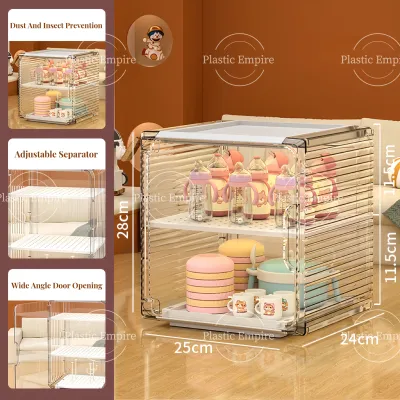
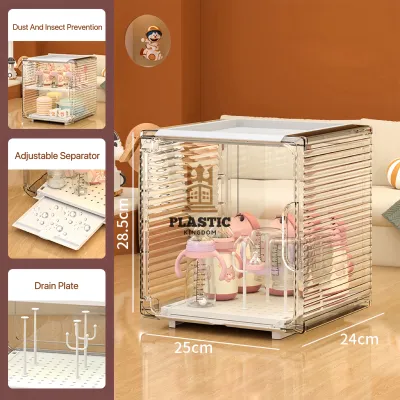
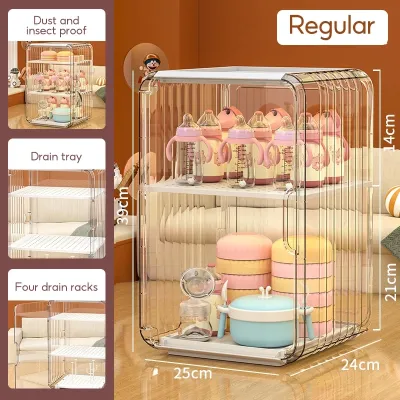
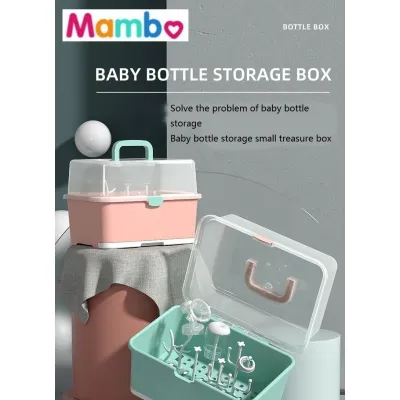
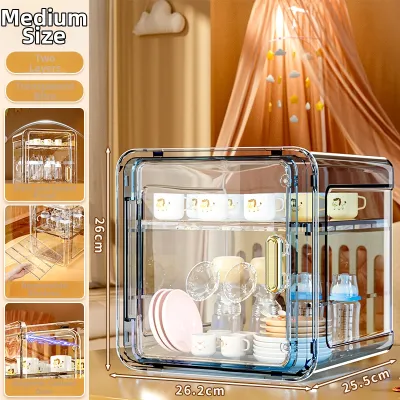
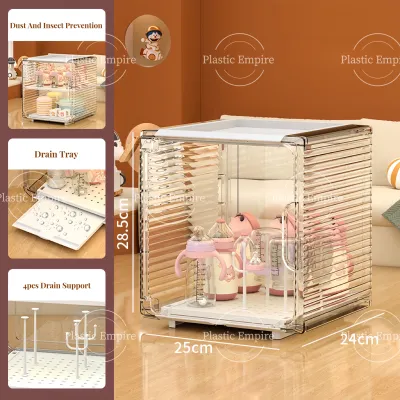
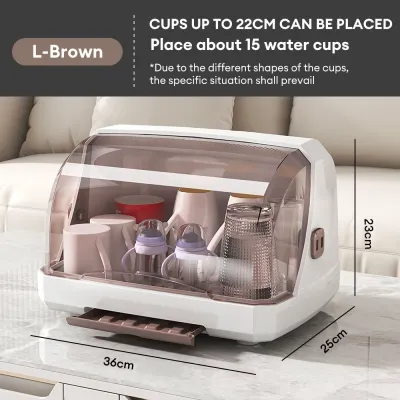
Prices are valid at publication and may change. Please refer to the product page for the latest price.
Furthermore, standard kitchen drawers are rarely dust-proof or pest-proof. A dedicated baby cutlery storage box provides a controlled, isolated environment that maintains post-sterilization hygiene. Once you have sterilized your baby’s feeding tools, placing them directly into a clean, enclosed storage box ensures they remain sanitary until the next feeding session. This extra layer of protection is vital during the first year of life when your baby’s immune system is still developing.
Organization is another practical benefit of a dedicated storage box. Weaning tools are typically small, lightweight, and uniquely shaped. In a standard kitchen drawer, these items easily slide around, get buried under larger utensils, or become damaged. A specialized storage box keeps everything in one designated place, saving you time and frustration during busy meal prep times. It also helps you quickly assess which utensils are clean and ready for use.
Verify Material Safety and Food-Grade Standards
When selecting any product that comes into contact with your baby’s food or utensils, material safety is paramount. The storage box itself must be constructed from high-quality, non-toxic materials that do not leach harmful chemicals over time. Look for food-grade plastics such as Polypropylene (PP) or Tritan. Polypropylene is highly durable, lightweight, and resistant to heat, making it an excellent choice for daily kitchen use. Tritan is a premium alternative that offers the clarity of glass without the risk of shattering, allowing you to easily see the contents inside.

Always inspect the product packaging, labels, and online descriptions for explicit safety certifications. Ensure the storage box is certified as BPA-free, PVC-free, and phthalate-free. Bisphenol A (BPA) and other plasticizers are known endocrine disruptors that can pose health risks to infants. Verifying these chemical-free claims is a crucial step in safeguarding your baby’s health.
Heat resistance is another critical specification to verify. Since baby utensils are frequently sterilized using boiling water, steam, or UV sterilizers, the storage box itself will often hold warm or freshly sanitized items. If you plan to wash the storage box in hot water or place it in a steam sterilizer, ensure the manufacturer specifies a high heat tolerance threshold. Materials with low heat resistance can warp, crack, or degrade, compromising the structural integrity and safety of the box.
Before finalizing your purchase, carefully read the manufacturer’s warnings and care instructions. Some materials are highly sensitive to specific cleaning agents or sterilization methods. For instance, certain plastics may degrade or discolor when exposed to UV light or harsh chemical detergents. Understanding these limitations beforehand ensures you can maintain the storage box properly without accidentally damaging the material or reducing its lifespan.
Evaluate Compartment Design for Easy Organization
An effective baby cutlery storage box should feature an intuitive internal layout that keeps different weaning tools separated and easily accessible. When evaluating compartment designs, consider the choice between adjustable dividers and fixed slots. Fixed slots are highly convenient for standard spoon and fork sets, keeping them neatly aligned. However, weaning often involves a diverse array of tools, including bulbous silicone training spoons, food mashers, and reusable food pouches. Adjustable or removable dividers offer the flexibility to customize the internal space as your baby’s feeding needs change.
The physical configuration of the storage box also impacts its usability. You can choose between upright, vertical storage designs and flat, horizontal configurations. Upright storage boxes are excellent for saving counter space, as they utilize vertical height and allow utensils to stand upright. This setup is particularly useful in smaller kitchens where counter space is limited. Flat, horizontal boxes are ideal if you prefer to store the organizer inside a kitchen drawer or cabinet, keeping your countertops completely clear.
Look for storage boxes that feature removable inner trays. A removable tray makes the cleaning process significantly easier, as you can lift the entire compartment section out to wash the outer container. This design prevents food crumbs, dust, and moisture from accumulating in the deep corners of the box. It also allows you to carry the inner tray directly to the dining table during mealtime, keeping the outer protective shell clean.
Finally, pay close attention to the internal finish of the compartments. Avoid storage boxes with sharp internal edges, rough plastic seams, or extremely tight gaps. Soft silicone spoon tips and bottle nipples are delicate and can easily tear or deform if they are forced into narrow, sharp spaces. Smooth, rounded compartments protect these soft materials from physical damage, ensuring your weaning tools last longer and remain safe for your baby to use.
Ensure Proper Ventilation and Drainage to Prevent Mold
In warm, humid climates, moisture control is the single most important factor in maintaining hygienic storage. Storing damp utensils in a completely sealed, non-vented container creates a humid microclimate that accelerates the growth of bacteria, pink mold, and mildew. To prevent this, prioritize storage boxes equipped with robust drainage and ventilation features.
Look for a box that includes a bottom drainage tray or a sloped base. This design allows residual water from freshly washed utensils to drip down and collect in a separate compartment below, keeping the cutlery dry and elevated. The water collection tray should be easy to slide out and empty. Without a proper drainage mechanism, utensils will sit in stagnant water, leading to sour odors and bacterial buildup.
Adequate airflow is equally essential for rapid drying. Choose storage boxes that feature built-in ventilation vents, slatted shelves, or breathable lids. Some designs incorporate mesh panels or adjustable air vents that you can open or close depending on the environment. A well-ventilated box ensures that any remaining moisture evaporates quickly, keeping the interior dry and sanitary.
Easy disassembly is a critical feature for long-term maintenance. Mold and grime tend to accumulate in hidden moisture traps, such as hinges, latches, and the undersides of drainage trays. Ensure the storage box can be completely taken apart without the use of specialized tools. If a box has permanent, hard-to-reach crevices, it will be nearly impossible to clean thoroughly, eventually becoming a hygiene hazard.
Be cautious of product descriptions that advertise “airtight” or “fully sealed” lids without mentioning ventilation or drainage. While an airtight seal is excellent for dry food storage, it is a major red flag for wet cutlery storage. Unless you plan to dry every single utensil completely with a sterile cloth before storing it, a fully enclosed, non-vented box will trap moisture and compromise hygiene.
Assess Portability for On-the-Go Weaning
As your baby grows, you will inevitably find yourself feeding them outside the home, whether at a restaurant, a park, or a relative’s house. A portable baby cutlery storage box is an invaluable tool for maintaining hygiene on the go. When assessing portability, the security of the latching mechanism is your first consideration. Look for robust snap-locks, double-buckle closures, or secure latches that will not accidentally pop open when jostled inside a crowded diaper bag. A spilled set of clean utensils defeats the entire purpose of carrying a storage box.
The physical profile of the box should be compact and space-efficient. Diaper bags are often packed with diapers, wipes, bottles, and spare clothes, leaving little room for bulky organizers. Opt for a slim, stackable design that slides easily into side pockets or fits neatly at the bottom of your bag. Some travel-specific storage boxes are designed to hold only one or two sets of cutlery, which is ideal for short outings.
For added convenience, look for portable boxes that feature built-in handles, flexible silicone carrying straps, or external attachment loops. These features allow you to clip the storage box directly onto the exterior of your diaper bag or stroller handle, freeing up internal space and keeping the utensils within easy reach. A strap also makes it easier to carry the box while holding your baby.
When choosing a portable option, you must balance the trade-off between maximum utensil capacity and travel convenience. A large, multi-compartment box is perfect for home use but impractical for travel. Conversely, a tiny travel case cannot hold all your weaning essentials. Many parents find it practical to invest in a larger, ventilated box for the kitchen countertop and a smaller, highly compact case specifically for travel and outdoor dining.
Filter and Compare Options to Build Your Shortlist
With numerous options available on online marketplaces, finding the right baby cutlery storage box requires a systematic approach. Start by using specific search filters to narrow down your choices. Instead of searching for broad categories, use precise terms like “ventilated baby cutlery box,” “BPA-free utensil organizer,” or “portable baby spoon case.” Filter the results by material type, prioritizing food-grade PP or silicone, and set your budget parameters to find options that offer the best value, such as high-quality models priced under ₱500.
User reviews are an invaluable source of real-world feedback. While product descriptions highlight the best features, reviews often reveal potential drawbacks. Look for comments regarding the durability of the latches, whether the plastic warps after being washed in warm water, and how easy the box is to disassemble. Pay close attention to any mentions of mold buildup or difficulty in cleaning the drainage tray, as these are critical hygiene concerns.
Before adding an item to your cart, cross-reference the listed product dimensions with your actual kitchen or nursery space. Measure the countertop area, cabinet shelf, or drawer where you plan to place the box. Additionally, check the internal compartment lengths to ensure they can accommodate your specific brand of weaning spoons, as some training utensils are longer or thicker than standard baby cutlery.
Finally, verify the seller’s return and exchange policies. Because physical dimensions and internal layouts can be difficult to judge online, having a flexible return policy provides peace of mind. If the storage box arrives with material defects, or if you find that the internal compartments do not fit your specialized weaning tools, a hassle-free return process ensures you can exchange it for a more suitable model without financial loss.
Frequently Asked Questions (FAQ)
Can I put the baby cutlery storage box in the dishwasher?
Whether a baby cutlery storage box is dishwasher-safe depends entirely on the manufacturer’s specifications. Many plastic storage boxes are safe to wash only on the top rack of the dishwasher, where they are kept away from the intense heat of the bottom heating element. High temperatures can warp plastic components, weaken latching mechanisms, or degrade silicone seals. Always check the product manual or the embossed symbols on the bottom of the box before placing it in the dishwasher. If the manufacturer does not explicitly state that the item is dishwasher-safe, default to hand washing with mild, baby-safe dishwashing liquid and warm water to preserve its shape and durability.
How often should I deep clean the storage box?
To maintain a hygienic environment for your baby’s utensils, you should establish a regular cleaning routine. The drainage tray or water collection compartment must be emptied and rinsed daily to prevent stagnant water, slime, and sour odors from developing. Perform a thorough deep cleaning of the entire storage box at least once a week. This involves completely disassembling all removable parts, dividers, and trays, washing them with a soft sponge and mild soap, and allowing them to air dry completely in a well-ventilated area before reassembly. Regularly inspect the corners, hinges, and seals for any signs of pink mold or mildew, especially during humid seasons.
Do I need a UV sterilizer built into the storage box?
An integrated UV sterilizer is a convenient upgrade, but it is not a strict necessity for every household. If you already have a reliable standalone steam, boiling, or UV sterilization routine for your baby’s bottles and utensils, a standard, well-ventilated storage box is perfectly adequate to keep items clean. However, if you travel frequently, live in an exceptionally humid environment, or prefer the convenience of sanitizing utensils directly inside their storage container, an integrated UV model can be highly beneficial. If you choose an integrated model, be sure to check the replacement lifespan and maintenance requirements of the UV bulb, as well as the power source options, to ensure it fits your daily routine.

Community discussion
Share your experience or ask a question. Comments are reviewed before publication.