
Selecting the perfect baby crib involves more than finding a safe place for your infant to sleep. For a functional and visually cohesive nursery, the crib must work in harmony with your changing table and dresser. When these three core furniture pieces coordinate well, they transform the room into an organized, serene space that supports your daily caregiving routines. Achieving this balance requires looking closely at design styles, physical proportions, and safety clearances.
Why Coordinating Nursery Furniture Matters
A thoughtful nursery layout directly influences how calm and orderly the environment feels. Babies are highly sensitive to their surroundings, and a cluttered or visually chaotic room can make wind-down routines more difficult. By coordinating your furniture, you establish a soothing visual rhythm that helps signal to your baby that the nursery is a place for rest.
Beyond aesthetics, pairing your furniture intentionally streamlines your daily workflow. As a caregiver, you will perform hundreds of diaper changes, clothing swaps, and nap transitions every week. If the baby crib is placed too far from the changing table, or if the dresser drawers cannot open fully because they bump into the crib frame, your efficiency drops. A well-coordinated layout ensures that everything you need is within arm’s reach during those critical, half-awake midnight care sessions.
Products mentioned in this guide
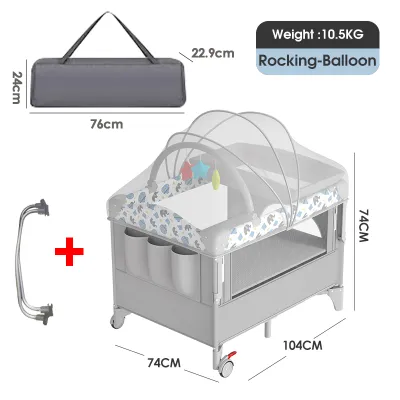
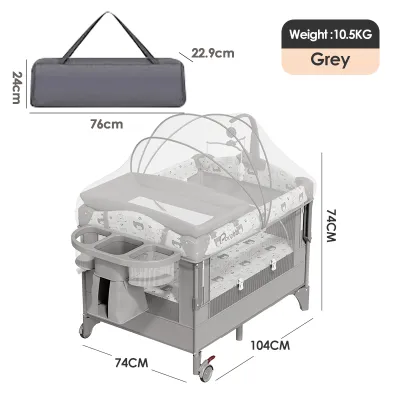
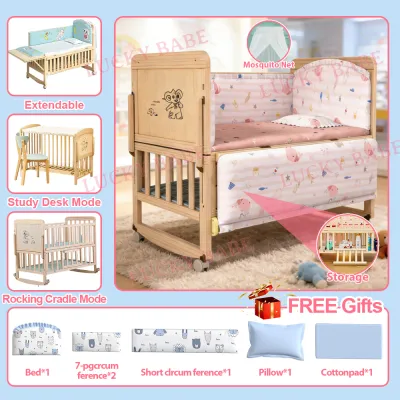


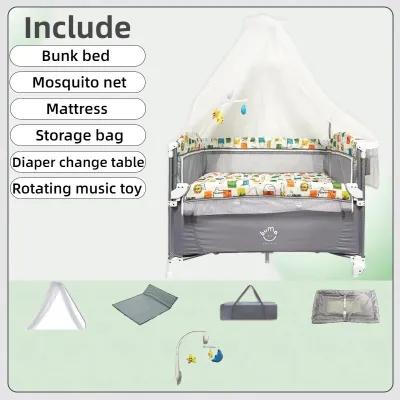

Prices are valid at publication and may change. Please refer to the product page for the latest price.
Maximizing limited room space is another crucial benefit of strategic furniture pairing. In many modern homes and urban condominiums, nursery space is at a premium. Choosing pieces that complement each other’s footprints prevents the room from feeling cramped. This careful spatial planning preserves open floor space, which becomes essential once your baby begins crawling and playing on the floor.
Key Dimensions for Pairing a Crib With a Changing Table and Dresser
To successfully pair a baby crib with storage and changing furniture, you must evaluate three primary pillars: style, proportion, and ergonomics. Rather than buying a pre-packaged set, many parents prefer to curate individual pieces to create a unique look. However, mixing and matching requires a disciplined approach to ensure the items do not look like an accidental collection of mismatched hand-me-downs.

Before making any purchases, always check the manufacturer specifications for each piece of furniture. Look closely at the exact dimensions, material compositions, and assembly requirements. This preliminary research prevents mismatched wood grains, awkward heights, and layout conflicts before the furniture even arrives at your home.
Matching Styles, Colors, and Finishes
To anchor the visual theme of the nursery, start by identifying a dominant design style. Whether you prefer modern minimalist, Scandinavian, mid-century modern, or classic traditional, this style will serve as your design anchor. For instance, if you choose a baby crib with clean lines and tapered legs, look for a dresser and changing table that share those same mid-century modern design cues.
Coordinating paint colors and wood stains requires a careful eye for undertones. You do not need an exact match, but the undertones should be compatible. Warm wood stains, such as honey oak or warm walnut, pair beautifully together, while cool tones like gray-washed wood or ash pair better with crisp whites and cool pastels. In tropical climates, lighter wood finishes or white-painted furniture are highly popular because they reflect natural light and make smaller rooms feel airy and cool.
If you are mixing different brands, you can use unifying elements to tie the pieces together. Consider swapping out the standard drawer pulls on your dresser and changing table to match the hardware or accent materials on your baby crib. Consistent hardware finishes—such as matte black, brushed brass, or natural leather loops—create a strong visual thread that makes disparate furniture pieces look like a curated set.
Balancing Proportions and Visual Weight
Visual weight refers to how heavy or dominant a piece of furniture looks in a room. A massive, solid-wood crib with thick, ornate slats and a high arched backboard possesses significant visual weight. If you pair this heavy crib with a sleek, low-profile, three-drawer dresser, the room will feel unbalanced and lopsided. Conversely, a delicate, lightweight spindle crib will look swallowed up next to a massive, six-drawer double dresser.
To maintain balance, aim for pieces that share a similar physical footprint and visual density. If your baby crib has a solid, block-like base, look for a dresser that also sits flat on the floor rather than one on high, delicate legs. This consistency in grounding helps the furniture pieces feel like they belong in the same space, even if they feature slightly different silhouettes.
Accurate room measurements are your best defense against overcrowding. Use a physical measuring tape to map out the exact dimensions of your nursery floor. Mark the positions of the crib, dresser, and changing table using painter’s tape on the floor. This physical visualization helps you verify that there is ample room to walk, that doors can open fully, and that the furniture does not block air conditioning vents or natural light sources.
Aligning Heights for Caregiver Comfort
Ergonomic alignment is essential for preventing physical strain during daily baby care. A baby crib features adjustable mattress settings that you will lower as your child grows and learns to sit and stand. When the mattress is at its highest newborn setting, the transition to a nearby changing table should feel natural and level, minimizing the distance you have to bend down while holding your baby.
The height of your changing table or dresser-top changing pad should align comfortably with your waist. If the changing surface is too low, you will constantly hunch over, leading to back pain. If it is too high, you lose leverage when securing diaper tabs. When pairing these items, verify that the top surface of the dresser or changing table allows you to stand comfortably with your shoulders relaxed.
Smooth transitions between the sleeping area and the changing station keep nighttime disruptions to a minimum. When you can easily lift your baby from the crib and place them onto the changing pad without awkward stretching or twisting, both you and your baby remain calmer. Always verify the specific height measurements and adjustable features listed in the product manuals to ensure they match your physical height and comfort needs.
Functional Layout and Safety Clearances
When planning the layout of your baby crib, changing table, and dresser, safety must always take precedence over aesthetics. As babies develop, they quickly learn to reach, grab, and eventually climb. For this reason, you must maintain a safe distance between the crib and any tall furniture. Never place a dresser or changing table directly adjacent to the crib slats, as a growing toddler can use the dresser drawers or changing table frame as steps to climb out of the crib.
Always check the manufacturer guidelines and product labels for the minimum required clearances from walls, windows, and other furniture. In the Philippines, where tropical humidity and sudden weather changes are common, positioning the crib away from windows is also a health consideration. Windows can expose your baby to direct sunlight, drafts from air conditioning units, or moisture from heavy rains, which can affect their comfort and sleep quality.
Adequate ventilation and clear pathways are vital for a safe nursery environment. Ensure that air can circulate freely around all sides of the baby crib to prevent overheating. Keep the pathway between the crib and the changing table completely clear of clutter, cords, and toys. During nighttime caregiving, you need to navigate this path safely in dim lighting without any risk of tripping while carrying your infant.
Wall anchoring is a non-negotiable safety step for all nursery storage furniture. Dressers, changing tables, and bookshelves must be securely anchored to the wall using anti-tip hardware, strictly following the manufacturer’s instructions. Furthermore, position the crib far enough away so that if an item on top of the dresser or a wall-mounted shelf were to fall, it could not physically reach the inside of the crib. Never hang heavy frames, mirrors, or shelving directly over the sleeping area.
If you encounter conflicting safety instructions between different furniture manufacturers, or if your nursery’s physical layout cannot safely accommodate the required clearances, do not compromise. Stop and consult the manufacturer or a qualified professional to find a safe solution. Your baby’s safety must always be the deciding factor in how you arrange the room.
What to Avoid When Mixing Nursery Furniture
One of the most common mistakes when mixing nursery furniture is combining clashing design eras or conflicting color palettes. While a curated look is desirable, pairing a highly ornate, dark mahogany traditional crib with a bright, plastic-accented modern changing table creates visual chaos. This lack of cohesion can make the nursery feel cluttered and overstimulating, which is counterproductive to creating a peaceful sleep environment.
Ignoring the actual dimensions of your room is another pitfall that can lead to a cramped and unsafe layout. It is easy to fall in love with a large, beautiful dresser online, only to find that once it is placed next to the baby crib, it blocks the nursery door or prevents you from opening the closet. Always prioritize the physical flow of the room over the desire to fit a specific piece of furniture into the space.
Avoid mixing furniture pieces that have vastly different stability profiles. For example, pairing a sturdy, solid-wood baby crib with a lightweight, flimsy changing table can create a safety hazard. Always check the weight limits, age recommendations, and structural warnings provided on the product labels of each item. A changing table must be robust enough to support your baby safely as they grow heavier and more active.
Never compromise on safety standards simply to achieve a specific aesthetic match. For instance, do not use an antique crib that does not meet modern safety standards—such as proper slat spacing and mattress fit—just because it matches a vintage dresser perfectly. Modern safety regulations for cribs are designed to prevent entrapment and injury, and these standards must always override any design preferences.
Planning Your Nursery Furniture Purchasing Strategy
When planning your nursery, you must decide whether to purchase a complete, pre-matched furniture collection or to curate individual pieces from different brands. A complete collection offers convenience and guaranteed visual harmony, as the crib, dresser, and changing table are designed to match perfectly. However, curating individual pieces allows you to customize the room to your specific budget, space constraints, and personal style.
If you decide to mix brands, take extra care to verify the dimensions, material care instructions, and assembly requirements for each piece. In humid tropical environments, look for furniture made from high-quality materials that are treated to resist moisture and warping. Reviewing the care instructions beforehand ensures you know how to clean and maintain the finishes without causing damage over time.
Finally, always check the return policies, warranty conditions, and delivery timelines before finalizing your purchases. Shipping times can vary, especially if you are ordering from different retailers or online marketplaces. Ensure that all furniture pieces are scheduled to arrive well in advance of your due date. This buffer time allows you to assemble the furniture, verify its structural integrity, and let any new-furniture odors dissipate before your baby arrives.
Frequently Asked Questions (FAQ)
Can I mix different wood tones in the nursery?
Yes, you can successfully mix different wood tones in the nursery by keeping their undertones consistent. For example, you can pair a light natural beech baby crib with a warm honey oak dresser because both share warm, golden undertones. To bridge the visual gap between different wood finishes, use neutral textiles, soft rugs, or consistent wall colors to tie the room’s elements together harmoniously.
Does the crib need to be the exact same brand as the dresser?
No, your baby crib does not need to be the same brand as your dresser or changing table. While matching brands is a simple way to ensure a cohesive look, prioritizing structural integrity, safety compliance, and proper dimensions is far more important. As long as each individual piece meets modern safety standards and the styles complement one another, mixing brands is an excellent way to create a personalized nursery.

Community discussion
Share your experience or ask a question. Comments are reviewed before publication.