
Finding the right baby bouncing jumper in the Philippines requires balancing your child’s physical readiness with the realities of your living space. Whether you reside in a compact condominium in Metro Manila or a spacious multi-generational home in the provinces, the ideal gear must keep your baby secure while fitting seamlessly into your daily routine. This guide outlines how to evaluate your home’s layout, identify crucial developmental milestones, and select a jumper that supports your baby’s growth safely.
Selecting baby gear is never a one-size-fits-all decision, especially when it involves active physical play. A bouncing jumper can provide engaging entertainment and a safe place for your baby to play while you manage household tasks, but only if the equipment matches your baby’s current physical capabilities. By focusing on structural safety, ergonomic support, and spatial compatibility, you can make an informed investment that keeps your little one happy and secure.
When Is Your Baby Ready for a Bouncing Jumper?
Before introducing your baby to a bouncing jumper, you must verify that they have reached the necessary physical milestones. The most critical prerequisite is complete, independent head and neck control. Your baby must be able to hold their head upright steadily without any assistance for extended periods. Additionally, they should be able to sit up on their own or with minimal support, which typically occurs around six months of age. Placing a baby in a jumper before their neck muscles are strong enough can lead to serious strain or injury from the sudden vertical movements.
Products mentioned in this guide
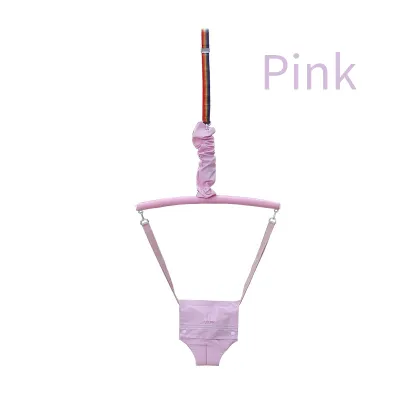
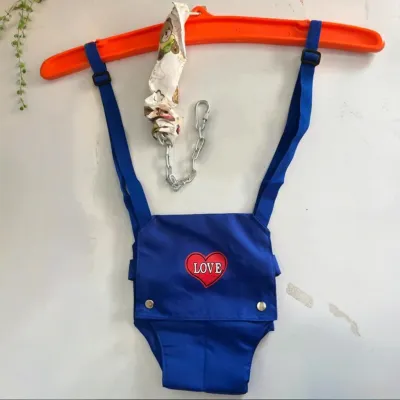
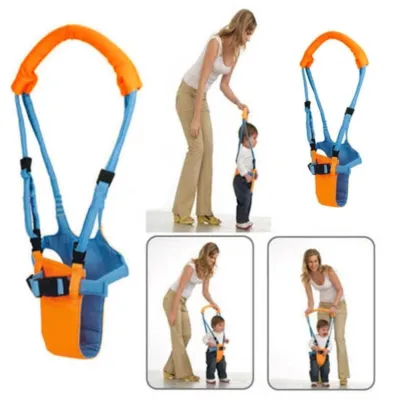
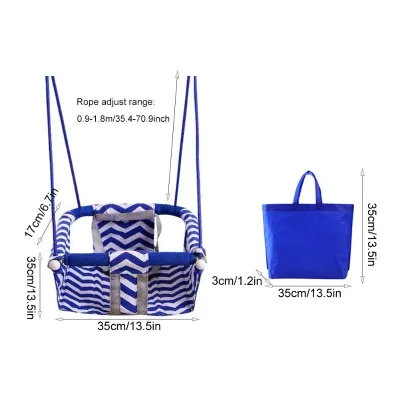
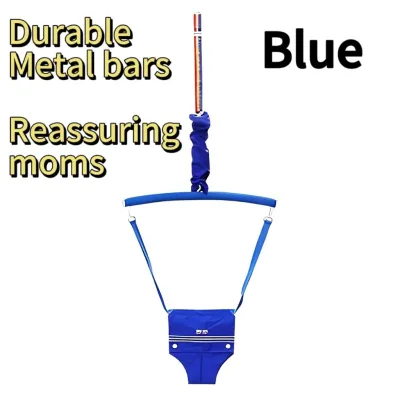
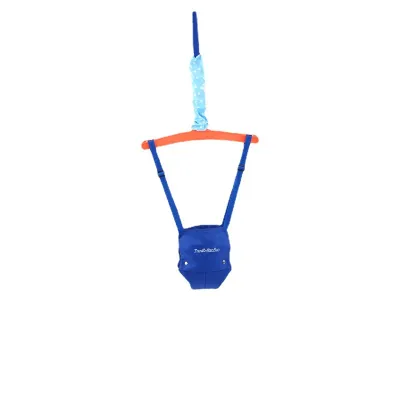
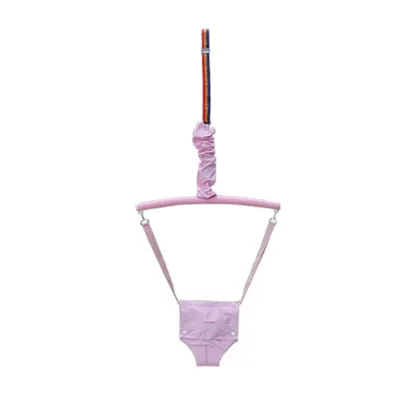
Prices are valid at publication and may change. Please refer to the product page for the latest price.
Weight and height limits are equally vital safety thresholds that you must check on the product label. Every manufacturer specifies a strict weight range, often starting around 6 to 8 kilograms and extending up to 11 or 12 kilograms. Placing a baby who is too light or too heavy into the seat compromises the spring tension and structural integrity of the frame. Height limits are designed to ensure your baby’s head remains safely below the top of the support straps and that their feet can touch the floor at a safe angle.
Recognizing when your baby has outgrown the jumper is just as important as knowing when to start. If your baby’s head is near the top of the support straps, or if they can easily lean over the edge of the seat, they have outgrown the unit. Another clear sign is when your baby can stand flat-footed on the floor even at the highest height setting, or if they attempt to climb out of the seat. Once these behaviors or physical limits are reached, you must discontinue use immediately to prevent tipping or falls.
Matching Jumper Types to Your Home Space
Evaluating your available floor space and ceiling height is a crucial step before purchasing any baby bouncing jumper. In many Philippine households, living areas are multi-functional, meaning baby gear must share space with dining sets, sofas, and electronic appliances. Before buying, use a measuring tape to determine the exact footprint of the area where you plan to place the jumper. You must ensure there is a clear safety zone of at least one meter around the entire perimeter of the jumper, free from furniture, sharp corners, electrical cords, and wall outlets.

If you are considering a doorway jumper, you must measure the door frame thickness and the molding height. Doorway models rely on a heavy-duty clamp that grips the top ledge of the door frame. If your home has modern minimalist door frames without protruding molding, or if the walls are exceptionally thick, a doorway clamp will not secure properly. For freestanding activity centers, you need to allocate a permanent or semi-permanent circular area on your floor, which can range from 80 to 100 centimeters in diameter.
Storage and portability are major considerations for families living in smaller apartments or condominiums. If you cannot leave a large piece of baby gear assembled in the middle of the room, look for models that feature quick-release legs or a folding frame. Some compact jumpers can fold flat to a height of just a few inches, allowing you to slide them under a bed or store them inside a closet when not in use. This flexibility helps maintain a clutter-free living environment while keeping the gear easily accessible for playtime.
Key Safety and Comfort Features to Check Before Buying
When evaluating any baby bouncing jumper, the seat’s ergonomic design should be your top priority. The seat must provide deep, structured support that keeps your baby’s hips in a natural, wide-legged position, often referred to as the “M-position” or spread-squat position. Avoid seats with narrow crotch straps that allow the baby’s legs to dangle straight down, as this can place excessive pressure on developing hip joints. The seat fabric should be breathable, well-padded, and fully washable to handle sweat and spills in our tropical climate.
Frame stability and base width are critical for preventing tip-over accidents. A high-quality freestanding jumper will feature a wide, heavy base made of steel or durable, high-impact plastic. Look for non-slip rubber feet on the bottom of the frame to prevent the unit from sliding on smooth tiled or polished wooden floors. The springs must be completely enclosed in thick fabric sleeves or plastic guards to prevent your baby’s fingers, hair, or clothing from getting pinched during active bouncing.
Adjustable height settings are essential for accommodating your growing baby. The jumper must allow you to adjust the height of the seat so that only the balls of your baby’s feet touch the floor. If the seat is too low, your baby’s knees will bend excessively, putting strain on their joints; if it is too high, they will not be able to push off the floor to bounce. Ensure the adjustment mechanisms are secure, easy to operate, and lock firmly into place so they cannot slip while the baby is bouncing.
Building Your Shortlist: Jumper Categories by Age and Space
To help you narrow down your options, it is helpful to categorize jumpers based on their structural design and spatial requirements. Each category serves a specific type of household and developmental stage, carrying its own set of practical trade-offs. By matching your home’s layout and your baby’s age to these categories, you can quickly identify which style will offer the safest and most enjoyable experience for your family.
Compact and Foldable Jumpers for Small Spaces
Compact and foldable jumpers are specifically engineered for families living in urban apartments, townhouses, or homes with limited floor space. These models typically accommodate babies from six months of age up to a weight limit of approximately 11 kilograms. They feature lightweight frames with simplified spring systems that can be collapsed or folded flat with the press of a few buttons, making them easy to store behind a door or under a sofa.
The primary trade-off with compact models is the size of the toy tray and the range of movement. To keep the footprint small, these jumpers usually offer fewer interactive toys, electronic features, or hanging accessories. However, they provide excellent vertical bouncing action and are highly portable, allowing you to move them easily between rooms or pack them in the car for trips to visit grandparents.
Freestanding Activity Centers for Larger Rooms
Freestanding activity centers are ideal for spacious living rooms or dedicated play areas where the gear can remain assembled. These units feature a wide, circular or triangular base and a seat suspended by three or four sturdy springs. They are highly suitable for older babies who are transitioning to standing and cruising, as they often feature a 360-degree rotating seat that allows the baby to access multiple toy stations.
While these models require a significant amount of permanent floor space, they offer the highest level of stability and interactive engagement. Many premium freestanding models are designed to grow with your child, converting into a standing play table or a toddler activity desk once the bouncing stage is over. This multi-stage conversion feature helps justify the higher initial price tag in ₱ by extending the product’s lifespan for several years.
Doorway Jumpers for Flexible Placement
Doorway jumpers consist of a fabric seat suspended by a heavy-duty spring and strap system that clamps onto a structural door frame. This design is highly portable, budget-friendly, and takes up virtually no floor space when stored. It is a popular choice for families who want a simple, no-frills bouncing option that can be easily set up and taken down in seconds.
However, doorway jumpers carry strict structural requirements and safety risks. You must verify that your door frame molding is securely nailed to the wall and can support your baby’s weight plus the force of active bouncing. Because there are no side barriers, there is a risk of the baby swinging sideways and bumping into the door jamb. For this reason, constant, active adult supervision is mandatory, and you must never leave your baby unattended in a doorway jumper.
What to Verify on the Product Label and Manual
Before finalizing your purchase, take the time to thoroughly read the product label and the manufacturer’s instruction manual. Locate the exact weight and height limits specified by the manufacturer, and compare them to your baby’s current measurements. Never rely on generic age recommendations on the box, as babies grow at vastly different rates. If your baby is close to the upper weight limit, it may be wiser to look for a model with a higher capacity to ensure you get sufficient use out of the product.
Carefully review the assembly instructions and safety warnings. Verify if the manual requires specific tools for setup or if it demands a minimum clearance distance from walls and furniture. Check for any warnings regarding the types of flooring suitable for the jumper. For doorway models, the manual will specify the exact wall thickness and molding width required for the clamp to function safely; do not attempt to use the clamp on non-standard frames or decorative trim.
Hygiene and maintenance are critical, especially in the humid climate of the Philippines where sweat, drool, and spilled milk can quickly lead to mold or bacterial growth. Check the manual to ensure the fabric seat is easily removable and machine-washable. Plastic toys and frame components should have smooth, non-porous surfaces that can be wiped down with a damp cloth and mild baby-safe sanitizer. Avoid models with deep crevices or fabric toys that cannot be detached, as these are difficult to clean thoroughly.
Frequently Asked Questions (FAQ)
How long can a baby safely stay in a bouncing jumper per day?
Health professionals generally recommend limiting your baby’s time in a bouncing jumper to 15 to 20 minutes per session, up to twice a day. Extended use can lead to physical fatigue, overstimulation, and unnecessary strain on your baby’s developing hips and spine. Always monitor your baby closely during playtime; if they show signs of tiredness, such as resting their head against the support straps, fussing, or stopping their bouncing movement, it is time to take them out of the jumper.
Can a bouncing jumper delay walking or cause toe walking?
Excessive use of a bouncing jumper can encourage babies to stand and push off on their tiptoes, which can tighten the calf muscles and temporarily affect natural walking development. To prevent this, always adjust the jumper’s height so that only the balls of your baby’s feet touch the floor, rather than letting them dangle or stand completely flat-footed. Balance jumper play with plenty of unstructured floor time, tummy play, and opportunities for independent rolling and crawling, which are essential for building the muscle groups needed for walking.

Community discussion
Share your experience or ask a question. Comments are reviewed before publication.