
Feeding your baby while running errands, traveling, or visiting family requires careful planning to ensure every meal remains fresh and safe. A dedicated baby bottle storage box serves as a mobile feeding station, protecting milk from rapid temperature changes and environmental contaminants. By selecting a storage box with the right combination of insulation, hygiene features, and portable design, you can confidently feed your baby anywhere without worrying about spoiled milk or damaged bottles.
Core Features for On-the-Go Feeding
When feeding your baby away from home, the environment presents several challenges, particularly in warm and humid tropical climates. Temperature fluctuations can encourage rapid bacterial growth in milk, while physical movement increases the risk of leaks, cracks, or contamination from dust and pests. A high-quality baby bottle storage box addresses these issues by creating a controlled, clean, and secure micro-environment. To choose the right option, you must evaluate how effectively a product manages temperature control, maintains hygiene, and physically protects its contents, ensuring a seamless feeding routine outside the home.
Insulation and Temperature Control
Maintaining a safe temperature is the most critical function of an on-the-go bottle storage solution. In tropical climates where ambient temperatures run high, milk can spoil quickly if left unprotected. Look for storage boxes featuring thick, high-density insulated linings, double-wall structures, or specialized thermal foil interiors that reflect heat away from the contents.
Products mentioned in this guide
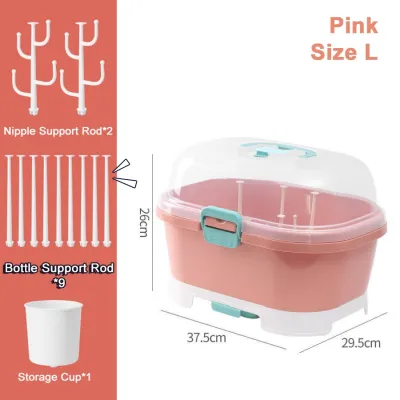
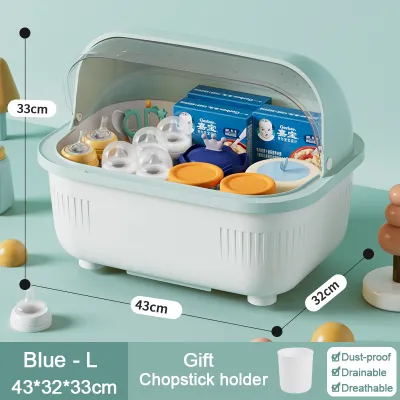
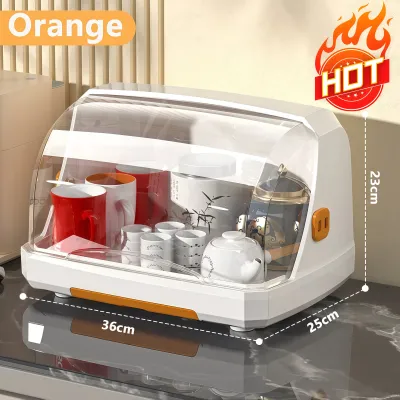
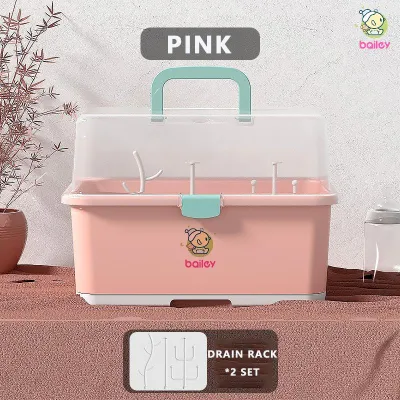
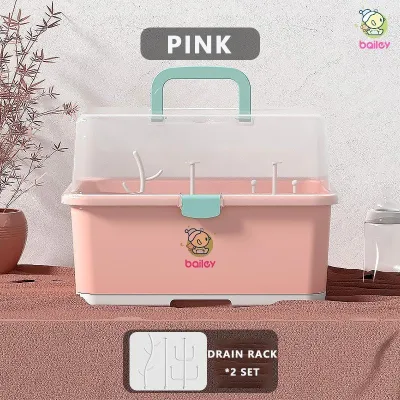
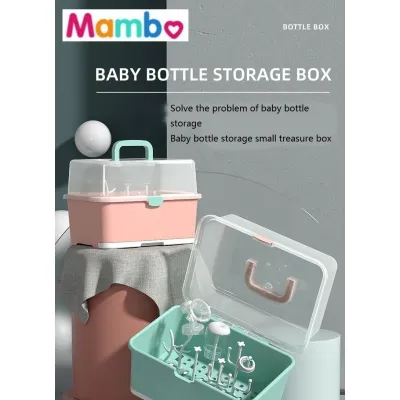
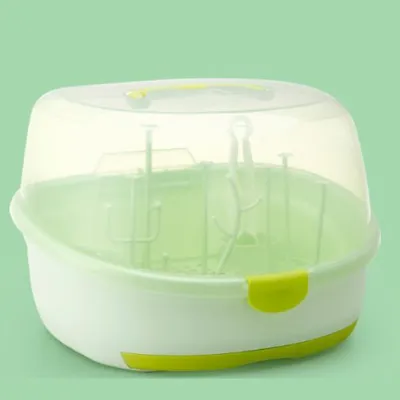
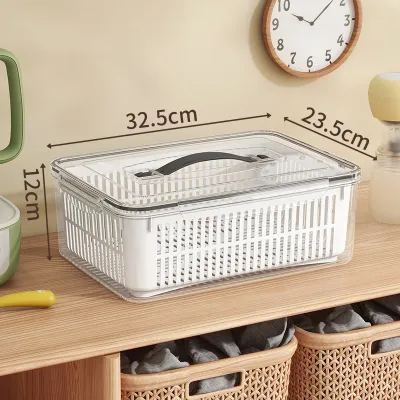
Prices are valid at publication and may change. Please refer to the product page for the latest price.
Always check the manufacturer’s product label for specific temperature retention ratings rather than relying on vague marketing claims. These specifications indicate how many hours the box is designed to maintain hot or cold temperatures under standard conditions. Depending on your feeding method, you will likely need to pair the storage box with compatible ice packs or portable bottle warmers to maintain safe temperatures throughout your trip.
Hygiene and Material Safety
Because your baby’s immune system is still developing, the materials that come into contact with feeding equipment must be completely safe and easy to sanitize. Always verify that the storage box is constructed from food-grade, BPA-free, and non-toxic materials by checking the product packaging or manufacturer documentation.
The interior design of the box plays a major role in preventing bacterial growth. Look for smooth, crevice-free linings that do not trap spilled milk or moisture, which can quickly lead to mold in humid weather. Removable or easily wipeable waterproof linings are highly recommended, as they allow you to clean up unexpected leaks instantly. Additionally, ensure the box features secure closures, such as heavy-duty zippers or robust snap locks, to keep outdoor dust and insects out.
Capacity and Bottle Compatibility
A storage box is only useful if it fits your specific feeding gear without forcing or squeezing. Before purchasing, measure the height and width of the bottles you currently use, taking note of whether they are standard narrow-neck bottles or wider, ergonomic shapes.
Consider your typical daily routine to determine the capacity you need. If you only take short trips, a compact box that holds one or two bottles may be sufficient. For longer outings, you will need a larger box that can accommodate multiple bottles, milk storage bags, and ice packs without crowding. To prevent damage during transit, check if the interior includes adjustable dividers or elastic loops to keep bottles standing upright and prevent them from clinking.
Portability and Convenience for Travel
An on-the-go storage box must integrate smoothly into your travel setup without adding unnecessary stress. Evaluate the carrying options provided by the manufacturer, looking for versatile designs that feature padded shoulder straps, reinforced top handles, or integrated stroller straps. Stroller clips are particularly convenient, as they allow you to hang the box directly on your stroller handlebar, freeing up space in your main diaper bag.

Weight and bulk are critical factors to consider. A storage box might feel lightweight when empty, but once packed with filled bottles and solid ice packs, the total weight increases significantly. Opt for lightweight yet durable exterior fabrics, such as high-density nylon, which offer structural integrity without adding excess weight.
Convenience features can greatly simplify your feeding routine. Look for storage boxes equipped with external zippered pockets or elastic mesh compartments. These dedicated spaces are perfect for keeping dry items—such as clean bibs, burp cloths, pacifiers, or formula dispensers—separate from the cold, damp insulated compartment. Ensure the exterior dimensions allow the box to slide easily into your primary diaper backpack or car cup holders.
Matching the Storage Box to Your Feeding Routine
Your choice of a baby bottle storage box should align directly with your specific feeding method and lifestyle. If you are exclusively pumping, your storage needs will differ from those of a parent who uses formula. Pumping parents often require a box with a larger, highly insulated compartment to store multiple breast milk bags or small storage bottles alongside contoured ice packs to keep the milk cold until they return home.
For formula feeding, the priority shifts from keeping milk cold to keeping water warm and organizing dry ingredients. You will want a storage box that can hold a thermos of warm water, empty bottles, and pre-measured formula dispensers. In this scenario, adjustable interior dividers are incredibly helpful, as they allow you to separate the warm thermos from the dry formula containers to prevent heat transfer and condensation.
The duration of your typical outings also dictates the type of storage box you should select. For quick errands around the neighborhood, a small, lightweight insulated sleeve or single-bottle pouch is often the most practical choice. For full-day commutes or family road trips, a dedicated, heavy-duty cooler box with thick insulation is necessary to maintain safe temperatures over several hours. Alternatively, you might consider a multi-functional diaper backpack with a built-in insulated compartment if you prefer carrying all your baby gear in a single bag.
Practical Tips for Using and Maintaining Your Storage Box
To get the best performance out of your baby bottle storage box and ensure it remains a safe environment for your baby’s food, proper usage and maintenance are essential. Before packing your bottles, pre-chill the insulated compartment by placing a frozen ice pack inside for a few minutes, or pre-warm it with a warm cloth if you intend to keep items warm. This simple step helps stabilize the internal temperature before you add the actual feeding bottles.
After every outing, make it a habit to clean the interior of the box thoroughly. Even minor milk condensation or tiny spills can quickly lead to sour odors and mold growth, especially in warm, humid climates. Wipe down the inner lining with a damp cloth and mild, baby-safe soap, then leave the box completely open in a well-ventilated area to air-dry before storing it away.
Always refer to the manufacturer’s care label for specific cleaning instructions. While some fabric storage boxes have removable linings that are machine washable, others must be hand-washed only to avoid damaging the delicate insulation layers. Lastly, perform regular inspections of your storage box to ensure it remains fully functional. Check the zippers, seams, and inner lining for any wear or tears that could compromise the box’s ability to maintain safe temperatures.
Frequently Asked Questions (FAQ)
Can I use a regular cooler bag instead of a dedicated baby bottle storage box?
While a standard household cooler bag can keep items cold, it often lacks the specialized features required for safe baby feeding. Dedicated baby bottle storage boxes are designed with upright structures, elastic loops, and adjustable dividers that prevent bottles from tipping over and leaking during transit. Additionally, baby-specific storage boxes are typically made from certified food-grade, BPA-free materials, ensuring that any accidental contact between the bottle nipples and the interior lining remains completely safe and hygienic.
How long can breast milk or formula safely stay in an insulated box outdoors?
The safe duration for storing milk outdoors depends heavily on the ambient temperature, the quality of the box’s insulation, and how often the compartment is opened. Always consult standard pediatric health guidelines or your pediatrician for exact milk storage time limits. To maximize safety, especially in hot weather, always use high-quality, fully frozen ice packs, keep the storage box out of direct sunlight, and open it only when absolutely necessary to retrieve a bottle.

Community discussion
Share your experience or ask a question. Comments are reviewed before publication.