
Choosing a 3-in-1 baby feeding set in the Philippines requires balancing material safety, practical design, and the specific combination of items that matches your baby’s developmental stage. In a tropical climate where high humidity can affect food hygiene and material preservation, selecting the right gear is crucial for a smooth transition to solid foods. A well-designed set not only simplifies meal preparation and cleanup but also supports your baby’s developing motor skills as they learn to self-feed.
Starting solids is an exciting milestone that typically begins around six months of age, when your baby shows signs of developmental readiness. A 3-in-1 baby feeding set offers a convenient, bundled solution, but the exact components, material quality, and durability can vary widely. By focusing on verifiable product specifications, practical design elements, and realistic maintenance requirements, you can find a set that fits your daily routine and keeps your baby safe.
Identify the Right 3-in-1 Combination for Your Needs
Before purchasing a 3-in-1 baby feeding set, it is essential to clarify what the “3-in-1” label actually includes, as manufacturers use this term for two entirely different product categories. The first category consists of food preparation bundles, which typically combine mechanical or electrical functions such as steaming, blending, and warming or sterilizing baby food. The second category consists of tableware sets, which generally bundle three eating essentials, such as a suction bowl, a training spoon, and a silicone bib or training cup. Identifying which of these two bundles you need will prevent purchasing errors and ensure you get the exact tools required for your kitchen.
Products mentioned in this guide
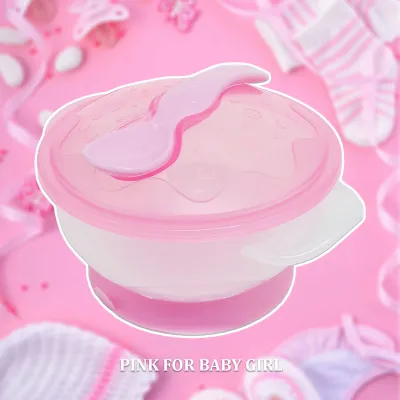
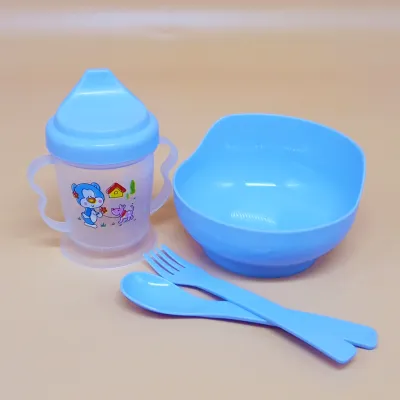
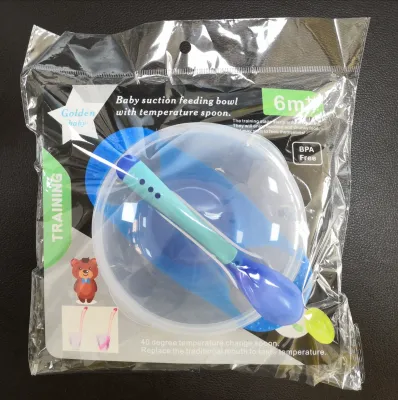
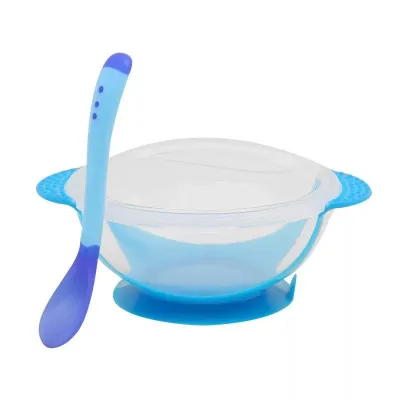
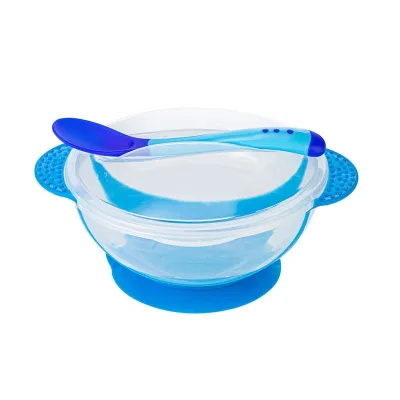
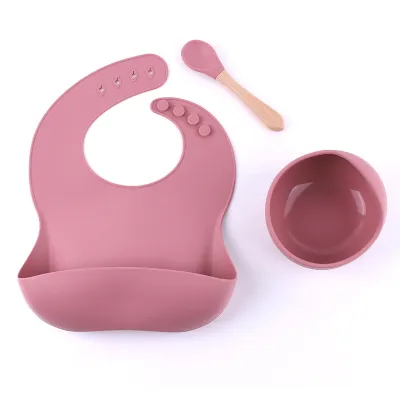
Prices are valid at publication and may change. Please refer to the product page for the latest price.
If you are focusing on tableware, you must assess whether the included items match your baby’s current developmental stage and your chosen feeding method. For parents practicing traditional spoon-feeding with smooth purees, a set featuring a deep bowl, a long-handled parent spoon, and a soft bib is highly practical. Conversely, if you are following Baby-Led Weaning (BLW), your baby will need a set designed for self-feeding, which typically includes a flat suction plate with dividers, a short, ergonomic training spoon, and a wide-pocket bib to catch falling finger foods.
To maximize your investment, look for sets that offer long-term usability and adjustable features that grow with your baby. Babies develop rapidly during their first year of solids, and a set that only works for the puree stage may become obsolete within a few months. Tableware sets with removable suction bases, cups that transition from a straw lid to an open cup, or spoons with removable training collars offer excellent longevity. Choosing versatile items ensures that the set remains useful well into your toddler’s self-feeding years.
In the tropical climate of the Philippines, environmental factors also play a role in determining the right combination. High humidity levels mean that food preparation appliances with complex, hard-to-reach chambers can easily trap moisture and harbor mold if not dried thoroughly. If you choose a food prep bundle, prioritize models with detachable, dishwasher-safe parts and open water reservoirs that are easy to wipe dry. For tableware sets, lightweight and stackable designs are highly beneficial, as they dry quickly in open-air dish racks and take up minimal space in humid kitchens.
Evaluate Material Safety and Care Requirements
When evaluating any baby feeding set, material safety must be your primary concern, requiring careful verification of product labels and manufacturer specifications. Do not rely solely on vague marketing claims such as “eco-friendly” or “non-toxic” without looking for concrete material certifications. For silicone tableware, verify that the manufacturer specifies 100% food-grade silicone that is free from BPA, BPS, PVC, phthalates, and heavy metals. High-quality silicone should pass the “pinch test”—if you pinch and twist a flat surface of the silicone and it turns white, it likely contains cheap plastic fillers rather than pure food-grade material.

If the set includes plastic components, ensure they are made from high-quality, BPA-free plastics such as polypropylene (PP) or tritan, which are known for their durability and chemical resistance. For metal components, such as the tines of a training fork or the interior of a warming bowl, look for 304 or 316 food-grade stainless steel. These materials resist corrosion, do not leach chemicals into warm food, and do not retain stubborn food odors or stains over time.
Understanding the temperature limits of each material is critical for safe daily use and proper sanitization. In many households, sterilizing baby gear via boiling water, steam sterilizers, or UV sterilizers is a standard daily practice. Check the manufacturer’s specifications to ensure every component in the set can withstand these high temperatures without warping, degrading, or releasing harmful compounds. For example, while food-grade silicone can typically tolerate temperatures up to 220°C, certain plastic handles or suction rings may deform at much lower temperatures, compromising their safety and functionality.
Proper care and maintenance are also essential to prevent material issues like staining, warping, or retaining soapy odors. Silicone is highly durable but naturally porous, meaning it can absorb oils, strong food odors, and even the scent of highly fragranced dishwashing liquids. To maintain hygiene in a humid environment, look for items with smooth, non-porous surfaces and minimal crevices where food particles can hide. Always follow the manufacturer’s cleaning guidelines, and consider using fragrance-free, baby-safe dish soaps to prevent chemical residues from transferring to your baby’s food.
Assess Practical Features for Mess-Free Meals
To minimize the inevitable mess of starting solids, you must carefully evaluate the functional design elements of the tableware, starting with the suction strength of plates and bowls. A strong suction base is essential for keeping the dish anchored to the table, preventing your baby from flipping their meal onto the floor. When evaluating suction, look for a wide, flat suction pad with a convenient quick-release tab that allows parents to lift the bowl easily while keeping it secure from tiny hands. Keep in mind that suction performance depends heavily on the surface material; smooth, non-porous surfaces like glass, polished wood, or smooth plastic highchair trays provide the best grip, while textured or matte surfaces may not hold suction well.
The design of the training spoon is another critical factor that directly impacts your baby’s self-feeding success. Examine the ergonomics of the spoon handle, looking for a short, thick, and textured grip that fits naturally into a baby’s palmar grasp. The bowl of the spoon should be soft and gentle on sensitive, teething gums, yet shallow enough to allow the baby to clear the food easily with their upper lip. Spoons with integrated choke guards or wider collars are excellent safety features, as they prevent the baby from inserting the spoon too far into their mouth during self-feeding practice.
Bibs and training cups included in the 3-in-1 set must also be assessed for practical, mess-reducing features. A high-quality silicone bib should feature an adjustable, comfortable neckline that does not irritate your baby’s skin, along with a deep, sturdy spill-catcher pocket that stays open during meals. If the pocket is too soft or collapses easily, it will fail to catch runny purees, water, or pieces of food. For training cups, look for spill-proof or leak-resistant lids, weighted straws that allow drinking from any angle, and sturdy dual handles that help your baby transition from a bottle to a cup with minimal spills.
Additionally, consider how easy the items are to handle during busy meal prep and cleanup times. Lightweight bowls that are easy to carry with one hand, bibs that roll up compactly for storage, and spoons that do not roll off the table when laid down all contribute to a smoother mealtime flow. Evaluating these small but significant design details before making a purchase will save you time, reduce daily frustration, and make the learning process much more enjoyable for both you and your baby.
Build Your Shortlist: What to Verify Before Buying
When you are ready to build your shortlist and compare different 3-in-1 baby feeding sets on local e-commerce platforms or in physical stores, start by cross-referencing detailed user reviews. Look specifically for feedback from parents who have used the set for several months, paying close attention to comments regarding suction durability over time, spoon ergonomics, and ease of cleaning. Reviews that mention how the material holds up after exposure to colorful, oily local foods—such as squash, carrots, or tomato-based sauces—will give you a realistic idea of the set’s stain resistance and long-term appearance.
It is equally important to verify the authenticity of the seller and the return policies available in the local market. To avoid counterfeit products that may contain unsafe plastics or industrial-grade silicone, always purchase from official brand stores, flagship malls, or authorized distributors on online marketplaces. Check the seller’s policy regarding defective components, shipping damage, or missing parts, ensuring you can easily secure a replacement or refund if a suction base fails to stick or a component arrives damaged.
Finally, perform a quick cost-benefit analysis by comparing the total price of the 3-in-1 bundle against the cost of purchasing the three items individually. While bundles are generally marketed as cost-effective, some sets may inflate the price of a basic item by pairing it with lower-quality accessories. Ensure that each of the three components in the set meets your standards for safety, design, and usability. If one of the items in the bundle is poorly designed or unsuitable for your baby’s stage, it may be more economical to purchase high-quality individual pieces that perfectly match your needs.
Frequently Asked Questions (FAQ)
When should I introduce a training spoon from the feeding set?
You can introduce a training spoon as soon as your baby shows active interest in holding utensils and participating in mealtime, which often occurs around six to eight months of age. Observable signs of readiness include reaching for your spoon during feeding, attempting to grab food with their hands, holding objects with a steady grip, and bringing toys or hands directly to their mouth. Introducing a soft, silicone training spoon early allows your baby to explore the texture, practice dipping, and develop the hand-eye coordination needed for self-feeding. Always follow your pediatrician’s guidance on introducing solids, and let your baby progress at their own comfortable pace under close supervision.
How do I remove stubborn food stains from silicone bowls and spoons?
Before attempting to clean stained silicone, always check the manufacturer’s care guidelines to ensure you do not use methods that could degrade the material. For general maintenance, wash the items immediately after meals with warm, soapy water to prevent colorful pigments from setting into the silicone pores. If stubborn stains from foods like squash or carrots persist, you can create a mild paste using baking soda and water, gently rub it onto the stained areas, and let it sit for a few hours before rinsing thoroughly. Avoid using harsh chemical bleach, abrasive scrubbing pads, or strong industrial cleaners, as these can damage the silicone surface and leave harmful residues that are unsafe for your baby.
Are 3-in-1 feeding sets suitable for travel and on-the-go meals?
Many 3-in-1 tableware sets are highly suitable for travel, provided they feature a compact, lightweight, and nesting design that fits easily into a diaper bag. When evaluating a set for travel, check if the items come with a dedicated travel case or hygienic storage pouch to keep dirty spoons and bowls contained after use. Additionally, consider whether the suction base will work reliably on non-standard surfaces, such as textured restaurant highchairs, plastic folding tables, or outdoor picnic benches. If you frequently dine out or travel, prioritizing a set with a highly adaptable suction base and a roll-up silicone bib will make on-the-go feeding significantly cleaner and more manageable.

Community discussion
Share your experience or ask a question. Comments are reviewed before publication.