
As a parent, being prepared for unexpected minor injuries, sudden fevers, or grooming challenges is essential for your peace of mind. The bye bye byte baby first aid kit is designed to compile critical health and safety essentials into one portable container, helping you respond quickly when your little one needs comfort. However, simply owning a kit is not enough; you must understand the exact purpose of each component and how to apply them safely to a baby’s delicate body.
Every item in this specialized kit serves a distinct purpose, from managing minor skin scrapes to monitoring temperature fluctuations. Because infants have highly sensitive skin, developing immune systems, and physical vulnerabilities, using these tools requires specific techniques that differ significantly from adult first aid.
By learning how to inspect, organize, and utilize each item correctly, you can confidently handle minor household emergencies. This guide details how to verify your kit’s contents, apply wound care supplies safely, manage fevers, and recognize when it is time to transition from home care to professional medical evaluation.
Products mentioned in this guide
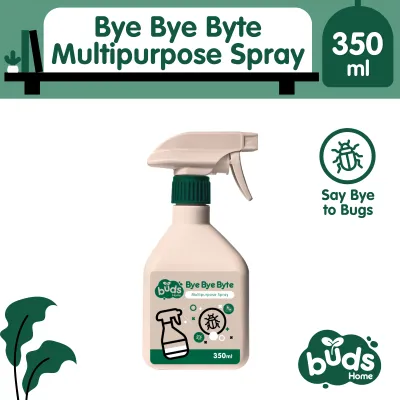
Prices are valid at publication and may change. Please refer to the product page for the latest price.
Preparing and Inspecting Your Bye Bye Byte Kit
Before an emergency occurs, you must familiarize yourself with the physical layout and contents of your first aid kit. Unboxing the kit when it first arrives allows you to cross-reference every item against the manufacturer’s official packing list. This initial inventory check ensures that no critical components are missing and that you are not left searching for a vital tool during a stressful moment.
Take the time to examine the packaging of every individual item inside. Pay close attention to the expiration dates printed on sterile gauze, adhesive bandages, liquid antiseptic solutions, and any topical creams. Expired medical supplies can lose their sterility, and adhesives can degrade over time, rendering them ineffective when you need them most.
Proper storage is critical to maintaining the integrity of your supplies, particularly in tropical environments like the Philippines. High humidity and heat can accelerate the breakdown of medical adhesives, ruin sterile packaging, and compromise liquid solutions. Store your kit in a cool, dry, and dark cupboard that is completely out of reach of children and domestic pets.
To keep your kit fully functional, establish a reliable tracking system. Create a physical checklist to tape to the inside lid of the box, or set up a digital reminder on your smartphone. Whenever you use an item, write it down immediately so you know exactly what needs to be restocked before the next minor accident occurs.
Identifying and Using Wound Care Supplies
Infant skin is incredibly thin and sensitive, meaning that standard adult wound care practices can easily cause irritation or chemical burns. When treating minor cuts, scrapes, or insect bites, you must select gentle, baby-safe materials and apply them with extreme care. Always check the manufacturer’s instructions on both the first aid kit and any specific treatment creams before application.

Cleaning and Disinfecting
Before applying any dressing, the affected area must be thoroughly cleaned to prevent infection. Read the labels of any included antiseptic wipes or sterile saline solutions carefully to confirm they are formulated specifically for infant skin. Avoid using harsh chemicals such as rubbing alcohol or hydrogen peroxide, as these substances can damage delicate new skin cells and actually delay the natural healing process.
When cleaning a wound, wash your hands thoroughly with soap and water first to avoid introducing new bacteria. Use a sterile saline wipe or a gauze pad soaked in clean water to gently dab the area surrounding the cut. Avoid rubbing or scrubbing the skin, as friction can worsen the injury, cause pain, and increase the risk of scarring.
Dressing and Protecting
Once the wound is clean and dry, you must protect it from dirt and bacteria using the appropriate dressing. Select an adhesive bandage size that covers the wound completely without being excessively large. Ensure the bandage is applied securely but cannot be easily peeled off by curious fingers, as loose bandages pose a serious choking hazard if a baby puts them in their mouth.
For larger scrapes, place a sterile gauze pad over the injury and secure it with medical tape. When applying medical tape, wrap it gently and avoid pulling it tight, as excessive pressure can restrict blood circulation to the limb. Always check the extremities for warmth and natural color after applying any tape or wrap.
Monitor your baby’s skin closely for any signs of redness, swelling, or localized irritation around the adhesive borders. Some infants have highly sensitive skin that reacts to standard medical adhesives. If you notice irritation, gently remove the bandage and switch to a hypoallergenic medical tape to secure future dressings.
Managing Fever and Discomfort Safely
A sudden spike in body temperature can be alarming for any parent, making clear-headed fever management tools indispensable. Your kit contains tools designed to help you monitor and soothe your child, but these must be used in conjunction with strict medical guidance. Never administer medication or attempt to lower a high fever without consulting your pediatrician first.
Using Thermometers and Cooling Tools
Accurate temperature readings are vital for determining the severity of your baby’s condition. Always refer to the specific device manual included with your digital thermometer to ensure correct placement, whether underarm, forehead, or rectal. The appropriate measurement method often depends on your baby’s exact age and developmental stage, so verify these guidelines carefully before taking a reading.
If your kit includes cooling patches or gel packs, use them strictly as temporary comfort measures. Always wrap gel packs in a clean, soft cloth before applying them to your baby’s skin to prevent direct contact, which can cause localized tissue damage or cold burns. Never apply these packs directly to bare infant skin.
It is crucial to recognize that cooling patches and cold compresses do not treat the underlying cause of a fever. They are designed solely to improve your baby’s comfort levels while you monitor their symptoms. If your baby’s temperature continues to rise or does not respond to comfort measures, seek professional medical advice immediately.
Handling Medications and Dosage Tools
When administering oral pediatric medications, precision is absolute. Use only the specific oral syringe, dropper, or dosing cup that came with the medication or was explicitly recommended by your pediatrician. Standard household spoons are highly inaccurate and should never be used, as they can easily lead to dangerous under-dosing or over-dosing.
Never guess medication dosages based on age alone, as pediatric dosing is primarily calculated by the baby’s weight. Always read the product label carefully and cross-reference the dosage with your pediatrician’s instructions. If the label instructions conflict with your doctor’s advice, or if you are unsure of the correct amount, contact a healthcare professional before administering any liquid.
After every single use, clean the oral syringe or dropper thoroughly to prevent the growth of harmful bacteria. Disassemble the parts and wash them in warm, soapy water, then rinse them clean with running water. Allow all components to air dry completely on a clean paper towel before reassembling and storing them back in the first aid kit.
Using Tools and Hygiene Items Correctly
Physical tools like clippers, aspirators, and tweezers require a steady hand and proper maintenance to remain safe and hygienic. Because these tools come into direct contact with your baby’s skin and bodily fluids, keeping them clean is just as important as using them correctly.
Nail Care and Grooming Tools
Baby nails grow surprisingly fast and can be sharp enough to cause deep scratches on an infant’s face. When using baby nail clippers or files, ensure you are working in a well-lit room and that your baby is positioned securely, preferably while they are calm or sleeping. Hold the individual finger firmly, pressing the finger pad away from the nail edge to avoid accidentally clipping the skin.
Nasal aspirators are highly effective for clearing mucus from a congested baby’s nose, but they require immediate aftercare. Clean the aspirator thoroughly after every use according to the manufacturer’s instructions. In hot, humid climates like the Philippines, residual moisture left inside the bulb or tubing can quickly lead to mold and bacterial growth, posing a respiratory risk to your child.
Tweezers and Scissors
Your kit may include blunt-tip scissors for cutting medical tape or gauze, as well as tweezers for removing small debris. Keep these sharp or metallic tools stored securely in their protective cases or in a separate compartment within the kit. This prevents them from puncturing other sterile packaging or causing accidental cuts when you reach into the kit.
Knowing the limits of home care is essential when using tweezers. If your baby has a splinter that is deeply embedded under the skin, located near the eye, or showing signs of infection, do not attempt to dig it out at home. Attempting to force a deep splinter out can cause further tissue damage and introduce bacteria; instead, seek professional medical removal.
When to Stop Home Care and Seek Medical Help
While a baby first aid kit is an invaluable resource for managing minor everyday mishaps, it is not a replacement for professional medical care. As a caregiver, you must be able to recognize the clear boundaries of home treatment. Understanding when to stop administering first aid and seek immediate emergency services can save your baby’s life.
There are several critical warning signs that require immediate professional pediatric evaluation. Seek emergency help if your baby experiences deep or continuously bleeding wounds that do not stop after applying gentle pressure for several minutes. Watch closely for signs of a severe allergic reaction, such as facial swelling, hives, or difficulty breathing.
A high fever in an infant under three months of age is always considered a medical emergency and requires immediate evaluation by a doctor. Additionally, if your baby exhibits unusual lethargy, refuses to feed, has difficulty waking up, or shows signs of extreme dehydration, bypass home care entirely and head to the nearest hospital.
To save precious time during an emergency, keep a physical list of critical phone numbers inside your first aid kit. Write down your pediatrician’s clinic number, the nearest hospital emergency room contact, and local emergency services on a card taped to the inside lid. Having this information readily available ensures that you and any other caregivers can act swiftly and decisively when every second counts.
Frequently Asked Questions (FAQ)
How often should I check the expiration dates in my baby first aid kit?
You should perform a thorough inventory and expiration date check of your baby first aid kit every 3 to 6 months. Regularly inspecting the kit ensures that sterile items remain sealed, adhesives retain their stickiness, and liquid solutions are safe to use. Always replace any used, opened, or expired items immediately so that your kit is fully stocked and ready for any unexpected minor emergencies.
Can I add my own prescription medications to the Bye Bye Byte kit?
It is highly recommended that you do not store prescription medications in your main baby first aid kit. Keeping prescription drugs in the general kit increases the risk of accidental misuse, incorrect dosing, or confusion among different caregivers who might access the kit during a stressful moment. Instead, store all prescription medications in their original pharmacy containers in a separate, secure, and locked location out of reach of children.

Community discussion
Share your experience or ask a question. Comments are reviewed before publication.