
When assembling your baby’s first first-aid kit, the sanitizing agents you choose require careful, deliberate selection. Unlike adult first aid kits that rely heavily on rubbing alcohol, hydrogen peroxide, and strong medicated creams, an infant’s first aid kit must prioritize gentle, non-stinging, and non-toxic cleansing agents. The primary sanitizers you should include are single-use sterile saline solution vials for flushing wounds, a mild baby-safe antiseptic such as low-concentration povidone-iodine (to be used only under medical guidance or for specific minor wounds), and dedicated hand hygiene supplies for caregivers.
Keeping these items organized and ready ensures you can manage minor scrapes, scratches, and diaper-area skin compromises safely without causing chemical irritation or systemic harm. Because infant skin is highly absorbent and sensitive, the tools you use to clean a wound must support the body’s natural healing process rather than disrupt it. Taking a proactive, informed approach to selecting these products will help you handle minor emergencies with confidence and peace of mind.
Why Your Baby's First Aid Kit Needs Specific Sanitizers
An infant’s skin is structurally and physiologically different from adult skin. The outermost layer of the skin, known as the stratum corneum, is significantly thinner in babies and toddlers than in adults. This structural difference means that the skin barrier is highly permeable, making infants far more vulnerable to the topical absorption of chemicals, alcohols, and medications. What might be a safe, routine topical application for an adult can easily penetrate a baby’s skin barrier, potentially entering the bloodstream and causing systemic toxicity or localized chemical burns.
Products mentioned in this guide
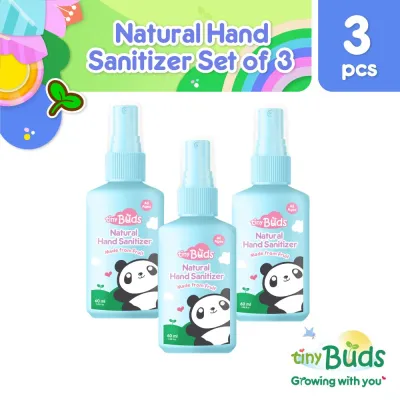
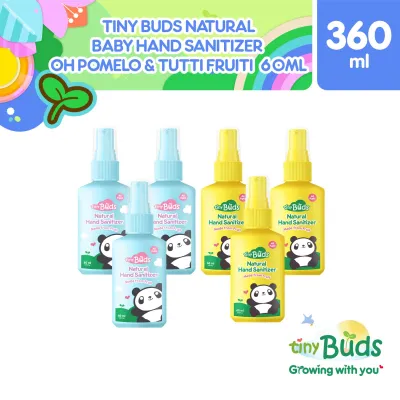
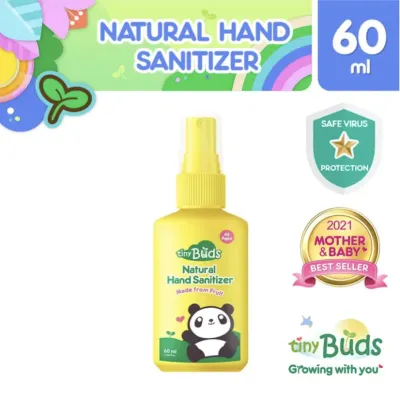
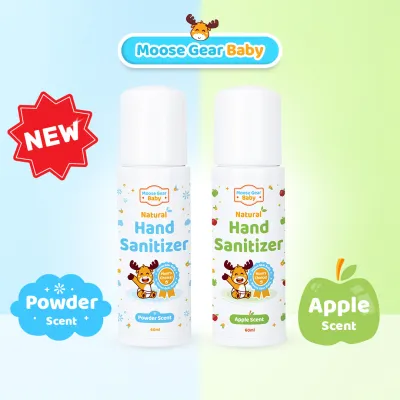
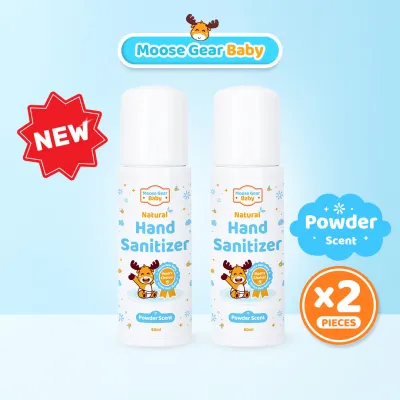
Prices are valid at publication and may change. Please refer to the product page for the latest price.
Furthermore, a baby’s body surface area-to-weight ratio is much higher than that of an adult. This means that any substance applied over a relatively small patch of infant skin represents a much larger systemic dose per kilogram of body weight. Harsh adult antiseptics, such as high-concentration isopropyl alcohol or hydrogen peroxide, do more than just sting; they can actively destroy healthy, regenerating tissue cells, thereby delaying the healing process and increasing the risk of scarring.
In a tropical, humid climate like the Philippines, minor skin breaks are highly susceptible to secondary bacterial infections due to warmth and moisture. However, managing this risk does not require aggressive chemical intervention. Instead, the focus must be on gentle, non-traumatic debris removal and clean environmental handling. By stocking baby-specific sanitizing agents, you ensure that minor cuts and scrapes are cleansed effectively without triggering painful skin reactions, systemic absorption, or cellular damage.
Key Criteria for Choosing Baby-Safe Sanitizing Products
When shopping for baby-safe sanitizing products at local pharmacies, baby specialty shops, or verified online marketplaces, parents must look past marketing claims and scrutinize product labels. The first rule of selecting baby sanitizers is to verify that the active ingredients are appropriate for the child’s specific age and development stage. Always check the manufacturer’s packaging for age limits, weight ranges, and specific application warnings, as some products are strictly prohibited for newborns or infants under two months of age.

Avoid products containing harsh astringents, artificial fragrances, synthetic dyes, or parabens. Fragrances and dyes serve no therapeutic purpose in first aid and are leading causes of contact dermatitis and allergic sensitization in young children. When evaluating alcohol-based products, distinguish clearly between formulations meant for caregiver hand hygiene and those meant for the baby’s skin. Alcohol should generally be avoided on a baby’s open wounds or delicate skin areas due to severe drying, irritation, and absorption risks.
Packaging format is another critical safety criterion. For a baby first aid kit, single-use sterile packaging is vastly superior to large, multi-use bottles. Every time a large bottle of antiseptic or saline is opened, it is exposed to airborne contaminants, dust, and bacteria. In a humid environment, these opened containers can quickly become breeding grounds for microbes. Single-use sterile vials, individually wrapped wipes, and unit-dose applications prevent cross-contamination, ensuring that every product you apply to a wound is completely sterile at the moment of use.
Essential Baby Sanitizers to Stock in Your First Aid Kit
A comprehensive baby first aid kit requires a clear division between products designed for direct wound care and those designed for environmental or caregiver hygiene. Mixing these categories can lead to dangerous application errors during high-stress moments, such as when treating an active injury.
Wound Cleansers and Mild Antiseptics
For direct wound care, the gold standard for initial treatment is sterile saline solution (0.9% sodium chloride). Saline solution matches the body’s natural fluid salinity, making it completely non-irritating and safe for flushing out dirt, sand, or debris from minor cuts and scrapes. You should stock single-use plastic saline vials (typically 5ml to 15ml) in your kit. These vials allow you to deliver a gentle, controlled stream of sterile fluid directly into the wound without touching the injured skin, and any unused portion must be discarded immediately to prevent bacterial growth.
If a mild antiseptic is required for a superficial wound, a pediatrician-approved, low-concentration povidone-iodine solution can be included. However, this should be used sparingly and strictly in accordance with professional medical advice, as excessive iodine absorption can affect thyroid function in young infants.
In contrast, traditional household remedies like rubbing alcohol (70% isopropyl or ethyl alcohol) and hydrogen peroxide should never be applied directly to a baby’s open wounds. While these liquids are excellent for disinfecting non-porous household surfaces or intact adult skin, they are highly cytotoxic to exposed subdermal tissues. They kill healthy skin cells along with bacteria, which ultimately delays wound closure, increases pain, and can worsen scarring.
Hand and Surface Sanitizers for Caregivers
Caregiver hygiene is the first line of defense against wound infection. Before touching any minor cut or scrape on your baby, your hands must be thoroughly cleaned. For situations where clean running water and mild soap are not immediately accessible, your first aid kit should contain an alcohol-based hand sanitizer with an alcohol concentration of at least 60% to 70%. It is vital to remember that this hand sanitizer is strictly for caregiver use; it must never be applied to the baby’s hands or body, as babies frequently put their hands in their mouths, presenting a high risk of accidental alcohol ingestion.
For cleaning the surrounding environment, baby gear, or diaper changing surfaces during an emergency, include mild, alcohol-free antibacterial wipes. These wipes often utilize gentle active ingredients like benzalkonium chloride or hypochlorous acid to sanitize surfaces, toys, or changing mats without leaving behind harsh chemical residues. Keeping caregiver hand sanitizers and surface disinfectants physically separated from wound care items in your kit prevents accidental misuse during a frantic situation.
How to Safely Use Sanitizers on Babies and Toddlers
When your baby sustains a minor scrape or cut, remaining calm and following a structured, hygienic sequence is essential for preventing infection and minimizing distress. First, sanitize your own hands thoroughly using soap and water or an alcohol-based hand rub, ensuring your hands are completely dry before proceeding. Next, gently flush the baby’s wound with a sterile saline solution vial to wash away any visible dirt or debris. Avoid scrubbing the wound with cotton balls or gauze, as abrasive friction can cause further tissue damage and leave behind tiny fibers that irritate the skin.
Once the wound is clean and gently patted dry with a sterile gauze pad, assess whether a mild antiseptic is necessary. For most superficial scrapes, a clean wound kept moist with a thin layer of petroleum jelly or a pediatrician-recommended ointment, then covered with a sterile, breathable adhesive bandage, is sufficient. Always verify that any bandage used is appropriate for your baby’s age and skin sensitivity, and monitor the area closely during diaper changes or daily routines.
Knowing when to stop home treatment and seek professional medical care is a critical aspect of baby first aid. You must consult a pediatrician or visit an emergency care facility immediately if the wound is deep, gaping, or caused by an animal or human bite. Wounds located on the face, near the eyes, or close to mucous membranes require professional evaluation to prevent cosmetic scarring and specialized infections. Additionally, monitor the wound over the following days for red flags of infection: spreading redness, localized warmth, swelling, persistent crying indicating pain, or any pus-like discharge.
What to Avoid: Unsafe Ingredients and Outdated Practices
Many traditional first aid practices passed down through generations are now recognized by modern pediatric medicine as unsafe or counterproductive. Outdated topical antiseptics such as mercurochrome (which contains mercury) and gentian violet should be completely excluded from your baby’s first aid kit. Mercurochrome carries risks of heavy metal toxicity, while gentian violet can cause skin irritation and, crucially, leaves a deep stain that masks early signs of wound infection, such as spreading redness or inflammation.
Additionally, avoid using undiluted essential oils, such as tea tree oil or lavender oil, on a baby’s open wounds. While these natural oils are popular for their purported antimicrobial properties, they are highly concentrated and can cause severe contact dermatitis, chemical burns, or systemic allergic reactions when applied to broken skin.
Finally, never use household surface cleaning sprays, industrial disinfectants, or highly concentrated rubbing alcohols on your baby’s skin. These products are formulated for non-porous materials and contain strong chemical agents that can cause severe skin irritation, chemical burns, or systemic poisoning if absorbed through the skin or inhaled. Stick strictly to products formulated, tested, and labeled specifically for infant or pediatric use.
Building and Maintaining Your Baby First Aid Kit
Assembling a high-quality baby first aid kit is only the first step; maintaining its safety and efficacy over time is equally important. In the tropical, high-humidity climate of the Philippines, storage conditions play a massive role in product shelf life. High temperatures and ambient moisture can rapidly degrade the adhesive on bandages, cause wet wipes to dry out or develop mold, and accelerate the chemical breakdown of active ingredients in sanitizers and ointments.
Store your baby’s first aid kit in a cool, dry place that is completely out of reach of children, but easily accessible to adult caregivers. Avoid storing the kit in bathrooms, laundry areas, or near hot appliances, as these spaces experience frequent temperature and humidity fluctuations. A dedicated closet shelf or a secure cabinet in a temperature-controlled room is ideal.
To ensure your kit is always ready for an emergency, establish a routine bi-annual audit. Every six months, open the kit to check the expiration dates on all sterile saline vials, antiseptics, and wipes. Discard any single-use items that have expired or have compromised packaging. Inspect wipe packages to ensure the seals are intact and the contents have not dried out. Replacing degraded or expired items promptly ensures that when an accident happens, you have safe, effective, and sterile tools ready to protect your baby.
Frequently Asked Questions (FAQ)
Can I use regular adult hand sanitizer on my baby's hands?
No, you should not use regular adult hand sanitizer on your baby’s hands. Adult hand sanitizers typically contain high concentrations of ethyl or isopropyl alcohol (often 60% to 70% or higher), which can severely dry out and irritate a baby’s delicate skin. Furthermore, babies and toddlers frequently put their hands and fingers into their mouths. If they ingest even small amounts of wet or recently applied hand sanitizer, it poses a risk of accidental alcohol poisoning. The safest method for cleaning a baby’s hands is washing them with mild, baby-safe soap and clean water. Reserve alcohol-based hand sanitizers strictly for caregiver hand hygiene.
Is it safe to use antibacterial wipes on my baby's skin?
You should avoid using standard household or surface disinfecting antibacterial wipes on your baby’s skin. These products are formulated with harsh chemicals, strong preservatives, and high alcohol content designed to kill microbes on hard, non-porous surfaces, and they can cause chemical burns, severe irritation, or allergic reactions on infant skin. If you need to clean your baby’s skin when soap and water are unavailable, use gentle, fragrance-free baby wipes or plain water wipes that are specifically formulated and pediatrician-tested for direct skin contact.
How often should I replace the sanitizers in my first aid kit?
You should inspect and replace the sanitizers in your baby’s first aid kit at least every six months. Always check the expiration dates printed on sterile saline vials, antiseptics, and wipes, discarding any that have expired. Single-use saline vials must be thrown away immediately after opening, even if there is liquid left over, as they do not contain preservatives and will lose sterility. Additionally, inspect wet wipe packs to ensure they remain moist and free of mold, replacing them immediately if the adhesive seal is compromised or dried out.
Community discussion
Share your experience or ask a question. Comments are reviewed before publication.