
Ensuring the authenticity of your child’s formula milk is a top priority for parents in the Philippines, where tropical humidity and storage conditions can quickly compromise unverified or counterfeit goods. To guarantee you are purchasing genuine Bonakid, the most reliable method is to buy directly from the brand’s official flagship store on verified online marketplaces or from authorized physical retail partners. By learning how to identify official digital storefronts, recognize key packaging markers, and verify batch codes, you can confidently protect your child’s nutrition and avoid the risks associated with counterfeit products.
Why Authentic Formula Milk is Critical for Your Child
Feeding your growing child requires absolute confidence in the safety and nutritional value of their milk. Genuine formula is manufactured under strict, sterile laboratory conditions to ensure that every scoop contains the precise balance of vitamins, minerals, and proteins required for healthy development. When counterfeiters replicate these products, they bypass all quality control standards, exposing infants and young children to significant health hazards.
Counterfeit formula milk often presents severe nutritional inconsistencies. Because unauthorized manufacturers do not follow regulated recipes, fake products may lack essential nutrients entirely or contain them in unsafe proportions. This can lead to nutritional deficiencies or digestive distress in growing children who rely on formula as a primary source of nourishment.
Products mentioned in this guide
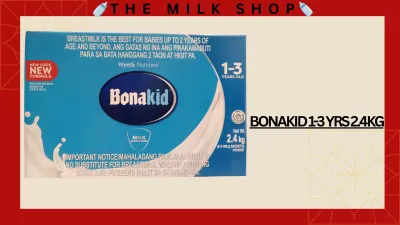
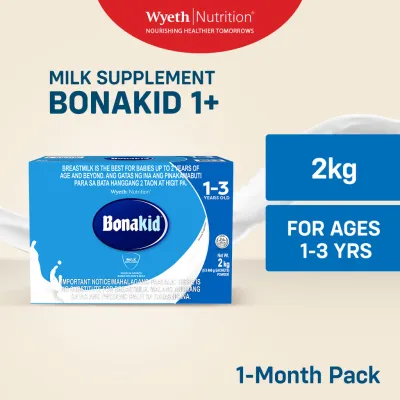
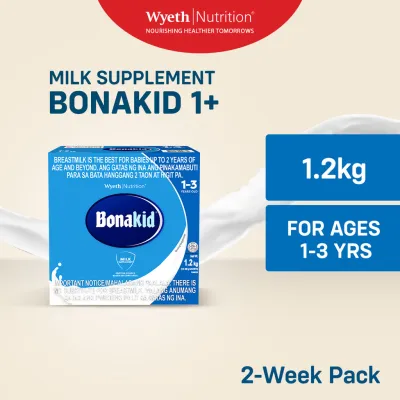
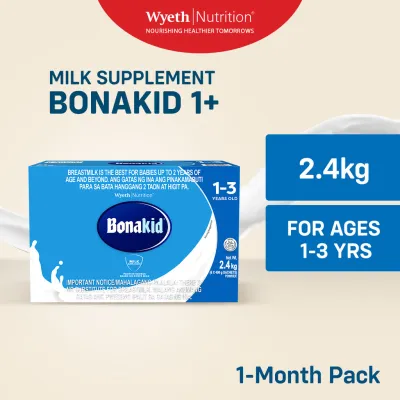
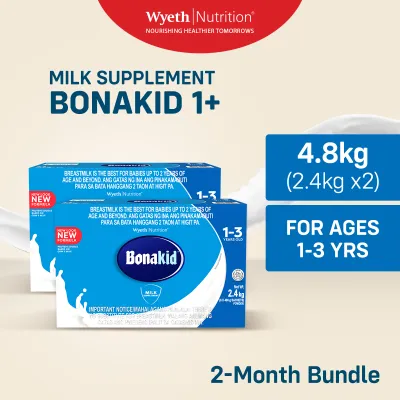
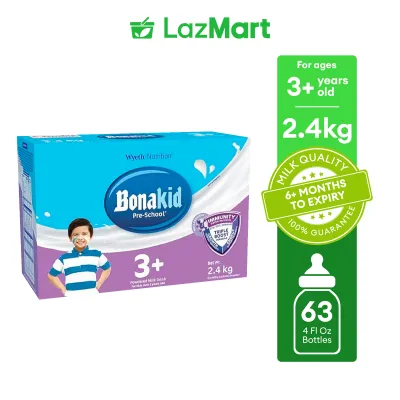
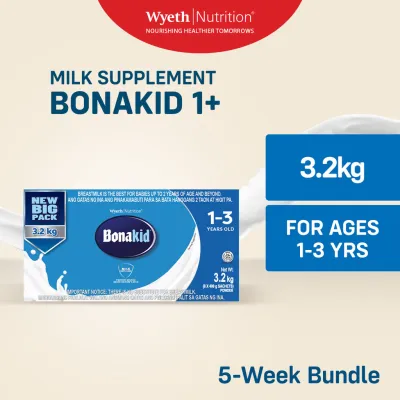
Prices are valid at publication and may change. Please refer to the product page for the latest price.
Furthermore, unverified products carry a high risk of chemical or biological contamination. Counterfeit operations typically take place in unsanitary environments where dust, pests, and harmful bacteria can easily mix into the powder. Additionally, improper storage and transport in hot, humid tropical climates can accelerate the spoilage of these unregulated ingredients, leading to mold growth or bacterial proliferation.
Strict manufacturing and quality control standards are legally mandated for legitimate brands to prevent these exact dangers. Authorized facilities monitor everything from air quality to packaging integrity, ensuring that the product remains sterile until it is opened in your home. Counterfeiters have no such accountability, making their products highly unpredictable and dangerous.
One of the most reliable indicators of a compromised supply chain is an unusually low price. If you encounter a listing on an unauthorized channel offering deep discounts far below the standard ₱ retail price, you should treat it as a primary red flag. Legitimate distributors operate within tight margin structures, meaning that prices significantly lower than the official retail average almost always point to expired, damaged, or counterfeit stock.
How to Find and Verify the Bonakid Official Store Online
Navigating online marketplaces requires a discerning eye to separate authorized brand stores from unauthorized third-party resellers. When searching for formula online, your first step should always be to look for official store badges. Major e-commerce platforms use specific verification tags, such as “Mall,” “Official Store,” or “Flagship,” to designate storefronts that have been directly vetted and authorized by the brand manufacturer.

Before adding any item to your cart, take the time to thoroughly check the seller’s credentials. Legitimate brand stores typically display high overall ratings, often maintaining a positive feedback score close to one hundred percent. Additionally, look at the length of time the store has been operating on the platform; established official stores usually have a multi-year history of consistent service, whereas counterfeit operations often use newly created accounts that disappear quickly once reported.
Customer feedback sections can provide valuable clues about a seller’s legitimacy, but you must analyze them carefully. Look for detailed reviews from verified buyers who discuss the packaging, delivery, and product condition. Be cautious of stores that have thousands of generic, repetitive, or poorly translated reviews, as these can sometimes be artificially generated to mask a poor track record.
Reviewing the store’s return policies and customer service responsiveness is another excellent way to verify authenticity. Official flagship stores adhere to strict platform guidelines regarding buyer protection, offering clear, hassle-free return windows for damaged or incorrect items. If a seller has vague return terms, refuses to accept returns, or provides automated, unhelpful responses to your inquiries, it is best to avoid purchasing from them.
Finally, cross-reference the online marketplace listings with the brand’s official website catalog. Legitimate online stores will feature product descriptions, packaging designs, and net weights that align perfectly with the manufacturer’s official product line. Any discrepancies in product names, volume sizes, or nutritional labels should immediately raise suspicion.
Packaging and Physical Checks to Spot Counterfeit Bonakid
Once your package arrives, conducting a thorough physical inspection of the container is your next line of defense. Begin by closely examining the outer seal, shrink wrap, and inner foil pouch. Genuine formula containers are sealed using high-precision industrial machinery that leaves clean, uniform edges; any signs of uneven glue, loose shrink wrap, or resealing marks suggest that the package may have been tampered with or refilled.
Print quality on the packaging is a highly reliable indicator of authenticity. Authorized manufacturers use advanced printing technology that produces sharp, clear text, accurate brand logos, and perfectly aligned colors. Counterfeit packaging often suffers from blurry lettering, faded colors, misaligned graphics, or even spelling mistakes, which occur when low-quality images are copied and reprinted.
Next, locate and verify the batch numbers, manufacturing dates, and expiration dates printed on the container. On genuine products, these details are typically laser-printed or stamped directly onto the bottom of the tin or the back of the box in a clean, consistent font. If these dates look smudged, scratched off, unevenly spaced, or printed in an unusual typeface, the product may be counterfeit or expired stock that has been relabeled.
You should also check for any manufacturer-stated security features designed to protect consumers. Some packaging designs include unique QR codes, holographic seals, or color-shifting inks that are difficult for counterfeiters to replicate. Verify these features against the brand’s official guidelines, and use your smartphone to scan any security QR codes to see if they direct you to a secure, official brand verification portal.
Pay close attention to the physical condition of the inner foil pouch if you purchased a boxed or bagged variant. The foil should be completely airtight, without any pinholes, tears, or signs of moisture ingress. In the humid climate of the Philippines, any compromise in the foil seal can cause the powder to clump or spoil rapidly, making an intact inner seal absolutely vital for safety.
Verification Methods and Steps for Suspected Fakes
If you complete your physical checks and still suspect that you have received a counterfeit or compromised product, do not feed the formula to your child. Instead, immediately initiate a verification process using the manufacturer’s official customer service channels. Most reputable brands provide a dedicated consumer care hotline or an official email address where you can submit batch codes and photos of the packaging for direct verification.
To build a strong case for a return or investigation, document the unboxing process from start to finish. Take clear, well-lit photos and videos of the shipping label, the outer box, the product packaging, the seals, and any specific areas of concern, such as blurry print or damaged foil. Having this visual evidence is crucial when dealing with both the manufacturer and the e-commerce platform’s customer support.
Before allowing anyone to consume the product, initiate a formal return or refund request through the e-commerce platform’s buyer protection program. Most major marketplaces hold your payment in escrow until you confirm receipt of a satisfactory product, giving you a limited window to dispute the transaction. Submit your documented photos and explain your concerns clearly to ensure the platform pauses the payout to the seller.
Finally, take active steps to report the suspicious seller to help protect other parents. Submit a formal complaint to the online marketplace’s administration, detailing why you believe the product is counterfeit. Additionally, you can report the incident to relevant consumer protection authorities in the Philippines, such as the Department of Trade and Industry or the Food and Drug Administration, to help curb the distribution of unregulated food products.
Frequently Asked Questions (FAQ)
Can I trust third-party sellers with high ratings?
While high ratings can sometimes indicate a reliable seller, they do not guarantee product authenticity. Some unauthorized third-party resellers may acquire high ratings by selling other genuine household items before introducing counterfeit or gray-market formula milk to their inventory. Always look for verified purchase tags on reviews specifically for the formula product, and prioritize official flagship stores over third-party sellers to eliminate the risk of purchasing counterfeit goods.
What should I do if the formula milk smells or looks different?
If you notice any unusual odor, color changes, or clumping in the powder, stop using the product immediately and do not feed it to your child. Differences in sensory properties can indicate contamination, improper storage in humid conditions, or a counterfeit product. Check the container’s storage instructions, document the physical appearance of the powder, and contact the manufacturer’s official customer service line for guidance on whether the batch is safe to use.

Community discussion
Share your experience or ask a question. Comments are reviewed before publication.