
Selecting the ideal growing-up milk for your child is not about finding a universal “best” product, but rather identifying which formulation aligns with your toddler’s unique dietary gaps, digestive comfort, and developmental stage. In the Philippines, where daily meals vary, growing-up milks like Bonakid, Nido, NAN, and Enfagrow serve as liquid supplements to a solid food diet. The right choice depends entirely on what you need to supplement, whether that is physical growth support, digestive ease, cognitive development, or everyday micronutrient fortification.
Before making a purchase, parents must shift their focus from advertisements to the nutrition facts panel on the physical packaging. Each brand targets different aspects of childhood development, and their formulations vary in protein structures, added vitamins, prebiotic or probiotic strains, and sugar content. By learning how to read these labels and matching them to your child’s daily eating habits, you can make an informed, budget-conscious decision that supports their long-term health.
Defining Your Child's Nutritional Gaps and Needs
As children transition from infancy to toddlerhood, their nutritional requirements change rapidly. Between the ages of one and five, toddlers undergo rapid physical and cognitive development, yet this is also the peak period for picky eating and fluctuating appetites. Assessing your child’s daily solid food intake is the first step in determining if they require a growing-up milk, and if so, which type will benefit them most.
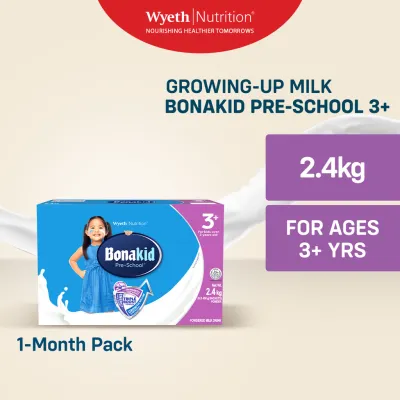
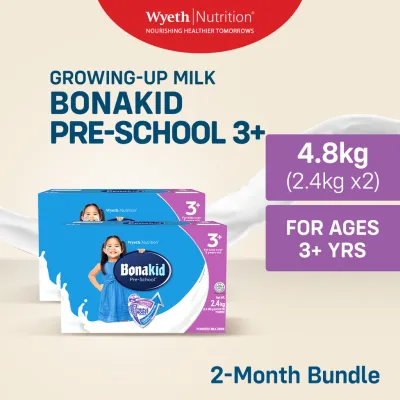
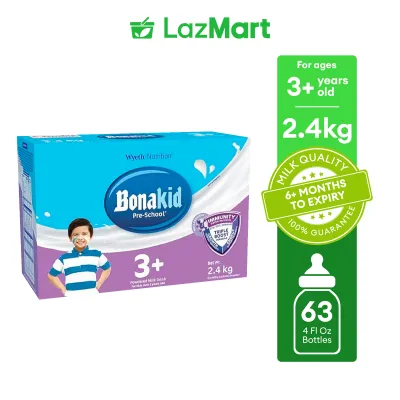
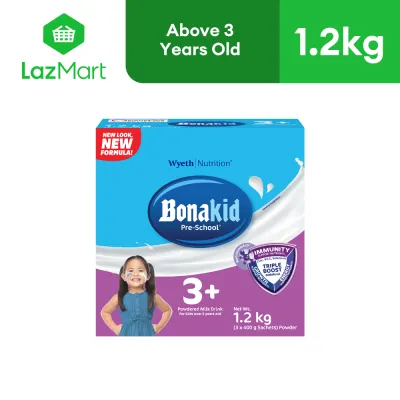
Products mentioned in this guide
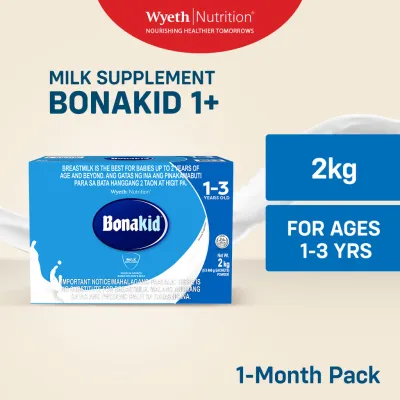
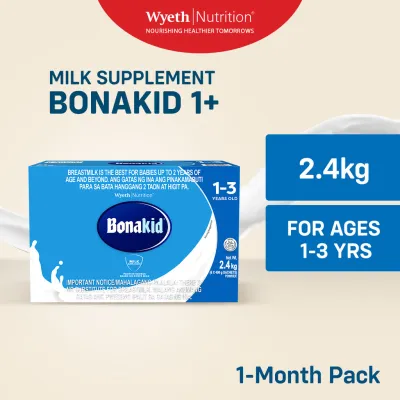
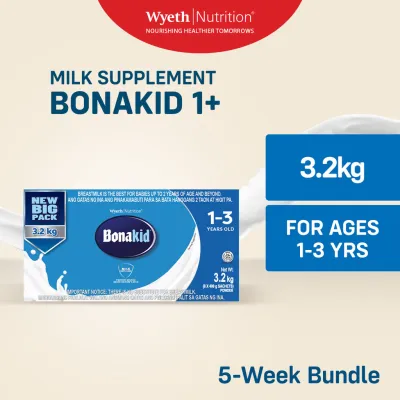
Prices are valid at publication and may change. Please refer to the product page for the latest price.
Take a close look at what your child consumes over a typical week. Are they regularly missing out on key food groups, such as leafy green vegetables, iron-rich meats, or calcium-dense dairy? In many tropical households, meals may lean heavily toward carbohydrates like rice, occasionally leaving gaps in essential micronutrients like iron, zinc, and vitamin D. If your child consistently rejects diverse solid foods, a fortified growing-up milk can act as a reliable safety net to prevent micronutrient deficiencies.
Picky eating and low appetite are common developmental phases, but they can cause anxiety for parents concerned about growth milestones. If your toddler frequently leaves meals unfinished or shows a strong preference for single-food groups, a growing-up milk can help bridge the nutritional gap. However, it is crucial to remember that these milks are supplements, not total meal replacements; relying too heavily on liquid nutrition can actually worsen picky eating by keeping your child too full to try solid foods.
The transition from breastmilk or infant formula to a toddler diet requires careful management. Infant formulas are highly regulated, precise breastmilk substitutes designed to be the primary source of nutrition. In contrast, growing-up milks are formulated to complement a diet that should increasingly consist of family meals. Understanding this distinction helps you view growing-up milk as a supportive partner to solid foods rather than the main event, guiding your selection toward a product that fills specific gaps rather than trying to provide 100% of your child’s daily calories.
Brand Positioning and Label Verification Guide
To choose effectively among the major options on local shelves, you must understand how each brand positions itself and what specific details you need to verify on their packaging. Manufacturers design their products with distinct nutritional priorities in mind, which are reflected in their ingredient lists and nutrient ratios.

Bonakid: This brand is widely recognized for focusing on physical growth and active play. When inspecting a can or box of Bonakid, you should verify the specific age range indicated on the front, as formulations are tailored for different developmental stages. Turn the package over to check the nutrition facts panel for claimed bone and muscle support nutrients, specifically looking at the exact amounts of calcium, vitamin D, phosphorus, and protein per serving. Ensure these levels align with your child’s daily physical activity and dietary intake.
Nido: Positioned as a family-trusted option for everyday protection and fortification, Nido offers several age-specific lines, such as those for ages one to three, and three to five. When evaluating Nido, check the packaging carefully to verify the specific product variant, as some are formulated with specific prebiotics or added vitamins. Look closely at the fortification levels of iron, zinc, and vitamin C, which are commonly highlighted for immune support, and verify that the serving size matches your child’s typical consumption patterns.
NAN: This brand is often positioned around digestive comfort and advanced nutritional science. If your child has a sensitive stomach, inspect the NAN label for specific probiotic strains, such as Lactobacillus reuteri, and prebiotic fibers. You must verify these digestive support claims against your child’s known tolerances, ensuring that the protein source—whether partially hydrolyzed or standard—is appropriate for their digestive system.
Enfagrow: Often marketed with a strong emphasis on cognitive development and immune support, Enfagrow typically highlights ingredients associated with brain health. When reviewing the ingredient list on an Enfagrow package, look for the specific levels of docosahexaenoic acid (DHA), iron, and choline. Verify the exact stage formulation to ensure the nutrient density per serving matches the cognitive and physical demands of your child’s specific age group.
Side-by-Side Comparison Matrix
To help you compare these options during your next trip to the supermarket or pharmacy, the following matrix outlines the key dimensions you should verify on the physical labels of each brand.
| Brand / Variant | Target Age Stage | Key Added Nutrients to Verify | Sugar / Flavoring Status | Preparation Requirements |
|---|---|---|---|---|
| Bonakid | Verify on packaging (e.g., 3+) | Calcium, Vitamin D, Phosphorus, Protein | Check label for sucrose or added flavors | Standard scoop-to-water ratio on pack |
| Nido | Verify variant (e.g., 1+, 3+) | Iron, Zinc, Vitamin C, Prebiotics | Check label for added sugars or vanilla | Standard scoop-to-water ratio on pack |
| NAN | Verify variant (e.g., Kid 3) | Probiotics (L. reuteri), DHA, Zinc | Check label for lactose vs. sucrose levels | Requires lukewarm water to preserve probiotics |
| Enfagrow | Verify stage (e.g., Stage 3, 4) | DHA, Choline, Beta-Glucan, Iron | Check label for sucrose, corn syrup, or flavors | Standard scoop-to-water ratio on pack |
When reading the nutrition facts panel on any of these products, do not just look at the percentages; compare the actual serving sizes and nutrient density. One brand might list higher nutrient values per serving simply because its recommended serving size or scoop size is larger, which can affect both how long a tin lasts and how much sugar your child consumes per cup.
Additionally, always check the lower portion of the ingredient list for allergen warnings and cross-contamination statements. If your child has a known sensitivity to soy, gluten, or specific milk proteins, these small-print warnings are critical for preventing adverse reactions.
Decision Framework: Which Brand Fits Your Child?
Choosing the right growing-up milk requires matching a brand’s specific formulation to your child’s observable physical needs, digestive habits, and your family’s lifestyle. Use the following conditional framework to guide your decision-making process.
Choose Bonakid if: Your child is in the preschool age range, is highly active, and you want to verify specific physical growth claims on the label. This option is suitable for parents looking to support bone and muscle development during active play, provided you verify that the calcium and protein levels complement their daily solid food intake.
Choose Nido if: You are looking for a widely available, fortified milk powder that offers everyday nutritional protection. This is an excellent choice if you need to verify specific vitamin and mineral profiles—such as iron and vitamin C—for older toddlers who may not be getting enough micronutrients from their daily meals, especially in a convenient, accessible format.
Choose NAN if: Your child has specific digestive sensitivities, experiences frequent bloating or irregular bowel movements, and you need to verify the presence and type of active probiotics on the packaging. This formulation is designed for parents who prioritize gut health and gentle digestion, requiring careful verification of the probiotic strains and protein structures.
Choose Enfagrow if: You want to prioritize cognitive and immune nutrient claims, and you can verify the specific DHA and vitamin levels per serving on the label. This option fits families focusing on early brain development and immune support, provided you verify that the nutrient density justifies the premium positioning.
Verify first if: Your child has diagnosed allergies, lactose intolerance, or specific medical conditions. In these cases, you must bypass standard growing-up milks and consult a pediatrician for a specialized recommendation, as standard commercial formulas may trigger severe allergic reactions or digestive distress.
Cost per Serving and Budget Planning
In the Philippines, managing household expenses is a priority for many families, and the cost of growing-up milk can quickly become a significant monthly expenditure. To make a truly budget-friendly choice, you must look past the retail price of the box or tin and calculate the actual cost per serving.
To calculate the cost in ₱ per serving, do not simply divide the price of the package by the number of days you think it will last. Instead, look at the net weight of the package (in grams) and the manufacturer’s recommended scoop measurement (also in grams) per serving. Divide the total net weight by the weight of a single serving to find the total number of servings per container, then divide the retail price by this number of servings. This simple calculation reveals the true cost of each cup of milk, allowing you to compare brands on an equal financial footing.
Additionally, compare the value of different packaging sizes available in local supermarkets and official online stores. While large bulk tins often offer a lower cost per gram, smaller cardboard boxes or single-use sachets can be highly practical for maintaining freshness in hot, humid tropical climates. In high humidity, large tins that are opened and closed frequently can absorb moisture, leading to clumping and spoilage before the powder is fully consumed.
When purchasing online, always check for official brand stores or authorized distributors on major ecommerce platforms to access promotions, bundle discounts, or subscription savings. Avoid unverified third-party sellers, as counterfeit or improperly stored milk powder poses a severe health risk to your child.
Frequently Asked Questions (FAQ)
Can I mix two different brands of growing-up milk?
Mixing two different brands of growing-up milk in the same bottle is generally not recommended. Each brand is formulated with a precise balance of nutrients, minerals, and proteins, and combining them can alter the intended osmolarity and nutrient concentration, potentially straining your child’s kidneys or digestive system.
Furthermore, mixing different brands can cause digestive upset due to conflicting flavor profiles, varying fat sources, or different probiotic strains. If you need to transition your child from one brand to another, it is best to finish the current brand first, or transition gradually by replacing one full feeding per day with the new brand over several days, rather than mixing the powders together in a single serving.
At what age should my child stop drinking growing-up milk?
Most pediatric guidelines suggest that healthy children can transition away from specialized growing-up milks around the age of three to five years, provided they are consuming a well-balanced diet of solid family foods. At this stage, standard pasteurized whole cow’s milk or fortified family milk powders can often replace specialized toddler formulas.
Signs that your child is ready to stop drinking growing-up milk include a consistent appetite for a wide variety of solid foods, including fruits, vegetables, grains, and proteins, and steady physical growth along their pediatric milestones. Always consult your pediatrician before making significant changes to your child’s milk consumption, especially if they have underlying health conditions or persistent picky eating habits.
Community discussion
Share your experience or ask a question. Comments are reviewed before publication.