
Diaper rash is one of the most common skin concerns that parents in the Philippines face. The combination of intense tropical heat, high humidity, and constant diaper contact creates a prime environment for skin irritation.
When your baby’s delicate skin is exposed to wetness, friction, and the natural enzymes found in urine and stool, it can quickly become red, raw, and uncomfortable. Finding a reliable solution is essential for your little one’s comfort.
Among the various options available to parents, Sudocrem (often searched for as soducrem) has established itself as a trusted staple in many nursery cabinets. This zinc oxide-based barrier cream is designed to protect sensitive skin from moisture while soothing existing irritation.
Products mentioned in this guide



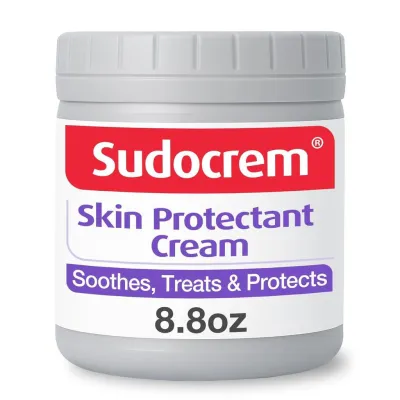
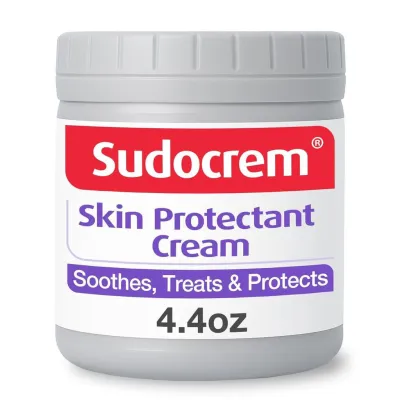


Prices are valid at publication and may change. Please refer to the product page for the latest price.
However, simply having a tub of this cream on hand is not enough. Knowing how to apply it correctly is the key to achieving fast relief and preventing future outbreaks. Applying it too thickly, on damp skin, or at the wrong times can actually hinder its effectiveness and prolong your baby’s discomfort.
When to Use Soducrem (Sudocrem) for Diaper Rash
Sudocrem is formulated primarily as a protective barrier cream. Its active ingredient, zinc oxide, forms a physical shield over the skin that repels moisture. This prevents urine and feces from coming into direct contact with your baby’s delicate skin barrier.
This physical shield makes it highly effective for treating and preventing mild to moderate irritant contact dermatitis, which is the standard diaper rash caused by wetness and friction.
It is important to understand what this cream can and cannot do. It is not an antifungal or antibiotic treatment.
In the warm, humid climate of the Philippines, diaper areas are highly susceptible to yeast infections. A yeast infection looks different from standard diaper rash. It is typically bright red, has well-defined borders, and features small red spots (satellite lesions) spreading outward from the main rash, often settling deep within the skin folds.
If your baby’s rash fits this description, or if the skin is broken, weeping, bleeding, or oozing pus, do not rely on a standard barrier cream.
Before applying any new product, always check the manufacturer’s packaging for specific age recommendations and safety warnings. If you suspect a yeast infection, or if your baby shows signs of a bacterial infection, stop using the barrier cream and consult a pediatrician.
They can provide an accurate diagnosis and prescribe the appropriate targeted treatment, such as a mild antifungal or antibacterial ointment.
What You Need Before Application
To make the diaper-changing process as smooth, hygienic, and stress-free as possible, it is best to gather all your supplies before placing your baby on the changing mat. Having everything within arm’s reach ensures you never have to leave your baby unattended.

Prepare the following essential items for your changing station:
- Lukewarm water: Clean water is the gentlest way to cleanse irritated skin.
- Soft cotton cloths or fragrance-free water wipes: Avoid wipes containing alcohol, artificial fragrances, or harsh chemicals, as these can sting and worsen an active rash.
- A clean, dry towel: A soft cotton towel or dry cloth is necessary for patting the skin dry.
- A fresh tub of Sudocrem: Keep the tub stored at room temperature so that the cream maintains its smooth, easy-to-spread consistency.
- A highly absorbent diaper: Choose a diaper that quickly draws wetness away from the skin, which is especially important in humid climates.
- A clean changing mat or liner: To maintain a sanitary environment.
Step-by-Step Guide to Applying Sudocrem Correctly
Applying a barrier cream is more than just smearing paste onto your baby’s bottom. It requires a gentle, deliberate routine that respects the fragile nature of compromised skin.
By following a structured process, you ensure that the active ingredients in the cream can perform their protective function without causing further friction or trapping unwanted moisture against the skin.
Step 1: Clean and Pat Dry the Skin
The first and most critical step is to thoroughly clean the diaper area. Gently wipe away any urine or stool using lukewarm water and a soft cotton cloth or a high-quality, fragrance-free water wipe.
Avoid the temptation to scrub or rub the skin vigorously. This can cause micro-tears in the skin barrier, leading to increased pain and a higher risk of infection.
Once the area is clean, you must ensure the skin is completely dry before applying any cream. In the humid climate of the Philippines, trapping moisture under a heavy barrier cream is a common mistake that can actually worsen diaper rash.
The cream is designed to keep moisture out, but if applied to damp skin, it will trap moisture in. This creates a warm, wet environment where bacteria and yeast thrive.
Use a clean, dry towel to gently pat the skin dry. Pay special attention to the deep skin folds around the thighs and groin, where moisture tends to linger.
Whenever possible, allow your baby to enjoy a few minutes of “air time” without a diaper. Letting the skin air-dry naturally is one of the most effective ways to soothe irritation and promote healing.
Step 2: Apply a Thin, Even Layer
Once the skin is entirely dry, it is time to apply the cream. Many parents assume that a thicker layer of cream provides better protection, but the opposite is actually true.
The golden rule of applying Sudocrem is to think of it like “icing on a cake.” You want a thin, translucent veil of cream, not a thick, opaque white paste.
If you apply the cream too thickly, it cannot absorb properly, and the excess paste will clump together. This clumping can block the absorbent channels of your baby’s diaper, preventing it from pulling wetness away from the skin.
Furthermore, a thick layer of zinc oxide paste is highly resistant to water. This makes it incredibly difficult to wash off during the next diaper change without harsh scrubbing, which further irritates the skin.
Using a clean, dry finger, scoop a small, pea-sized amount of cream. Gently spread it over the affected areas, including the buttocks, groin, and any irritated skin folds.
Use light, sweeping motions rather than rubbing the cream into the skin. When finished, you should still be able to see the skin texture through a fine, translucent layer of the cream.
Step 3: Secure a Clean, Well-Fitting Diaper
With the protective barrier in place, you can now put on a fresh, clean diaper. Pay close attention to how the diaper fits your baby.
It should be snug enough to prevent leaks but loose enough to allow air to circulate and prevent unnecessary friction.
If a diaper is fastened too tightly, it presses directly against the skin, rubbing away the protective layer of cream you just applied. It also traps heat and sweat, which can quickly trigger a new flare-up of diaper rash.
To check the fit, ensure you can easily slide two fingers between the diaper waistband and your baby’s tummy.
Once the diaper is secured, adjust the leg cuffs to ensure they are flared outward rather than tucked in. This helps prevent leaks and chafing.
Finally, always wash your hands thoroughly with soap and water after completing the diaper change to maintain proper hygiene and prevent the spread of any bacteria.
Application Frequency: Treating vs. Preventing Rash
How often you should apply Sudocrem depends entirely on whether you are actively treating an existing diaper rash or trying to prevent a new one from developing. Tailoring your application frequency to your baby’s current skin condition ensures optimal results without overusing the product.
When you are treating an active, red diaper rash, consistency is key. You should apply a thin layer of the cream at every single diaper change.
Because the skin barrier is already compromised, it requires continuous protection from the irritating enzymes in waste.
In the Philippines, where babies may sweat more due to warm weather, frequent diaper changes are essential. For newborns, this typically means changing them every two to three hours. Applying the cream at each change ensures that the protective barrier remains unbroken.
If your baby’s skin is healthy and you want to prevent diaper rash, you do not need to apply the cream at every change. Instead, focus on high-risk times.
Applying a thin layer once or twice a day is usually sufficient. The most important time for preventive application is right before bedtime.
Because babies sleep for longer stretches overnight, they remain in a wet diaper for a more extended period. A preventive layer of barrier cream before sleep protects their skin through the night.
Regardless of your goal, always practice gentle removal. You do not need to scrub away every trace of the old cream during a wet-only diaper change if it is still clean and intact.
Simply clean away any urine or stool, and gently pat dry. If there is a heavy buildup of old cream that needs to be removed, dab a small amount of baby oil or coconut oil onto a soft cloth to gently dissolve the zinc oxide without irritating the skin.
Monitoring Progress and When to See a Doctor
When using Sudocrem correctly, you should expect to see visible signs of improvement within two to three days.
A healing rash will look less angry and red, the inflamed areas will begin to shrink, and your baby will likely be much less fussy during diaper changes and daily activities.
However, diaper rash can sometimes mask more serious underlying conditions, or it may fail to respond to standard home care. You must monitor your baby’s skin closely and know when to seek professional medical advice.
Stop using the cream and consult a pediatrician or qualified healthcare provider in the Philippines immediately if you observe any of the following warning signs:
- The rash does not show any signs of improvement after three days of consistent, correct application.
- The redness worsens, spreads beyond the diaper area to the abdomen, back, or legs, or becomes extremely bright red.
- The skin develops blisters, small pimples, pus-filled bumps, or open sores.
- The rash begins to bleed, ooze fluid, or develop a crust.
- Your baby develops a fever or seems unusually irritable, lethargic, or in pain.
Persistent or worsening rashes often indicate a secondary yeast or bacterial infection. These conditions cannot be resolved with barrier creams alone and require targeted prescription treatments, such as topical antifungals or mild topical steroids.
Only a licensed healthcare professional can safely diagnose these conditions and prescribe the correct medication for your baby’s specific needs.
Common Application Mistakes to Avoid
Even well-intentioned caregivers can fall into habits that inadvertently prolong diaper rash. By recognizing and avoiding these common mistakes, you can ensure your diaper care routine is as safe and effective as possible:
- Applying cream over damp skin: This is one of the most frequent errors. Always ensure the diaper area is bone-dry before application to avoid trapping moisture against the skin.
- Scrubbing the skin to remove old cream: Zinc oxide creams are designed to stick to the skin. Trying to scrub off residual cream during a diaper change can cause painful friction and micro-tears. If the residual cream is clean, you can leave it; if it must be removed, use a gentle oil.
- Using the cream on broken skin or open wounds: Unless specifically directed by a doctor, do not apply standard barrier creams to bleeding, weeping, or deeply cracked skin, as this can trap bacteria and interfere with the natural healing process.
- Double-diapering: Some parents place two diapers on a baby to prevent overnight leaks. This practice traps excessive heat and humidity close to the skin, which is highly counterproductive, especially in tropical climates. Instead, opt for a single, highly absorbent overnight diaper.
Frequently Asked Questions (FAQ)
Proper usage of barrier creams often brings up specific safety and application questions regarding sensitive baby skin. Below are answers to some of the most common queries parents have about using Sudocrem.
Is Sudocrem safe for newborn babies?
Before using any skincare product on a newborn, always check the specific product label for age guidelines and warnings, as formulations and recommendations can vary.
A newborn’s skin is incredibly thin, delicate, and highly permeable, making it far more sensitive than the skin of older infants.
While zinc oxide-based barrier creams are generally considered standard for diaper care, it is highly recommended to consult your pediatrician before introducing any new product to a newborn’s skin.
They can advise you on the safest routine for your baby’s first few weeks of life and help you identify any potential sensitivities early on.
Can I use Sudocrem on other parts of my baby's body?
While Sudocrem is sometimes used to soothe minor skin irritations, mild eczema, or chafing in other areas of the body, it is formulated specifically as a heavy barrier cream.
It should never be applied to your baby’s face, near the eyes, nose, or mouth, or on large areas of broken skin.
For any skin concerns outside of the diaper area, always refer to the manufacturer’s instructions on the packaging and consult a doctor.
Non-diaper skin conditions require a professional evaluation to ensure you are using the correct, safe treatment for your baby’s delicate skin.

Community discussion
Share your experience or ask a question. Comments are reviewed before publication.