
To apply Sudocrem correctly for diaper rash prevention, you must clean the baby’s diaper area thoroughly, dry the skin completely, and apply a very thin, translucent layer of the cream. In warm, humid tropical climates like the Philippines, managing moisture is the most critical step in diaper care. Applying too much cream or trapping sweat and wetness beneath the barrier can actually worsen skin irritation. By mastering the correct application technique, you can help protect your baby’s delicate skin from the friction and moisture that trigger diaper rash.
Using a barrier cream is not about creating a thick, heavy mask over the skin; rather, it is about establishing a breathable, protective shield. When applied properly, the cream acts as a barrier against the harsh irritants found in urine and stool. Understanding the balance between skin preparation, correct dosage, and gentle application will ensure your baby remains comfortable and rash-free throughout the day and night.
When and Why to Use Sudocrem for Diaper Care
Diaper barrier creams are designed to protect a baby’s delicate skin from the constant exposure to moisture, friction, and acidic waste inside a diaper. The primary mechanism of these creams relies on ingredients like zinc oxide, which form a physical, water-resistant shield over the epidermis. This shield prevents wetness from penetrating the skin barrier, reducing the risk of maceration—a condition where the skin becomes soft, white, and highly susceptible to breakdown due to prolonged wetness.
Products mentioned in this guide
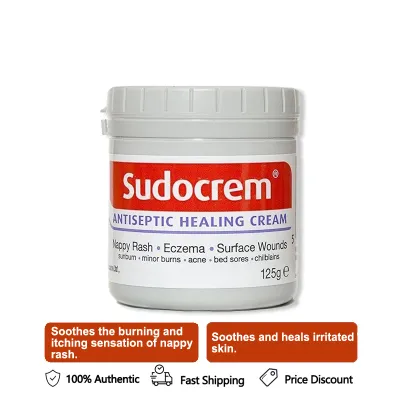
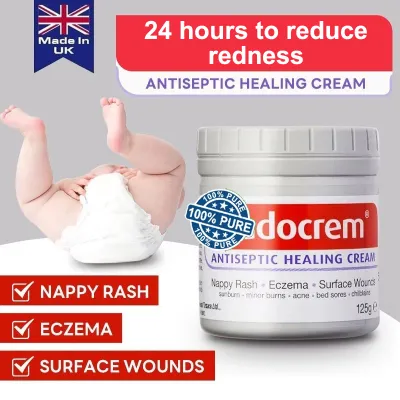
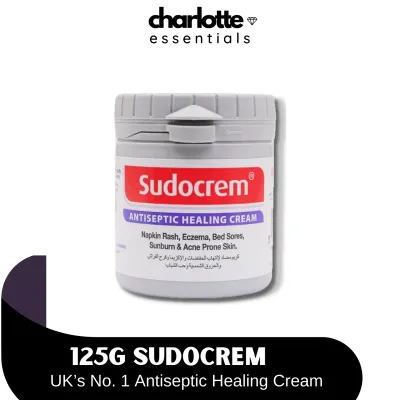


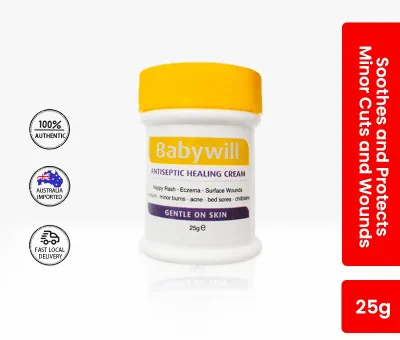

Prices are valid at publication and may change. Please refer to the product page for the latest price.
It is important to differentiate between daily preventive care and treating an active, severe diaper rash. For daily prevention, a barrier cream is applied lightly to areas most vulnerable to friction and wetness. If your baby already has a mild rash, the cream helps protect the compromised skin while it heals. However, if the skin is broken, bleeding, or showing signs of a severe infection, a standard barrier cream is not a substitute for targeted medical treatment, and you should consult a healthcare professional immediately.
Before introducing any new skincare product to your baby’s routine, always check the product label for age recommendations, active ingredients, and specific manufacturer warnings. Different formulations may have varying guidelines regarding how often they can be applied or whether they are suitable for newborns. Reading the packaging ensures you are using the product safely and in accordance with the manufacturer’s tested standards.
Recognizing the early visual cues of skin irritation allows you to intervene before a painful rash develops. Look for mild pinkness on the buttocks, slight roughness along the edges where the diaper elastic rests, or tiny, dry patches in the groin folds. In tropical environments, these early signs can escalate quickly due to sweat, making the timely application of a protective barrier highly beneficial.
Preparing the Skin Before Application
Proper skin preparation is the foundation of effective diaper care. Before applying any barrier cream, the diaper area must be meticulously cleaned to remove all traces of urine and stool. Use lukewarm water and a soft cotton cloth, or opt for fragrance-free, alcohol-free baby wipes designed for sensitive skin. Always wipe gently from front to back, particularly for baby girls, to prevent the spread of bacteria to the urinary tract.

Once the skin is clean, thorough drying is absolutely critical. Applying a water-resistant barrier cream over damp skin traps moisture directly against the baby’s epidermis, which can lead to rapid skin breakdown and yeast infections. In humid climates, simply patting with a towel may not be enough. Allowing the baby to air-dry for a few minutes is an excellent, natural way to ensure no moisture remains before you seal the skin with cream.
When drying the skin, never rub or scrub the area with a towel or wipe. The friction from rubbing can create microscopic tears in the delicate outer layer of the skin, compromising its natural defense system before you even apply the cream. Instead, use a gentle patting motion with a clean, dry, soft cloth, paying close attention to the deep skin folds where moisture tends to linger.
Step-by-Step Application Technique
Applying diaper cream should be a structured, hygienic routine that minimizes skin stress and prevents product contamination. Begin by gathering your supplies—a clean diaper, your barrier cream, and any cleaning materials—so you never have to leave your baby unattended on the changing table.
Always wash your hands thoroughly with soap and water before touching the cream or your baby’s skin. Alternatively, you can use a clean, dedicated silicone diaper cream applicator to maintain hygiene. Using dirty hands can introduce bacteria into the cream container, compromising the product’s safety for future uses.
Determining the Right Amount
The most common mistake parents make is applying too much product. To create an effective barrier, you only need a very thin, translucent layer of cream. When applied correctly, the cream should be spread so thinly that the baby’s skin remains visible underneath. If the area looks bright white and heavily coated, you have used too much, which can clog pores and make cleanup difficult during the next diaper change.
Always consult the manufacturer’s packaging for specific dosage or coverage guidelines, as formulations can vary in density and concentration. Using the correct, minimal amount not only protects your baby’s skin more effectively but also prevents product waste, helping you stretch your household budget and get more value out of every tub or tube.
Adjust the amount of cream based on your baby’s size and the specific areas prone to friction. Larger babies or those who are highly active may experience more rubbing along the leg cuffs, requiring a slightly more precise application in those specific zones. Focus the product where the physical contact between the diaper and the skin is most intense.
Spreading and Massaging Gently
When applying the cream, focus on the primary target zones: the buttocks, the groin folds, and the areas directly contacting the diaper edges. These are the spots most vulnerable to friction and prolonged contact with wetness. Ensure you apply the cream gently, using light, sweeping motions rather than heavy pressure.
Instead of rubbing the cream into the skin like a standard moisturizing lotion, use a gentle patting or smooth spreading motion. The goal is to leave a protective layer on top of the skin, not to force the product deep into the pores. Rubbing too vigorously can irritate already sensitive skin and cause discomfort to your baby.
Always observe strict safety boundaries regarding anatomical specifics. For female infants, apply the barrier cream externally only, focusing on the outer labia and buttocks; never apply the cream internally or near the vaginal opening, as this can cause irritation and trap unwanted bacteria. For male infants, apply the cream gently around the scrotum and groin folds, ensuring you do not pull or stretch the delicate skin.
Common Mistakes to Avoid During Application
One of the most frequent errors in diaper care is applying barrier cream over damp or unclean skin. When moisture, sweat, or trace amounts of urine are sealed beneath a water-resistant zinc oxide barrier, they are held in direct contact with the epidermis. In the high humidity of tropical regions, this trapped moisture quickly leads to skin maceration, turning a mild irritation into a painful, red rash.
Another common issue is the accumulation of cream buildup. During subsequent diaper changes, do not simply layer fresh cream over old, soiled layers. This traps bacteria and waste material against the skin. Gently clean away the old layer first. If some clean, white residue remains and is difficult to remove, do not scrub it off aggressively; simply clean away the soiled portions and apply a fresh, thin layer over the clean residue.
Proper storage of your diaper cream is essential for maintaining its consistency and safety. Store the container in a cool, dry place away from direct sunlight and high heat, which can cause the oils and active ingredients to separate. Never use expired products, as the preservative system may fail, allowing bacteria to grow inside the container, or the active ingredients may lose their protective properties.
Monitoring Skin Health and Knowing When to Stop
While consistent diaper care and barrier creams are highly effective for daily prevention, you must closely monitor your baby’s skin health and know when to seek professional medical help. Stop using the product immediately and consult a pediatrician if you observe warning signs such as blistering, oozing, bleeding, open sores, spreading bright red patches, or if your baby develops a fever. These symptoms suggest a more serious condition that requires medical intervention.
Give the diaper care routine a reasonable timeframe to work. If a mild diaper rash does not show visible signs of improvement within two to three days of consistent, correct application and frequent diaper changes, it is time to consult a healthcare professional. Continuing to apply a standard barrier cream over a persistent rash without medical guidance can delay proper treatment.
Persistent or worsening symptoms often indicate that the irritation is not a simple diaper rash, but rather a fungal (yeast) or bacterial infection. Fungal infections typically present as bright red, defined patches with small “satellite” spots spreading outward, and they thrive in warm, moist diaper environments. These infections require specific prescription treatments, such as antifungal ointments, which must be diagnosed and prescribed by a qualified pediatrician.
Frequently Asked Questions (FAQ)
Can I use Sudocrem on my baby's face or other body parts?
Always refer to the manufacturer’s label to verify approved use cases for other parts of the body, as some formulations may be suitable for minor skin irritations, eczema, or superficial cuts. However, you must strictly avoid applying the cream near the eyes, nose, mouth, or on deep, open wounds. Because a baby’s facial skin is exceptionally delicate, always consult your pediatrician before using any diaper care product on the face or over extensive body areas to ensure it is appropriate for the specific skin condition.
How do I remove stubborn Sudocrem residue during the next change?
Because zinc oxide-based barrier creams are designed to resist water, they can be difficult to wash off with water alone. To remove stubborn residue gently, use a soft cloth or cotton pad dipped in a mild, baby-safe cleansing oil, such as coconut oil or mineral oil, which naturally breaks down the cream’s base. Avoid aggressive scrubbing or using harsh soaps, which strip the skin of its natural oils and cause irritation. If a thin, clean layer of residue remains on the skin after gentle wiping, it is harmless and does not need to be forcefully removed.

Community discussion
Share your experience or ask a question. Comments are reviewed before publication.