
Applying Sudocrem correctly is essential for protecting your baby’s delicate skin from the irritation, redness, and discomfort of diaper rash. To get the best results, you must follow a simple but precise routine: thoroughly clean the diaper area, ensure the skin is completely dry, and apply a very thin, semi-transparent layer of the barrier cream. In a warm and humid tropical climate like the Philippines, managing moisture is particularly challenging, making proper application techniques even more critical to prevent sweat and wetness from becoming trapped against your baby’s skin.
Using this classic zinc-oxide-based barrier cream requires a gentle touch and an understanding of how barrier formulations work. Rather than slathering on a thick white paste, the goal is to create a breathable, protective shield that repels moisture while allowing the skin underneath to recover. By mastering the correct application steps, avoiding common mistakes, and knowing when to seek professional medical advice, you can keep your baby comfortable and rash-free.
When to Use Sudocrem: Prevention vs. Treatment
Understanding when and how often to use a barrier cream depends entirely on your baby’s current skin condition. For daily prevention, you can apply a tiny amount of the cream during routine diaper changes, especially before bedtime or long car rides when the diaper remains on for extended periods. This preventive barrier acts as a shield, keeping urine and feces from directly contacting the skin and minimizing the friction caused by diaper movement.
Products mentioned in this guide
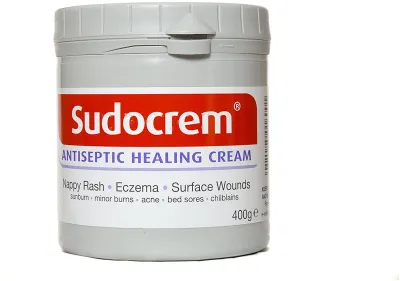
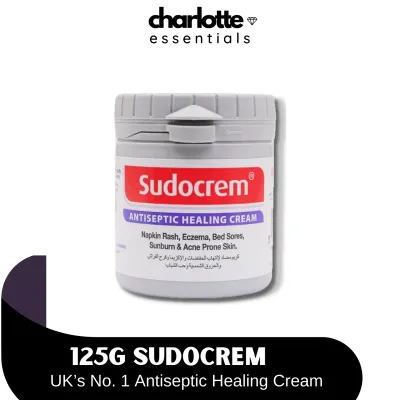
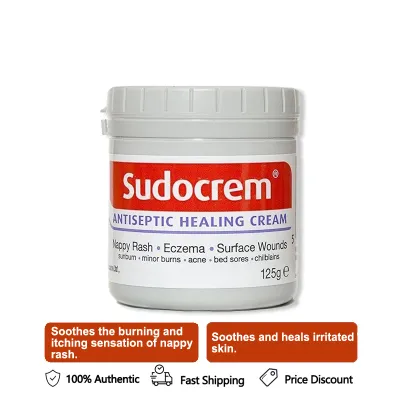
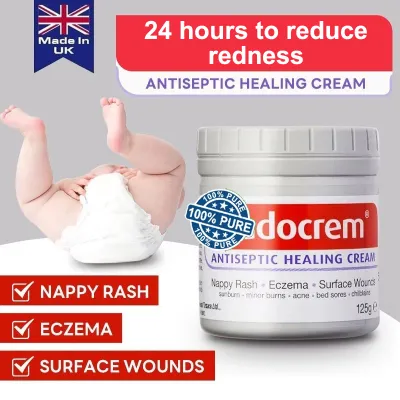

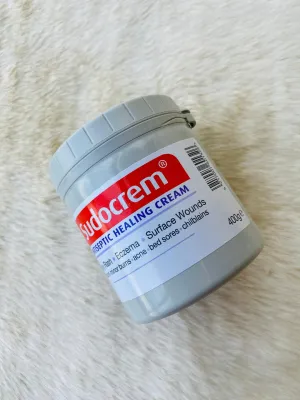


Prices are valid at publication and may change. Please refer to the product page for the latest price.
When you are actively treating an existing diaper rash, your approach must shift from light prevention to targeted care. You will need to apply the cream at every single diaper change to ensure continuous protection while the inflamed skin heals. During treatment, you might need to slightly adjust the coverage area to ensure all irritated patches are fully protected, though the application should still remain thin and well-distributed.
Before introducing any product to your baby’s skincare routine, always check the specific product label for age recommendations, intended uses, and manufacturer instructions. Different formulations under the same brand may have varying guidelines regarding suitability for newborns or specific skin types. Verifying these details on the packaging ensures you are using the product exactly as intended by the manufacturer.
Step-by-Step Guide to Applying Sudocrem Correctly
Applying a barrier cream is a straightforward process, but rushing through it can compromise its effectiveness. By breaking the application down into three distinct phases—cleansing, applying, and securing—you can ensure your baby’s skin receives maximum protection without unnecessary irritation. A gentle, methodical approach is always best when dealing with delicate infant skin.

Step 1: Clean and Dry the Skin Thoroughly
The first and most critical step is to prepare the skin by removing all traces of urine and stool. Use lukewarm water and soft cotton pads, or opt for fragrance-free, alcohol-free baby wipes to gently cleanse the area. Avoid harsh rubbing, which can worsen existing irritation and damage the skin’s natural protective barrier.
Once the skin is clean, it must be dried completely before any cream is applied. Pat the skin gently with a clean, soft towel, or let your baby enjoy some diaper-free air time to dry naturally. In humid tropical environments, moisture can easily linger in deep skin folds and creases around the thighs and groin, so pay extra attention to these areas to ensure no dampness is trapped beneath the cream.
Step 2: Apply a Thin, Even Layer
When it comes to barrier creams, less is almost always more. Start by dispensing a small, pea-sized drop of the cream onto your clean fingertips, adjusting the amount slightly depending on the size of the area you need to cover. Refer to the packaging guidelines to help gauge the correct starting amount for your baby’s size.
Gently massage the cream onto the skin using light, circular motions. Continue massaging until the thick white cream breaks down and leaves a thin, semi-transparent film over the skin. The skin underneath should still be visible through the cream; if the area remains bright white, you have likely applied too much.
Ensure your application covers all areas that come into direct contact with urine and feces, as well as the spots prone to friction from diaper edges. This includes the buttocks, the lower abdomen, and the creases of the thighs, ensuring a complete protective barrier where it is needed most.
Step 3: Secure the Diaper and Monitor
After applying the cream, fasten the diaper snugly but comfortably, ensuring it is not too tight. Leaving a small amount of breathing room allows air to circulate, which helps reduce heat and moisture buildup inside the diaper. Proper airflow is a key factor in preventing the warm, damp conditions that encourage diaper rash to develop.
At the next diaper change, take a moment to observe the condition of your baby’s skin and note how much cream residue remains. If there is still a thick layer of white paste on the skin, it is a clear sign that you can reduce the amount of cream used during the next application. Monitoring these changes helps you fine-tune your routine to match your baby’s specific needs.
Common Application Mistakes to Avoid
One of the most frequent mistakes caregivers make is applying an excessively thick layer of cream. While it might seem like more cream equals more protection, a heavy buildup actually traps heat and moisture against the skin, blocks natural skin breathing, and makes cleanup during the next diaper change incredibly difficult. This unnecessary friction during cleanup can further irritate sensitive skin.
Applying barrier cream over damp or wet skin is another common error that can backfire. Because barrier creams are designed to repel water, applying them to wet skin effectively seals that moisture directly against the baby’s skin barrier. This trapped moisture can quickly lead to skin maceration and accelerate the development of painful diaper rashes.
Aggressive rubbing during application must be avoided at all costs. A baby’s skin is incredibly thin and delicate, and vigorous rubbing can cause microscopic tears, increase inflammation, and turn a mild redness into a severe, painful rash. Always use a light, feather-touch circular motion to spread the product.
Finally, pay close attention to product storage and expiration dates. In hot, tropical climates, storing skincare products in areas exposed to direct sunlight, high humidity, or extreme heat—such as inside a parked car or near a sunny window—can cause the formula to separate and degrade. Always store the tub or tube in a cool, dry place, and check the packaging periodically to ensure the product has not expired.
How to Remove Sudocrem Safely During Diaper Changes
When it is time for a diaper change, many parents feel compelled to scrub away every single trace of the previous application. However, aggressively cleaning the skin to remove all residual cream is unnecessary and can actually cause more harm than good. The constant friction from scrubbing can strip away the skin’s natural oils and disrupt the healing process.
Instead, focus on removing only the soiled top layers of the cream along with any urine or stool. Use a gentle, alcohol-free wipe, a soft cloth dampened with warm water, or cotton balls soaked in water to lightly wipe the area. If a clean, white layer of the barrier cream remains on unsoiled skin, it is perfectly safe to leave it intact and apply a fresh, thin layer directly over it.
Avoid using harsh soaps, adult body washes, or heavily fragranced cleansers to wash the diaper area. These products often contain surfactants and chemicals that can severely irritate compromised skin. Stick to plain water or mild, baby-safe cleansers designed specifically for sensitive infant skin to keep the barrier intact.
When to Stop and Consult a Pediatrician
While consistent and correct application of a barrier cream is highly effective for standard diaper rash, there are times when home care is not enough. If your baby’s rash does not show signs of improvement or continues to worsen after a few days of proper application, it is time to seek professional medical advice. Persistent redness may indicate an underlying issue that requires targeted treatment.
Be on the alert for specific red flags that require immediate evaluation by a pediatrician. These symptoms include the appearance of blisters, open sores, oozing pus, bleeding, or a rash that spreads rapidly beyond the diaper area to the abdomen or back. These signs often point to a secondary infection that a simple barrier cream cannot resolve.
You should also consult a healthcare professional if the rash is accompanied by systemic symptoms. If your baby develops a fever, becomes unusually lethargic, or exhibits extreme, inconsolable fussiness during diaper changes, seek medical attention promptly. Your pediatrician can properly diagnose the cause of the discomfort and prescribe the appropriate care.
It is important to recognize that standard barrier creams are designed to protect and soothe, but they do not treat active fungal (yeast) or bacterial infections. A yeast rash, often characterized by bright red patches with distinct “satellite” spots in the skin folds, requires specific antifungal medication. Always consult your pediatrician for an accurate diagnosis and a tailored treatment plan.
Frequently Asked Questions (FAQ)
Can I use Sudocrem on a newborn's skin?
A newborn’s skin is exceptionally thin, delicate, and highly permeable, meaning it absorbs topical products much more easily than older infant skin. Before applying any new barrier cream or skincare product to a newborn, always check the specific product packaging for minimum age guidelines and a complete list of ingredients. Because newborn skin is so sensitive, it is highly recommended to consult your pediatrician before introducing any over-the-counter barrier creams to ensure they are appropriate for your baby’s developmental stage.
Does Sudocrem stain cloth diapers?
Yes, barrier creams containing zinc oxide and other thick, water-repelling ingredients can easily transfer to cloth diapers, leaving stubborn stains and creating a greasy buildup over time. This buildup can clog the fabric pores, significantly reducing the absorbency of your reusable diapers and leading to leaks. To protect your cloth diapers, always use a disposable liner or a reusable fleece liner to create a physical barrier between the cream and the diaper fabric. If buildup does occur, consult your diaper manufacturer’s washing instructions for tips on pre-treating stains and safely stripping the fabric to restore its absorbency.
Community discussion
Share your experience or ask a question. Comments are reviewed before publication.