
Diaper rash is one of the most common skin concerns for infants, causing discomfort for babies and anxiety for parents. In the warm and humid tropical climate of the Philippines, excess moisture and heat can quickly exacerbate skin irritation in the diaper area. Applying Sudocrem (often searched as soducrem) correctly is one of the most effective ways to soothe your baby’s skin and prevent future flare-ups.
To achieve the best results, caregivers must follow a simple three-step process: clean the skin gently, ensure it is completely dry, and apply a very thin, translucent layer of the cream. Understanding the science behind barrier creams and avoiding common application mistakes will help keep your baby comfortable, dry, and free from painful irritation.
Understanding When to Use Sudocrem (Soducrem) for Diaper Rash
Sudocrem is formulated primarily as a protective barrier cream. Its main active ingredient, zinc oxide, works by forming a physical shield over the baby’s delicate skin. This shield prevents external irritants, such as acidic urine and enzymes present in stool, from making direct contact with the compromised skin barrier, allowing the epidermis to heal naturally.
Products mentioned in this guide



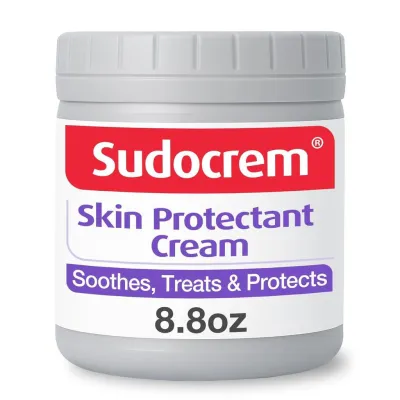
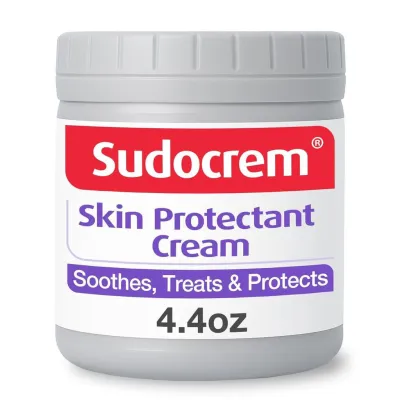


Prices are valid at publication and may change. Please refer to the product page for the latest price.
It is important to understand that this product is not a medicated antifungal or antibiotic treatment. While it is highly effective at soothing mild to moderate diaper rash caused by friction and wetness, it cannot cure infections caused by pathogens. If your baby’s rash is driven by an overgrowth of yeast or bacteria, a simple barrier cream will not resolve the underlying issue.
Establishing this boundary is crucial for your baby’s health. If a yeast infection like Candida takes hold in the warm, damp folds of the diaper area, it requires a targeted treatment plan. In such cases, you must stop relying solely on barrier creams and seek a pediatrician’s evaluation to obtain the correct prescription treatment.
Preparing for a Safe and Gentle Diaper Change
Before you begin the diaper change, gathering all your materials beforehand ensures you never have to leave your baby unattended on a changing table or bed. Prepare a simple setup containing warm water, soft cotton wipes or a clean washcloth, a fresh diaper, and your tub of cream. Having everything within arm’s reach makes the process smooth and stress-free for both you and your little one.

When dealing with irritated skin, the choice of cleaning materials is critical. Avoid using commercial baby wipes that contain alcohol, synthetic fragrances, or harsh chemical preservatives. These ingredients can cause intense stinging on open or inflamed skin, worsening your baby’s distress and delaying the healing process.
Hygiene is the foundation of safe diaper care. Always wash your hands thoroughly with soap and water before you begin the diaper change to avoid introducing new bacteria to your baby’s compromised skin. Remember to wash your hands again immediately after finishing the application to maintain a clean environment.
Step-by-Step Guide to Applying Sudocrem Correctly
Approaching the diaper change with a calm, methodical attitude helps keep your baby relaxed. Rushing through the process often leads to rough handling, which increases friction on already sensitive skin. Taking your time allows you to apply the cream thoroughly and safely.
Step 1: Clean the Skin Gently
Begin by cleaning the diaper area using warm water and a soft, clean cloth or a fragrance-free water-based wipe. Avoid rubbing or scrubbing the skin, as physical friction can create micro-tears in the delicate epidermal layer, increasing inflammation and pain.
Instead, use a gentle patting or dabbing motion to lift away urine and fecal residue. Pay close attention to the deep skin folds around the thighs and groin, as moisture and waste tend to pool in these creases, leading to hidden irritation if left uncleaned.
Step 2: Ensure the Skin is Completely Dry
Once the skin is clean, it must be dried thoroughly before any cream is applied. Applying a barrier cream to damp skin traps residual moisture directly against the baby’s skin. In the high humidity of the Philippines, this trapped moisture can rapidly accelerate skin breakdown and encourage fungal infections.
Allow the skin to air-dry naturally for a few minutes if possible, which also gives the skin a welcome break from diaper coverage. Alternatively, use a dry, clean, soft towel to gently pat the entire area until there is absolutely no moisture left on the skin surface.
Step 3: Apply a Thin, Protective Layer
Scoop a small, pea-sized amount of the cream onto your clean fingertip. A little goes a long way, and using too much product is one of the most common mistakes caregivers make when managing diaper dermatitis.
Massage the cream gently into the skin using light, circular motions until it forms a thin, translucent veil. You should still be able to see the skin underneath; if the area looks bright white or resembles thick cake frosting, you have applied too much. Excessively thick layers can clump, clog the diaper’s absorbent lining, and trap sweat against the skin.
Ensure the application covers all vulnerable areas that come into direct contact with the diaper. This includes the buttocks, the perineum, the groin creases, and the lower abdomen, ensuring every fold receives a light, protective coating.
How Often to Apply Sudocrem for Treatment and Prevention
When actively treating an existing diaper rash, consistency is key to recovery. Apply a thin layer of the barrier cream at every single diaper change. To prevent further irritation, you should change your baby’s diaper frequently—ideally every two to three hours, or immediately after you detect a wet or soiled diaper.
Once your baby’s skin has completely healed and returned to its normal, healthy state, you can transition to a preventative routine. You do not need to apply the cream at every change once the rash is gone. Instead, focus your applications on times when the baby will wear a diaper for an extended period, such as right before bedtime, or during long car rides.
Remember that cream application is only one component of a healthy diapering routine. Giving your baby regular “diaper-free” air time for 10 to 15 minutes a day allows the skin to breathe and dry naturally. Combining air time, frequent diaper changes, and targeted cream application provides the ultimate defense against diaper rash.
Monitoring the Rash: When to See a Pediatrician
Most cases of mild diaper rash should show noticeable signs of improvement within two to three days of consistent barrier cream application and diligent diaper changes. If the redness begins to fade and the skin texture smoothens, your home care routine is working effectively.
However, you must monitor the rash closely for signs that require professional medical evaluation. Stop using the cream and consult your pediatrician immediately if you observe any of the following warning signs:
- The rash worsens, spreads beyond the diaper area to the limbs or torso, or develops bright red, distinct spots with defined borders.
- You notice blisters, pus-filled bumps, open sores, peeling skin, or bleeding.
- Your baby develops a fever, appears unusually lethargic, or cries persistently in severe pain when the area is touched.
- The rash shows absolutely no improvement after three to four days of careful home care.
Never attempt to self-medicate your baby with over-the-counter hydrocortisone, steroid creams, or strong antifungal ointments without explicit instructions from a qualified healthcare professional. Applying these medications incorrectly can thin your baby’s delicate skin or lead to systemic absorption issues.
Frequently Asked Questions (FAQ)
Do I need to scrub off the leftover cream at every change?
No, you should never aggressively scrub off residual barrier cream during a diaper change. If the remaining cream is clean and free of urine or stool, simply leave it in place. Gently wipe away the top soiled layer with a damp cloth, and apply a fresh, thin layer over the clean base. This approach minimizes unnecessary friction and protects the healing skin barrier from mechanical damage.
Can Sudocrem be used for other skin irritations?
While some parents use zinc oxide creams to soothe minor scratches, mild eczema patches, or skin chafing, the primary tested and formulated purpose of this product is as a diaper rash barrier. Always consult your pediatrician before applying it to your baby’s face, near the eyes, or on open, weeping wounds. The thick, rich base is highly occlusive and may not be suitable for delicate facial skin or complex dermatological conditions.

Community discussion
Share your experience or ask a question. Comments are reviewed before publication.