
Applying Sodaypo cream correctly is essential for shielding your baby’s delicate skin from the friction, moisture, and enzymes that cause diaper rash. To achieve the best results, the cream must be applied to clean, completely dry skin, creating a protective barrier that seals out wetness. In tropical climates like the Philippines, where high humidity and heat can accelerate skin irritation, mastering this application technique is a vital part of daily baby care.
By understanding when to use the cream, how to prepare the skin, and how to monitor your baby’s response, you can keep their skin comfortable and healthy. This guide provides a practical, step-by-step approach to using Sodaypo cream safely and effectively.
When to Use Sodaypo Cream for Your Baby
Using a barrier cream is both a preventive measure and an active response to early signs of skin irritation. For routine care, applying the cream during diaper changes—especially before long periods of sleep—helps protect the skin from prolonged contact with wetness. This preventive barrier is particularly important during times when your baby may be more prone to loose stools, such as during teething or dietary transitions.
Products mentioned in this guide


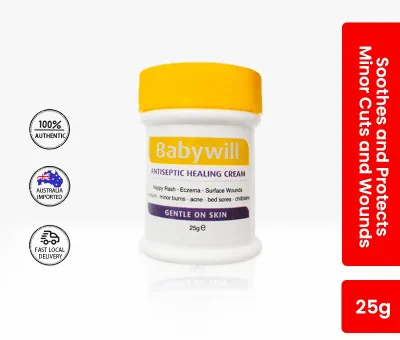
Prices are valid at publication and may change. Please refer to the product page for the latest price.
Recognizing the early visual cues of diaper rash allows you to transition from prevention to active care. Look for mild redness, slight chafing, or skin that feels unusually warm to the touch around the diaper area, thighs, or lower abdomen. Catching these signs early and applying the cream promptly can prevent a mild irritation from developing into a more severe, painful rash.
Before applying any product to your baby’s skin, always verify the product label for specific age recommendations, usage instructions, and potential contraindications. Because infant skin is exceptionally thin and sensitive, checking the manufacturer’s guidelines ensures that the formulation is appropriate for your baby’s developmental stage. If your baby has extremely sensitive skin or pre-existing skin conditions, consult a pediatrician before introducing a new topical product.
Step-by-Step Guide to Applying Sodaypo Cream
A hygienic and gentle application routine is crucial to ensure the cream protects the skin without trapping harmful bacteria or moisture underneath. Following a structured step-by-step process helps maintain skin integrity and maximizes the effectiveness of the barrier.

Preparation and Hygiene Before touching your baby’s diaper area or the cream container, wash your hands thoroughly with warm water and soap for at least twenty seconds. Gather all necessary supplies beforehand, including a fresh diaper, gentle cleaning materials, and the Sodaypo cream. Having everything within arm’s reach ensures you can keep one hand on your baby at all times for safety.
Gentle Cleaning Gently cleanse the diaper area using lukewarm water and soft cotton balls, or a mild, fragrance-free baby wipe. Avoid rubbing or scrubbing the skin, as friction can worsen existing irritation and damage the delicate skin barrier. Wipe gently from front to back, especially for baby girls, to prevent the spread of bacteria.
Thorough Drying Ensure the skin is completely dry before applying the cream. Trapping moisture beneath a thick barrier cream can create a humid microclimate that encourages bacterial or fungal growth, particularly in warm tropical environments. Allow the skin to air-dry for a few moments, or gently pat it dry with a clean, soft muslin cloth.
Application Technique Squeeze or scoop a small amount of Sodaypo cream onto your clean fingertips. Gently pat and spread the cream over the diaper area, focusing on zones prone to redness, such as the buttocks, perineum, and the folds of the thighs. Avoid rubbing the cream vigorously into the skin; instead, apply it as a smooth, even layer that sits on top of the skin to act as a physical shield. Follow the manufacturer’s instructions on the packaging regarding the recommended thickness of the layer.
Finishing and Diapering Allow the cream to set briefly on the skin before putting on a fresh diaper. When securing the diaper, ensure it fits snugly but is not too tight, as tight diapers can cause friction and trap heat and moisture. A small gap between the diaper and the skin allows for essential air circulation, helping to keep the area dry and comfortable.
Determining the Right Frequency and Amount
Finding the correct balance in how much cream to use and how often to apply it prevents product buildup and keeps the skin breathing. Always check the Sodaypo cream packaging for the manufacturer’s recommended dosage and daily frequency limits, as formulations can vary.
For daily prevention, a thin, translucent layer of cream is typically sufficient to shield healthy skin from moisture. This light barrier protects the skin without making cleanups difficult during subsequent diaper changes. If you are managing an active, red diaper rash, a slightly thicker, opaque layer may be required to provide a robust physical barrier against wetness and friction.
Avoid over-applying the cream or using excessive amounts at every change. Over-application can lead to a heavy buildup that is difficult to clean off gently, potentially causing you to rub the baby’s skin too harshly during the next change. It can also clog the pores of the skin or reduce the absorbency of the diaper if the cream transfers to the diaper’s inner lining. Monitor how the cream behaves on the skin and adjust the amount to find a balance that protects without accumulating.
Monitoring Skin Response and Knowing When to Stop
Carefully observing how your baby’s skin responds to the cream helps you evaluate its effectiveness and ensures you take action if an adverse reaction occurs. Every baby’s skin is unique, and monitoring is key to safe skin care.
A positive response to the cream is indicated by a visible reduction in redness, swelling, and irritation within a few days. The skin should begin to look smoother, and your baby should show fewer signs of discomfort during diaper changes or when urinating. Once the skin has fully recovered and returned to its normal appearance, you can transition back to a thin preventive layer or discontinue daily use as appropriate for your routine.
Be alert for any signs of an adverse reaction or sensitivity to the product. If you notice increased redness, swelling, hives, tiny blisters, or if your baby seems to experience burning or increased discomfort immediately after application, discontinue use immediately. Wash the area gently with cool water to remove the cream and consult a healthcare professional.
Home care with barrier creams has its limits. If the diaper rash does not improve after several days of consistent, correct application, or if it worsens, it is time to consult a pediatrician. Seek immediate medical attention if you observe signs of infection, such as pus, bleeding, open sores, a fever, or if the rash spreads rapidly beyond the diaper area. These symptoms may indicate a yeast infection or bacterial infection that requires prescription treatment.
Complementary Diaper Care Practices
While Sodaypo cream provides an physical barrier, its effectiveness is greatly enhanced when combined with healthy daily diapering habits. Supporting your baby’s skin barrier from multiple angles ensures faster recovery and long-term comfort.
Selecting highly absorbent, breathable diapers is one of the most effective ways to minimize moisture buildup. In humid climates, diapers that allow air to circulate help keep the skin dry and reduce the risk of friction-induced chafing. Change diapers promptly as soon as they are wet or soiled to minimize the time skin is exposed to irritating waste.
Incorporating supervised diaper-free time into your daily routine is highly beneficial. Allowing your baby to spend ten to fifteen minutes a day without a diaper on a clean, waterproof mat lets the skin air out completely. This natural drying process is incredibly effective at healing irritated skin and preventing new rashes from forming.
Avoid using harsh soaps, heavily scented wipes, or bubble baths, as artificial fragrances and strong surfactants can strip the skin of its natural oils and compromise the skin barrier. Opt for plain water or water-based, fragrance-free wipes instead. Additionally, dress your baby in loose, lightweight cotton clothing to prevent heat rash and reduce friction around the diaper area.
Frequently Asked Questions (FAQ)
Can I use Sodaypo cream on newborns?
Before using Sodaypo cream on a newborn, always check the product packaging for specific age recommendations and warnings. Newborn skin is exceptionally thin, fragile, and highly permeable, making it more sensitive to topical products. If the packaging does not explicitly state it is safe for newborns, or if you have any doubts, consult your pediatrician before application to ensure it is safe for your baby’s delicate skin.
Should I wipe off the old cream before applying a new layer?
It is not necessary to scrub off every trace of clean, white cream from the previous application during a diaper change, as harsh rubbing can irritate the skin. However, you must gently clean away any cream that has become soiled with urine or stool. If the remaining cream is clean and dry, you can gently pat the area dry and apply a fresh, thin layer over it to maintain the protective barrier.
What should I do if the diaper rash does not improve?
If the diaper rash does not show signs of improvement within two to three days of consistent care, or if it appears to be worsening, stop using the cream and consult a pediatrician. Persistent rashes may be caused by a fungal or bacterial infection, which cannot be resolved with standard barrier creams alone and requires a professional medical diagnosis and targeted treatment.

Community discussion
Share your experience or ask a question. Comments are reviewed before publication.