
To treat diaper rash fast, you must immediately minimize skin contact with moisture, eliminate friction, and apply a thick, protective barrier cream. In a warm and humid tropical climate like the Philippines, high ambient temperatures and sweat can quickly worsen skin irritation. By establishing a systematic cleaning, drying, and protecting routine, you can soothe your baby’s delicate skin and accelerate the healing process within a few days.
Recognizing the Signs of Common Diaper Irritation
Diaper rash is a broad term for various inflammatory skin conditions that occur in the diaper area. Identifying the specific characteristics of your baby’s skin irritation is the first step toward choosing the right care approach.
Visual Cues of Irritation Typical diaper dermatitis presents as mild to moderate redness, slight swelling, and localized warmth on the areas of the skin that directly touch the diaper. This includes the buttocks, thighs, and lower abdomen. The skin may look slightly shiny or chafed, indicating that the outermost protective layer has been compromised by friction and wetness.
Products mentioned in this guide
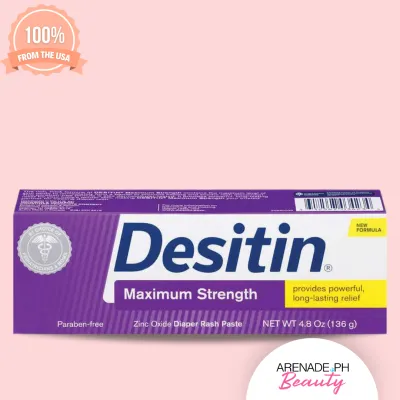
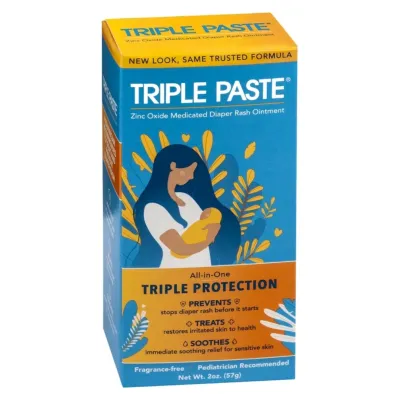
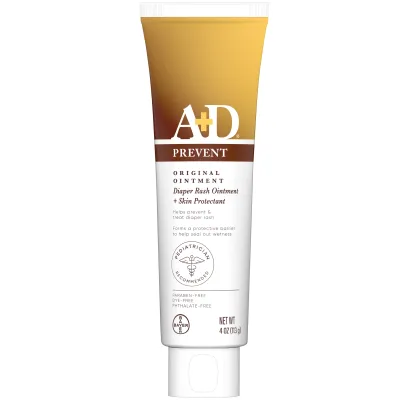
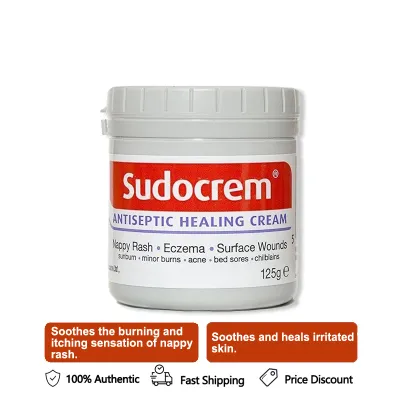
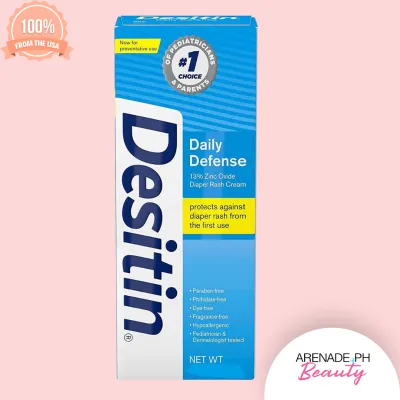
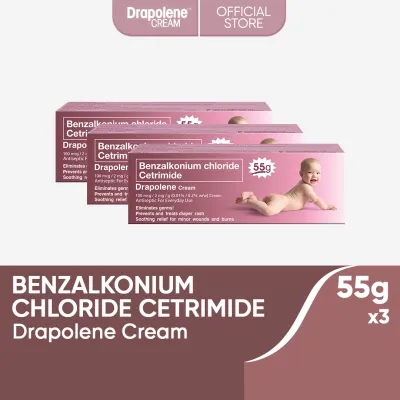
Prices are valid at publication and may change. Please refer to the product page for the latest price.
Behavioral Signals Your baby will often communicate discomfort through clear behavioral changes. You might notice increased fussiness, crying, or physical flinching during diaper changes, especially when wiping the area. Some infants may pull their legs away or resist having their diaper fastened because of the painful friction against raw skin.
Differentiating Rash Types It is crucial to distinguish between simple friction or moisture irritation and potential fungal or bacterial infections. Simple diaper rash usually spares the deep skin folds where the diaper does not make direct contact. In contrast, a yeast infection typically thrives in warm, moist creases, presenting as bright red, swollen patches with distinct, small red spots called satellite lesions. If you observe these deep-crease patterns or notice yellow crusting and pus, the irritation may require a targeted medical treatment rather than standard barrier creams.
Step-by-Step Routine to Treat and Soothe Diaper Rash
A consistent, gentle care routine is the foundation of fast healing. By adjusting how you clean, dry, and protect your baby’s skin during every single diaper change, you can significantly reduce recovery time.

Step 1: Gentle Cleaning When your baby has an active rash, avoid rubbing or scrubbing the skin, which can worsen micro-tears and increase pain. Clean the area gently using lukewarm water and a soft washcloth, or use alcohol-free, fragrance-free baby wipes designed for sensitive skin. If the stool is difficult to remove, squeeze water from a soaked cotton ball over the area to flush away residue without physical friction.
Step 2: Thorough Air-Drying Trapping moisture beneath a diaper or a layer of cream is a common mistake that delays healing. After cleaning, allow your baby’s skin to air-dry completely before putting on a new diaper. You can gently pat the skin dry with a clean, soft towel, but letting the skin expose to the air for several minutes is the most effective way to ensure no residual moisture remains.
Step 3: Applying a Thick Barrier Layer Once the skin is completely dry, apply a generous layer of a protective barrier cream or ointment. Look for products containing zinc oxide or petroleum jelly, which physically block moisture from reaching the raw skin. Apply the cream thickly, similar to frosting a cake, so that you do not rub the irritated skin directly during the next change; the soiled stool will sit on top of the cream layer rather than on the skin.
Step 4: Adjusting Diaper Fit and Frequency Increase the frequency of diaper changes to prevent urine and stool from sitting against the skin. Even high-absorbency diapers should be changed immediately upon wetness when a rash is active. When fastening the new diaper, leave it slightly loose to allow air circulation and prevent the diaper edges from chafing against the thighs and waist.
Identifying Potential Triggers in Your Baby's Routine
While treating the active rash is your immediate priority, identifying and eliminating the underlying triggers will prevent the irritation from returning. Small changes in your baby’s daily environment can have a major impact on skin health.
Dietary Changes and Stool Composition Introduce new solid foods gradually to monitor how they affect your baby’s digestive system. Certain acidic foods can alter the acidity of your baby’s stool, making it highly irritating to the skin. Similarly, changes in formula or medications, including antibiotics taken by the baby or a breastfeeding mother, can cause loose stools that rapidly break down the skin barrier.
Diaper Materials and Sizing As your baby grows, a diaper size that once fit perfectly may begin to pinch or trap moisture. Diapers that are too tight restrict airflow and press wet materials directly against the skin. Evaluate the material and absorbency of your current diaper brand; some babies have sensitivities to specific synthetic materials, fragrances, or dyes used in certain disposable diapers.
Chemical Sensitivities Review the ingredients of all products that touch your baby’s diaper area. Fragrances, alcohol, and preservatives in baby wipes, bubble baths, body washes, and laundry detergents can trigger contact dermatitis. Switching to hypoallergenic, fragrance-free alternatives for washing both your baby’s skin and their clothing can help eliminate these hidden irritants. Investing in a high-quality barrier cream, which typically costs around ₱300 to ₱600, is more cost-effective than managing a severe, prolonged infection.
When to Stop Home Care and Consult a Pediatrician
Most mild diaper rashes improve within two to three days of diligent home care. However, some situations require professional medical evaluation to prevent complications or secondary infections.
Recognizing Red Flags Consult your pediatrician immediately if you observe severe symptoms on your baby’s skin. These include blisters, pus-filled bumps, bleeding, open sores, or a rash that spreads significantly beyond the diaper area to the abdomen or back. These signs often indicate a secondary bacterial or fungal infection that home-care barrier creams cannot resolve.
Lack of Improvement If you have followed a strict cleaning, drying, and barrier routine for more than three days and the rash shows no signs of improvement, or if it continues to worsen, seek professional advice. A pediatrician can accurately diagnose the underlying cause and prescribe targeted treatments.
Systemic Symptoms A diaper rash accompanied by systemic signs of illness requires prompt medical attention. If your baby develops a fever, exhibits extreme lethargy, or displays unusual, inconsolable irritability, do not rely on home remedies. These symptoms suggest that the infection may be affecting your baby’s overall well-being.
The Danger of Self-Medicating Never apply over-the-counter medicated creams, such as topical hydrocortisone or antifungal ointments, without explicit instructions from a healthcare professional. Using these potent ingredients on broken infant skin can lead to excessive absorption, skin thinning, or other adverse side effects. Always verify the safety and dosage of any medicated treatment with your pediatrician first.
Daily Habits to Prevent Future Diaper Rash Breakouts
Preventing diaper rash requires a proactive approach to daily hygiene and skin care. Establishing simple, consistent habits will keep your baby’s skin barrier strong and resilient.
Proactive Changing Schedules Do not rely solely on the wetness indicator strip on disposable diapers to decide when to change your baby. Establish a regular schedule to check the diaper every two to three hours, and change it immediately if it is wet or soiled. Frequent changes minimize the time skin is exposed to the irritating enzymes present in waste.
Supervised Diaper-Free Time Incorporate daily periods of supervised diaper-free time into your baby’s routine. Lay a waterproof mat or a clean towel on the floor and let your baby play without a diaper for 10 to 15 minutes. This practice is highly effective in tropical environments, as it allows complete air circulation to dry out hard-to-reach skin folds naturally.
Hygienic Diaper Handling If you use cloth diapers, ensure they are washed thoroughly with a mild, fragrance-free detergent and rinsed completely to remove all soap residues. Avoid using fabric softeners, which can leave a water-repellent coating on the fabric and reduce absorbency. For disposable diapers, roll them tightly and dispose of them in a closed bin immediately to maintain a hygienic environment. Store all clean diapers in a dry, dust-free container to prevent contamination before use.
Frequently Asked Questions (FAQ)
Can I use baby powder or talcum powder to keep the diaper area dry?
Pediatricians strongly advise against using baby powder or talcum powder in the diaper area. The extremely fine particles of these powders can easily become airborne during application, posing a severe risk of inhalation and respiratory distress for infants. Additionally, when powder mixes with sweat or urine, it can clump in the skin folds, trapping moisture and increasing friction, which actually promotes diaper rash rather than preventing it. Using a thick barrier cream or allowing extra air-drying time are much safer and more effective methods for moisture control.
Is it safe to use coconut oil or natural home remedies for diaper rash?
While pure, food-grade coconut oil is popular for its moisturizing properties, natural home remedies lack the standardized occlusive properties found in formulated barrier products. Zinc oxide and petroleum-based ointments are specifically engineered to stay on the skin and block moisture even when a diaper is wet. If you choose to use coconut oil, ensure your baby does not have an underlying sensitivity to it, and avoid applying it to broken, bleeding, or severely inflamed skin. Always consult your pediatrician before substituting commercial barrier creams with home remedies, especially if the skin barrier is compromised.
Community discussion
Share your experience or ask a question. Comments are reviewed before publication.